
Choosing a Samyang lens for astrophotography comes down to a few core traits: wide field of view, fast aperture, and good control of coma and distortion. The best options help you capture the Milky Way, star fields, and night landscapes without fighting your gear.
Below, we focus on the most relevant Samyang picks for different mounts and shooting styles, including manual-focus classics and newer autofocus options where they fit the job.
Best 10 Samyang Lens for Astrophotography Picks for 2026
Manual ultra-wide starter
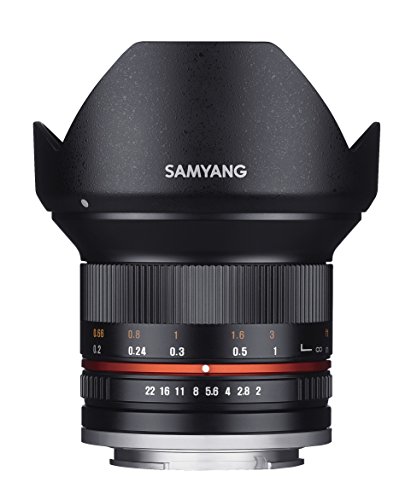
- 98.9-degree ultra-wide view
- Fast f/2.0 aperture for low light
- Manual focus with 67mm filter support
Best For: Sony E photographers shooting stars, landscapes, and night scenes
AF lens maintenance accessory
Samyang Lens Station for Sony FE

- Updates firmware for compatible AF lenses
- Calibrates focus and aperture parameters
- USB software-based lens management
Best For: Photographers who already own compatible Samyang AF Sony FE lenses
Fujifilm ultra-wide manual pick

- 98.9-degree ultra-wide framing
- Bright f/2.0 aperture for low light
- Manual focus with 67mm filter support
Best For: Fujifilm X users wanting a simple night-sky and landscape prime
Autofocus APS-C night-sky lens
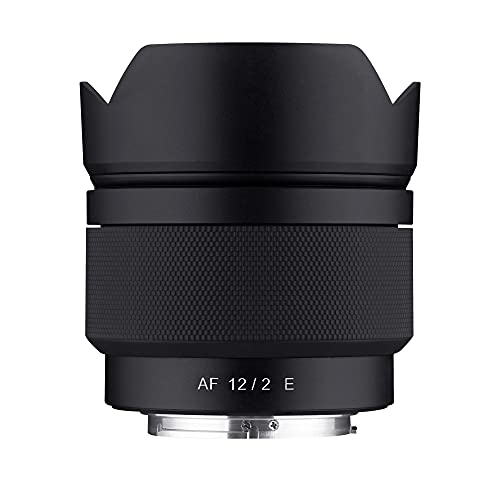
- 99.1-degree ultra-wide APS-C view
- Autofocus with quiet Linear STM motor
- Weather-sealed body with f/2.0 aperture
Best For: Sony E APS-C shooters who want autofocus for stars and travel
Classic Wide-Angle Pick

- 14mm prime with about 115° field of view
- Hybrid aspherical and multi-coated optics
- Built-in AE chip for Canon DSLR metering
Best For: Canon DSLR users shooting astrophotography and wide landscapes
Weather-Sealed Astro Choice
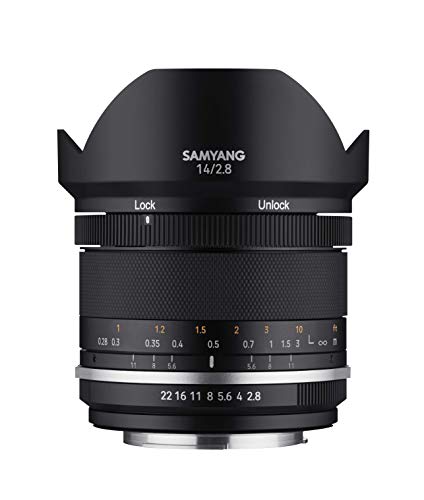
- Infinity focus lock for long-exposure sharpness
- Weather-sealed mount for dust and moisture resistance
- De-click aperture switch for smoother video use
Best For: Sony E shooters who want a durable astro and video prime
Sony E Manual Focus Favorite
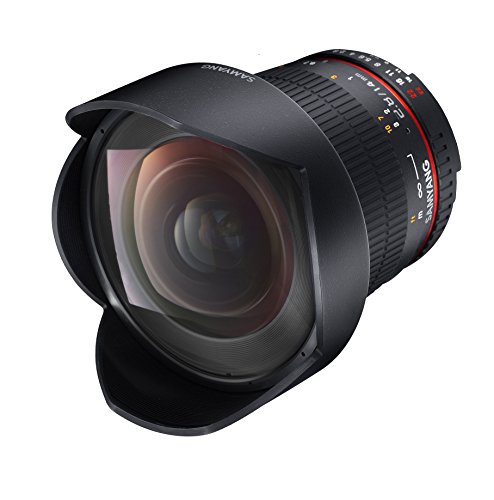
- 14mm prime with a 115.7° ultra-wide view
- Hybrid aspherical and multi-layer coated optics
- Manual focus with close focus to 10.8 inches
Best For: Sony E users wanting a compact ultra-wide lens for astrophotography
Weather-Sealed Nikon F Pick
Samyang 14mm F2.8 for Astro Shoots
- 14mm ultra-wide view with 115.7-degree coverage
- F2.8 aperture for low-light and night skies
- Focus lock at infinity and weather sealing
Best For: Nikon F photographers shooting astrophotography outdoors
Canon RF Astro Choice
Samyang 14mm F2.8 for Full-Frame Nights

- Full-frame 14mm view with 115.7-degree coverage
- F2.8 aperture for low-light astrophotography
- Weather-sealed body with built-in hood and gel holder
Best For: Canon RF full-frame shooters wanting a manual astro prime
Nikon Z Night-Sky Pick
Samyang 14mm F2.8 for Full-Frame Astro

- 14mm full-frame prime for expansive night scenes
- F2.8 aperture suits low-light astrophotography
- Weather-sealed metal body with built-in hood
Best For: Nikon Z shooters who want a durable ultra-wide astro lens
Manual ultra-wide starter – Samyang 12mm F2.0 Manual
If you want a Samyang lens for astrophotography on Sony E, this 12mm f/2.0 prime is a straightforward choice for wide night-sky framing. Its 98.9-degree angle of view, fast aperture, and low-reflection Nano Coating System are all aimed at helping you capture bright, clean exposures in low light.
Best For: Sony E shooters who want a lightweight manual-focus ultra-wide for stars, landscapes, and night scenes.
Pros:
- 12mm focal length with a very wide 98.9-degree angle of view
- Fast f/2.0 aperture helps in low-light and night shooting
- Nano Coating System reduces internal reflections and boosts transmission
- Focuses as close as 0.2 m and accepts 67mm filters
Cons:
- Manual focus only, so it takes more hands-on setup
- Designed for Sony E mount bodies, limiting compatibility
- No weather sealing is listed
This is a practical, no-frills option if your priority is a bright ultra-wide view rather than autofocus convenience. It should fit especially well for astrophotography, where the wide field and f/2.0 aperture matter more than advanced automation.
AF lens maintenance accessory – Samyang Lens Station for Sony FE
The Samyang Lens Station is not a lens for astrophotography itself, but it can matter if you already own compatible Samyang AF Sony FE lenses. It lets you update firmware, calibrate focus, and customize aperture parameters through USB and the Lens Manager software.
Best For: Owners of compatible Samyang AF Sony FE lenses who want firmware updates and precision tuning.
Pros:
- Updates firmware for compatible Samyang AF lenses
- Allows focus calibration for more precise results
- Supports aperture parameter customization
- USB connection and Lens Manager software keep setup simple
Cons:
- Not a camera lens, so it does not directly capture images
- Works only with Samyang autofocus lenses
- Limited to Sony E-compatible AF lens maintenance
For astrophotographers using supported Samyang AF glass, this is a useful accessory for keeping lens behavior consistent. If you need a lens for the sky, though, you’ll want to pair it with one of the actual 12mm options in this roundup.
Fujifilm ultra-wide manual pick – Samyang 12mm F2.0 for Fuji X
Samyang SY12M-FX-BK 12mm F2.0 Ultra Wide Angle Lens for Fujifilm X-Mount Cameras, Black
Check Price On AmazonIf you need a Samyang lens for astrophotography on Fujifilm X, this 12mm f/2.0 manual prime gives you the same kind of ultra-wide framing as the Sony version. The bright aperture, 98.9-degree angle of view, and Nano Coating System make it a strong fit for low-light shooting and night-sky work.
Best For: Fujifilm X shooters who want a compact manual ultra-wide for stars, night scenes, and travel.
Pros:
- 12mm focal length with a very wide 98.9-degree view
- f/2.0 aperture supports low-light astrophotography
- Nano Coating System helps reduce reflections
- Accepts 67mm filters and focuses down to 0.2 m
Cons:
- Manual focus only
- Built for Fujifilm X mount, so it is not cross-system
- No weather sealing is listed
This lens is a solid budget-conscious style of ultra-wide for night shooting if you prefer Fujifilm X. It keeps the essentials simple: wide coverage, a fast aperture, and optical design tuned for cleaner images in challenging light.
Autofocus APS-C night-sky lens – Samyang 12mm F2.0 AF Sony E
This Samyang lens for astrophotography adds autofocus to the familiar 12mm ultra-wide formula, making it appealing for Sony E APS-C shooters who want speed and convenience. With a 99.1-degree angle of view, f/2.0 aperture, weather sealing, and UMC coating, it is built for night sky, architecture, and other low-light scenes.
Best For: Sony E APS-C photographers who want an autofocus ultra-wide for astrophotography and travel.
Pros:
- 99.1-degree ultra-wide angle on APS-C bodies
- Fast f/2.0 aperture for night and indoor shooting
- Autofocus with a quiet Linear STM motor
- Weather-sealed build with removable hood and 62mm filter size
Cons:
- Made for Sony E APS-C cameras, not full-frame per the notes
- Minimum aperture is f/22, so it is still a specialized prime
- Compact design may not suit users who want a heavier pro body
For astrophotography, this is the most convenience-focused option in the group because it combines ultra-wide coverage with autofocus and weather resistance. If you shoot stars but also want a lens you can use for general travel and architecture, it has a strong balance of speed and versatility.
Classic Wide-Angle Pick – Samyang 14mm F2.8 Canon EF
If you want a Samyang lens for astrophotography with a simple, proven wide-angle formula, this 14mm f/2.8 Canon EF version is built for sharp night skies and low-distortion framing. Its manual focus design, 115° field of view, and multi-coated optics make it a strong fit for starscapes, Milky Way shots, and dramatic wide scenes.
Best For: Canon DSLR shooters who want a compact 14mm prime for astrophotography and landscape work.
Pros:
- 14mm focal length and roughly 115° angle of view are ideal for expansive night-sky compositions.
- Hybrid aspherical and ultra multi-coated glass help reduce distortion and chromatic aberration.
- Built-in AE chip supports accurate metering on Canon DSLR cameras.
- Manual focus and close focusing to 10.8 inches give you precise control.
Cons:
- Manual focus only, so it is not designed for autofocus convenience.
- No image stabilization, so stable support is important for long exposures.
- Best features are geared toward Canon EF users, even though compatibility spans several mounts.
As a straightforward ultra-wide prime, this lens stays focused on the essentials: wide coverage, controlled distortion, and easy manual operation. For astrophotography shooters who value a classic, lightweight 14mm setup, it remains a practical option.
Weather-Sealed Astro Choice – Samyang MK14 14mm Sony FE
This Samyang lens for astrophotography is tuned for Sony FE shooters who want a weather-sealed ultra-wide prime with solid night-sky credentials. The 14mm f/2.8 design, infinity focus lock, and quiet de-clickable aperture make it especially useful when you split time between star fields, landscapes, and video.
Best For: Sony E photographers and videographers who shoot outdoors and want a durable 14mm ultra-wide for night skies.
Pros:
- Focus lock at infinity helps keep stars sharp during long exposures.
- Weather-sealed construction adds protection against dust and moisture.
- De-clickable aperture switch supports smoother video exposure changes.
- 14mm f/2.8 ultra-wide design suits expansive astrophotography compositions.
Cons:
- Manual focus means you will need to set focus yourself.
- It is optimized for Sony E, so it is not the broadest fit across systems.
- Noted as a prime lens, so there is no zoom flexibility.
For shooters who want a more rugged Samyang option, this model adds practical outdoor protection without giving up the wide-angle view astrophotography depends on. It is a sensible choice if you want a lens that can handle both night skies and tougher shooting conditions.
Sony E Manual Focus Favorite – Samyang 14mm F2.8 Sony E
If you are comparing a Samyang lens for astrophotography on Sony E, this 14mm f/2.8 prime is a classic low-distortion option with a very wide 115.7° view. Its manual focus design and multi-coated optics are aimed at clean, immersive night-sky frames, while the compact build keeps it easy to take into the field.
Best For: Sony E shooters who want a lightweight ultra-wide prime for stars, landscapes, and travel.
Pros:
- 14mm focal length and 115.7° angle of view are well suited to astrophotography.
- Hybrid aspherical and multi-layer coated elements help minimize distortion and flare.
- Manual focus with close focus to 10.8 inches allows precise composition control.
- Compact, lightweight design makes it practical for outdoor shooting.
Cons:
- No image stabilization is included.
- Manual focus only, so it is less convenient for fast-paced use.
- Built-in AE chip is described for Canon DSLR communication, which is less relevant on Sony E.
This is a no-nonsense wide prime that focuses on the core needs of night-sky photographers: broad coverage, controlled optics, and easy manual handling. If you prefer a simple Sony E setup for astrophotography, it fits that role well.
Weather-Sealed Nikon F Pick – Samyang 14mm F2.8 for Astro Shoots
If you want a Samyang lens for astrophotography with a classic ultra-wide view, this 14mm F2.8 Nikon F model is built for night skies and other demanding outdoor work. Its manual focus design includes a focus lock at infinity, while the weather-sealed body and precision optics make it a practical choice for long exposures in the field.
Best For: Nikon F shooters who need a weather-sealed ultra-wide prime for astrophotography and outdoor night work.
Pros:
- 14mm focal length and 115.7-degree angle of view suit expansive Milky Way and landscape compositions.
- Fast F2.8 aperture helps gather light in low-light and night-sky conditions.
- Focus lock at infinity is useful for keeping stars sharp during long exposures.
- Weather-sealed construction adds confidence for outdoor shooting in dust or moisture.
Cons:
- Manual focus only, so it is less convenient for fast-moving subjects.
- No image stabilization, so stable support matters for low-light work.
For Nikon F users focused on astro-friendly framing and dependable field use, this lens covers the essentials well. The optical design and sealed build make it a sensible pick when the priority is wide, sharp night-sky capture rather than autofocus convenience.
Canon RF Astro Choice – Samyang 14mm F2.8 for Full-Frame Nights
This Samyang lens for astrophotography is aimed at Canon RF full-frame mirrorless users who want a bright, manual-focus ultra-wide prime. The 14mm focal length, F2.8 aperture, and weather-sealed build make it well suited to night skies, while the built-in hood and rear gel filter holder add useful flexibility for outdoor shooting.
Best For: Canon RF mirrorless users who want a full-frame ultra-wide lens for astrophotography and travel.
Pros:
- 14mm full-frame coverage and 115.7-degree angle of view are ideal for wide night-sky scenes.
- F2.8 aperture supports low-light shooting and helps capture crisp astro details.
- Advanced optical design includes ASP, H-ASP, HR, and ED elements to reduce aberrations.
- Weather-sealed aluminum chassis, built-in hood, and rear gel filter holder support field use.
Cons:
- Manual focus only, so it requires more hands-on setup than autofocus lenses.
- No image stabilization, which makes a tripod or stable support important.
For Canon RF shooters, this lens brings the core ingredients many astro photographers want: a bright aperture, ultra-wide field, and strong outdoor durability. It is a straightforward manual prime for people who value simplicity and night-sky framing over automation.
Nikon Z Night-Sky Pick – Samyang 14mm F2.8 for Full-Frame Astro
For Nikon Z users looking for a Samyang lens for astrophotography, this 14mm F2.8 full-frame prime delivers the wide view and light-gathering ability that night-sky work depends on. It combines a manual focus design with advanced optics, weather sealing, and a built-in hood for a simple but capable astro setup.
Best For: Nikon Z mirrorless photographers who want a full-frame ultra-wide lens for astrophotography and low-light landscapes.
Pros:
- 14mm focal length and 115.7-degree angle of view work well for immersive astro scenes.
- F2.8 maximum aperture is helpful for night skies and other dim conditions.
- Optical formula with ASP, H-ASP, HR, and ED elements plus Ultra Multi-Coating helps reduce flare and ghosting.
- Weather-sealed metal chassis and built-in hood make it practical for outdoor use.
Cons:
- Manual focus only, so you need to set focus carefully for stars and landscapes.
- No image stabilization, so steady support is important for low-light shooting.
This Nikon Z version keeps the formula focused on the essentials for astro work: wide coverage, bright aperture, and durable construction. If you are comfortable working manually, it is an efficient tool for sharp night-sky images.
How We Picked the Best Samyang Lens for Astrophotography
For this roundup, we prioritized lenses that are genuinely useful for night-sky shooting: wide focal lengths, bright maximum apertures, strong sharpness near the center and edges, and practical build features like weather sealing or consistent manual focus. Mount compatibility also matters, since the right Samyang Lens for Astrophotography should fit your camera system without compromise.
Quick Comparison
In general, 12mm options are best when you want the widest possible sky coverage and dramatic foreground-to-sky compositions. 14mm lenses offer a slightly tighter frame that can improve composition control and often feel easier to use on full-frame bodies. Autofocus is less important for stars than for daytime shooting, so manual-focus models remain excellent choices when they deliver better optical results or lower cost.
Key Buying Factors for Samyang Lens for Astrophotography
Aperture
Look for f/2.8 or faster if you want to keep ISO lower and shorten exposure times. An f/2 lens can be helpful for dim skies, but lens quality at the edges matters just as much as brightness.
Focal Length
Choose 12mm for ultra-wide Milky Way shots and larger foreground scenes. Choose 14mm if you want a slightly more controlled framing style while still keeping enough sky in the image.
Coma and Edge Performance
Astrophotography reveals optical flaws quickly. A good lens should keep stars reasonably round, especially near the corners, because smeared stars are distracting in night landscapes.
Focus and Handling
Manual focus with a smooth focus ring is often ideal for stars. If you prefer autofocus for travel or mixed-use shooting, make sure the lens still supports dependable manual override and stable calibration.
Mount and Sensor Format
Match the lens to your camera mount and sensor size. Full-frame lenses can work on crop bodies, but the field of view changes, which affects how much sky you can include.
Who Should Buy Which Samyang Lens for Astrophotography?
If you want the widest possible sky and a simple astrophotography setup, a 12mm Samyang is usually the best starting point. If you shoot on full frame and want a classic night-sky focal length with strong versatility, a 14mm option is often the smarter fit.
Sony, Canon, Nikon, and Fujifilm shooters should pick the exact mount version first, then decide whether they value autofocus convenience or the simplicity and often lower cost of manual focus. For most dedicated night shooters, the best Samyang Lens for Astrophotography is the one that balances wide framing, bright aperture, and clean star rendering on your specific camera system.