
Great landscape photos start with a camera that delivers detail, dynamic range, and reliable color in changing light. The best mirrorless body should also be easy to carry on long hikes and ready for tripod work.
Below, we’ve shortlisted 10 strong options for a mirrorless camera for landscape photography, from high-resolution full-frame models to lighter APS-C picks for travel and everyday shooting.
Best 10 Mirrorless Camera for Landscape Photography Picks for 2026
Resolution-First Landscape Workhorse
Nikon Z 7II 45.7MP Full-Frame Mirrorless

- 45.7MP full-frame sensor for fine detail
- Dual card slots for added file safety
- 5-axis IBIS and 4K/60p video support
Best For: Landscape shooters who want maximum resolution and backup-ready storage
Balanced Full-Frame Choice
Sony a7 IV 33MP Mirrorless Kit

- 33MP full-frame sensor with IBIS
- Dual card slots for safer storage
- 4K/60p 10-bit video with advanced AF
Best For: Landscape shooters who also want a flexible hybrid camera
Compact Travel Landscape Kit

- Compact APS-C body for travel and hiking
- Includes 16-50mm and 50-250mm lenses
- 4K/60p video with built-in electronic VR
Best For: Travelers and hobbyists who want a lightweight do-everything kit
Budget-Friendly APS-C Option
Canon EOS R50 4K Mirrorless Kit

- 24.2MP APS-C sensor with DIGIC X
- Dual Pixel CMOS AF II with subject detection
- 6K-oversampled 4K video and vari-angle screen
Best For: Beginners and creators wanting an easy Canon mirrorless starter kit
Portable Landscape Pick
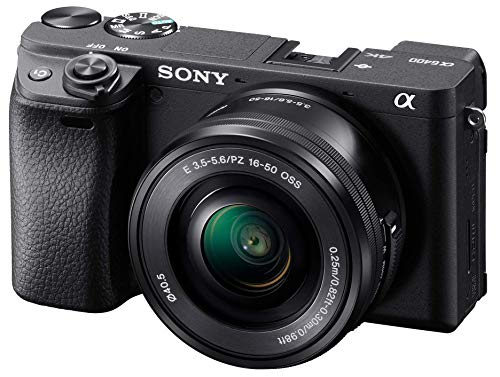
- 24.2MP APS-C sensor for detailed landscapes
- 425 phase-detection points with tracking
- Compact body with 4K video and tilting screen
Best For: Travelers and landscape shooters who value compact size and fast autofocus
Starter Two-Lens Kit
Canon EOS R100 Double Lens Kit
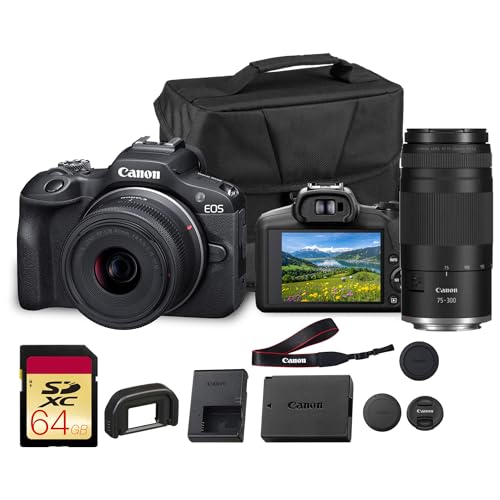
- 24.2MP APS-C sensor with Dual Pixel CMOS AF
- Includes wide-to-standard and telephoto lenses
- Compact, beginner-friendly mirrorless body
Best For: Beginners who want an easy two-lens setup for landscapes and travel
Premium Full-Frame Option
Canon EOS R6 Mark II 24-105mm Kit

- 24.2MP full-frame sensor with DIGIC X
- IBIS up to 8 stops for steadier handheld shots
- Versatile 24-105mm kit lens for varied framing
Best For: Serious enthusiasts and professionals who want full-frame quality and stabilization
Travel Zoom Pick

- Wide 18-150mm zoom fits landscapes and travel
- 24.2MP APS-C sensor with Dual Pixel AF II
- Compact body plus Wi-Fi, Bluetooth, and accessories
Best For: Travelers and beginners wanting one versatile kit
Starter APS-C Choice

- 24.1MP APS-C sensor for detailed stills
- Very compact and lightweight for travel use
- Wi-Fi, Bluetooth, and advanced autofocus features
Best For: Budget-minded beginners starting out in mirrorless
Full-Frame Compact Option

- 26.2MP full-frame sensor for detailed scenic photos
- 24-105mm lens with optical image stabilization
- Compact body suits travel and landscape shooting
Best For: Full-frame landscape shooters wanting a portable kit
Resolution-First Landscape Workhorse – Nikon Z 7II 45.7MP Full-Frame Mirrorless
Nikon Z 7II | Ultra-high Resolution Full-Frame mirrorless Stills/Video Camera | Nikon USA Model
Check Price On AmazonIf you want a mirrorless camera for landscape photography that prioritizes detail, the Nikon Z 7II is built around a 45.7MP full-frame sensor and a high-resolution workflow. It suits shooters who care about fine texture, large prints, and the ability to crop while keeping plenty of image data.
Best For: Landscape photographers who want maximum resolution and a full-frame body with strong stills performance.
Pros:
- 45.7MP full-frame sensor captures very fine landscape detail.
- 5-axis in-body stabilization helps steady handheld shots.
- Dual card slots add backup security for remote shoots.
- 4K/60p video and USB-C power support mixed photo/video use.
Cons:
- Higher-end body may be more camera than casual travelers need.
- Best results depend on pairing it with Nikon Z or adapted F-mount lenses.
- Not the lightest option for long hikes.
The Z 7II is a strong fit when image quality matters more than simplicity. For landscape photographers building a serious kit, it offers the resolution, controls, and file security that make field work easier.
Balanced Full-Frame Choice – Sony a7 IV 33MP Mirrorless Kit
The Sony a7 IV is a versatile mirrorless camera for landscape photography if you want a balance of resolution, autofocus, and travel-friendly flexibility. Its 33MP full-frame sensor gives you enough detail for scenic work, while the included 28-70mm lens covers a useful range for general field shooting.
Best For: Landscape photographers who also want a dependable all-around full-frame camera for video and everyday shooting.
Pros:
- 33MP full-frame sensor delivers strong detail for landscapes.
- In-body image stabilization helps with handheld shooting.
- Dual memory slots support more secure shooting on trips.
- 4K/60p 10-bit video adds flexibility for hybrid creators.
Cons:
- Kit lens max aperture is modest, so it is not ideal for low-light lens speed.
- 33MP is lower than some high-resolution landscape-focused bodies.
- Included zoom is practical, but serious landscape users may want better optics later.
For photographers who want one camera that can do landscapes, travel, and video well, the a7 IV is an easy body to build around. It is less specialized than a high-resolution flagship, but more adaptable for mixed use.
Compact Travel Landscape Kit – Nikon Z50 II Dual-Lens Bundle
If you want a mirrorless camera for landscape photography in a smaller, easier-to-pack format, the Nikon Z50 II is an appealing APS-C option. The 20.9MP sensor, included wide-to-telephoto lenses, and lightweight build make it practical for hikes, travel, and everyday shooting.
Best For: Travelers and hobbyists who want an affordable compact kit with strong flexibility.
Pros:
- Compact DX body is easy to carry on trails and trips.
- Includes two lenses, covering wide scenes and distant details.
- Built-in electronic VR and 4K/60p video add versatility.
- Subject detection and Picture Controls make shooting simpler.
Cons:
- APS-C sensor offers less file room than full-frame models.
- 20.9MP resolution is solid, but not aimed at maximum cropping.
- Continuous shooting and overall speed are less ambitious than higher-end bodies.
The Z50 II is best viewed as a convenient all-in-one travel package rather than a flagship landscape body. It is a smart pick if portability and lens coverage matter as much as image quality.
Budget-Friendly APS-C Option – Canon EOS R50 4K Mirrorless Kit
The Canon EOS R50 is a practical mirrorless camera for landscape photography if you want a smaller APS-C body with modern autofocus and easy operation. Its 24.2MP sensor and 6K-oversampled 4K video make it a capable starter camera for scenic stills and casual hybrid work.
Best For: Beginners and content creators who want an approachable compact Canon mirrorless kit.
Pros:
- 24.2MP APS-C sensor provides solid everyday image quality.
- Dual Pixel CMOS AF II offers broad subject detection and tracking.
- Vari-angle touchscreen and EVF help with composition from different angles.
- 4K oversampled video and wireless connectivity add value.
Cons:
- APS-C format is less flexible than full-frame for large prints and cropping.
- Included RF-S 18-45mm lens is a basic kit zoom.
- More oriented toward general photography and content creation than high-end landscape use.
For newcomers who want a simple, modern camera without jumping to a larger full-frame system, the R50 is a solid entry point. It is not the most specialized landscape body, but it is easy to use and capable enough to grow with.
Portable Landscape Pick – Sony a6400 APS-C Travel Kit
If you want a mirrorless camera for landscape photography that stays compact without feeling basic, the Sony a6400 is a strong all-around pick. Its 24.2MP APS-C sensor, 425 phase-detection points, and real-time object tracking make it easy to lock focus on foreground detail, distant ridgelines, and everything in between, while the included 16-50mm lens keeps the kit flexible for travel.
Best For: Travelers and landscape shooters who want a lightweight APS-C body with fast autofocus and 4K capture.
Pros:
- 24.2MP APS-C sensor for detailed stills
- 425 phase-detection points and eye/object tracking
- Compact body with a tilting touchscreen
- 4K video plus fast 11 fps continuous shooting
Cons:
- Kit lens tops out at 50mm, so it is not an ultra-wide landscape setup
- 3-inch screen is smaller than some rivals
- Maximum shutter speed is listed at 1/4000 seconds
The a6400 is best when portability matters as much as image quality. It is a practical choice for photographers who want a responsive camera that can handle landscapes, travel, and general shooting without adding much weight to the bag.
Starter Two-Lens Kit – Canon EOS R100 Double Lens Kit
The Canon EOS R100 is a beginner-friendly mirrorless camera for landscape photography if you want a simple system with room to grow. The 24.2MP APS-C sensor captures clean detail, and the included RF-S 18-45mm lens covers wide-angle to standard views, while the RF 75-300mm adds reach for compressed scenic shots and distant details.
Best For: Beginners who want an affordable interchangeable-lens kit with both wide and telephoto coverage.
Pros:
- 24.2MP APS-C CMOS sensor for detailed stills
- Two included lenses cover landscapes, travel, and wildlife
- Dual Pixel CMOS AF helps keep focus accurate
- Lightweight, compact body is easy to carry
Cons:
- RF-S 18-45mm lens is useful, but not especially wide for dramatic vistas
- 4K support is included, but this is still aimed at entry-level users
- Viewfinder magnification and aperture range are modest compared with higher-end kits
This kit makes sense if you are starting out and want a straightforward path into landscape shooting. The extra telephoto lens adds versatility, but the real value is in the easy-to-use body and the broad lens coverage right out of the box.
Premium Full-Frame Option – Canon EOS R6 Mark II 24-105mm Kit
For photographers looking for a premium mirrorless camera for landscape photography, the Canon EOS R6 Mark II offers a full-frame 24.2MP sensor, strong in-body stabilization, and a versatile 24-105mm kit lens. It is built to deliver detailed files, steady handheld shooting, and broad subject coverage, making it a strong option for landscapes, travel, and mixed still/video work.
Best For: Serious enthusiasts and professionals who want full-frame image quality, stabilization, and a flexible zoom range.
Pros:
- 24.2MP full-frame sensor for high-quality landscape detail
- IBIS up to 8 stops helps steady handheld shooting
- Dual Pixel CMOS AF II with 1,053 AF zones
- 24-105mm kit lens adds versatile framing options
Cons:
- Kit lens aperture is relatively slow at f/4-7.1
- Heavier than smaller APS-C alternatives
- Pricing and feature set are aimed at advanced users
This is the most capable body in the group for users who want a more advanced system for landscapes. The full-frame sensor and strong stabilization make it a dependable choice when you want image quality and flexibility over simplicity.
Travel Zoom Pick – Canon EOS R10 18-150mm Kit
If you want a mirrorless camera for landscape photography that also handles travel and everyday shooting, the Canon EOS R10 with the RF-S 18-150mm lens offers a flexible starting point. The 24.2MP APS-C sensor gives you solid detail, while the wide end of the zoom helps frame broad scenes and the compact body makes it easy to carry on hikes and trips.
Best For: Travelers and beginners who want one lightweight kit that can cover landscapes, portraits, and general shooting.
Pros:
- RF-S 18-150mm lens covers wide landscape views through telephoto reach
- 24.2MP APS-C sensor and Dual Pixel CMOS AF II for detailed stills and reliable focus
- Compact, travel-friendly body with Wi-Fi and Bluetooth for quick sharing
- Includes 64GB memory card and shoulder bag for an easier starter kit
Cons:
- APS-C sensor is smaller than full-frame options
- Not water resistant, so weather protection is limited
- Kit lens is versatile, but not as specialized as a dedicated landscape lens
This is a practical all-in-one option if you want a mirrorless camera for landscape photography without building a system from scratch. It is strongest as a lightweight travel companion rather than a high-end landscape specialist.
Starter APS-C Choice – Canon EOS R100 18-45mm Kit
The Canon EOS R100 is a straightforward mirrorless camera for landscape photography if you want an affordable entry into the EOS R system. Its 24.1MP APS-C sensor can capture crisp scenes, and the compact body makes it easy to pack for day trips, hikes, and casual shooting.
Best For: Beginners who want a lightweight, budget-friendly mirrorless camera for learning stills and basic landscape work.
Pros:
- 24.1MP APS-C sensor delivers detailed images with natural bokeh
- Small, lightweight body is easy to carry on trips and outdoor walks
- Dual Pixel CMOS AF with face, eye, animal, and vehicle detection
- Includes Wi-Fi and Bluetooth for quick sharing and camera control
Cons:
- No image stabilization in the body or lens kit description
- 18-45mm kit lens has less reach than more versatile zoom bundles
- 4K video tops out at 24 fps, so it is not aimed at advanced video users
This is a sensible starter pick if your main goal is to learn with a mirrorless camera for landscape photography without spending more than necessary. It is best suited to simple shooting needs rather than a feature-heavy setup.
Full-Frame Compact Option – Canon EOS RP 24-105mm Kit
If you want a mirrorless camera for landscape photography with a full-frame sensor, the Canon EOS RP is the most capable image-quality option in this group. The 26.2MP full-frame CMOS sensor gives you more room for large prints and detailed scenic work, while the RF 24-105mm lens adds a versatile zoom range for travel and outdoor shooting.
Best For: Shooters who want full-frame landscape image quality in a compact, lightweight travel body.
Pros:
- 26.2MP full-frame sensor for higher-end landscape detail
- RF 24-105mm lens offers a useful zoom range with optical image stabilization
- Compact and lightweight design suits travel and vlogging
- Dual Pixel AF and 4K UHD video support add versatility
Cons:
- 4K video is included, but this kit is more compelling for stills than video-first users
- Lens maximum aperture narrows to F4-7.1, so low-light flexibility is limited
- Not the most advanced option if you want a more pro-focused body
This model stands out when full-frame results matter more than keeping the smallest possible kit. For landscape photographers who value image quality and portability, it is the strongest premium-leaning choice here.
How We Picked the Best Mirrorless Camera for Landscape Photography
For a Mirrorless Camera for Landscape Photography, we prioritized sensor resolution, dynamic range potential, weather-ready portability, autofocus reliability, and lens ecosystem strength. We also considered how well each camera handles tripod shooting, RAW editing flexibility, and all-day carry weight.
Quick Comparison
Full-frame models generally offer the best overall image quality, especially for large prints and shadow recovery. APS-C cameras are often lighter and more affordable, making them a smart choice for hikers, travelers, and beginners who want strong results without a bigger system.
Key Buying Factors for Mirrorless Camera for Landscape Photography
Resolution and Sensor Size
Higher resolution helps preserve fine texture in mountains, trees, water, and foreground detail. Full-frame sensors usually provide better low-light performance and broader dynamic range, while APS-C options can still deliver excellent landscapes when paired with sharp lenses.
Dynamic Range and RAW Latitude
Landscape work often includes bright skies and deep shadows. A camera with strong RAW recovery gives you more room to balance exposure in post-processing, especially at sunrise and sunset.
Lens Options
The body matters, but lenses matter just as much. Wide-angle zooms and sharp primes are especially useful for sweeping vistas, dramatic foregrounds, and stitched panoramas. Choose a system with affordable, high-quality glass.
Portability and Durability
If you hike to your locations, weight matters. A lighter body can be the difference between bringing a camera or leaving it behind. Weather sealing, battery life, and simple controls also help in the field.
Who Should Buy Which Mirrorless Camera for Landscape Photography?
If you want maximum detail for printing and cropping, a high-resolution full-frame option is the strongest fit. If you want a balanced hybrid camera for travel and landscapes, a midrange full-frame or advanced APS-C model is often the sweet spot. If you’re new to the genre or want a compact setup, an entry-level APS-C body is usually the most affordable way to get started.
Overall, the best Mirrorless Camera for Landscape Photography is the one that matches your shooting style, budget, and lens plans. Prioritize image quality first, then choose the lightest system you’ll actually enjoy carrying outdoors.