
Choosing a full frame camera for astrophotography comes down to more than megapixels. You need clean high-ISO files, strong dynamic range, reliable focus tools, and controls that make long nights easier.
This roundup highlights 10 standout options for capturing the Milky Way, star fields, and night landscapes, with a focus on real-world performance rather than spec sheets alone.
Best 10 Full Frame Camera for Astrophotography Picks for 2026
Lightweight Full-Frame Hybrid Pick
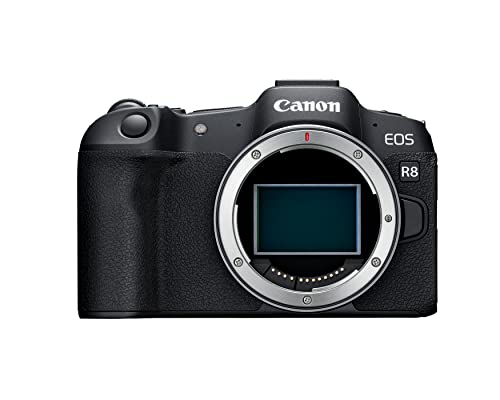
- 24.2MP full-frame CMOS sensor
- Clean high-ISO and wide dynamic range
- 30-second minimum shutter for long exposures
Best For: Travel-friendly astro shooters wanting a compact full-frame mirrorless body
Long-Exposure DSLR Workhorse
Nikon D780 with 24-120mm f/4 Lens

- 24.5MP backside-illuminated FX sensor
- Shutter speeds down to 900 seconds
- Up to 2,260 shots per charge
Best For: DSLR users who want long-exposure flexibility for astrophotography
Stabilized Low-Light Performer

- 24.2MP full-frame CMOS sensor
- 5-axis IBIS up to 8 stops
- 30-second minimum shutter for long exposures
Best For: Photographers who want stabilization and low-light flexibility in one body
Creative Ultra-Wide Specialty Lens
AstrHori 6mm F2.8 Circular Fisheye

- 220° circular fisheye view
- Bright f/2.8 aperture for low light
- Manual focus with compact all-metal build
Best For: Sony E-mount shooters wanting a dramatic circular night-sky look
Budget Full-Frame Travel Body
Canon EOS RP for Astrophotography

- 26.2MP full-frame CMOS sensor
- Lightest, smallest full-frame EOS body
- RF mount plus EF/EF-S lens support with adapter
Best For: Lightweight, budget-friendly night-sky shooting
Balanced Hybrid Pick
Sony A7 III for Astrophotography

- 24.2MP back-illuminated full-frame sensor
- ISO up to 204,800 with 14-bit uncompressed RAW
- 5-axis IBIS plus dual card slots
Best For: Versatile shooters needing a strong low-light full-frame body
Ultra-Wide Manual Lens Choice
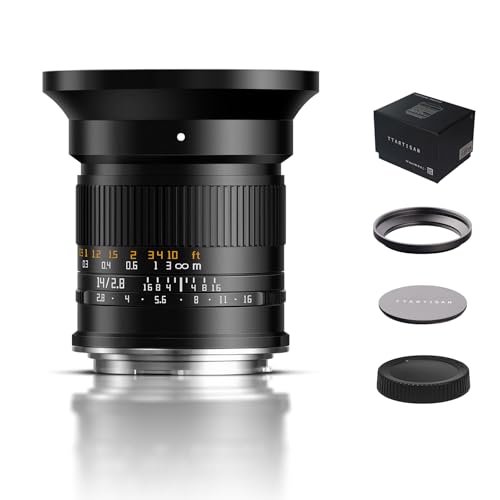
- 14mm ultra-wide 114° view
- f/2.8 aperture with starburst effect
- Manual-focus lens for Canon RF full-frame bodies
Best For: Canon RF astrophotography and nightscape work
Astro-Ready Mirrorless Pick
Nikon Z6 Full Frame Mirrorless Camera Body
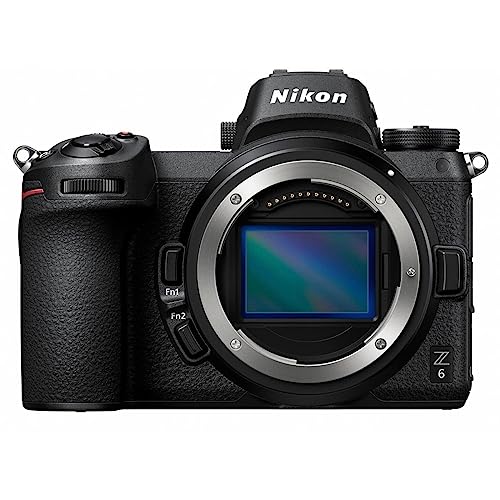
- 24.5MP full-frame BSI sensor
- Bulb mode and 30-second shutter
- Supports Z and many F-mount lenses
Best For: Night sky shooters wanting a capable Nikon mirrorless body
DSLR Low-Light Workhorse

- 30.4MP full-frame CMOS sensor
- ISO expands to 102400
- Bulb mode supports long exposures
Best For: Canon DSLR users who want a proven full-frame body for night shots
Modern Hybrid Choice
Sony Alpha a7 IV Full Frame Mirrorless Kit
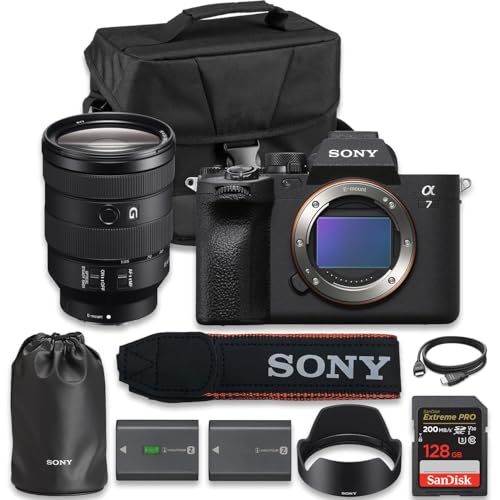
- 33MP full-frame BSI sensor
- Includes 24-105mm f/4 lens and accessories
- 10-bit 4K video and electronic viewfinder
Best For: Hybrid shooters who want one full-frame kit for astro, travel, and video
Lightweight Full-Frame Hybrid Pick – Canon EOS R8
If you want a full frame camera for astrophotography that stays compact without giving up modern autofocus or clean high-ISO performance, the Canon EOS R8 is a strong fit. Its 24.2MP full-frame CMOS sensor, DIGIC X processor, and long-exposure support make it a practical option for night sky shooting, especially when portability matters.
Best For: Astrophotographers who want a light, affordable full-frame mirrorless body with strong low-light performance and easy handling.
Pros:
- 24.2MP full-frame sensor with DIGIC X processing
- Low-noise performance at high ISO speeds and improved dynamic range
- Shutter speeds down to 30 seconds for long exposures
- Lightweight body with EVF and vari-angle touchscreen
Cons:
- Maximum shutter speed is 1/4000 sec, which is less flexible for general action work
- No in-body image stabilization listed in the supplied specs
- Designed more as a compact hybrid than a dedicated astro-focused body
Overall, the R8 is a sensible entry point if you want a modern full-frame mirrorless camera that can handle night skies, travel, and general photography in one body. It stands out most when you value low weight and strong image quality over pro-level extras.
Long-Exposure DSLR Workhorse – Nikon D780 with 24-120mm f/4 Lens
The Nikon D780 is a practical full frame camera for astrophotography if you want a DSLR with proven long-exposure control and strong battery life. Its 24.5MP backside-illuminated FX sensor, 900-second minimum shutter speed, and robust low-light focus options make it well suited to night sky and long-exposure work.
Best For: Shooters who prefer a DSLR body with very long shutter speeds and dependable battery life for night photography sessions.
Pros:
- 24.5MP backside-illuminated full-frame sensor
- Minimum shutter speed down to 900 seconds
- Up to 2,260 shots per charge for long outings
- Tilting touchscreen and dual autofocus systems
Cons:
- Bulkier than the mirrorless bodies in this roundup
- Kit lens included, which may not be the first choice for astrophotography
- Optical viewfinder lacks live preview flexibility in the dark
For photographers who value long-exposure control over compact size, the D780 brings a lot to the table. It is especially appealing if you like DSLR handling and want a body that can stay out for a long night of shooting.
Stabilized Low-Light Performer – Canon EOS R6 Mark II
If you need a full frame camera for astrophotography that also handles handheld shooting and general low-light work, the Canon EOS R6 Mark II is a standout option. It pairs a 24.2MP full-frame sensor with DIGIC X processing, 5-axis IBIS up to 8 stops, and 30-second minimum shutter capability.
Best For: Users who want a full-frame mirrorless body with image stabilization and strong low-light versatility.
Pros:
- 24.2MP full-frame CMOS sensor with DIGIC X
- 5-axis in-body image stabilization up to 8 stops
- 6K oversampled uncropped 4K video up to 60 fps
- Electronic shutter up to 40 fps and dual UHS-II SD slots
Cons:
- More feature-rich than some buyers need for dedicated astro-only use
- Maximum shutter speed is 1/8000 sec, but the supplied details do not list specialized astro controls
- Body-only pricing may push total cost up once you add lenses
In practice, the R6 Mark II is one of the most balanced options here because it combines stabilization, strong autofocus, and full-frame low-light performance. It is a smart pick if your night photography camera also has to be an everyday camera.
Creative Ultra-Wide Specialty Lens – AstrHori 6mm F2.8 Circular Fisheye
For buyers building a full frame camera for astrophotography setup with a dramatic creative lens, the AstrHori 6mm F2.8 circular fisheye brings an extreme 220° field of view. Its bright f/2.8 aperture is specifically noted as useful for low light, night scenes, and astrophotography, though it is a manual-focus lens rather than a camera body.
Best For: Photographers who want a bold circular fisheye look for night skies, landscapes, and creative low-light shots on Sony E-mount full-frame bodies.
Pros:
- 220° field of view for a true circular fisheye effect
- f/2.8 aperture suited to low-light and astrophotography use
- All-metal compact body for travel and outdoor shooting
- Manual focus gives precise creative control
Cons:
- Manual focus only
- Specialty fisheye design is not ideal for standard astro compositions
- Compatible with Sony E-mount bodies, so it is not a universal full-frame option
This lens is best viewed as a creative add-on rather than a general-purpose astro lens. If you specifically want an eye-catching circular frame for the night sky, it delivers a distinctive look that ordinary wide-angle lenses do not.
Budget Full-Frame Travel Body – Canon EOS RP for Astrophotography
If you want a full frame camera for astrophotography without carrying a bulky body, the Canon EOS RP is a compact mirrorless option with a 26.2MP full-frame CMOS sensor and low-light-friendly Dual Pixel CMOS AF. It also supports RAW capture and RF lenses, plus EF/EF-S glass with an adapter, giving you flexibility as you build a night-sky kit.
Best For: Beginners and budget-minded shooters who want a lightweight full-frame body for night sky photos and travel.
Pros:
- 26.2MP full-frame sensor with DIGIC 8 for high image quality
- Lightest, smallest full-frame EOS camera, making it easy to pack for dark-sky trips
- Dual Pixel CMOS AF and low-light performance support general night shooting
- RF mount compatibility plus support for EF/EF-S lenses with an adapter
Cons:
- Body-only listing, so you still need a compatible lens for astrophotography
- Top shutter speed is 1/4000 seconds
- Single memory card slot
The EOS RP is appealing if portability matters more than pro-grade speed or dual-card redundancy. For a full frame camera for astrophotography on a tighter budget, it gives you the sensor size and lens flexibility to get started without much weight.
Balanced Hybrid Pick – Sony A7 III for Astrophotography
The Sony Alpha A7 III is a strong full frame camera for astrophotography if you want a well-rounded body with a 24.2MP back-illuminated sensor, high ISO range, and 14-bit uncompressed RAW support. Its 5-axis in-body stabilization, dual card slots, and 693-point AF system make it a capable all-around camera for night landscapes and general shooting.
Best For: Shooters who want a versatile full-frame body with strong low-light specs and dependable everyday performance.
Pros:
- 24.2MP back-illuminated full-frame sensor with 15-stop dynamic range
- ISO range extends up to 204,800 for low-light flexibility
- 5-axis IBIS and 14-bit uncompressed RAW support
- Dual memory card slots and 10fps shooting add useful practicality
Cons:
- This bundle includes a 28-70mm kit lens, which is not an ultra-wide astrophotography lens
- Lens aperture tops out at f/3.5-5.6 on the included zoom
- Heavier kit than a body-only setup
If you want one camera that can handle astrophotography and a wide range of other jobs, the A7 III is a very safe choice. The body’s sensor, RAW pipeline, and low-light range are the main reasons it stands out in this roundup.
Ultra-Wide Manual Lens Choice – TTARTISAN 14mm f/2.8 for RF
For anyone building a full frame camera for astrophotography setup, an ultra-wide lens matters just as much as the body, and the TTARTISAN 14mm f/2.8 is designed for exactly that kind of night work. Its 114b0 field of view, f/2.8 aperture, and starburst effect make it a practical manual-focus option for star fields, landscapes, and city nights on Canon RF full-frame cameras.
Best For: Canon RF users who want a fast ultra-wide manual lens for Milky Way and nightscape shots.
Pros:
- 14mm focal length with a 114b0 ultra-wide field of view
- f/2.8 aperture and 8-point starburst effect for low-light scenes
- Dual aspherical optical design with 13 elements in 10 groups
- All-metal construction and a 77mm filter holder
Cons:
- Manual focus only, so there is no autofocus assist
- No image stabilization
- Made for Canon RF mount cameras only
This lens is the most specialized option here, but that also makes it the most directly useful for wide night skies. If your goal is astrophotography on Canon RF full-frame bodies, the TTARTISAN gives you the angle of view and aperture you want without unnecessary extras.
Astro-Ready Mirrorless Pick – Nikon Z6 Full Frame Mirrorless Camera Body
If you want a full frame camera for astrophotography that balances low-light capability with a modern mirrorless body, the Nikon Z6 is a strong contender. Its 24.5MP backside-illuminated FX sensor, native ISO range starting at 51, and 30-second shutter with Bulb mode make it a practical choice for night sky shooting and long exposures.
Best For: Photographers who want a full-frame mirrorless body with strong low-light tools for stars, Milky Way shots, and general night work.
Pros:
- 24.5MP full-frame BSI sensor for detailed low-light captures
- Bulb mode and 30-second minimum shutter support long exposures
- 273-point phase-detect autofocus system for flexible general shooting
- Compact Z mount body with support for NIKKOR Z and many F-mount lenses
Cons:
- No in-body image stabilization listed
- Lens is not included
- Lower resolution than some newer full-frame options
Overall, the Z6 is a capable, straightforward body for night photographers who value full-frame performance and Nikon lens compatibility. It is especially appealing if you want a mirrorless platform that can handle astrophotography without overcomplicating the setup.
DSLR Low-Light Workhorse – Canon EOS 5D Mark IV Body
The Canon EOS 5D Mark IV remains a solid full frame camera for astrophotography if you prefer a DSLR body with proven controls and a high-resolution sensor. Its 30.4MP full-frame CMOS sensor, ISO range up to 102400 expanded, and Bulb mode give you the basics needed for capturing stars and other long-exposure scenes.
Best For: DSLR shooters who want a familiar Canon body for low-light stills, long exposures, and mixed photo/video use.
Pros:
- 30.4MP full-frame CMOS sensor for detailed images
- Expandable ISO up to 102400 for low-light flexibility
- Bulb mode and 30-second maximum shutter for long exposures
- Dual Pixel CMOS AF and touchscreen control for easy general operation
Cons:
- DSLR design is bulkier than mirrorless alternatives
- Optical viewfinder may feel less flexible for some users
- Lens is not included
For photographers who want a dependable full-frame DSLR rather than a newer mirrorless system, the 5D Mark IV still offers a strong blend of image quality and practical controls. It is best viewed as a versatile workhorse that can also handle astrophotography well.
Modern Hybrid Choice – Sony Alpha a7 IV Full Frame Mirrorless Kit
If you’re shopping for a full frame camera for astrophotography but also want a strong all-around hybrid kit, the Sony Alpha a7 IV is worth a close look. It uses a 33MP full-frame back-illuminated sensor, an ISO minimum of 50, and an electronic viewfinder, while the bundled 24-105mm f/4 lens gives you a ready-to-shoot package for more than just night skies.
Best For: Buyers who want a full-frame mirrorless kit that can handle astrophotography plus everyday photography and video.
Pros:
- 33MP full-frame BSI sensor for high-detail images
- Electronic viewfinder and mirrorless body for modern handling
- Includes 24-105mm f/4 G OSS lens, memory card, and camera case
- Strong video features and 10-bit recording for hybrid use
Cons:
- Max lens aperture is f/4, which is less ideal for very dark skies than faster primes
- Kit zoom is more versatile than specialized for astrophotography
- Body and kit are more of a do-everything setup than a dedicated astro build
The a7 IV stands out if you want one camera that can do astrophotography, travel, and video without changing systems. The included lens bundle makes it convenient, though serious night shooters may eventually want a faster lens for the darkest conditions.
How We Picked the Best Full Frame Camera for Astrophotography
We focused on cameras that give night shooters the best blend of low-noise image quality, manual control, long-exposure flexibility, and dependable ergonomics. For a Full Frame Camera for Astrophotography, sensor performance and usability often matter more than headline burst speed or video features.
Quick Comparison
In general, mirrorless models offer more modern focusing aids, quieter operation, and better live-view support for star work. DSLRs can still be excellent if you prefer an optical viewfinder, longer battery life, or a familiar body style. Some picks favor portability for travel, while others are better suited to tripod-based landscape and deep-sky-style shooting.
Key Buying Factors for a Full Frame Camera for Astrophotography
High-ISO Noise and Dynamic Range
Look for a sensor that stays clean at ISO settings commonly used for night skies. Good shadow recovery also helps when you lift dark foregrounds without introducing banding or blotchiness.
Focus and Live View Tools
Focusing on stars is easier when the camera offers bright live view, magnification, and reliable manual focus feedback. Good autofocus is useful for daytime use too, but for astrophotography, precise manual focus support is essential.
Thermal Handling and Long Exposures
Long exposures can warm the sensor and increase noise. A body with solid heat management and dependable long-exposure behavior is especially helpful for stacked night-sky sessions.
Controls, Battery Life, and Usability
Simple access to ISO, shutter speed, and focus aids saves time in the field. Strong battery life matters for remote locations, though spare batteries are still a smart buy for any night-shooting setup.
Lens and Mount Ecosystem
The best body is only part of the equation. Fast wide-angle lenses, native mount options, and access to manual-focus night-sky glass can make a major difference in image quality.
Who Should Buy Which Full Frame Camera for Astrophotography?
If you want a lightweight travel setup, prioritize compact mirrorless bodies with excellent high-ISO output. If you prefer a proven DSLR workflow, a full frame DSLR camera can still be a practical choice for tripod-based night photography. If you plan to shoot both skies and daytime subjects, pick a body with strong autofocus, good stabilization support, and enough resolution for cropping. And if your main goal is pure night-sky work, place the most weight on sensor cleanliness, manual focus ease, and lens compatibility rather than video extras.