
Choosing the right camera for Milky Way photography depends on your budget, experience level, and how much setup you want to manage.
Some buyers want a simple DSLR bundle for wide-field night sky shots, while others need a cooled astronomy camera for cleaner long exposures and deeper detail.
Best 10 Camera for Milky Way Photography Picks for 2026
Smart Pick
ZWO Seestar S30 Pro Smart Telescope for Milky Way Photography
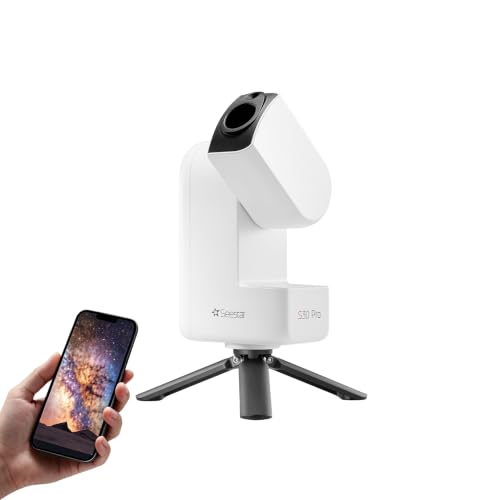
- App-controlled with automatic GOTO tracking
- 4K dual-camera system for wide and detailed sky views
- One-tap Milky Way mode with 8K stitching
Best For: Beginners who want automated Milky Way imaging
Filter Choice
NiSi 72mm Natural Night Filter for Milky Way Photography
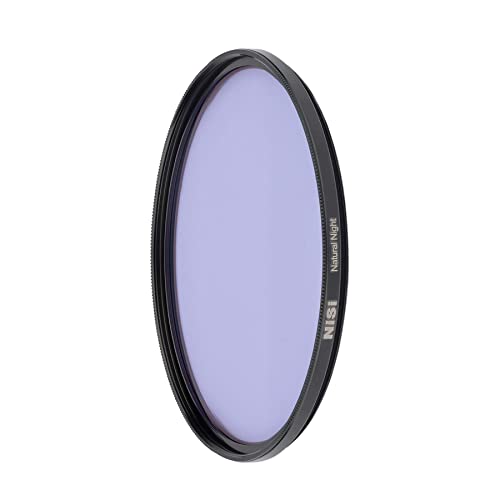
- Reduces common yellow/orange light pollution
- 72mm optical glass with brass frame
- Nano coating resists water and scratches
Best For: 72mm lens users shooting in light-polluted skies
Astro Camera
ZWO ASI533MM-Pro Monochrome Astronomy Camera

- Cooled monochrome sensor for low-noise imaging
- 9MP square sensor for telescope astrophotography
- USB3.0 transfer with 256MB buffer
Best For: Advanced users with a telescope and equatorial mount
DSLR Kit
Canon EOS Rebel T8i DSLR for Milky Way Photography

- 24.1MP APS-C DSLR with manual controls
- 30-second shutter supports long exposures
- Bundle includes lenses, tripod, cards, and accessories
Best For: Beginners who want one versatile DSLR for astro and everyday use
Monochrome Deep-Sky Precision
ZWO ASI294MM 11.7MP Astronomy Camera
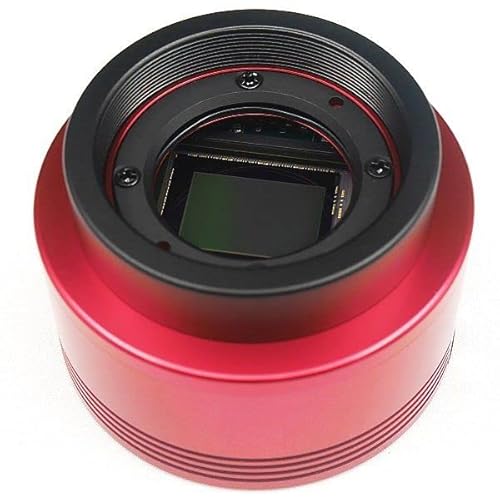
- 11.7MP monochrome sensor for astro detail
- USB3.0 transfer with DDR3 buffer
- Built for telescope-based imaging with filters
Best For: Telescope-based Milky Way and deep-sky shooters
Starter DSLR Bundle

- 24.1MP APS-C DSLR body included
- Bundle adds tripod, card, backpack, and lenses
- Built-in Wi-Fi and NFC
Best For: Beginners who want a full DSLR kit for night-sky testing
Wide-Field Astro Bundle

- 9MP cooled IMX533 color astro camera
- Matched 54mm Petzval APO refractor
- Built for flat-field wide-field imaging
Best For: Wide-field Milky Way and deep-sky shooters who want a matched astro bundle
Versatile DSLR Bundle
Canon EOS 90D with Dual Lenses and Pro Kit

- 32.5MP APS-C sensor with RAW support
- ISO 100-25600 and up to 10 fps shooting
- Includes extra battery, cards, and accessory kit
Best For: Hobbyists who want an adaptable DSLR bundle for night skies and everyday use
Deep-Sky Imaging Kit
SVBONY SC571CC Camera with OAG and Power Hub
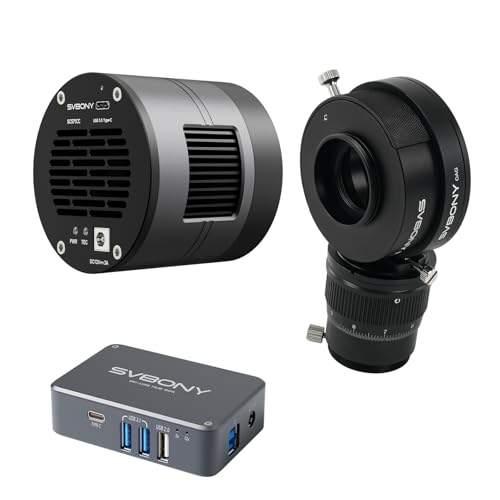
- 26MP IMX571 APS-C cooled telescope camera
- Includes OAG, filter drawer, and power hub
- Front-window heater helps fight dew and moisture
Best For: Astrophotographers building a guided deep-sky imaging setup
Wide-Field Astro Kit
SVBONY SC571CC with APO Lens and Filter

- 26MP IMX571 APS-C cooled camera
- 105mm F2.8 APO lens for wide-field astro
- SV260 filter helps with light pollution
Best For: Wide-field astrophotographers shooting in suburban or light-polluted skies
Smart Pick – ZWO Seestar S30 Pro Smart Telescope for Milky Way Photography
If you want a camera for Milky Way photography that keeps setup simple, the ZWO Seestar S30 Pro is built around one-tap capture and automatic tracking. Its 4K dual-camera system, wide-field imaging, and built-in mosaic stitching make it especially useful for shooting expansive Milky Way scenes without needing a complicated rig.
Best For: Beginners and travelers who want app-controlled Milky Way imaging with minimal setup.
Pros:
- App-controlled operation with automatic GOTO targeting and tracking
- 4K dual-camera design with dedicated wide-angle and telephoto imaging
- One-tap Milky Way and star-trail modes with 8K mosaic stitching
- Built-in AI noise reduction and sky/foreground separation
Cons:
- More specialized than a standard DSLR or mirrorless camera
- Designed around smartphone/tablet control rather than manual camera handling
- Works best when you want automated astrophotography over hands-on control
Overall, the Seestar S30 Pro is a strong pick if your priority is easy Milky Way imaging with smart automation. It blends telescope optics with camera-style convenience, making it a practical choice for newcomers who still want detailed night-sky results.
Filter Choice – NiSi 72mm Natural Night Filter for Milky Way Photography
For a camera for Milky Way photography, a light-pollution filter can make a noticeable difference, and the NiSi 72mm Natural Night is designed specifically for nighttime and astro work. It blocks common yellow and orange wavelengths from artificial lighting while keeping the filter slim and optically clear for clean night-sky shooting.
Best For: Photographers using 72mm lenses who want to reduce light pollution in Milky Way shots.
Pros:
- Targets common light-pollution wavelengths from yellow/orange sources
- Ultra-high-definition optical glass with a durable brass frame
- Nano coating is waterproof, scratch resistant, and easy to clean
- Ultra-slim design suited to nighttime and astro photography
Cons:
- Only fits lenses and adapters with a 72mm filter thread
- It is a filter, not a full camera solution
- Benefits are most relevant in light-polluted conditions
If your main challenge is city glow or suburban skyglow, this filter is a straightforward way to improve Milky Way contrast. It is best thought of as a useful accessory for a compatible setup rather than a standalone imaging tool.
Astro Camera – ZWO ASI533MM-Pro Monochrome Astronomy Camera
ZWO ASI533MM-Pro 9 Megapixel USB3.0 Monochrome Astronomy Camera for Astrophotography
Check Price On AmazonThe ZWO ASI533MM-Pro is a dedicated astronomy camera for serious camera for Milky Way photography and deep-sky work through a telescope. Its cooled monochrome sensor, square 9MP resolution, and USB3.0 workflow are aimed at low-noise imaging, making it a better fit for advanced astrophotography than casual daytime use.
Best For: Experienced astrophotographers building a cooled telescope-based imaging setup.
Pros:
- Cooled monochrome sensor helps reduce noise for faint targets
- 9MP square sensor with 3008 x 3008 resolution
- USB3.0 transfer and 256MB buffer support stable capture
- Compatible with telescopes on motorized equatorial mounts
Cons:
- Requires a telescope-based setup rather than standalone use
- Needs a separate 12V power supply and compatible mount
- Monochrome imaging typically relies on filters and processing
This camera is a serious tool for users who already understand astrophotography workflows. If you want the control and image quality of a cooled dedicated astro camera, it offers the right features for deep-sky and telescope-mounted Milky Way sessions.
DSLR Kit – Canon EOS Rebel T8i DSLR for Milky Way Photography
If you want a flexible camera for Milky Way photography that can also handle everyday shooting, the Canon EOS Rebel T8i bundle gives you a familiar DSLR body with a strong feature set. The kit includes zoom lenses and accessories, while the camera itself adds a 24.1MP APS-C sensor, manual exposure support, and a 30-second maximum shutter speed for night-sky work.
Best For: Beginners and hobbyists who want a versatile DSLR kit for learning astrophotography.
Pros:
- 24.1MP APS-C sensor with manual control for night photography
- 30-second maximum shutter speed supports longer exposures
- Includes multiple lenses, tripod, cards, and other accessories
- Dual Pixel CMOS AF and vari-angle touchscreen add everyday versatility
Cons:
- Not a dedicated astro camera, so it lacks specialized astronomy features
- Included bundle is broad, which may be more than some buyers need
- Best results for Milky Way shots still depend on lens choice and technique
The T8i is a practical all-around option if you want one camera that can do Milky Way shots and general photography. It is less specialized than the dedicated astro options here, but that also makes it a more approachable starting point for many buyers.
Monochrome Deep-Sky Precision – ZWO ASI294MM 11.7MP Astronomy Camera
ZWO ASI294MM 11.7 Megapixel USB3.0 Monochrome Astronomy Camera for Astrophotography
Check Price On AmazonIf you’re shopping for a camera for Milky Way photography and already use a telescope setup, the ZWO ASI294MM is built more for high-detail astro work than casual daytime shooting. Its 11.7MP monochrome sensor, USB3.0 transfer, and compact body are aimed at capturing fine detail in deep-sky targets, with filter-based color imaging possible through standard processing.
Best For: Telescope-based Milky Way and deep-sky shooters who want a monochrome astro camera with fast transfer and strong detail capture.
Pros:
- 11.7MP micro-4/3 monochrome sensor for detailed astronomical imaging
- USB3.0 with up to 16 fps at full resolution and a 256MB DDR3 buffer
- Includes a USB2.0 hub for powering accessories like an autoguiding camera or focuser
- Compact CNC aluminum body with 1.25″ and 2″ telescope compatibility
Cons:
- Designed for telescope use, so it is not a general-purpose consumer camera
- Color imaging depends on filters and post-processing, which are not included
- Solar imaging requires a safe solar filter, which is also not included
For dedicated astrophotography, this is a specialized tool that prioritizes sensor performance and stable data handling over convenience. If your goal is serious Milky Way and deep-sky imaging through a telescope, it offers the right kind of hardware focus.
Starter DSLR Bundle – Canon Rebel T7 34PC Kit
If you want a camera for Milky Way photography with a more conventional DSLR setup, this Canon EOS Rebel T7 bundle gives you a 24.1MP APS-C body plus a wide mix of included accessories. The kit adds a 420-800mm manual telephoto lens, 18-55mm kit lens, tripod, memory card, and filters, so you have a lot of gear ready to test different shooting styles.
Best For: Beginners who want a bundled DSLR package for trying night-sky and Milky Way photography with extra accessories included.
Pros:
- 24.1MP APS-C CMOS sensor with DIGIC 4+ processor
- Includes both an 18-55mm lens and a 420-800mm super zoom lens
- Bundle adds tripod, 64GB card, filters, backpack, and other extras
- Built-in Wi-Fi and NFC for easier file sharing
Cons:
- 420-800mm lens is manual, so it is less beginner-friendly for fast setup
- Maximum burst rate is only 3 fps
- This is a large bundle, which may include more accessories than some buyers need
This bundle is appealing if you want an all-in-one starting point rather than buying each component separately. For Milky Way photography, the value is in the included DSLR body plus the extras that help you get set up quickly.
Wide-Field Astro Bundle – SVBONY SV605CC with SV555 APO
For a camera for Milky Way photography that leans toward wide-field astrophotography, this SVBONY bundle combines the SV605CC cooled astro camera with an SV555 54mm Petzval APO refractor. The setup is aimed at clean, flat-field imaging, and the camera’s IMX533 color sensor and high quantum efficiency are positioned for efficient deep-sky capture.
Best For: Shooters who want a cooled color astro camera and matched refractor for wide-field Milky Way and deep-sky imaging.
Pros:
- SV605CC uses a 9MP IMX533 color sensor with 3008×3008 resolution
- Cooled deep-sky camera design is suited to astrophotography and lucky imaging
- SV555 APO refractor is built for flat-field performance with reduced coma and chromatic aberration
- Full-frame compatibility and upgraded fine-focus travel support broad framing
Cons:
- Designed for astrophotography, not everyday photography
- Manual focus requires careful setup and framing
- Bundle is more specialized than a standard camera-and-lens kit
This is the most purpose-built option in the group for wide-field night-sky work. If your priority is clean astrophotography results rather than general camera versatility, the matched camera-and-telescope bundle makes a strong case.
Versatile DSLR Bundle – Canon EOS 90D with Dual Lenses and Pro Kit
If you’re shopping for a camera for Milky Way photography and want one body that can also handle general shooting, this EOS 90D bundle gives you a lot to work with. The 32.5MP APS-C sensor, RAW support, and 30-second shutter speed make it capable for night work, while the included accessories add flexibility for testing wider framing and longer reach.
Best For: Beginners or hobbyists who want a feature-rich DSLR bundle for night skies plus everyday photography.
Pros:
- 32.5MP APS-C sensor with RAW capture for detailed images.
- ISO range up to 25600, plus up to 10 fps shooting.
- Includes extra battery, 128GB memory, and a wide accessory kit.
- Vari-angle touchscreen and built-in Wi-Fi/Bluetooth add convenience.
Cons:
- Bundle includes many items that may be more than a minimalist astrophotography setup needs.
- The supplied 18-55mm lens is not a dedicated astro lens.
- The included 420-800mm lens is better suited to long-distance subjects than wide Milky Way scenes.
As a practical all-in-one package, this is more of a flexible DSLR starter bundle than a specialized astro camera. It can work for Milky Way photography, but the real appeal is how much extra gear comes in the box for experimenting beyond night skies.
Deep-Sky Imaging Kit – SVBONY SC571CC Camera with OAG and Power Hub
For a camera for Milky Way photography with a more specialized astro focus, this SVBONY kit is built around a cooled APS-C telescope camera and support accessories. The 26MP IMX571 sensor, front-window heater, off-axis guider, filter drawer, and power hub are aimed at cleaner, more stable deep-sky capture.
Best For: Astrophotographers who want an integrated deep-sky camera kit with guiding and power management.
Pros:
- IMX571 APS-C BSI sensor with 26MP resolution for detailed imaging.
- Front-window heater helps reduce dew and moisture during sessions.
- Includes off-axis guider, filter drawer, and power hub in one kit.
- Large prism OAG design is meant to improve guide-star acquisition.
Cons:
- Designed for telescope-based astrophotography, not standard daytime photography.
- Requires compatible astrophotography gear to use as intended.
- Its accessory-heavy setup is more complex than a simple camera body.
This is a strong fit if you want a dedicated imaging rig rather than a general-purpose camera. The bundled accessories make it especially attractive for users building a more serious deep-sky workflow.
Wide-Field Astro Kit – SVBONY SC571CC with APO Lens and Filter
If your goal is a camera for Milky Way photography and wide-field deep-sky scenes, this SVBONY kit is built around a cooled APS-C camera, a 105mm F2.8 APO lens, and a multi-bandpass filter. It is positioned as an all-in-one package for capturing nebulae and galaxies, especially when light pollution is a problem.
Best For: Backyard and balcony astrophotographers who want a wide-field deep-sky kit for cleaner images in light-polluted areas.
Pros:
- 26MP IMX571 BSI APS-C camera with 16-bit ADC and high QE.
- 105mm F2.8 APO lens is designed for wide-field deep-sky work.
- SV260 multi-bandpass filter helps isolate light pollution.
- Lightweight 482g lens keeps the overall kit easier to manage.
Cons:
- Made for telescope/astro use, not general-purpose photography.
- Manual and program shooting modes may feel limiting to some users.
- Best results depend on compatible astro gear and careful setup.
This kit makes sense if you want a purpose-built route into wide-field astrophotography. The included lens and filter give it a clear advantage for shooting the Milky Way and other faint targets from less-than-perfect skies.
How We Picked the Best Camera for Milky Way Photography
We focused on real-world factors that matter for night sky imaging: low-noise performance, sensor size, ease of use, tracking support, and how well each option fits beginner, intermediate, or advanced workflows. We also considered whether a product is a true Camera for Milky Way Photography or part of a broader imaging setup that can still serve that purpose effectively.
Quick Comparison
For the simplest start, DSLR bundles are the most approachable and usually the best value. Smart telescopes reduce setup time and are ideal if you want guided capture. Cooled monochrome astronomy cameras offer the highest control and image quality potential, but they require more accessories and a stronger learning curve. Night sky filters can also make a noticeable difference by reducing light pollution and improving contrast.
Key Buying Factors for Camera for Milky Way Photography
Sensor Size and Noise
Larger sensors generally give you wider framing and better low-light performance, which helps when photographing the Milky Way. Noise control matters just as much, especially during long exposures. Cooled cameras are excellent here, while DSLR sensors are more convenient and versatile.
Lens and Focal Length
A wide-angle lens is usually the most practical choice for Milky Way landscapes because it captures more sky and reduces star trailing. Longer focal lengths can reveal more detail in the core and structures, but they demand more precise tracking and steadier mounts.
Tracking, Software, and Workflow
If you want easier results, look for auto-tracking, GoTo control, or app-based capture. If you prefer hands-on processing, a dedicated astronomy camera paired with guiding accessories offers more flexibility. This is especially important if your goal is to move beyond simple snapshots and into deeper astro imaging.
Portability and Setup Time
A portable Camera for Milky Way Photography is ideal for travel, dark-sky trips, and quick sessions when weather changes fast. Heavier rigs can deliver better results, but only if you are willing to spend more time assembling, aligning, and calibrating them.
Light Pollution Control
If you shoot near cities, a good night filter can help preserve contrast and improve color balance. It will not replace dark skies, but it can make a meaningful difference when combined with careful exposure and white-balance choices.
Who Should Buy Which Camera for Milky Way Photography?
Beginners who want the fastest path to good results should lean toward DSLR kits or smart telescope systems. Enthusiasts who plan to upgrade over time will benefit from cooled astronomy cameras and modular accessories. If you already know you want the cleanest files and the most post-processing control, a dedicated mono or cooled CMOS setup is usually the strongest long-term choice.
In short, the best Camera for Milky Way Photography is the one that matches your shooting style, your tolerance for setup, and how much editing you want to do after the session.