
Choosing an astrophotography mount with autoguiding can make or break your deep-sky results. The right mount improves tracking accuracy, reduces star trailing, and gives your camera and guide system a better chance to perform consistently.
Below, we focus on mounts and supporting gear that help you build a reliable guided imaging setup, from portable trackers to more capable equatorial systems.
Best 10 Astrophotography Mount with Autoguiding Picks for 2026
Equatorial Upgrade Pick
Celestron Advanced VX Computerized Mount

- 30 lb load capacity with stable stainless steel tripod legs
- Sidereal, solar, lunar, EQ North, and EQ South tracking
- All-Star Polar Alignment, PPEC, and dual saddle plate
Best For: Portable equatorial tracking with room for heavier telescope setups
Guide Scope Value
Astromania 70mm FMC Guide Scope
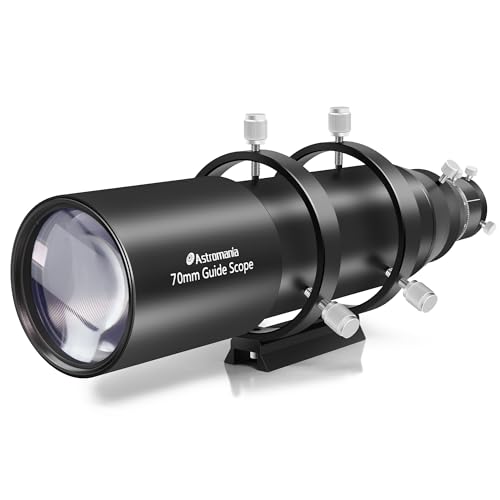
- 400mm wide-field optics help keep guide stars visible
- Double helical focuser with brass compression ring
- Compatible with 1.25-inch eyepieces and autoguiding cameras
Best For: Compact guide-scope setups for astrophotography and finder use
Wedge Conversion Pick
Celestron NexStar Evolution/SE Equatorial Wedge

- Enables long-exposure astrophotography and autoguiding
- Tool-less setup with captive hardware
- Latitude scale and bubble level for alignment
Best For: Owners of compatible NexStar SE or Evolution mounts
Smart Tracking Pick
iEXOS-100-2 PMC-Eight Equatorial Tracker

- PMC-Eight system with eight independent CPUs
- ExploreStars app for Apple, Android, and Windows tablets
- Clutched dual-axis worm gears and belt-drive stepper motors
Best For: Tablet-controlled astrophotography tracking with precise equatorial motion
Guide Camera Pick

- 1.23MP CMOS sensor for guiding or planetary imaging
- ST4 interface and USB 2.0 for autoguiding workflows
- High QE and low read noise help spot faint guide stars
Best For: guiders who want a compact camera for compatible autoguiding setups
Mount Choice
Star Tracking Equatorial Mount
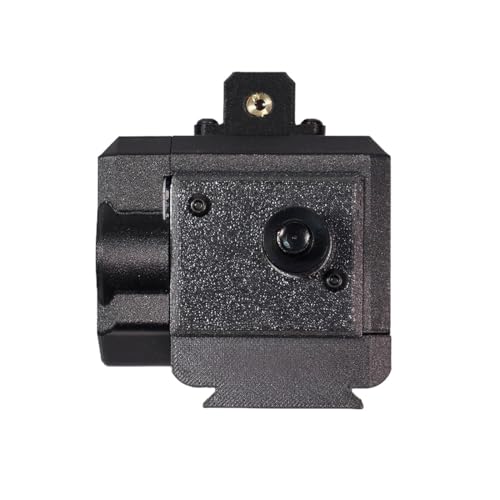
- Dual-screw steel shaft helps prevent loosening
- ESP32 control runs from 5V mobile power
- Built-in star pointer supports low-temp alignment
Best For: mobile shooters using a very light deep-sky or time-lapse rig
Guide Scope Option
Astromania 60mm Compact Guide Scope Kit

- 60mm fully multi-coated guide scope with 240mm focal length
- Helical focuser supports precise focusing and less rotation
- Bracket and mounting plate simplify installation
Best For: astronomers building a dedicated guide-scope autoguiding setup
Compact Star Tracker
Deep-Sky Mount for Light Imaging
- Supports up to 4kg axial weight without counterweights.
- Bright star pointer helps alignment in cold conditions.
- Low-voltage 5V control and lightweight reinforced body.
Best For: Portable deep-sky imaging and time-lapse with light gear
Guidescope Kit
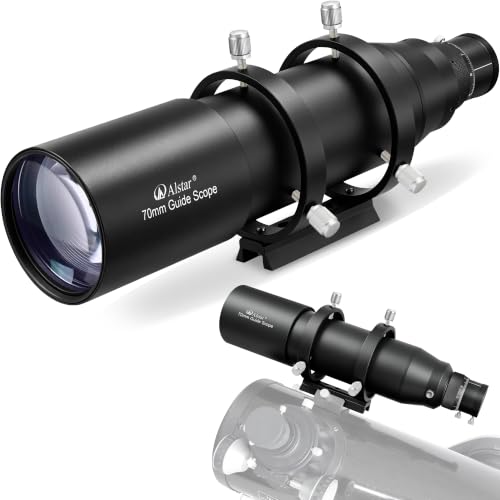
- 70mm aperture and 400mm focal length for bright guide-star views.
- Compatible with 1.25 inch eyepieces and autoguiders.
- Dual helical focuser and secure all-metal mounting hardware.
Best For: DSLR and telescope users needing a compact guide scope
Latitude Base

- Provides exact 90-degree adjustment for field alignment.
- Fits most tripods with a standard 3/8 inch thread base.
- Lightweight aluminum build works with trackers, cameras, and telescopes.
Best For: Portable tripod-based tracking and nightscape setups
Equatorial Upgrade Pick – Celestron Advanced VX Computerized Mount
If you want an astrophotography mount with autoguiding-friendly features that can also handle a wider range of telescopes, the Celestron Advanced VX is a strong all-around choice. Its German equatorial design, 30 lb capacity, and advanced tracking modes make it practical for long sessions, while the dual saddle and computerized control add flexibility for different setups.
Best For: Observers who want a portable equatorial mount with computerized tracking and room to grow.
Pros:
- Supports up to 30 lbs, giving you solid headroom for many telescope and accessory combinations.
- Offers sidereal, solar, and lunar tracking rates plus EQ North and EQ South modes.
- Includes All-Star Polar Alignment, PPEC, dual saddle plate, and Celestron PWI software support.
- Stainless steel tripod legs help reduce vibration and improve stability.
Cons:
- At 47 lbs total kit weight, it is still portable but not ultra-light.
- Some users may prefer a dedicated imaging mount with more advanced autoguiding-focused electronics.
- Manual focus and external DC power mean it is more of a mount system than an all-in-one imaging solution.
This is a sensible pick if you want a capable equatorial platform that balances stability, alignment tools, and broad tracking support. It is especially appealing when you need one mount for both visual use and entry-to-mid-level astrophotography.
Guide Scope Value – Astromania 70mm FMC Guide Scope
For an astrophotography mount with autoguiding support, a reliable guide scope matters just as much as the mount itself. This Astromania 70mm FMC guide scope is built to help you find guide stars quickly with its bright 400mm focal length, while the helical focuser and secure mounting hardware make it easy to integrate into a guiding setup.
Best For: Imaging rigs that need a compact guide scope and finder scope in one.
Pros:
- 400mm focal length and wide-field optics help keep guide stars in view.
- Double helical focuser offers fine adjustment with a brass compression ring and thumbscrews.
- Works with 1.25-inch eyepieces and autoguiding cameras.
- Includes guide scope bracket, clamps, and a Synta-style mounting plate for easy installation.
Cons:
- This is a guide scope, not a full mount or tracker on its own.
- At 2.5 lbs, it still adds some weight to an imaging rig.
- The altazimuth-style listing reflects its finder use, so it is best treated as an accessory rather than the core support system.
As a guiding accessory, it is practical and straightforward rather than overly complex. It suits imagers who want a compact, multi-use guide scope that can also double as a finder scope.
Wedge Conversion Pick – Celestron NexStar Evolution/SE Equatorial Wedge
If you’re building an astrophotography mount with autoguiding from a compatible Alt-Az telescope, this Celestron wedge is the part that makes equatorial tracking possible. By tilting NexStar 6/8SE and Evolution mounts into an equatorial platform, it enables long-exposure astrophotography and autoguiding without replacing the whole telescope system.
Best For: NexStar Evolution and SE owners who want to add equatorial tracking for imaging.
Pros:
- Enables long-exposure astrophotography and autoguiding on supported Alt-Az telescopes.
- Tool-less operation with captive hardware makes setup simpler.
- Latitude adjustment screw and integrated bubble level help with alignment.
- Portable, sturdy design is easier to manage than many bulkier wedge systems.
Cons:
- Only works with Celestron NexStar 6/8SE and Evolution-compatible setups.
- It converts a telescope mount rather than serving as a standalone equatorial mount.
- Not useful unless you already own a supported Alt-Az computerized telescope.
This is a smart accessory if you already have the right Celestron system and want to unlock imaging potential. It is a targeted solution, not a general-purpose mount, but it does exactly what it is designed to do.
Smart Tracking Pick – iEXOS-100-2 PMC-Eight Equatorial Tracker
For buyers focused on an astrophotography mount with autoguiding-ready control, the iEXOS-100-2 stands out for its PMC-Eight system and responsive dual-axis design. It combines clutched worm gears, precise altitude control, and app-based operation, making it a modern option for imagers who want easier alignment and smoother control from a tablet.
Best For: Astrophotographers who want app-based control and precise equatorial tracking.
Pros:
- PMC-Eight system uses eight independent CPUs for responsive operation and timing accuracy.
- Clutched dual-axis worm gears and belt-drive stepper motors support precise movement.
- ExploreStars app works with Apple, Android, and Windows tablets for GOTO control.
- Polar alignment sight hole and altitude control simplify alignment without a polar scope.
Cons:
- Tablet-based control may not suit users who prefer a traditional hand controller.
- Compatible devices are listed as tablet-oriented, so it is more app-centric than some mounts.
- It is a tracker system, so it is best matched to imaging setups that fit its intended mount class.
This is a compelling choice for users who value fast responsiveness and modern control features. It is especially attractive if you want a mount system designed around precise tracking and a streamlined app workflow.
Guide Camera Pick – SVBONY SV905C Guide Camera
If you’re building an astrophotography mount with autoguiding, the SVBONY SV905C is the kind of guide camera that focuses on the guiding job itself. Its 1.23MP 1/3″ CMOS sensor, 3.75-micron pixels, and high peak QE are aimed at picking up faint guide stars, while the ST4 port and software compatibility make it a practical add-on for common guiding workflows.
Best For: imagers who need a compact guide camera for autoguiding with a compatible software stack.
Pros:
- 1.23MP color CMOS sensor with 1280×960 resolution for guiding or planetary imaging
- High peak QE of 80% and low read noise help with faint guide-star acquisition
- USB 2.0 plus ST4 guide interface supports autoguiding setups
- Works with PHD2, NINA, SKY-X, and other guide software listed in the notes
Cons:
- Not compatible with ASI Air
- Requires downloading the latest driver software
- As a camera-only product, it does not replace the mount or guide scope
For users who already have a mount and want a straightforward guiding camera, the SV905C is positioned as a compact, sensitive option. Its value is in compatibility and guide-star detection rather than extra features.
Mount Choice – Star Tracking Equatorial Mount
For an astrophotography mount with autoguiding-style tracking support, this star tracking equatorial mount is built around simplicity and portability. The dual-screw steel shaft, ESP32 dual-core control, and 5V mobile power support make it a lightweight option for deep-sky sessions and time-lapse work, especially when you want a compact platform that is easy to power in the field.
Best For: mobile astrophotographers who want a lightweight tracking mount for deep-sky or time-lapse use.
Pros:
- Dual-screw steel shaft is designed to resist loosening under reverse load
- ESP32 dual-core control runs from 5V mobile power sources
- Built-in star pointer stays bright down to -10°C for night alignment
- Standard 3/8-inch threaded output fits a wide range of tripods
Cons:
- Maximum weight recommendation is only 500 grams
- It is a tracking mount, not a full-featured telescope mount package
- Autoguiding-specific electronics or ports are not listed in the notes
This is best viewed as a compact tracking solution for light imaging rigs rather than a heavy-duty platform. If your setup stays well within the weight limit, the portability and simple power requirements are the main advantages.
Guide Scope Option – Astromania 60mm Compact Guide Scope Kit
If you’re putting together an astrophotography mount with autoguiding, a guide scope like the Astromania 60mm kit is the optical side of the system. Its 240mm focal length, fully multi-coated optics, and helical focuser are aimed at making guide-star acquisition and fine focus adjustment easier on telescope setups up to 1500mm focal length.
Best For: users who want a compact guide scope with a precise focuser for autoguiding setups.
Pros:
- 60mm fully multi-coated optics with a 240mm focal length
- Helical focuser helps prevent camera and eyepiece rotation during focus
- Designed for astrophotography telescopes up to 1500mm focal length
- Includes dovetail guide-scope bracket and Synta-style mounting plate for easier installation
Cons:
- Manual focus only
- Guide camera is not included
- At 32.6 ounces, it adds noticeable weight to a setup
The Astromania kit makes sense when you want a dedicated guiding optic with a solid mountable package. It is less about convenience extras and more about giving autoguiding cameras a stable, adjustable guide platform.
Compact Star Tracker – Deep-Sky Mount for Light Imaging
If you want an astrophotography mount with autoguiding-friendly stability for deep-sky sessions, this compact equatorial tracker is built around simple field use rather than heavy setups. It supports up to 4kg axial weight without counterweights, uses a bright star pointer for nighttime alignment, and runs from low-voltage 5V power for extended imaging or time-lapse work.
Best For: Portable deep-sky imaging and time-lapse shooters who want a lightweight mount for modest gear loads.
Pros:
- Supports up to 4kg axial weight without counterweights.
- Bright star pointer is designed for alignment in cold conditions down to -10°C.
- ESP32 dual-core control is powered by low-voltage 5V sources for efficient operation.
- Carbon fiber reinforced PETG composite body keeps the mount lightweight and durable.
Cons:
- Load capacity is geared toward lighter astrophotography rigs.
- Does not include a guide scope or autoguiding camera in the supplied details.
- Best suited to users comfortable with a compact tracker-style setup.
Overall, this is a practical pick for travelers and backyard imagers who value portability and basic equatorial tracking. It looks strongest for lightweight deep-sky and time-lapse use rather than fully loaded rigs.
Guidescope Kit – 70mm Finder for Autoguiding
For an astrophotography mount with autoguiding support, this 70mm guidescope kit is aimed at helping you find and lock onto guide stars more easily. Its 400mm focal length, fully multi-coated optics, and dual focusing system make it a practical accessory for long-exposure imaging, especially when paired with auto-guiding cameras on compatible telescope setups.
Best For: DSLR and telescope users who need a compact guidescope for guiding and precise alignment.
Pros:
- 70mm aperture with 400mm focal length provides a bright, wide-field view for locating guide stars.
- Dual focusing system offers 88mm total focusing range for fine adjustment.
- Compatible with 1.25 inch eyepieces and auto-guiding cameras.
- All-metal aluminum housing with Synta-style mounting plates and pipe clamps.
Cons:
- It is a guidescope kit, not a complete mount by itself.
- Best results depend on a telescope or rig that accepts the included mounting style.
- At 2.5 pounds, it adds noticeable weight to a portable setup.
This is a strong accessory choice if your priority is improving tracking accuracy with a dedicated guide scope. The combination of secure mounting, fine focus control, and autoguiding compatibility makes it useful for deep-sky sessions.
Latitude Base – Portable EQ Adjustment Plate
If you are building a portable astrophotography mount with autoguiding in mind, this latitude base is the kind of accessory that helps the whole setup feel easier to use. It provides exact 90-degree adjustment, standard 3/8 inch tripod integration, and a lightweight aluminum alloy build for field-ready polar alignment on trackers, cameras, and telescopes.
Best For: Travel-friendly nightscape and tracking setups that need quick polar alignment on a tripod.
Pros:
- Precise 90-degree tuning from horizontal to vertical.
- Standard 3/8 inch thread base fits many photography tripods.
- Lightweight aluminum alloy construction keeps the setup portable.
- Compatible with DSLR cameras, mirrorless systems, telescopes, and celestial trackers.
Cons:
- It is a latitude base accessory, not a full equatorial mount.
- Compatibility depends on matching mounting plate dimensions.
- Not water resistant, so it is better suited to dry conditions.
In practice, this base is most useful when you want a stable, adjustable foundation for a portable tracking rig. It is a straightforward choice for users who need better field setup efficiency without extra bulk.
How We Picked the Best Astrophotography Mount with Autoguiding
We focused on tracking stability, guiding compatibility, payload headroom, setup simplicity, and how well each option fits real-world imaging use. Because an Astrophotography Mount with Autoguiding depends on the whole chain, we also considered whether supporting accessories like guide scopes, guide cameras, and wedges make sense for the system.
Priority went to products that can support smoother long-exposure work, practical alignment, and a path to better results without unnecessary complexity.
Quick Comparison
Some of these picks are full mounts or trackers, while others are essential support pieces for an autoguided rig. In practice, a stronger mount, a solid guide scope, and a compatible guide camera often matter more together than any single spec on its own.
- Best for heavier rigs: full equatorial mounts with stronger load capacity and more control
- Best for portable setups: compact star trackers and lightweight EQ bases
- Best for guiding support: guide scopes and CMOS guide cameras matched to your focal length
Key Buying Factors for an Astrophotography Mount with Autoguiding
Payload and Stability
Choose a mount that can comfortably carry your imaging gear with margin to spare. For guided astrophotography, staying well below the maximum rated payload usually improves tracking smoothness and reduces strain on the motors.
Tracking and Guiding Compatibility
Look for mount controls or electronics that work cleanly with autoguiding software and common guide cameras. If you are building an Astrophotography Mount with Autoguiding setup, clean signal handling and responsive corrections matter more than flashy features.
Alignment and Portability
Polar alignment accuracy directly affects guide performance. Portable travelers may prefer lightweight trackers or bases, while backyard imagers may benefit from a sturdier mount that is easier to balance and repeat night after night.
Guide Scope and Camera Match
Guide scopes should be rigid, well-focused, and suitable for the imaging focal length. Pairing the wrong guide scope and camera can make calibration harder and reduce guiding precision, even if the mount itself is capable.
Who Should Buy Which Astrophotography Mount with Autoguiding?
If you are starting out with wide-field or lightweight gear, a portable tracker plus a good guide camera and compact guide scope may be the smartest route. If you plan to grow into longer exposures, heavier optics, or multi-night deep-sky imaging, invest in a more robust equatorial mount first.
Imagers who already own a telescope mount may only need a wedge, guide scope, or camera upgrade to move toward autoguiding. In short: beginners should prioritize simplicity, while advanced users should prioritize stability, precision, and room to expand.