
If you need a reliable thermal camera for detecting water leaks, the right model can help you spot moisture patterns behind walls, under floors, and around plumbing before damage spreads.
This roundup focuses on practical leak-detection tools with useful temperature range, image clarity, battery life, and field-ready features for homeowners, inspectors, and contractors.
Best 10 Thermal Camera for Detecting Water Leaks Picks for 2026
AI Leak Finder
HF96 Thermal Camera with IntellFault

- Auto-detects water leaks and insulation gaps
- 240x240 super-resolution thermal view
- 11-hour battery and 4 GB storage
Best For: Inspectors who want automated leak spotting
Pro Wall Scan
TR20Pro Thermal Camera 320x240

- 320x240 thermal resolution for wall inspections
- Built for locating water leaks in walls
- 8 GB memory and up to 8 hours runtime
Best For: Higher-resolution wall leak checks
Mini Leak Scout
TOPDON TC004 Mini Thermal Camera

- TISR enhances 128x128 images to 240x240
- Supports leak detection and home inspections
- 15-hour battery life with auto alerts
Best For: Portable leak checks with long battery life
Commercial Leak Watch
FLIR TG165-X Thermal Imaging Camera

- MSX overlay makes thermal images easier to read
- Bullseye laser helps target the scan area
- Rugged IP54 build for jobsite use
Best For: Pros who need a durable, straightforward leak finder
Home Leak Detection Starter
320x240 Super Resolution Thermal Camera
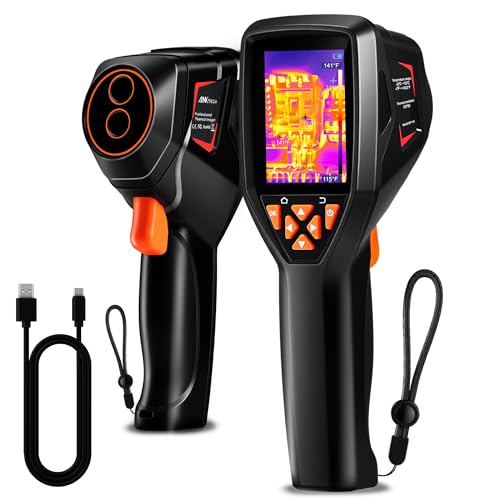
- 320x240 enhanced thermal output
- 25Hz smooth imaging for scanning
- High/low alarms plus 8GB storage
Best For: DIY leak and moisture inspections around the home
Pro Inspection Pick
Dual-Camera Thermal Camera with 640x480 Imaging

- Dual IR and visible-light cameras
- TISR boosts effective resolution to 512x384
- Laser pointer and PC analysis support
Best For: Detailed leak detection and professional-style troubleshooting
Long-Run Home Inspector
240x240 Thermal Camera with 14Hr Battery

- 240x240 enhanced thermal imaging
- Up to 14 hours of battery life
- 50° lens with high/low alerts
Best For: Long property checks and broad leak-detection scans
Budget Pick
240x240 Handheld Thermal Imager

- 240x240 super-resolution imaging
- 25Hz refresh with temperature alarm
- IP54 and 6.6-foot drop resistance
Best For: Homeowners and DIY users needing a simple leak-detection thermal camera
Best for Reporting
320x240 Inspection Thermal Camera

- 320x240 super-resolution and <50 mK sensitivity
- 32GB storage with Windows PC analysis
- Laser, LED light, and temperature alarms
Best For: Inspectors who want leak detection plus storage and report generation
Best Overall
Dual-Light Thermal Camera for Leaks

- Dual-light fusion with real visual images
- 240x240 TISR and <40mK sensitivity
- One-touch modes for water pipe and HVAC checks
Best For: Users wanting the most balanced leak-detection thermal camera
AI Leak Finder – HF96 Thermal Camera with IntellFault
If you want a thermal camera for detecting water leaks that can also flag insulation gaps and other hidden anomalies, the HF96 is built to speed up the search. Its IntellFault scene recognition is designed to identify cold spots linked to water leaks, while the live 240×240 super-resolution display helps you inspect walls, HVAC areas, and electrical spaces with more confidence.
Best For: Home inspectors and DIY users who want automated leak detection plus broader thermal fault finding.
Pros:
- IntellFault scene recognition can automatically identify water leak locations and insulation gaps.
- 240×240 live super resolution and 25Hz refresh help make thermal patterns easier to read.
- Includes hot spot, cold spot, and center spot tracking with custom high/low alarms.
- Long 11-hour runtime and 4 GB storage support extended inspection sessions.
Cons:
- Notes specify there are no moisture readings, so it is thermal-only leak detection.
- Best results depend on learning the scene settings and firmware upgrade process.
Overall, the HF96 is a strong pick if you want guided thermal leak detection without sacrificing general inspection versatility. It balances automation, usable image quality, and long runtime for practical field work.
Pro Wall Scan – TR20Pro Thermal Camera 320×240
For a thermal camera for detecting water leaks in walls and similar surfaces, the TR20Pro focuses on solid resolution and practical inspection modes. Its 320×240 thermal camera, 28-inch LCD, and multi-mode display options are aimed at helping you spot moisture-related cold areas during building inspections, while also serving PCB repair work.
Best For: Users who want a higher-resolution handheld thermal imager for wall leak checks and building inspection.
Pros:
- 320×240 resolution is paired with a 28-inch LCD for viewing thermal images clearly.
- Designed for locating water leaks in walls and similar surfaces.
- TR20Pro adds digital rate PIP and offset display modes, plus eight color palettes.
- 8 GB internal memory and up to 8 hours of battery life support field use.
Cons:
- Temperature specs and measurement details are more technical and may take time to interpret.
- The larger, heavier handheld design is less pocket-friendly than mini models.
In short, the TR20Pro is a practical choice when wall leak detection is the priority and you want more resolution to work with. It looks best suited to inspection users who value display modes and rugged protection alongside leak-finding capability.
Mini Leak Scout – TOPDON TC004 Mini Thermal Camera
If you need a compact thermal camera for detecting water leaks, the TC004 Mini is positioned as a simple, portable option for home inspections. It starts with 128×128 thermal imaging and uses TISR enhancement to reach 240×240 clarity, giving you a clearer look at cold spots around leak-prone areas like floors and walls.
Best For: Homeowners and technicians who want a lightweight thermal imager with leak detection support and long battery life.
Pros:
- TISR boosts 128×128 imaging to 240×240 for more detailed thermal inspection.
- Supports leak detection, underfloor heating checks, and electrical work.
- 25Hz refresh rate and 40° x 30° field of view help scanning feel smooth and usable.
- Up to 15 hours of battery life plus automatic photo capture on alerts.
Cons:
- Base thermal resolution is 128×128 before enhancement.
- Built-in storage is limited to 512MB eMMC, which may not suit heavy photo use.
Overall, the TC004 Mini makes sense if you want a small, easy-to-carry tool for spotting cold signatures that could indicate leaks. Its long runtime and alert-driven workflow are especially useful for routine home troubleshooting.
Commercial Leak Watch – FLIR TG165-X Thermal Imaging Camera
The FLIR TG165-X is a practical thermal camera for detecting water leaks when you want a commercial-grade tool with a straightforward workflow. Its 80×60 IR sensor, MSX image enhancement, and bullseye laser are designed to make suspicious cold areas easier to locate during building, HVAC, and electrical inspections.
Best For: Professionals who want a rugged leak-detection camera with simple targeting and FLIR’s MSX detail overlay.
Pros:
- MSX adds visual detail to thermal images for easier interpretation.
- Bullseye laser helps indicate the measurement area quickly.
- IP54 enclosure and drop-tested build suit jobsite use.
- Measures from -25°C to 300°C and includes a spot thermometer.
Cons:
- 80×60 IR resolution is lower than the higher-resolution options in this roundup.
- It is more of a professional inspection tool than a feature-heavy smart camera.
For users who value durability and simple, dependable leak spotting, the TG165-X is a solid choice. It does not rely on flashy extras, but the MSX overlay and laser targeting make everyday inspection work more practical.
Home Leak Detection Starter – 320×240 Super Resolution Thermal Camera
If you want a thermal camera for detecting water leaks around the house, this handheld model is built to make damp spots and hidden seepage easier to spot. Its 320×240 super resolution output, 25Hz refresh rate, and wide temperature range help you scan walls, ceilings, and subfloors with more confidence during home inspections.
Best For: DIY homeowners and light-duty inspectors who want clearer leak and moisture checks without moving up to a more advanced professional unit.
Pros:
- 320×240 super resolution helps reveal damp patches, ceiling seepage, and hidden moisture more clearly.
- 25Hz imaging provides smoother scanning when checking walls and floors for leak patterns.
- High/low temperature alarms and auto spot tracking help flag unusual readings during inspections.
- Built-in 8GB storage can save a large number of thermal images and videos for later review.
Cons:
- Native IR resolution is lower than the enhanced output, so it is still a compact entry-level option.
- No visual camera is listed, so it focuses more on thermal-only inspection workflows.
This is a practical pick if your priority is finding moisture sources early and keeping inspection data organized. It balances clearer imaging, alert features, and long battery life for routine leak checks.
Pro Inspection Pick – Dual-Camera Thermal Camera with 640×480 Imaging
This thermal camera for detecting water leaks is geared toward users who want stronger detail and more inspection flexibility. With dual-lens imaging, multiple viewing modes, and TISR-enhanced thermal output, it is designed to help match thermal findings with what is happening in the real scene.
Best For: Users who want a more advanced inspection tool for leak detection, building checks, and other detailed troubleshooting tasks.
Pros:
- Dual IR and 2MP visible cameras support thermal, visible, fusion, PIP, and overlay modes.
- TISR technology enhances effective resolution to 512×384 for finer temperature detail.
- 25Hz frame rate and 56°x42° field of view support smooth, practical scanning.
- High/low alarms, laser targeting, LED light, and PC analysis add useful inspection tools.
Cons:
- Windows-only PC analysis means Mac users won’t get the same software workflow.
- It is a more feature-heavy unit, which may be more than casual users need for simple spot checks.
Overall, this is the most feature-rich option in the group for users who need both thermal data and visual context. The added analysis tools make it especially useful when you want to document findings and review them in more detail.
Long-Run Home Inspector – 240×240 Thermal Camera with 14Hr Battery
If you need a thermal camera for detecting water leaks over a full day of work, this model stands out for its long battery runtime and wide-view lens. It combines 240×240 enhanced imaging, a 50° field of view, and temperature alerts to help you find moisture areas, hidden heat patterns, and other problem spots during inspections.
Best For: Homeowners, HVAC users, and technicians who want long battery life for broad property checks and leak hunting.
Pros:
- 240×240 enhanced thermal imaging helps spot water leaks, moisture areas, and insulation gaps.
- Up to 14 hours of battery life supports longer inspection sessions without recharging.
- 50° lens covers more area per frame for faster room and wall scanning.
- High/low temperature alerts and PC analysis help with review and follow-up.
Cons:
- Its enhanced resolution is lower than higher-end inspection cameras, so fine-detail work may be more limited.
- The feature set is practical rather than premium, so it is best suited to straightforward inspection tasks.
For users who value runtime and coverage, this is a very practical leak-detection tool. It is especially appealing for longer home checks where stopping to recharge would slow you down.
Budget Pick – 240×240 Handheld Thermal Imager
If you need a thermal camera for detecting water leaks without overcomplicating the job, this handheld model gives you clear enough thermal detail for home inspections, car checks, and basic electrical work. Its 240×240 super-resolution imaging, 25Hz refresh rate, and adjustable distance/emissivity settings make it a practical choice for spotting temperature anomalies around damp walls, pipes, and fixtures.
Best For: Homeowners and DIY users who want a portable, easy-to-use leak inspection camera with solid image clarity.
Pros:
- 240×240 super-resolution imaging for clearer thermal detail
- 25Hz refresh rate for smooth scanning
- Temperature alarm plus max/min/center readings for faster fault spotting
- IP54 resistance and 6.6-foot drop protection for tougher job sites
Cons:
- Fewer advanced workflow features than higher-end inspection models
- No built-in PC analysis software mentioned
- Best suited to general inspection tasks rather than heavy documentation workflows
Overall, this is a straightforward thermal imaging camera that covers the essentials well for leak detection and other household inspections. It stands out most for its portability, rugged build, and simple temperature-alert workflow.
Best for Reporting – 320×240 Inspection Thermal Camera
For buyers who want a thermal camera for detecting water leaks plus stronger documentation tools, the Firecore FI160S adds built-in storage and PC analysis software to a capable inspection platform. Its 320×240 super-resolution output, <50 mK thermal sensitivity, and four image modes make it well suited for finding subtle moisture-related temperature changes and saving the results for later review.
Best For: Inspectors and homeowners who want leak detection with image storage, PC analysis, and report generation.
Pros:
- 320×240 super-resolution clarity from a 160×120 IR base
- <50 mK thermal sensitivity for detecting subtle temperature differences
- 32GB built-in storage with Windows PC analysis and report generation
- Laser, LED light, and customizable temperature alarms for easier field use
Cons:
- PC software is not compatible with Mac
- More feature-heavy than a basic point-and-shoot inspection camera
- Screen size is compact at 2.4 inches
This model is a strong fit if you want more than just live thermal viewing. The combination of storage, analysis, and alert features makes it especially useful when leak findings need to be documented and shared.
Best Overall – Dual-Light Thermal Camera for Leaks
If you want a thermal camera for detecting water leaks that balances clarity, ease of use, and field-ready durability, this dual-light model is the most well-rounded option here. It combines a 96×96 IR sensor enhanced to 240×240 TISR resolution with real visual images, plus smart scene modes for water pipe, HVAC, electrical, and floor-heating inspections.
Best For: Buyers who want the most balanced all-around leak detection thermal camera for home and professional use.
Pros:
- Dual-light fusion shows thermal data and real visual edges together
- 240×240 TISR resolution with <40mK thermal sensitivity
- One-touch scene modes for water pipe, HVAC, electrical, and more
- IP54 protection, 6.6-foot drop resistance, and built-in LED work light
Cons:
- Built-in storage is 8GB, less than some larger-capacity models
- Sensor starts at 96×96 before enhancement, so it is not a native high-resolution core
- Designed for inspections, not specialized laboratory-grade thermal work
For leak hunting, this is the easiest model to recommend overall because it combines clear image guidance with task-specific modes and practical durability. It should suit users who want one thermal imager for water leaks, plumbing, HVAC, and electrical checks.
How We Picked the Best Thermal Camera for Detecting Water Leaks
We prioritized models that are genuinely useful as a Thermal Camera for Detecting Water Leaks, not just general-purpose infrared tools. That means evaluating thermal resolution, temperature range, frame rate, battery life, and whether the camera is easy to aim and read in real-world inspection conditions.
We also favored units with helpful workflow features such as laser pointers, visual assist, alarms, and image enhancement, since leak hunting often involves moving quickly across walls, ceilings, and plumbing runs.
Quick Comparison
In broad terms, higher-resolution cameras are better for identifying smaller temperature differences and mapping leak paths, while lower-cost models can still work well for obvious moisture problems and basic home inspections. If you expect to inspect larger buildings or want more confidence around subtle anomalies, step up to a stronger image sensor or dual-camera setup.
Battery life matters too: long sessions in attics, crawlspaces, and multi-room inspections are easier with a camera that can last through the job without recharging. A wider field of view can help cover more surface area, while a compact body is easier to carry and use overhead.
Key Buying Factors for Thermal Camera for Detecting Water Leaks
Thermal Resolution
Resolution affects how clearly you can separate cool damp areas from surrounding dry surfaces. For leak detection, more detail usually means better target identification and fewer false readings.
Temperature Range and Sensitivity
Look for a wide enough temperature range to handle seasonal conditions and indoor/outdoor inspections. Fine temperature sensitivity helps reveal small differences that can point to hidden moisture.
Battery Life and Display
Long battery life is valuable for repeated scans across multiple rooms or job sites. A bright, readable display and simple controls make it easier to confirm suspect areas without interrupting your workflow.
Helpful Inspection Features
Laser pointers, visual overlays, temperature alarms, and smart scene modes can speed up inspections. These features are especially useful when tracing possible leaks along pipes, drywall seams, ceilings, and flooring transitions.
Who Should Buy Which Thermal Camera for Detecting Water Leaks?
Homeowners should focus on easy-to-use cameras with solid image clarity and long battery life for occasional leak checks. DIYers and handymen may prefer a balanced model with good resolution, alarms, and portable handling.
Inspectors, HVAC pros, and plumbers should look for higher-resolution or dual-camera options for more precise diagnostics. If you need dependable results in larger or more complex spaces, invest in a camera that gives you stronger imaging detail and faster workflow.