
Choosing the right telephoto lens for safari photography can make the difference between a distant blur and a frame-filling wildlife image. The best options balance reach, image quality, stabilization, and weight for long days in the field.
Below, we’ve narrowed the field to ten lenses and lens attachments that suit different cameras, budgets, and travel styles, so you can match the gear to the safari you’re planning.
Best 10 Telephoto Lens for Safari Photography Picks for 2026
Elite Full-Frame Reach
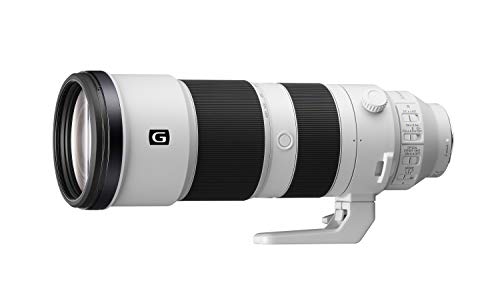
- 200-600mm zoom range for distant wildlife
- Optical stabilization for steadier handheld shots
- Fast, quiet Direct Drive SSM autofocus
Best For: Sony shooters needing flexible long-range safari reach
Classic Long-Reach Zoom
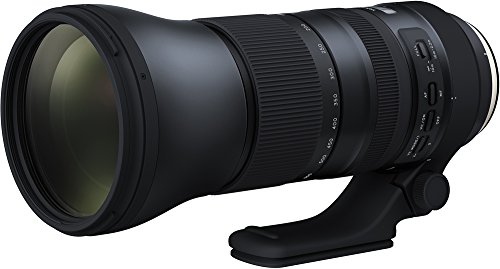
- 150-600mm zoom range for wildlife framing
- VC stabilization with three shooting modes
- Improved autofocus for moving subjects
Best For: Canon DSLR wildlife shooters wanting long reach
Mobile Safari Option
APEXEL 30X Telephoto for Phones

- 30X magnification for phone-based wildlife shots
- Manual focus with quick-switch focus ring
- Compatible with many iPhone, Samsung, and Pixel phones
Best For: Phone users wanting a portable safari telephoto
Budget Canon Zoom

- 75-300mm range for basic telephoto framing
- Lightweight 1.1-pound design
- Autofocus with Super Spectra coating
Best For: Budget-minded Canon EF shooters starting with telephoto
Phone Telephoto Kit
MIAO LAB 30X HD Telephoto Lens

- 30X zoom for distant subjects
- Includes tripod for steadier shots
- Can also work as a monocular
Best For: Phone users wanting long-range safari-style viewing and photography
DSLR Telephoto Zoom

- 75-300mm zoom range for distance work
- Optical stabilization helps steady shots
- Autofocus supports easier field use
Best For: Canon EF camera owners seeking an affordable wildlife zoom
Phone Travel Zoom
MIAO LAB 5-10X TeleZoom for Smartphones

- True optical 5X-10X zoom on a phone
- 171g aluminum body with travel pouch
- Universal clip fits most smartphones
Best For: Travelers wanting a compact phone zoom for slow-moving wildlife
Elite Full-Frame Reach – Sony FE 200-600mm G OSS
If you want a telephoto lens for safari photography with serious reach and strong all-around image quality, the Sony FE 200-600mm f/5.6-6.3 G OSS is built for the job. Its 200-600mm zoom range gives you the flexibility to frame animals at varying distances, while optical stabilization and fast, quiet autofocus help keep moving subjects under control.
Best For: Sony shooters who want a versatile long zoom for wildlife and safari travel.
Pros:
- 200-600mm zoom range covers close framing and distant wildlife.
- Optical stabilization helps steady handheld telephoto shots.
- Direct Drive SSM autofocus is fast, quiet, and precise.
- ED glass, aspherical elements, and Nano AR coating help reduce flare and ghosting.
Cons:
- Designed for Sony E / FE mounts only.
- At 4.7 pounds, it is a substantial lens to carry.
- Maximum aperture narrows as you zoom, which is normal for this class.
This is a strong pick if you want reach, stabilization, and dependable autofocus in one telephoto zoom. For safari photography, it offers the kind of flexibility that makes it easier to react when wildlife appears unexpectedly.
Classic Long-Reach Zoom – Tamron 150-600mm G2
The Tamron SP 150-600mm f/5-6.3 Di VC USD G2 is a practical telephoto lens for safari photography when you want strong reach and useful stabilization without jumping into prime-lens territory. Its 150-600mm zoom range, improved autofocus response, and VC system make it well suited to photographing animals that move quickly or stay far from the vehicle.
Best For: Canon DSLR users looking for a long zoom for wildlife and safari trips.
Pros:
- 150-600mm range gives wide flexibility for wildlife composition.
- VC stabilization is rated at 4.5 stops and includes three modes.
- Improved AF speed is more responsive with moving subjects.
- Moisture-resistant construction and fluorine coating add practical field protection.
Cons:
- Made for Canon EF mounts only.
- Not water resistant, so it still needs care in harsh conditions.
- At 4.4 pounds, it is not a lightweight travel lens.
For Canon shooters, this is a very capable safari zoom with the right mix of reach, stabilization, and handling features. It is especially appealing if you want a versatile lens that can track wildlife from a distance.
Mobile Safari Option – APEXEL 30X Telephoto for Phones
If you are looking for a telephoto lens for safari photography on a smartphone, the APEXEL 30X Telephoto Lens offers a portable way to bring distant subjects closer. It is positioned for bird watching, safari, and hiking, and its manual focus control plus multi-layer coated optics are aimed at keeping far-off scenes sharp on compatible phones.
Best For: Smartphone shooters who want a compact telephoto setup for outdoor adventures.
Pros:
- 30X magnification adds strong reach for distant wildlife and landscapes.
- Manual focus ring gives real-time control.
- Multi-layer coated optics are designed for sharper distant shots.
- Works with many iPhone, Samsung Galaxy, and Google Pixel models within the listed width range.
Cons:
- Manual focus only, so it is less convenient than autofocus lenses.
- No image stabilization is included.
- Not water resistant, so it is best handled with care outdoors.
This is a niche but useful choice if your safari kit starts with a phone rather than a camera body. It is compact and adaptable, though it is best suited to casual or travel-focused shooting rather than demanding pro work.
Budget Canon Zoom – Canon EF 75-300mm III
The Canon EF 75-300mm f/4-5.6 III is an entry-level telephoto zoom for safari photography when you want basic reach in a simple, lightweight package. With a 75-300mm range and autofocus support, it can handle general wildlife viewing and distant subject framing, though it is less feature-rich than the longer, stabilized options in this roundup.
Best For: Canon EF shooters on a tighter budget who need an uncomplicated telephoto zoom.
Pros:
- 75-300mm zoom covers a useful starter telephoto range.
- Lightweight at 1.1 pounds, making it easy to carry.
- Autofocus and Super Spectra coating support everyday use.
- Small 58mm filter size keeps the lens setup simple.
Cons:
- No image stabilization is included.
- Maximum focal length stops at 300mm, so reach is limited for distant animals.
- Closest focusing distance is 1.5m, which reduces close-subject flexibility.
This lens makes sense if you want an affordable way to get into telephoto shooting on Canon EF. For safari photography, it is best viewed as a basic option rather than a high-end wildlife lens.
Phone Telephoto Kit – MIAO LAB 30X HD Telephoto Lens
If you want a telephoto lens for safari photography that works with a phone, this 30X MIAO LAB kit is built for long-range viewing and shooting. It uses a manual focus ring, comes with a tripod for steadier framing, and can also double as a monocular when you want to scan distant wildlife before taking a shot.
Best For: Travelers, hikers, and mobile shooters who want a high-power phone-mounted option for distant subjects.
Pros:
- 30X zoom is designed for long-distance photography and observation.
- Includes an aluminum alloy tripod for more stable handheld-free shooting.
- Metal build and multi-coated glass are aimed at clearer detail and color reproduction.
- Dual-use design lets you switch between phone shooting and monocular viewing.
Cons:
- Manual focus means it is less convenient than an autofocus camera lens.
- Works on the phone’s main camera only, so setup matters.
- Not water resistant, so it needs normal outdoor care.
For safari-style use, the main appeal here is reach and portability rather than premium camera-lens convenience. If you want to keep your gear light and still get close to far-off subjects, this kit offers a practical entry into phone-based telephoto shooting.
DSLR Telephoto Zoom – Canon EF 75-300mm f/4-5.6 III
Canon EF 75-300mm f/4-5.6 III Telephoto Zoom Lens for Canon SLR Cameras, 6473A003 (Renewed)
Check Price On AmazonIf you need a telephoto lens for safari photography on a Canon SLR, this renewed 75-300mm zoom gives you a straightforward way to frame distant animals. Its 300mm reach, optical image stabilization, and autofocus make it more camera-native than phone clip-on options.
Best For: Canon EF shooters who want an affordable zoom lens for wildlife and outdoor distance work.
Pros:
- 75-300mm focal range is useful for distant subjects and flexible framing.
- Optical image stabilization helps reduce shake in telephoto shooting.
- Autofocus and smoother zooming make it easy to use in the field.
- Compact, lightweight design is easier to carry on long outings.
Cons:
- Maximum aperture narrows to f/5.6 at the long end.
- Renewed condition and 90-day warranty may not suit everyone.
- Only works with Canon EF-mount SLR cameras.
This is the most traditional camera-lens option in the group, and it makes sense if you already shoot Canon EF. For safari trips where you want direct lens control and optical stabilization, it is a practical budget-minded zoom.
Compact Phone Telephoto – MIAO LAB 28X HD Telephoto Lens
For shoppers comparing a telephoto lens for safari photography on a phone, this MIAO LAB 28X model focuses on portability and clear distant framing. It is built with a lightweight body, a universal clip, and a light path design intended to improve brightness and reduce dark edges in the view.
Best For: Travelers and mobile photographers who want a compact, easy-to-carry long-range lens for outdoor viewing.
Pros:
- 28X magnification gives strong reach for faraway subjects.
- Ultra-wide light path design is meant to improve field of view and reduce dark edges.
- Lightweight, pocketable build is convenient for travel.
- Universal clip supports a wide range of smartphones.
Cons:
- Manual focus means it requires more hands-on adjustment.
- No tripod is included, so steady shots depend on your grip or accessories.
- As a phone attachment, it is less camera-like than a dedicated DSLR lens.
This lens is a good fit if you want something smaller and simpler than a full camera setup. It is especially appealing for travel days when you want extra reach without adding much bulk to your bag.
DSLR Long-Range Pick – High-Power 420-1600mm Manual Telephoto Zoom for Canon
If you’re shopping for a telephoto lens for safari photography on a Canon DSLR, this manual 420-1600mm zoom is built for maximum reach. It’s aimed at distant wildlife, offering a 420mm base range with a 2X teleconverter that extends power up to 1600mm, plus a 62mm filter thread and HD coating for sharper long-distance shots.
Best For: Canon DSLR users who want extreme reach for distant wildlife and static safari subjects.
Pros:
- Very long 420-1600mm zoom range for distant subjects
- 2X teleconverter extends the effective reach to 1600mm
- HD coating and f/8.3 aperture support crisp long-range framing
- Fits a wide list of Canon EF-mount DSLR bodies
Cons:
- Manual focus only, so it’s slower for moving animals
- Not stabilized and not water resistant
- Bulky, specialized lens that’s less versatile for everyday use
This is a niche option for photographers who care more about reach than convenience. For safari use, it makes the most sense when your subjects are far away and you’re comfortable working manually.
Phone Travel Zoom – MIAO LAB 5-10X TeleZoom for Smartphones
This telephoto lens for safari photography is designed for smartphones, giving you a true optical 5X to 10X zoom range without relying on digital cropping. It’s a compact travel kit with an aluminum body, multi-coated optics, and a universal clip that works with most modern phones, making it a practical way to get closer to distant animals from your phone.
Best For: Smartphone users who want a lightweight zoom lens for travel, wildlife viewing, and slow-moving safari scenes.
Pros:
- True optical 5X-10X zoom for distant subjects
- Lightweight 171g aluminum build is easy to carry
- Universal clip fits most iPhone, Samsung, Google, and Android phones
- Can also be used as a standalone monocular
Cons:
- Best for still or slow-moving subjects, not fast action
- Manual zoom and focus require a steadier shooting approach
- Phone-based setup won’t match a dedicated camera system for flexibility
If you want a low-bulk safari zoom solution for a phone, this lens is easy to pack and simple to mount. Its strength is portability, with enough optical reach to make distant wildlife more usable in everyday travel shots.
Phone 2-in-1 Lens – APEXEL 10X Tele-Macro Pro Dual Lens
If you want a telephoto lens for safari photography that also handles close detail, this APEXEL 2-in-1 clip-on is a flexible phone option. It combines a 10X telephoto lens for distant scenes with a 10X macro lens that focuses as close as 8 inches, so it can cover both far-off animals and small natural details on the same outing.
Best For: Smartphone photographers who want one compact lens for distant wildlife and close-up nature shots.
Pros:
- 10X telephoto lens for bringing distant subjects closer
- Includes a 10X macro lens for flowers, leaves, and insects
- 12-element optical design with multi-layer coating helps reduce glare and distortion
- Lightweight 5.12 oz build is easy to pack for travel
Cons:
- Manual focus setup takes more care than a built-in phone camera
- Clip-on design may be less convenient than a dedicated camera lens
- Not designed for fast-action shooting at long distances
This is a smart pick if you want versatility more than extreme reach. For safari use, it gives you a portable way to shoot both wildlife and detail shots without carrying a separate camera system.
How We Picked the Best Telephoto Lens for Safari Photography
We focused on focal length, optical quality, stabilization, autofocus performance, build quality, and portability. For safari use, we also considered how easy each option is to carry, mount, and use from a vehicle or on foot. The goal was to highlight a Telephoto Lens for Safari Photography that helps you capture subjects at a safe distance without making your kit too heavy or difficult to handle.
Quick Comparison
In general, the longer zoom options are better for distant wildlife, while mid-range telephotos are lighter and easier to manage for general travel. Dedicated camera lenses usually deliver stronger sharpness and autofocus than phone add-ons, but smartphone telephoto accessories can still be useful for casual travelers or backup shooting.
Key Buying Factors for Telephoto Lens for Safari Photography
Reach and Focal Length
For safari shooting, reach matters more than almost anything else. A lens in the 200mm to 600mm range is often a strong choice because it gives you room to frame animals without disturbing them. If you expect frequent distant subjects, prioritize longer focal lengths over wider zoom flexibility.
Stabilization and Handholding
Wildlife vehicles, dust, and long lenses can make camera shake a real issue. Optical stabilization helps, especially when shooting at slower shutter speeds or handholding from a vehicle. If a lens lacks stabilization, plan to use faster shutter speeds, a monopod, or a support surface.
Autofocus Speed
Animals move quickly and unpredictably, so fast, reliable autofocus is essential. Look for lenses known for strong tracking performance if you want birds in flight, running mammals, or active behavior shots. Manual-focus telephoto options can work, but they are less forgiving in fast action.
Weight and Travel Practicality
Safari travel often involves limited luggage space and long shooting sessions. Heavier zooms can deliver excellent results, but lighter lenses are easier to carry and use for hours. If you are flying to your destination, weight may be as important as image quality.
Who Should Buy Which Telephoto Lens for Safari Photography?
If you want the most serious wildlife performance, choose a high-quality zoom with long reach and stabilization. If you are using a Canon DSLR on a budget, a simpler 75-300mm or a renewed version may be enough for larger animals at closer distances. If you mainly shoot with a phone, a clip-on telephoto can be a practical travel-friendly option, though it will not replace a true camera lens for demanding wildlife photography.
For most travelers, the best Telephoto Lens for Safari Photography is the one that matches your camera system, your expected shooting distance, and how much weight you are willing to carry all day. Prioritize dependable reach first, then look for the best balance of sharpness, stabilization, and portability.