
If you’re passionate about wildlife photography, choosing the right camera can greatly influence your results. OM System cameras offer a range of features that cater specifically to outdoor conditions and fast-moving subjects. With lightweight designs and advanced technology, these cameras make it easier to capture stunning images of nature. Curious about which models stand out and what factors to evaluate when making your choice? Let’s explore the top options available.
OM SYSTEM Olympus OM-1 Mark II Micro Four Thirds Camera

The OM System Olympus OM-1 Mark II Micro Four Thirds Camera is an exceptional choice for wildlife photographers who need speed and precision in challenging environments. With its 20MP BSI stacked sensor and TruePic X engine, you’ll enjoy up to three times faster processing power. The Cross Quad Pixel AF system boasts 1,053 points, ensuring high-precision focusing for those fleeting moments. Its computational photography features, like Handheld High Res Shot and Focus Stacking, help you capture stunning images effortlessly. Plus, with an IP53 rating, this camera withstands dust, splashes, and temperatures down to -10℃, making it perfect for any adventure.
Best For: Wildlife photographers seeking a fast, precise, and durable camera for challenging environments.
Pros:
- Exceptional 20MP BSI stacked sensor for high-quality images.
- Fast processing power with TruePic X engine, enabling quick shot-to-shot times.
- Durable design with IP53 rating, offering protection against dust and water.
Cons:
- Micro Four Thirds sensor may be less effective in low-light conditions compared to larger sensors.
- Limited battery life when using intensive computational photography features.
- May require additional learning curve for novice users to fully utilize advanced features.
OM SYSTEM Olympus OM-1 Mark II Micro Four Thirds Camera with 12-40mm Lens Kit

For wildlife photographers seeking a reliable and high-performance camera, the OM SYSTEM Olympus OM-1 Mark II Micro Four Thirds Camera with the 12-40mm Lens Kit stands out. With its 20MP Stacked BSI Live MOS sensor and TruePic X engine, you’ll enjoy stunning images with low noise and fast processing. The included M.Zuiko Digital ED 12-40mm F2.8 PRO II lens offers versatility for various shooting scenarios. Plus, the advanced autofocus system features over 1,000 cross-type points for precise focusing. Designed to withstand harsh conditions, this camera is dustproof, splashproof, and freeze proof, making it perfect for outdoor adventures.
Best For: Wildlife photographers seeking a reliable and high-performance camera for outdoor adventures.
Pros:
- Exceptional image quality with a 20MP Stacked BSI Live MOS sensor for low noise and high resolution.
- Versatile M.Zuiko Digital ED 12-40mm F2.8 PRO II lens suitable for various shooting scenarios.
- Durable design with IP53 rating, making it dustproof, splashproof, and freeze proof.
Cons:
- Micro Four Thirds sensor may be less effective in low light compared to larger sensors.
- The camera might be relatively complex for beginners due to its advanced features.
- The lens kit may not include longer focal lengths for distant wildlife photography.
OM SYSTEM Olympus Tough TG-7 Underwater Camera

If you’re an adventurous wildlife photographer seeking to capture stunning underwater moments, the OM SYSTEM Olympus Tough TG-7 Underwater Camera is your perfect companion. With a high-resolution F2.0 lens and 4x zoom, you can snap breathtaking shots beneath the surface. Its True Pic VIII image sensor guarantees vibrant images, even in challenging conditions. This rugged camera thrives underwater up to 15 meters, is shockproof up to 2.1 meters, and can withstand freezing temperatures. Plus, with five underwater modes and 4K video recording, you’ll have everything you need to document your aquatic adventures beautifully. Immerse yourself and start shooting!
Best For: Adventurous wildlife photographers looking to capture stunning underwater moments and macro shots.
Pros:
- High-resolution F2.0 lens with 4x zoom for vibrant underwater photography.
- Durable design that is waterproof, shockproof, and freezeproof, making it ideal for extreme conditions.
- Multiple underwater modes and 4K video recording capability for versatile shooting experiences.
Cons:
- Limited zoom range compared to some other underwater cameras.
- The price may be higher than entry-level cameras, making it less accessible for beginners.
- Battery life may be shorter when using high-resolution video recording features frequently.
OM SYSTEM Olympus OM-3 Micro Four Thirds Camera

Wildlife photographers seeking a rugged and reliable camera will find the OM SYSTEM Olympus OM-3 Micro Four Thirds Camera an exceptional choice. Its vintage-styled, premium metal body is weather-sealed, ensuring protection against dust, splashes, and freezing temperatures. With a 20 MP stacked BSI Live MOS sensor and TruePic X processor, you’ll capture stunning images with impressive detail. The 2.36m-dot OLED electronic viewfinder provides a clear view of your subject. Plus, features like 5-axis image stabilization and computational photography options let you release your creativity. Whether shooting stills or video, the OM-3 is built to elevate your wildlife photography experience.
Best For: Wildlife photographers seeking a rugged and reliable camera that excels in challenging environments.
Pros:
- Premium weather-sealed design protects against dust, splashes, and freezing temperatures.
- High-quality 20 MP stacked BSI sensor and TruePic X processor deliver stunning image detail.
- Versatile photography features including 5-axis image stabilization and computational photography options enhance creative possibilities.
Cons:
- Micro Four Thirds sensor may not perform as well in low light compared to larger sensor formats.
- Potentially steep learning curve for beginners unfamiliar with advanced camera features.
- Limited native lens options compared to other camera systems, which may restrict creative choices.
OM SYSTEM OM-5 Mark II Compact Weather Sealed 4K Video Camera

The OM SYSTEM OM-5 Mark II is perfect for outdoor enthusiasts seeking unmatched image quality and high autofocus performance. You’ll capture sharp, stable, and vibrant shots effortlessly, ensuring every fleeting moment is preserved. This compact and lightweight camera is easy to carry on your adventures, while its weather-sealed design means it can handle any trail conditions. Plus, with unlimited 4K video recording, you can tell your story in motion, showcasing your experiences like never before. The computational photography button sparks your creativity, making this camera a versatile choice for anyone passionate about wildlife photography and outdoor exploration.
Best For: Outdoor enthusiasts and travelers seeking a compact, high-performance camera for capturing vibrant moments in various weather conditions.
Pros:
- Unmatched image quality with sharp and vibrant shots.
- High autofocus performance allows for capturing fleeting moments effortlessly.
- Weather-sealed design ensures durability in any outdoor conditions.
Cons:
- May be less suitable for professional studio photography due to its compact design.
- Limited zoom capabilities compared to larger DSLR cameras.
- Some users may find the computational photography features require a learning curve.
OM System OLYMPUS Tough TG-7 Underwater Camera

For adventurers who crave capturing stunning underwater moments, the OM System OLYMPUS Tough TG-7 is an exceptional choice. With its high-resolution F2.0 lens and 4x zoom, you’ll get incredible detail in your shots. This durable camera is waterproof up to 15 meters and can withstand drops from 2.1 meters, making it perfect for rugged adventures. Its variable macro system lets you capture stunning details just 1 cm away, while five underwater modes enhance your shooting experience. Plus, with 4K video recording and high-speed options, you can easily document your aquatic escapades like a pro. Immerse yourself and explore!
Best For: Adventurers and underwater enthusiasts looking for a durable and high-quality camera to capture stunning underwater moments.
Pros:
- High-resolution F2.0 lens delivers exceptional image quality.
- Waterproof up to 15 meters, ensuring reliability in aquatic environments.
- Multiple underwater modes and macro capabilities enhance creative shooting options.
Cons:
- Limited zoom range with a maximum of 4x may not satisfy those seeking extensive focal lengths.
- The camera may be bulkier than non-waterproof models, making it less portable.
- Battery life could be shorter when using high-resolution video recording features extensively.
OM SYSTEM OM-5 Mark II 4K Video Camera with 12-45mm Lens
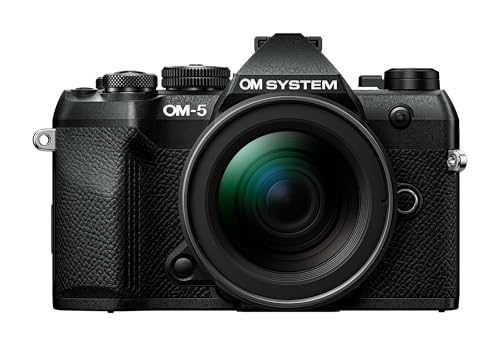
If you’re a wildlife enthusiast seeking to capture stunning imagery, the OM SYSTEM OM-5 Mark II 4K Video Camera with the 12-45mm lens is an exceptional choice. With unmatched image quality, you’ll enjoy sharp and vibrant shots in any environment. Its compact and durable design, complete with weather sealing, makes it perfect for outdoor adventures. You’ll also appreciate the computational photography button, enhancing your creativity as you explore nature. Plus, with high autofocus performance and unlimited 4K video recording, storytelling in motion becomes effortless. This camera truly empowers you to document the beauty of wildlife like a professional.
Best For: Wildlife enthusiasts and outdoor adventurers looking to capture stunning imagery in various environments.
Pros:
- Unmatched image quality with sharp and vibrant shots.
- Compact and weather-sealed design ideal for outdoor use.
- High autofocus performance and unlimited 4K video recording capabilities.
Cons:
- Limited zoom range with the included 12-45mm lens.
- May require additional lenses for specialized photography needs.
- Premium price point may not fit all budgets.
OM SYSTEM Olympus E-M10 Mark IV Micro Four Thirds Camera

Ideal for wildlife enthusiasts and photographers on the go, the OM SYSTEM Olympus E-M10 Mark IV offers a lightweight design paired with impressive features like a 20 MP Live MOS sensor and in-body 5-axis image stabilization. With a continuous shooting speed of 8.7 frames per second, you won’t miss those fast-moving subjects. Capture stunning 4K video and enjoy the versatility of a 14-42mm zoom lens. Its 3-inch tilting touchscreen and Bluetooth/Wi-Fi connectivity make it easy to share your shots. Weighing just 13.44 ounces, this mirrorless camera is perfect for capturing breathtaking wildlife moments without the bulk.
Best For: Wildlife enthusiasts and photographers seeking a lightweight, versatile mirrorless camera for capturing fast-moving subjects and stunning 4K video.
Pros:
- Impressive 20 MP Live MOS sensor delivers high-resolution images with excellent detail.
- In-body 5-axis image stabilization ensures steady shots even in challenging conditions.
- Lightweight design at just 13.44 ounces makes it easy to carry during long shoots.
Cons:
- Limited battery life may require carrying extra batteries for extended use.
- Single memory card slot could be a drawback for photographers needing backup options.
- No night vision capabilities may limit performance in low-light situations.
OM SYSTEM Olympus OM-5 Micro Four Thirds Camera with 12-45mm F4.0 PRO Kit

The OM SYSTEM Olympus OM-5 Micro Four Thirds Camera, paired with the versatile 12-45mm F4.0 PRO lens, is a game changer for outdoor photography enthusiasts and wildlife professionals alike. With a 20MP Live MOS sensor and impressive 5-axis image stabilization, you’ll capture stunning shots even in challenging conditions. The camera’s IP53 weather resistance guarantees it withstands dust, splashes, and freezing temperatures down to -10℃. Plus, features like Pro Capture and focus stacking elevate your wildlife photography by guaranteeing you never miss a moment. The 3.75x optical zoom and advanced autofocus system make it an essential tool for capturing nature’s beauty.
Best For: Outdoor photography enthusiasts and professionals seeking high performance in extreme conditions.
Pros:
- Exceptional weather resistance with an IP53 rating, ensuring durability against dust, splashes, and freezing temperatures.
- Advanced features like Pro Capture and focus stacking enhance wildlife photography, allowing for precise and timely shots.
- 5-axis image stabilization combined with a 20MP sensor results in high-quality images even in challenging environments.
Cons:
- Limited optical zoom at 3.75x may not be sufficient for certain wildlife photography scenarios requiring longer reach.
- Micro Four Thirds system may not appeal to users preferring larger sensor formats for better low-light performance.
- Complex features may have a learning curve for beginners not familiar with advanced photography techniques.
OM SYSTEM Olympus OM-1 Micro Four Thirds Camera

For wildlife photographers seeking a reliable companion in challenging environments, the OM SYSTEM Olympus OM-1 Micro Four Thirds Camera stands out with its robust weather sealing and lightweight design. With a 20MP stacked BSI Live MOS sensor, it captures stunning images, even in low light. The 5-axis image stabilization and 120fps continuous shooting guarantee you don’t miss a moment. Its advanced autofocus system features 1,053 points for precise focus. Plus, with dual memory slots and 4K video capabilities, you’ll have plenty of options to save your adventures. Weighing just 454 grams, it’s perfect for long days in the field.
Best For: Wildlife photographers looking for a lightweight, weather-sealed camera with advanced features for capturing stunning images in challenging environments.
Pros:
- Robust Weather Sealing: IP53 rating ensures protection against dust and moisture.
- High-Speed Performance: 120fps continuous shooting allows for capturing fast-moving subjects effortlessly.
- Advanced Autofocus System: 1,053 focus points provide precise and reliable tracking for wildlife photography.
Cons:
- Limited Low-Light Performance: With a 20MP sensor, it may not perform as well as higher megapixel competitors in very low light situations.
- Weight May Be Considered Heavy: At 454 grams, some may find it slightly heavy for extended handheld use.
- Warranty Limitations: Warranty is only honored if purchased from U.S. authorized dealers, which may restrict options for some buyers.
Factors to Consider When Choosing an Om System Camera for Wildlife
When choosing an OM System camera for wildlife photography, you need to take into account several key factors. Sensor resolution, autofocus efficiency, and image stabilization are essential for capturing sharp, detailed images of fast-moving subjects. Additionally, durability and lens versatility can make a significant difference in your shooting experience in various environments.
Sensor Resolution Importance
Choosing the right sensor resolution can make or break your wildlife photography experience. A higher resolution, ideally 20MP or more, lets you capture finer details, which is essential for large prints or cropping without losing quality. When photographing fast-moving subjects, this clarity helps you seize those fleeting moments effectively. Plus, higher resolution sensors excel in low-light conditions, reducing noise and providing clearer images at dawn or dusk. You’ll also appreciate the post-processing flexibility that comes with increased resolution, enabling adjustments in framing and composition while maintaining detail. Ultimately, a higher resolution allows you to distinguish features and textures, important for identifying species and showcasing their natural habitats. So, prioritize sensor resolution in your OM System camera choice.
Autofocus System Efficiency
While capturing elusive wildlife, an efficient autofocus system is essential to your success. Look for cameras equipped with Cross Quad Pixel AF technology, which offers over 1,000 focus points for precise tracking of fast-moving subjects. This high-precision focusing will help you stay locked on your target, even as it darts across the frame. Continuous-Servo AF modes are another must-have, allowing your camera to maintain focus on moving wildlife, ensuring sharp images despite quick movements. Additionally, advanced autofocus systems with high-speed processing engines can lock onto subjects faster, reducing missed shots. Don’t overlook features like Pro Capture, which records images before you fully press the shutter, enabling you to capture fleeting moments in wildlife behavior that you might otherwise miss.
Image Stabilization Features
Although you might focus on autofocus features, don’t underestimate the importance of image stabilization in wildlife photography. It’s essential for reducing camera shake, especially when you’re using longer lenses or shooting in low light. Many OM System cameras come equipped with impressive 5-axis image stabilization that compensates for both vertical and horizontal movements, which is a game changer for handheld shooting. Advanced systems offer up to 4.5 stops of compensation, allowing you to capture sharp images at slower shutter speeds. Plus, some models provide continuous shooting modes to help you snap fast-moving wildlife while minimizing motion blur. In dynamic environments with sudden movements, effective image stabilization can make all the difference in your wildlife photography.
Durability and Weather Sealing
When you’re out in the wild capturing elusive subjects, the durability and weather sealing of your camera play an essential role in your success. Look for cameras with strong weather sealing to protect against dust, moisture, and extreme temperatures. An IP rating, like IP53, indicates your camera can handle splashes and light rain, while freezeproof features guarantee it operates in temperatures as low as -10℃. You’ll also want a build quality that includes shockproof and crushproof ratings, so it can withstand accidental drops or pressure. With a weather-sealed camera, you can confidently shoot in various environments, from rainy forests to arid deserts, without worrying about damaging your valuable equipment.
Lens Versatility and Options
Choosing the right lens is vital for maximizing your wildlife photography experience, especially with OM System cameras. When you’re selecting a camera, consider the range of available lenses. Versatile zoom lenses like the 12-40mm or 12-45mm cover everything from wide landscapes to close-up details. Look for lenses with fast maximum apertures, such as F2.8, to perform better in low light conditions often found in wildlife settings. Telephoto lenses are important for capturing distant subjects, so options supporting longer focal lengths are necessary. Image stabilization features will help you capture sharp images, particularly when photographing moving animals at slower shutter speeds. Finally, verify your lenses are compatible with advanced autofocus systems for quick, accurate focusing on fast-moving wildlife.
Continuous Shooting Speed
Capturing the dynamic movements of wildlife often hinges on continuous shooting speed, which is important for getting that perfect shot. Look for cameras that offer speeds up to 120 frames per second, increasing your chances of freezing that fleeting moment. A maximum shutter speed of 1/8000 seconds can effectively freeze motion, so keep that in mind. The autofocus system‘s performance, especially in continuous-servo mode, is essential for maintaining focus on moving subjects during rapid bursts. Additionally, consider image stabilization to reduce blur from camera shake while tracking wildlife. Finally, a larger buffer size allows for extended continuous shooting without interruption, critical for capturing unpredictable wildlife behavior.
Video Capabilities for Wildlife
Continuous shooting speed is essential for still photography, but video capabilities also play a significant role in wildlife photography. Look for OM System cameras that offer 4K video recording; this high resolution captures wildlife in stunning detail. Consider models supporting high-speed movie recording, like 120 fps, to effectively document fast-moving animals. A robust autofocus system with multiple points is vital for maintaining focus during quick movements. Additionally, advanced video features such as slow-motion capabilities and vertical video modes can enhance your storytelling in wildlife documentaries. Finally, prioritize cameras with in-body stabilization to minimize camera shake, ensuring your footage remains steady even in dynamic outdoor environments. These factors will help you capture enthralling wildlife moments on video.