
Birds in flight demand a camera that can lock focus fast, track motion confidently, and keep up with unpredictable movement. The best mirrorless options for this job combine responsive autofocus, high burst shooting, and a comfortable body for long sessions outdoors.
In this roundup, we focus on cameras that make it easier to capture sharp flight shots without slowing you down in the field.
Best 10 Mirrorless Camera for Birds in Flight Picks for 2026
Sony Alpha 7 IV

- 33MP full-frame sensor for detailed files
- 759-point Fast Hybrid AF with Real-time Eye AF
- 5-axis stabilization supports handheld shooting
Best For: Users wanting a versatile full-frame camera with strong tracking
Canon EOS R50 Kit

- Includes 55-210mm telephoto lens
- Dual Pixel AF helps track moving subjects
- Bundle adds bag and 64GB card
Best For: Beginners who want an all-in-one bird photography kit
Nikon Z6 III

- 120 fps shooting for rapid action capture
- 4000-nit EVF with 120 fps refresh rate
- AF rated down to -10EV with multi-subject recognition
Best For: Advanced shooters needing speed, responsiveness, and pro video
Birding Speed Pick
Sony Alpha 6700 APS-C Mirrorless Camera
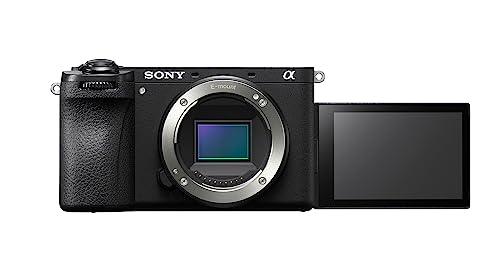
- Dedicated AI Processor with Real-time Recognition
- 759 AF points and 11 fps continuous shooting
- 26MP APS-C body with 4K/60p and 4K/120p video
Best For: Bird photographers who want advanced subject tracking in a compact APS-C body.
Value Birding Kit
Nikon Z50 II Two-Lens Mirrorless Camera

- Bird detection plus dedicated bird mode
- Includes 50-250mm lens for added reach
- Compact APS-C body with built-in flash
Best For: Beginners and travelers who want an easy-to-carry birding setup with two lenses included.
Full-Frame Action Choice
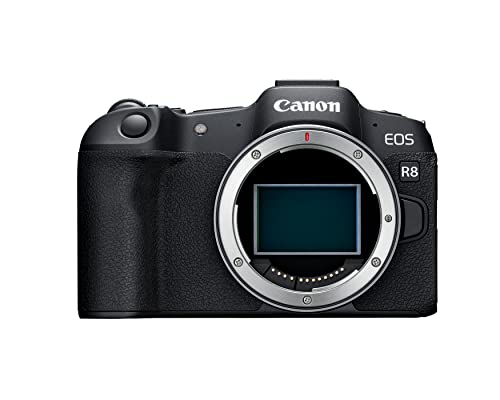
- 40 fps continuous shooting for fast action
- Dual Pixel CMOS AF II with animal detection
- Full-frame 24.2MP sensor in a lightweight body
Best For: Bird photographers who want full-frame quality and very fast burst shooting in a compact body.
Speed-Focused APS-C Pick
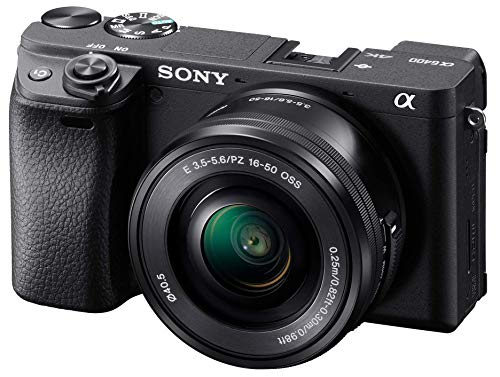
- 425 phase-detection AF points
- Up to 11 fps continuous shooting
- Compact body with Real-Time Eye AF
Best For: Bird photographers who want a lightweight, fast-tracking APS-C body
Full-Frame Action Hybrid

- Up to 40 fps electronic shutter
- Dual Pixel CMOS AF II across the frame
- Animal subject detection built in
Best For: Serious shooters who want a fast full-frame wildlife body
Beginner Wildlife Kit
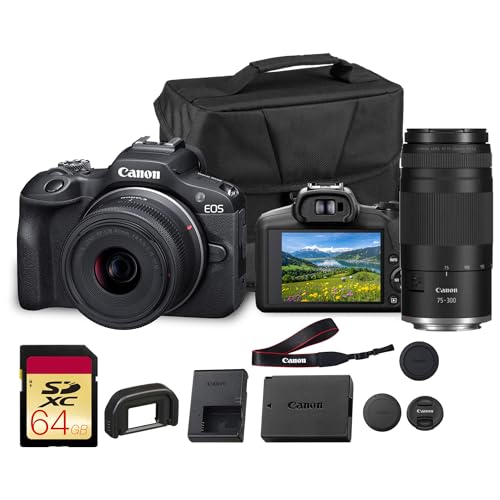
- Includes RF 75-300mm telephoto lens
- Dual Pixel and Eye Detection AF
- Compact APS-C body for starters
Best For: Beginners who want an affordable all-in-one birding setup
Canon EOS R7 – Fast APS-C Birding Body
If you want a mirrorless camera for birds in flight, the Canon EOS R7 is built around speed, reach, and tracking. Its 32.5MP APS-C sensor gives extra telephoto reach, while Dual Pixel CMOS AF II covers nearly the entire frame with up to 651 zones for dependable subject acquisition.
Best For: Bird photographers who want a fast, lightweight APS-C body with strong autofocus and burst shooting.
Pros:
- 15 fps mechanical shutter and up to 30 fps electronic shutter for split-second action
- Dual Pixel CMOS AF with subject tracking and animal detection
- 5-axis in-body image stabilization helps steady handheld shots
- Compact 1.1 lb body is easy to carry in the field
Cons:
- Body-only kit means you’ll need to add a telephoto lens for birds
- APS-C sensor is smaller than full frame if low-light depth is your priority
Overall, the EOS R7 is a practical pick for bird-in-flight work when you want fast autofocus, strong burst rates, and extra apparent reach from an APS-C body.
Sony Alpha 7 IV – Full-Frame Tracking Hybrid
The Sony Alpha 7 IV is a strong full-frame mirrorless camera for birds in flight if you want reliable tracking plus flexible stills-and-video performance. Its 33MP sensor, 759-point Fast Hybrid AF, and Real-time Eye AF give it the tools to follow moving subjects with confidence.
Best For: Photographers who want a versatile full-frame body with advanced autofocus and strong image quality.
Pros:
- 759-point Fast Hybrid AF with Real-time Eye AF
- 33MP full-frame sensor for detailed images
- 5-axis SteadyShot stabilization for handheld shooting
- Up to 4K 60p 10-bit 4:2:2 video for hybrid use
Cons:
- 10 fps continuous shooting is slower than some action-focused rivals
- Body-only kit means lens choice will affect birding reach
For bird photographers who value autofocus sophistication and full-frame flexibility, the Alpha 7 IV is a well-rounded option that can handle both action and general photography.
Canon EOS R50 Kit – Birding Lens Kit Starter
The Canon EOS R50 kit is a beginner-friendly mirrorless camera for birds in flight because it includes both a standard zoom and a 55-210mm telephoto lens. The 24.2MP APS-C sensor, Dual Pixel CMOS AF, and lightweight kit make it an accessible way to start shooting moving wildlife.
Best For: New bird photographers who want an affordable all-in-one kit with a telephoto lens included.
Pros:
- Includes a 55-210mm telephoto lens for birding right out of the box
- Dual Pixel Autofocus and hybrid AF for easier subject tracking
- 24.2MP APS-C sensor in a compact mirrorless body
- Bundle adds a shoulder bag and 64GB card for convenience
Cons:
- Maximum apertures on the included lenses are relatively slow
- No body image stabilization is listed
- Kit weighs 4.51 pounds, so it is less nimble than a body-only setup
If you want a straightforward entry into bird photography, the R50 kit stands out because it arrives with the telephoto reach and accessories you need to start practicing immediately.
Nikon Z6 III – Pro Speed Full-Frame
The Nikon Z6 III is a serious mirrorless camera for birds in flight when speed and viewfinder responsiveness matter. Its 24.5MP full-frame sensor pairs with a best-in-class EVF, 120 fps maximum refresh rate, and improved autofocus for confident tracking of fast action.
Best For: Advanced shooters who want a fast full-frame body with a bright EVF and high-end video options.
Pros:
- 120 fps continuous shooting for rapid action capture
- EVF brightness up to 4000 nits with 120 fps refresh rate
- AF detection down to -10EV and multi-subject recognition
- 6K/60p internal N-RAW plus oversampled 4K options
Cons:
- Body-only format means lens cost is extra
- 24.5MP resolution is lower than some higher-megapixel rivals
For bird-in-flight shooting, the Z6 III’s standout strengths are its fast shooting, bright viewfinder, and advanced autofocus, making it a strong pro-level choice.
Birding Speed Pick – Sony Alpha 6700 APS-C Mirrorless Camera
If you want a mirrorless camera for birds in flight that prioritizes tracking and burst performance, the Sony Alpha 6700 is a strong APS-C option. Its dedicated AI Processor, 759 autofocus points, Real-time Recognition, and 11 fps continuous shooting make it a practical body for following erratic birds against busy backgrounds.
Best For: Bird photographers who want advanced subject tracking in a compact APS-C body.
Pros:
- Dedicated AI Processor and Real-time Recognition help keep moving subjects locked in.
- 759 AF points and hybrid autofocus give you flexible focus control.
- 26MP APS-C sensor plus 11 fps continuous shooting support action capture.
- 4K/60p and 4K/120p video add strong hybrid shooting options.
Cons:
- 11 fps continuous shooting is solid, but not class-leading for the fastest action.
- Body-only setup means you still need a telephoto lens for birding.
- No built-in flash if you want that feature for general-purpose use.
Overall, the Alpha 6700 stands out for birders who care most about autofocus intelligence and portability. It is a well-rounded choice if you want a modern APS-C mirrorless camera built to help with tracking birds in flight.
Value Birding Kit – Nikon Z50 II Two-Lens Mirrorless Camera
The Nikon Z50 II is a practical mirrorless camera for birds in flight if you want a compact body with useful autofocus tools and an included telephoto lens. It can automatically detect birds, offers a dedicated bird mode for better autofocus accuracy, and comes with the 50-250mm lens that is especially helpful when you need reach.
Best For: Beginners and travelers who want an easy-to-carry birding setup with two lenses included.
Pros:
- Bird detection and dedicated bird mode help with subject recognition.
- Includes a 50-250mm lens for more reach on distant subjects.
- Compact APS-C body is easy to pack for travel and field use.
- Built-in flash and wireless sharing add everyday convenience.
Cons:
- 5 fps continuous shooting is modest for fast flight sequences.
- Maximum shutter speed of 1/4000 seconds is less aggressive than some action bodies.
- JPEG file format support is listed in the notes, so workflow flexibility appears more limited here.
As a birding starter kit, the Z50 II is appealing because it bundles the lens reach you actually need. It is best viewed as a convenient, capable setup for casual bird photography rather than a pure speed-first action camera.
Full-Frame Action Choice – Canon EOS R8 Mirrorless Body
The Canon EOS R8 is a compelling mirrorless camera for birds in flight if you want full-frame image quality and fast subject tracking in a lightweight body. Dual Pixel CMOS AF II covers nearly the entire frame, includes animal detection, and now recognizes aircraft as well, while the 40 fps continuous shooting mode is well suited to quick wingbeats and abrupt changes in direction.
Best For: Bird photographers who want full-frame quality and very fast burst shooting in a compact body.
Pros:
- 40 fps continuous shooting is excellent for fast action.
- Dual Pixel CMOS AF II offers broad coverage and subject detection.
- Full-frame 24.2MP sensor balances detail with low-noise performance.
- Uncropped 4K/60p and 180 fps Full HD add strong video flexibility.
Cons:
- Body-only design means you must budget for an RF lens.
- Maximum shutter speed of 1/4000 seconds is less extreme than some sports bodies.
- Its lightweight design is great for portability, but the smaller battery/body balance may feel less rugged than larger pro models.
For birders who want a fast full-frame mirrorless body, the EOS R8 is an easy recommendation. It combines quick bursts, advanced detection, and a compact build that works well for hand-held field shooting.
Speed-Focused APS-C Pick – Sony a6400 for Fast Birds
If you want a mirrorless camera for birds in flight that prioritizes autofocus speed and burst shooting, the Sony a6400 is a strong APS-C option. Its 425 phase-detection points, Real-Time Eye AF, and up to 11 fps continuous shooting help keep erratic subjects more consistently in frame, while the compact body makes it easier to track action in the field.
Best For: Bird photographers who want a lightweight camera with fast autofocus and solid burst speed for tracking movement.
Pros:
- 425 phase-detection and 425 contrast-detection points cover most of the sensor.
- Up to 11 fps continuous shooting for action sequences.
- Real-Time Eye AF and hybrid AF help with subject tracking.
- Compact mirrorless body is easy to carry on long outings.
Cons:
- Included kit lens is a standard 16-50mm, so wildlife reach is limited without a longer lens.
- Maximum shutter speed is 1/4000 second, which is less aggressive than some faster action bodies.
The a6400 is best viewed as a fast, portable body for bird-in-flight work rather than a complete long-lens wildlife setup. Pair it with a telephoto lens, and its autofocus system and burst rate make it a practical choice for capturing moving birds.
Full-Frame Action Hybrid – Canon R6 Mark II for Birds
The Canon EOS R6 Mark II is a serious mirrorless camera for birds in flight when you want fast response, strong subject detection, and a full-frame sensor. With up to 40 fps electronic shutter, Dual Pixel CMOS AF II across the frame, and automatic animal detection, it is built to help you follow rapid, unpredictable motion with less missed focus.
Best For: Enthusiasts and professionals who want a high-speed full-frame body for action, wildlife, and bird photography.
Pros:
- Up to 40 fps electronic shutter and 12 fps mechanical shutter.
- Dual Pixel CMOS AF II covers up to 100% x 100% of the frame.
- Automatic detection for animals and other moving subjects.
- Full-frame 24.2MP sensor and sensor-shift stabilization add flexibility.
Cons:
- The included 24-105mm f/4-7.1 kit lens is not an ideal long reach lens for distant birds.
- Higher-end body and lens kit will be more expensive than entry-level options.
If your priority is tracking birds in flight with speed and reliability, the R6 Mark II is one of the strongest choices in this group. The body is the main attraction here; add a suitable telephoto lens and you have a capable wildlife setup.
Beginner Wildlife Kit – Canon R100 with Long Zoom
For buyers who want a mirrorless camera for birds in flight without assembling a separate lens kit, the Canon EOS R100 package is appealing. It includes both an RF-S 18-45mm lens and an RF 75-300mm telephoto, giving you immediate reach for distant subjects along with Canon’s Dual Pixel CMOS AF for responsive focusing.
Best For: Beginners and budget-minded shooters who want an easy starter kit for wildlife and general photography.
Pros:
- Includes an RF 75-300mm lens for long-distance subjects.
- 24.2MP APS-C sensor delivers detailed stills.
- Dual Pixel CMOS AF and Eye Detection AF improve focus confidence.
- Lightweight mirrorless design is easier to carry than bulkier systems.
Cons:
- 4K video is listed, but the camera is positioned as an entry-level body rather than a pro wildlife machine.
- The kit zooms are modest aperture lenses, so low-light birding can be limited.
This kit works well if you want an affordable path into bird photography with real telephoto reach right away. It is not the fastest or most advanced tracking camera here, but it offers a practical starting point for learning action photography.
How We Picked the Best Mirrorless Camera for Birds in Flight
For a Mirrorless Camera for Birds in Flight, we prioritized autofocus speed, subject tracking reliability, burst shooting performance, buffer depth, viewfinder responsiveness, and ergonomics. We also considered sensor size, lens ecosystem, stabilization, and how practical each body is for handheld wildlife shooting.
Quick Comparison
APS-C bodies often give you more apparent reach for distant subjects, which can be a major advantage for birds in flight. Full-frame models can offer stronger high-ISO performance and broader lens choices, but they may cost more once you factor in telephoto glass. The right choice depends on whether you value reach, low-light quality, or overall system flexibility.
Key Buying Factors for a Mirrorless Camera for Birds in Flight
Autofocus and Tracking
Look for subject-detection AF, eye or animal detection, and dependable continuous tracking. For erratic flight paths, the camera should reacquire the bird quickly when it crosses branches, water, or sky clutter.
Burst Speed and Buffer
Fast burst rates help you capture wing position, takeoff, and landing moments. Just as important is buffer performance, since birds in flight often require longer bursts than standard action shooting.
Viewfinder and Handling
A bright, lag-free electronic viewfinder makes it easier to follow fast-moving birds. A deep grip, intuitive controls, and customizable buttons can reduce missed shots when you are panning quickly.
Lens Reach and System Support
Body choice matters, but lens selection matters just as much. For birds in flight, a system with affordable telephoto options will often outperform a better body paired with a weak lens lineup.
Who Should Buy Which Mirrorless Camera for Birds in Flight?
If you want the best balance of reach, speed, and value, APS-C models are often the smartest starting point for a Mirrorless Camera for Birds in Flight. If you shoot in lower light, want more background separation, or already own full-frame lenses, a full-frame body may be the better long-term fit.
Beginners should focus on simpler controls and dependable autofocus rather than chasing the highest specs. More experienced wildlife shooters may prefer advanced tracking, deeper customization, and higher burst performance to maximize keeper rates in challenging conditions.