
As you gear up for the streaming revolution of 2026, it’s essential to understand the best hardware video encoders that’ll elevate your content. With advancements in technology, these encoders offer ultra-low latency, 4K capabilities, and user-friendly interfaces. But which ones should you consider? Let’s explore the top contenders that promise to transform your streaming experience and help you stand out in a crowded digital landscape.
ZowieBox 4K HDMI Video Encoder/Decoder (NDI HX3 Certified)

The ZowieBox 4K HDMI Video Encoder/Decoder (NDI HX3 Certified) is perfect for gamers and streamers who crave zero-lag performance while broadcasting their gameplay. This compact device, weighing just 5.9 ounces, streams at impressive resolutions of up to 4K@30fps and 1080p@60fps. You can enjoy PC-free operation, meaning your gaming experience stays uninterrupted. Plus, it easily connects to various devices like consoles and cameras. The user-friendly Web UI allows straightforward control over your streaming setup, making it a breeze to integrate with OBS. With its solid performance and a one-year warranty, the ZowieBox is a top choice for serious streamers.
Best For: Gamers and streamers looking for a high-performance, zero-lag solution to broadcast their gameplay seamlessly.
Pros:
- Compact and lightweight design for easy portability.
- Supports up to 4K@30fps streaming and PC-free operation for uninterrupted gaming.
- User-friendly Web UI for simple configuration and integration with OBS.
Cons:
- Limited compatibility with smart home devices.
- May require additional power sources for optimal operation.
- Higher price point compared to basic video encoding solutions.
DDMALL H.265 H.264 HDMI Video Encoder (AVC-2K)

For live broadcasters seeking a compact, high-performance solution, the DDMALL H.265 H.264 HDMI Video Encoder (AVC-2K) stands out with its ultra-low latency video transmission and dual-stream output capabilities. This mini 1080P hardware encoder, weighing just 1.13 oz, easily fits into your gear bag. You can stream to platforms like YouTube, Facebook, and Twitch using various protocols, including RTMP and SRT. Enjoy real-time overlays for logos and text, while managing everything through DDMALL LinkCloud. With support for up to 1080P60 HD input and a 4.2-star rating, it’s a reliable choice for any streaming enthusiast.
Best For: Live broadcasters looking for a compact and efficient solution for high-quality streaming to multiple platforms.
Pros:
- Supports dual-stream output, allowing simultaneous streaming to various platforms like YouTube, Facebook, and Twitch.
- Ultra-low latency video transmission ensures a smooth viewing experience for live audiences.
- Compact design and lightweight build make it highly portable and easy to integrate into existing gear.
Cons:
- Limited output resolution of 1080P30 may not meet the needs of users requiring higher resolutions.
- The reliance on USB or HDMI sources might limit compatibility with some devices.
- Customer support is available, but response times may vary based on the complexity of inquiries.
H.265 H.264 HDMI to IP Network Video Encoder for Live Streaming

Looking to elevate your live streaming experience? The H.265 H.264 HDMI to IP Network Video Encoder is your go-to solution. With 1080P HD capability and support for various streaming protocols, you can effortlessly connect to platforms like YouTube and Facebook. It handles up to 4K UHD video at 30fps, ensuring sharp visuals. Customize your streams by adding text, logos, and adjusting video settings. Plus, its HDMI to Ethernet connection guarantees low-latency transmission. You don’t need a professional background to set it up—it’s user-friendly. Enjoy lifetime support and customization options to meet your unique streaming needs!
Best For: Streamers and content creators looking for a versatile, user-friendly solution for high-quality live streaming to multiple platforms.
Pros:
- Supports multiple streaming protocols, allowing for seamless integration with popular platforms like YouTube, Facebook, and Twitch.
- Customizable features such as adding logos, captions, and adjusting video settings enhance viewer engagement.
- User-friendly setup with an intuitive interface, making it accessible for users without a technical background.
Cons:
- Limited to a maximum frame rate of 30fps at 4K, which may not meet the needs of fast-paced content.
- Weighs 1.1 pounds, which might be slightly heavier compared to some portable alternatives.
- Potential dependency on stable internet connectivity for optimal performance during live streaming.
1080P60 HDMI Video Encoder for Live Streaming

Delivering high-quality live streams without the need for a computer, the UNISHEEN 1080P60 HDMI Video Encoder is perfect for content creators who want to simplify their broadcasting setup. Supporting SRT, RTMP, and HLS, it lets you stream simultaneously to platforms like YouTube and Twitch. With 1080P resolution at 60 frames per second, you’ll enjoy crisp visuals using efficient H.265 and H.264 encoding. The device also supports multi-client viewing and comes with a user-friendly web interface for easy configuration. Weighing just 0.1 kg and compact in size, it’s an ideal choice for desktop and gaming setups.
Best For: Content creators and streamers looking for a compact and efficient solution to broadcast high-quality live streams without using a computer.
Pros:
- Supports multiple streaming protocols (SRT, RTMP, HLS) for versatile broadcasting options.
- High-quality video output at 1080P60 with efficient H.265 and H.264 encoding for reduced bandwidth usage.
- Lightweight and compact design, making it easy to integrate into various setups including desktop and gaming systems.
Cons:
- Limited to one HDMI input, which may restrict connectivity options for users with multiple video sources.
- Cannot capture video protected by digital rights management (DRM), limiting certain content streaming possibilities.
- Requires a reliable power source (12V DC) and may not be portable without a suitable power solution.
HEVC H265 H264 HDMI to Ethernet Video Audio Encoder for Live Streaming
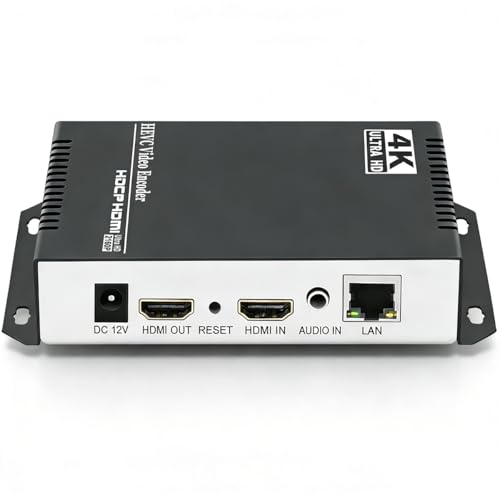
The HEVC H265 H264 HDMI to Ethernet Video Audio Encoder stands out as the ideal choice for content creators seeking high-quality live streaming solutions. With support for up to 4K UHD at 30fps and 120fps at lower resolutions, it guarantees stunning visuals. The advanced dual encoding chip allows simultaneous output of four streams to platforms like YouTube and Twitch. Customize your stream with logos and captions, and enjoy low-latency transmission thanks to HDMI to Ethernet connectivity. Plus, you’ll appreciate the intuitive interface and lifetime support, making it easy to elevate your streaming game without a technical background.
Best For: Content creators and live streamers looking for high-quality, customizable streaming solutions with low latency.
Pros:
- Supports up to 4K UHD resolution at 30fps, ensuring stunning visual quality.
- Allows simultaneous output to multiple platforms like YouTube and Twitch, enhancing reach.
- Intuitive user interface makes setup easy for users without a technical background.
Cons:
- Limited to specific streaming protocols, which may not suit all users’ needs.
- Customization options may require additional time for users unfamiliar with streaming setups.
- Higher resolution streaming may require significant bandwidth for optimal performance.
HEVC MPEG4 HDMI to IP Network Video Encoder for Live Streaming

For content creators seeking high-quality live streaming solutions, the HEVC MPEG4 HDMI to IP Network Video Encoder stands out with its ability to support 1080P HD resolution at 60fps. This encoder features advanced H.265/H.264 dual encoding technology, ensuring realistic color reproduction and lossless detail. You can simultaneously stream to multiple platforms like YouTube and Facebook without extra equipment. Customize your streams with logos, captions, and adjustable audio quality. Plus, its user-friendly interface means you don’t need a technical background to set it up. With a lifetime warranty and excellent support, it’s a reliable choice for enhancing your streaming potential.
Best For: Content creators and streamers looking for a versatile and high-quality live streaming solution that is easy to use.
Pros:
- Supports 1080P HD resolution at 60fps, delivering high-quality video output.
- Allows simultaneous streaming to multiple platforms without the need for additional equipment.
- User-friendly interface makes setup accessible even for those without technical expertise.
Cons:
- Limited to HDMI input, which may restrict compatibility with some devices.
- Requires an Ethernet connection for stable transmission, potentially limiting mobility.
- Customization options may be overwhelming for new users unfamiliar with streaming technology.
Multi-channel 4K SD HD Video Stream Encoder for IP Network

Designed for content creators and broadcasters, the Multi-channel 4K SD HD Video Stream Encoder stands out with its ability to simultaneously stream four video outputs across various platforms like YouTube and Facebook Live. You’ll appreciate its advanced H.265/H.264 dual encoding technology, delivering 4K UHD resolution at 30fps and up to 120fps at lower resolutions. With support for multiple protocols, including RTMP and HLS, you can customize your streams effortlessly. The intuitive user interface makes it easy to adjust settings like resolution and audio input, ensuring a professional streaming experience without requiring technical expertise. Enjoy lifetime warranty and support for peace of mind!
Best For: Content creators and broadcasters looking for a versatile and user-friendly solution for live streaming across multiple platforms.
Pros:
- Advanced encoding technology allows for high-quality streaming at 4K UHD resolutions.
- Simultaneous multi-stream output enables easy broadcasting to various platforms without additional equipment.
- Intuitive user interface simplifies setup and customization, making it accessible for users with no technical background.
Cons:
- Limited maximum frame rate of 30fps at 4K, which may not meet the needs of all users.
- Customization options might be overwhelming for beginners who prefer a more straightforward setup.
- Potential compatibility issues with some older streaming platforms or protocols not listed in specifications.
HD HEVC H.265 MPEG4 4K HDMI Video Streaming Encoder

Release seamless live streaming with the URayCoder HD HEVC H.265 MPEG4 4K HDMI Video Streaming Encoder, perfect for content creators enthusiastic to elevate their broadcasts. This encoder converts HDMI to popular streaming protocols like RTSP and RTMP, making it easy to broadcast on platforms like YouTube and Facebook. With support for 4K UHD video at 30fps, it delivers stunning quality. Plus, you can customize settings to match your needs. Weighing just 0.5 kg, it’s portable and user-friendly, requiring no technical expertise. Enjoy lifetime support and a 30-day return policy, ensuring peace of mind for your streaming ventures.
Best For: Content creators and live streamers looking to enhance their broadcasts with high-quality video streaming capabilities.
Pros:
- Supports 4K UHD video at 30fps, ensuring exceptional video quality for live streams.
- User-friendly interface allows for easy setup and customization without requiring technical expertise.
- Lifetime warranty and technical support provide peace of mind and assistance for users.
Cons:
- Limited to HDMI input, which may not accommodate all types of video sources.
- Portability may be hindered by the need for additional equipment for certain features.
- Streaming performance may vary depending on internet connection and network stability.
ZowieBox 3G SDI IP Video Streaming Encoder Decoder
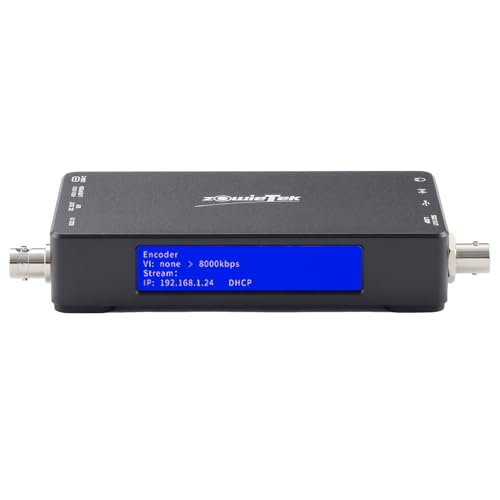
The ZowieBox 3G SDI IP Video Streaming Encoder Decoder stands out as an excellent choice for professionals needing reliable, high-quality streaming solutions. It effortlessly converts SDI signals into popular formats like SRT, RTMP, and RTSP, making it perfect for live broadcasts on platforms like YouTube and Twitch. With its compact design and plug-and-play capabilities, you can easily set it up anywhere, whether for events or remote locations. Plus, the web UI offers seamless control over video and audio settings. Enjoy low-latency transmissions and versatile compatibility with various devices, ensuring your content reaches audiences without a hitch.
Best For: Professionals seeking reliable, high-quality streaming solutions for live broadcasts on platforms like YouTube, Twitch, and Facebook Live.
Pros:
- Compact design allows for easy setup in various locations, including remote areas.
- Supports multiple streaming formats (SRT, RTMP, RTMPS, RTSP) for versatile broadcasting options.
- User-friendly web UI provides seamless control over video/audio settings and system configurations.
Cons:
- Limited to SDI input/output, which may require additional equipment for those using other formats.
- The warranty period is only one year, potentially limiting long-term support for users.
- Customer ratings indicate some users may experience issues, as reflected in the 4.1 out of 5 stars rating.
Multi-channel 4K HD HDMI to IP Network Video Stream Encoder
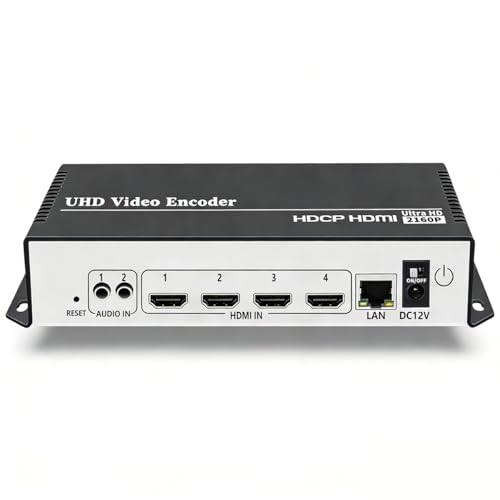
For content creators and live streamers seeking top-tier performance, the Multi-channel 4K HD HDMI to IP Network Video Stream Encoder stands out with its ability to deliver four simultaneous video streams across various protocols. This URayCoder model (UHE265-4-4K) supports H.265 and H.264 encoding, ensuring high-quality output at 4K UHD and lower resolutions. With an intuitive setup, you won’t need a technical background to get started. It’s compatible with major streaming platforms like YouTube and Twitch, and features customizable settings for logos and captions. Plus, you’ll enjoy lifetime warranty support, making it a solid investment for your streaming needs.
Best For: Content creators and live streamers seeking high-quality, versatile video streaming solutions.
Pros:
- High-quality streaming: Supports 4K UHD output and dual encoding for superior video quality.
- User-friendly setup: Intuitive interface allows users without technical backgrounds to easily configure the device.
- Lifetime warranty and support: Offers peace of mind with lifetime free warranty and technical assistance.
Cons:
- Limited to HDMI inputs: Requires HDMI source devices, which may not be available for all users.
- Weight and size: Some users may find the dimensions and weight less portable for on-the-go streaming.
- Potential compatibility issues: While compatible with major platforms, some niche streaming services may not be supported.
Factors to Consider When Choosing a Hardware Video Encoder
When you’re picking a hardware video encoder, there are several key factors to keep in mind. You’ll want to contemplate video resolution support, streaming protocol compatibility, and encoding technology efficiency. Also, think about portability and size, as well as how user-friendly the interface is for your needs.
Video Resolution Support
Choosing a hardware video encoder means considering its video resolution support, which directly impacts the clarity and detail of your output. Common options range from 1080p to 4K, and if you’re streaming events or gaming, higher resolutions like 4K are vital. You’ll also want to pay attention to frame rates; encoders often provide 30fps for 4K and up to 120fps for 2K, affecting how smooth your video appears. It’s important to select encoders that support multiple resolutions for flexibility across platforms, accommodating viewers with varying internet speeds and devices. Additionally, look for dual encoding capabilities (H.265/H.264) to optimize your video quality while minimizing bandwidth usage, especially for high-res streaming.
Streaming Protocol Compatibility
Having the right video resolution support is only part of the equation; streaming protocol compatibility plays a significant role in guaranteeing your content reaches viewers effectively. When selecting a hardware video encoder, make sure it supports a variety of protocols like RTMP, RTSP, SRT, and HLS. This maximizes compatibility with popular streaming platforms such as YouTube, Facebook, and Twitch. Look for encoders that offer multi-protocol output capabilities, allowing you to stream simultaneously to multiple services without extra gear. Verify that it can handle HTTP and UDP for flexibility in different network conditions. Advanced protocols like SRT are essential for secure, low-latency transmission, especially in unstable environments, while compatibility with ONVIF ensures seamless integration with NVRs and IP cameras.
Encoding Technology Efficiency
To guarantee a seamless streaming experience, consider the encoding technology efficiency of your hardware video encoder. Advanced codecs like H.265 enhance compression rates over H.264, reducing bandwidth usage while preserving video quality. The choice of encoding chip is essential; dual encoding chips enable simultaneous outputs for multi-platform streaming without extra hardware. Real-time encoding capabilities are fundamental for live broadcasts, ensuring instant video processing. Low latency is another critical metric; top performers minimize delays, important for gaming and live events. Additionally, efficient encoding technologies support various streaming protocols, such as RTMP, SRT, and HLS, ensuring compatibility across platforms. Prioritizing these factors will greatly elevate your streaming potential and overall viewer experience.
Portability and Size
When it comes to selecting a hardware video encoder, portability and size play an essential role in ensuring you can stream effortlessly from various locations. You’ll want to evaluate dimensions and weight—smaller and lighter devices enhance your ability to set up on the go. Aim for a compact design, ideally around 3 to 5 inches in length and width, to simplify transport and setup at events or remote sites. Opt for encoders weighing less than one pound for easier handling. Additionally, look for models that offer robust functionality without bulk, allowing for seamless integration into your existing equipment. Power options like USB connectivity or PoE support can further boost portability by cutting down on extra adapters and cables.
User Interface Usability
Choosing the right hardware video encoder involves more than just considering its portability; the user interface plays a significant role in your overall experience. A user-friendly interface gives you intuitive navigation and easy access to essential settings, so you won’t need extensive technical know-how. Look for real-time video stream status visibility via a URL—this feature lets you quickly monitor streaming quality and performance. Web-based control options are a plus, allowing you to adjust settings from your computer or mobile device for added flexibility. Customizable parameters like video resolution and frame rate should be easily adjustable. Finally, clear documentation can help you navigate the interface and troubleshoot any issues, enhancing your overall user experience.