
Scanning medium format negatives takes the right balance of detail, workflow, and convenience. The best film scanner for 120 film should preserve tonal range, handle different frame sizes well, and fit the way you actually archive photos.
In this roundup, we focus on scanners that make it easier to convert 120 film into usable digital files without unnecessary hassle, whether you want a simple standalone unit or a more advanced digitizing setup.
Best 10 Film Scanner for 120 Film Picks for 2026
Standalone medium-format scanner
Professional 22MP 35mm & 120 Scanner

- Supports 120 and several other film formats
- 22MP scans with 4.3-inch LCD preview
- Saves to internal memory or SD card
Best For: Users who want a no-computer film scanner for 120 film
Simple LCD film scanner

- 5-inch LCD with preview and basic editing
- Quick-load tray for easier scanning
- Saves to SD/SDHC and connects to PC, Mac, or TV
Best For: Users scanning common negatives and slides who want a simple workflow
Camera-based digitizing kit

- Works with 35mm and 120 negatives
- Adjustable backlight and slide rail
- Uses your own camera, lens, and tripod
Best For: Photographers digitizing 120 negatives with existing camera gear
High-end medium-format scanner
Pacific Image PrimeFilm 120 Pro Plus

- Supports 120 and multiple medium-format sizes
- 6,400 dpi true-color scanning with 48-bit depth
- Includes auto correction and infrared dust removal
Best For: Enthusiasts who want premium 120 film scanning quality
Best for Simple All-in-One Scanning
ClearClick Virtuoso 3.0 22MP Film Scanner

- 7" LCD for live preview
- Standalone scanning to SD card
- Supports 35mm, 110, and 126 film
Best For: buyers who want an easy standalone scanner for supported film types
Best for Smartphone Digitizing
JJC Mobile Film Scanner for 35mm and 120

- Supports 35mm and 120 film
- Adjustable LED backlight with 11 levels
- Wireless remote and universal phone clamp
Best For: users who want to scan 120 film with a smartphone
Best for Wide Medium-Format Support
Professional 22MP 120 Film Scanner
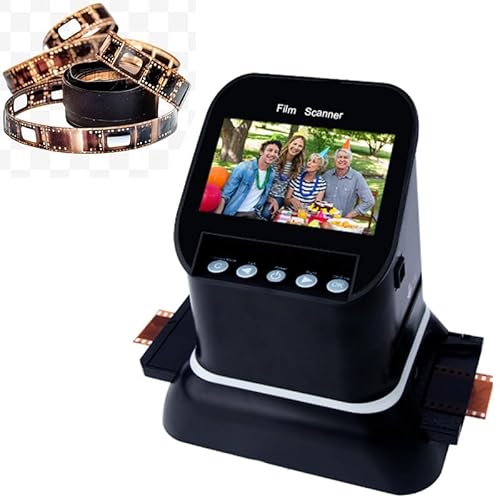
- Supports several 120 frame sizes
- 22MP scans with on-device editing
- Saves to internal memory or SD card
Best For: anyone who wants a dedicated scanner with broad 120 format compatibility
Phone Film Digitizer Kit
JJC 35mm/120 Phone Scanner Set

- Works with 35mm and 120 negatives
- 11 brightness levels on the backlight
- Metal base and magnetic holders add stability
Best For: Phone-based film digitizing with 120 and 35mm negatives
All-in-One Archiving Scanner
Galaet Medium Format Film Converter

- Supports five 120 film sizes plus 126/127
- Saves scans directly to SD card
- Built-in preview and editing controls
Best For: Standalone archiving of 120, 126, and 127 film without a computer
Compact 22MP Film Converter

- Supports five 120 film sizes plus 126/127
- Converts film to JPEG with on-device editing
- Claims up to 22MP scan quality
Best For: Straightforward desktop scanning with medium-format support
Standalone medium-format scanner – Professional 22MP 35mm & 120 Scanner
If you want a film scanner for 120 film that works without a computer, this all-in-one digitizer is built for quick at-home archiving. It supports multiple formats, saves files to internal memory or an SD card, and lets you preview and edit images right on the 4.3-inch LCD.
Best For: Home users who want a standalone scanner for mixed film formats, including 120 medium format.
Pros:
- Supports 120 medium format plus 35mm, 127, and 126K film
- 22MP output with on-device preview and basic editing
- Saves directly to internal memory or SD card, no computer required
- Compact all-in-one workflow for scanning and sharing
Cons:
- Internal memory is limited to 128MB
- SD card support is capped at 32GB
- Best suited to straightforward digitizing rather than advanced workflow control
This is a practical pick if you want a simple, self-contained way to convert medium format negatives and slides. Its strength is convenience: load, preview, adjust, and save from one device.
Simple LCD film scanner – KODAK Slide N Scan 22MP
For buyers who want a straightforward film scanner for 120 film adjacent tasks and other common formats, the KODAK Slide N Scan focuses on simple loading and easy viewing. It is designed for negatives and slides, with a large LCD and quick-edit controls that make basic digitizing more approachable.
Best For: Anyone who wants a user-friendly scanner for common film and slide formats with minimal setup.
Pros:
- 22MP scans with a 5-inch LCD for previewing and editing
- Easy-load tray design for faster, continuous scanning
- Supports 135, 110, and 126 negatives plus 50mm slides
- Saves directly to SD or SDHC cards and can connect to PC, Mac, or TV
Cons:
- 120 medium format is not listed among the supported film sizes
- SD or SDHC card is not included
- Focused more on convenience than manual control
This is a strong choice if you want a simple scanner with a polished screen and easy film loading. It is best viewed as a general-purpose home scanner rather than a dedicated medium-format solution.
Camera-based digitizing kit – JJC Film Digitizer Scanner
If you already own a camera system, this film scanner for 120 film is really a digitizing rig that pairs your camera and macro lens with a backlight panel and adjustable rail. It is designed for copying 35mm and 120 negatives into digital files with manual positioning and adjustable illumination.
Best For: Photographers who want to use their existing camera, lens, and tripod setup to digitize 120 negatives.
Pros:
- Supports 35mm and 120 medium format negatives
- Adjustable LED backlight with 11 brightness levels
- Slide rail helps dial in shooting distance and focus
- Compatible with common camera brands and multiple mounting options
Cons:
- Does not digitize 35mm slides
- Requires a separate digital camera and lens
- Best results depend on using a macro lens and proper setup
This is the most flexible choice if you want to build a high-control digitizing setup around gear you already own. It trades simplicity for adaptability, which will appeal most to experienced shooters.
High-end medium-format scanner – Pacific Image PrimeFilm 120 Pro Plus
For a more serious film scanner for 120 film, the PrimeFilm 120 Pro Plus is built around high-resolution, true-color scanning and faster operation. It supports multiple medium-format sizes along with 35mm film, making it a strong option for users who want deeper control and higher-end output.
Best For: Enthusiasts and archivists who want high-resolution medium-format scanning with broad film support.
Pros:
- Supports 120/200 film and multiple medium-format sizes up to 6x12cm
- 6,400 dpi true-color scanning with 48-bit color depth
- One-button operation with faster scan speed than the previous model
- Includes auto correction and infrared dust and scratch removal
Cons:
- Requires a fairly robust PC or Mac setup
- Physical footprint is larger than compact tabletop scanners
- Higher-end feature set may be more than casual users need
This is the most capable option in the group if image quality and medium-format support matter most. It is aimed at users who want a dedicated scanner rather than a quick casual digitizing tool.
Best for Simple All-in-One Scanning – ClearClick Virtuoso 3.0 22MP Film Scanner
If you want a straightforward film scanner for 120 film support in a larger-format workflow, this ClearClick unit is worth a look—but note that it only scans 35mm, 110, and 126 film plus 50mm slides. It’s built for quick conversion to digital photos without a computer, using the built-in 7″ LCD to preview scans in real time and save directly to an SD card.
Best For: Buyers who want an easy standalone scanner for supported film types and prefer a large preview screen.
Pros:
- Large 7″ LCD shows scans in real time as you work
- No computer or drivers required; saves directly to SD card
- Works with 35mm, 110, and 126 negatives plus 50mm slides
- 2-year warranty with free USA-based tech support
Cons:
- Does not support 120 medium format film
- SD card is not included
- Mini HDMI cable is not included
For shoppers focused specifically on 120 negatives, this is not the right match. But if you need a no-fuss desktop scanner for the film sizes it does support, the big screen and standalone operation make it easy to use.
Best for Smartphone Digitizing – JJC Mobile Film Scanner for 35mm and 120
This film scanner for 120 film is designed around your smartphone, letting you digitize 35mm and 120 medium format negatives with a backlit holder and adjustable phone clamp. It’s a practical choice if you already have a good phone camera and want a flexible, lower-tech way to copy film to digital files.
Best For: Users who want to scan 120 film with a smartphone and prefer adjustable, hands-on setup control.
Pros:
- Supports both 35mm and 120 medium format film
- Adjustable LED backlight with 11 brightness levels
- Universal phone clamp fits most smartphones with or without a case
- Detachable wireless remote helps avoid touching the phone while shooting
Cons:
- No software is included; you need a free app to process the images
- Depends on the quality of your smartphone camera
- Requires manual setup and alignment for best results
If you want a flexible way to digitize 120 negatives without buying a dedicated standalone scanner, this kit offers a strong mix of adjustability and portability. It’s best for users comfortable using a phone-based workflow and post-processing app.
Best for Wide Medium-Format Support – Professional 22MP 120 Film Scanner
If you’re shopping for a film scanner for 120 film, this model is the most directly aligned with that need. It supports 120 medium format sizes including 60×45 through 60×90, along with 35mm, 127, and 126K, and it can save scans to internal memory or an SD card while letting you adjust brightness and color on the unit.
Best For: Anyone who wants a dedicated scanner with broad 120 format compatibility and on-device editing controls.
Pros:
- Supports multiple 120 frame sizes, from 60×45 to 60×90
- 22MP output with JPEG conversion and on-device adjustments
- Large 4.3″ LCD for preview, playback, and editing
- Saves to internal memory or SD card up to 32GB
Cons:
- SD card is not included
- No warranty is listed
- Generic-brand listing may matter to buyers who want a known manufacturer
For medium-format users, this is the most purpose-built option in the group. The combination of wide 120 support, built-in controls, and standalone storage makes it a practical choice for converting old negatives and slides without a computer.
Phone Film Digitizer Kit – JJC 35mm/120 Phone Scanner Set
If you want a film scanner for 120 film that works with a smartphone, this JJC kit is built for rephotographing 35mm and 120 negatives into digital files. The adjustable backlight, magnetic holder, and sliding phone clamp make it a practical setup for home archiving, especially if you already prefer using your phone as the camera.
Best For: Phone-based film digitizing with 120 and 35mm negatives.
Pros:
- Supports both 35mm and 120 film negatives
- 11-level adjustable backlit panel with Type-C power
- Magnetic 35mm/120 holder helps position film and move the light panel
- Heavy-duty metal base adds stability during use
Cons:
- Requires a smartphone workflow rather than standalone scanning
- Best suited to users comfortable with rephotographing film
This is a solid pick if you want a compact, phone-driven digitizing station for medium-format and 35mm negatives. The included remote and adjustable stand features make it easier to get repeatable shots without a lot of extra gear.
All-in-One Archiving Scanner – Galaet Medium Format Film Converter
For buyers comparing a film scanner for 120 film, this standalone converter is built for quick digitizing and saving straight to SD card. It supports five 120 film sizes along with 126 and 127 negatives, and it also offers image preview, playback, and editing on the device for a more self-contained workflow.
Best For: Standalone archiving of 120, 126, and 127 film without a computer.
Pros:
- Supports five sizes of 120 film, plus 126 and 127 negatives
- Converts to JPEG and saves to SD card
- Offers image preview, playback, and editing on the device
- Claims up to 22MP scan quality
Cons:
- SD card is not included
- Product details list a Bluetooth connection type, which may not match a typical scanner setup
This model makes sense if you want a dedicated scanner with built-in controls instead of relying on a phone or external software. Its broad medium-format support is the main draw for anyone sorting through mixed film formats.
Compact 22MP Film Converter – KUSOLE USB 120 Slide Scanner
If you’re shopping for a film scanner for 120 film and want a simple desktop unit, this KUSOLE scanner focuses on fast conversion to JPEG with on-device editing. It supports multiple 120 frame sizes, along with 126 and 127 negatives, and works with positive, negative, and black-and-white film.
Best For: Straightforward desktop scanning with medium-format support.
Pros:
- Supports five sizes of 120 film, plus 126 and 127 negatives
- Converts film to JPEG in seconds
- Offers image preview, playback, and editing on the scanner
- Claims up to 22MP scan quality
Cons:
- SD card support is limited to 128GB and card is not included
- Details are sparse on workflow specifics beyond the built-in controls
For buyers who mainly want a compact, self-contained way to preserve old negatives, this scanner keeps the process simple. The mix of medium-format compatibility and on-device adjustments makes it a practical option for home archiving.
How We Picked the Best Film Scanner for 120 Film
We focused on models that are practical for real-world archiving, with attention to image quality, supported film formats, scan workflow, screen size or computer connectivity, and overall ease of use. For a Film Scanner for 120 Film, consistency matters as much as raw resolution, so we prioritized products that can capture medium format negatives with clear detail and manageable setup.
Quick Comparison
Standalone LCD scanners are usually the easiest option for fast home use, while computer-based and higher-end scanners tend to offer more control and better scanning potential. Mobile digitizers can be appealing if you already prefer using a phone and want a lower-cost, compact approach. If your priority is the highest quality archival output, look for stronger optics, stable film holders, and higher true resolution rather than relying on inflated marketing numbers alone.
Key Buying Factors for a Film Scanner for 120 Film
Resolution and Real Detail
Look for a scanner that delivers genuinely sharp medium format captures, not just a large MP figure. Resolution should be enough to preserve grain, shadows, and fine texture from 120 negatives.
Supported Film Size and Holders
Make sure the scanner supports 120 frames properly, with holders or alignment features that keep the film flat. Poor film positioning can reduce sharpness and consistency.
Workflow and Ease of Use
Some users want a one-button standalone scanner, while others prefer computer control or phone-based digitizing. The best choice depends on whether you value speed, simplicity, or flexibility more.
Color, Dust, and File Output
Good color handling, decent preview screens, and easy JPEG or digital export can save time. If you plan to edit later, choose a scanner that produces clean, well-exposed files with room for correction.
Who Should Buy Which Film Scanner for 120 Film?
If you are a casual archivist or family historian, a simple LCD-based scanner is often the easiest fit. If you want the strongest scanning quality for a growing archive, a more advanced dedicated model may be worth the extra cost. If portability and budget matter most, a mobile digitizer can be a smart compromise for occasional 120 film conversion.
For most buyers, the best Film Scanner for 120 Film is the one that matches your scan volume, your patience for setup, and your need for long-term image quality. Choosing based on those priorities will lead to better results than chasing specs alone.