
If you’re in the market for a field recorder that excels in broadcast audio, you’ll find plenty of options in 2026. With advancements in sound quality, durability, and user-friendly features, these devices cater to musicians, podcasters, and filmmakers alike. Choosing the right one can be challenging, but understanding the top picks will help you make an informed decision. Let’s explore the standout models that could elevate your audio projects.
TASCAM 4-Channel Portable Audio Recorder (DR-60DmkII)

If you’re a videographer looking for a reliable and portable audio solution, the TASCAM DR-60DmkII is designed just for you. This compact 4-channel recorder weighs only 1.12 pounds, making it easy to carry. You can record up to four channels simultaneously in stunning 96kHz/24-bit WAV format. With dual mic inputs featuring XLR connectors and 48V phantom power, you’ll capture high-quality sound effortlessly. The upgraded HDDA preamps guarantee low noise levels, while the internal SD card recording keeps everything organized. Plus, its compatibility with various mics gives you flexibility on set. Elevate your audio game with the TASCAM DR-60DmkII!
Best For: Videographers seeking a portable and high-quality audio recording solution.
Pros:
- Record up to four channels simultaneously in high-resolution 96kHz/24-bit WAV format.
- Dual mic inputs with locking XLR connectors and 48V phantom power for versatile microphone options.
- Lightweight and compact design makes it easy to transport on location.
Cons:
- Requires 4 AA batteries, which may need frequent replacement during extended use.
- Limited to SDHC and Secure Digital Card media, which may not accommodate newer storage formats.
- 1.75-inch display screen size may be small for detailed monitoring while recording.
Zoom F3 Professional Field Recorder for Filmmakers & Musicians

The Zoom F3 Professional Field Recorder stands out as an ideal choice for filmmakers and musicians who demand high-quality audio without the hassle of complex setups. With 32-bit float recording and dual AD converters, you’ll capture every nuance of sound with a dynamic range that’s truly impressive. There’s no need to set gain, ensuring clip-free audio every time. You can record in WAV format at up to 192 kHz, and its high-quality mic preamps offer a super-low noise floor. Plus, its compact, rugged design and compatibility with up to 512GB SD cards make it the perfect portable solution for your audio needs.
Best For: The Zoom F3 Professional Field Recorder is best for filmmakers and musicians seeking high-quality audio capture in a compact and user-friendly device.
Pros:
- 32-bit float recording allows for clip-free audio capture without the need for gain adjustments.
- High-quality mic preamps deliver a super-low noise floor, ensuring pristine sound quality.
- Rugged metal casing and compatibility with up to 512GB SD cards enhance portability and durability.
Cons:
- Limited to 2-track recording, which may not suffice for more complex audio setups.
- Battery power options may require frequent charging during extended use.
- The price point may be higher than entry-level recorders, making it less accessible for beginners.
Zoom H2n Portable Recorder with Built-In Microphones

For podcasters, musicians, and filmmakers seeking high-quality audio on the go, the Zoom H2n Portable Recorder stands out as an exceptional choice. With five built-in microphones, including X/Y and mid-side options, it captures stunning stereo and surround sound. You’ll appreciate its long battery life, lasting over 20 hours on two AA batteries. Recording in WAV up to 24-bit/96kHz or MP3 formats gives you flexibility for various projects. Plus, features like a lo-cut filter and auto gain enhance sound quality. Lightweight and compact, it’s perfect for interviews, music, and video audio. Don’t miss out on this versatile recording tool!
Best For: Podcasters, musicians, and filmmakers seeking high-quality audio recording on the go.
Pros:
- Versatile recording options with five built-in microphones for various audio scenarios.
- Long battery life of over 20 hours, making it ideal for extended recording sessions.
- Compact and lightweight design for easy portability during travel.
Cons:
- No color screen may limit usability for some users.
- Requires two AA batteries, which may be inconvenient for some users seeking rechargeable options.
- Best Sellers Rank indicates it may not be the top choice among all digital voice recorders.
TASCAM DR-40X Portable Handheld Field Recorder

Ideal for musicians, podcasters, and videographers, the TASCAM DR-40X Portable Handheld Field Recorder offers a versatile solution for capturing high-quality audio in various settings. With its two XLR/TRS inputs and dual adjustable microphones, you’ll achieve excellent sound in both A-B and X-Y positions. This recorder supports +48V phantom power, making it compatible with a wide range of microphones. Its 4-channel mode allows for dual recording and nondestructive overdubbing, perfect for music and podcasts. Plus, it doubles as a 2-in/2-out USB audio interface, seamlessly integrating with your digital audio workstation for enhanced production flexibility.
Best For: Musicians, podcasters, and videographers seeking a versatile and high-quality audio recording solution.
Pros:
- High-quality unidirectional stereo condenser microphones for enhanced audio capture.
- Supports +48V phantom power, making it compatible with a variety of professional microphones.
- Functions as a USB audio interface, allowing for seamless integration with digital audio workstations.
Cons:
- May be considered bulky for some users looking for ultra-portable options.
- Limited internal storage capacity may require additional SD cards for longer recording sessions.
- The learning curve for beginners unfamiliar with audio recording equipment.
Zoom H4 Essential Handheld Recorder for Musicians, Podcasters & Filmmakers

Musicians, podcasters, and filmmakers will appreciate the Zoom H4 Essential Handheld Recorder for its impressive 4-track recording capability that eliminates the need for gain settings. With high-quality X/Y stereo microphones and ultra-clean Zoom preamps, you’ll capture crystal-clear audio. It records at up to 96kHz and supports SD card and USB recording simultaneously, making it versatile for any project. Weighing just 10.6 ounces and measuring 7.87 x 3.9 inches, it’s portable enough to take anywhere. Plus, its audio guidance feature guarantees accessibility for visually impaired users. With a solid customer rating of 4.4 stars, it’s a reliable choice for quality sound.
Best For: Musicians, podcasters, and filmmakers seeking a portable and high-quality handheld recording solution.
Pros:
- High-quality 4-track recording with no gain settings needed.
- Lightweight and compact design for easy portability.
- Audio guidance feature for accessibility, catering to visually impaired users.
Cons:
- Requires 2 AA batteries, which may need frequent replacement.
- Limited display size at 2 inches, potentially making it harder to read for some users.
- Customer rating of 4.4 stars indicates some room for improvement based on user feedback.
Zoom H1 Essential Handheld Recorder

The Zoom H1 Essential Handheld Recorder stands out as a versatile tool for podcasters and content creators seeking high-quality audio capture. With its stereo 32-bit float recording, you’ll achieve perfect audio without the hassle of gain adjustments. The high-quality X/Y microphones capture clean sound up to 120 dB SPL, while recording at a sample rate of up to 96 kHz to an SD card. Its USB-C port makes it easy to connect to various devices, and it even includes an audio guidance function for visually impaired users. Lightweight and compact, this recorder is a reliable companion in any audio project.
Best For: The Zoom H1 Essential Handheld Recorder is best for musicians, podcasters, filmmakers, and content creators looking for high-quality audio capture in a portable device.
Pros:
- High-quality audio with 32-bit float recording eliminates the need for gain adjustments.
- Compact and lightweight design makes it easy to carry for on-the-go recording.
- Versatile connectivity options with USB-C port for seamless integration with various devices.
Cons:
- Requires 2 AAA batteries, which may be inconvenient for extended use.
- Limited built-in storage, as recordings are saved to an SD card.
- Audio guidance feature may not be as intuitive for all users.
Zoom H1 XLR Handy Recorder with 32-Bit Float

For anyone seeking exceptional audio quality without the worry of clipping, the Zoom H1 XLR Handy Recorder with 32-bit float is a game changer. This versatile recorder features Dual A/D Converters, ensuring you capture every detail of your audio. With two XLR/TRS locking combo inputs and a 3.5mm stereo jack, it connects easily to various devices. You can record at a stunning 96kHz sample rate, making it perfect for musicians, podcasters, and filmmakers alike. Plus, its voice guidance accessibility feature enhances usability for visually impaired users, ensuring everyone can enjoy its capabilities. This recorder truly caters to diverse recording needs.
Best For: Musicians, podcasters, filmmakers, and content creators seeking high-quality audio recording without clipping.
Pros:
- Exceptional audio quality with 32-bit float recording and Dual A/D Converters.
- Versatile connectivity with 2 XLR/TRS inputs and a 3.5mm stereo jack for various devices.
- User-friendly accessibility features including voice guidance for visually impaired users.
Cons:
- Limited battery life may require frequent recharging during extended use.
- Lacks advanced editing features that some professional recorders offer.
- Might be complex for beginners unfamiliar with audio recording equipment.
Zoom H5 4-Track Portable Recorder for Audio and Podcasting
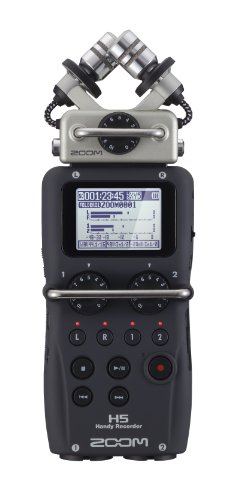
Looking for a versatile recording solution? The Zoom H5 4-Track Portable Recorder is perfect for your audio, music, and podcasting needs. With its interchangeable input capsules, including a detachable X/Y capsule, you’ll enjoy high-quality sound while minimizing handling noise. You can record four tracks simultaneously and use the two mic/line inputs with selectable phantom power. It operates on just two AA batteries and doubles as a USB audio interface for your PC or iPad. Highly rated by users, the H5 is a reliable choice that combines portability with professional capabilities, making it a top pick for creators like you.
Best For: Creators looking for a portable and versatile audio recording solution for music, podcasts, and video production.
Pros:
- High-quality sound: Interchangeable input capsules and shock-mounted mics reduce handling noise for optimal audio clarity.
- Four-track recording: Simultaneously record up to four tracks, perfect for multi-instrument setups or layered podcasting.
- Portable and user-friendly: Operates on just two AA batteries, making it easy to use on the go and compatible with PC/Mac/iPad as a USB audio interface.
Cons:
- Limited storage: Supports only SD/SDHC cards up to 32GB, which may not be sufficient for extensive recording sessions.
- Weight and size: At 4.1 ounces and its dimensions, it may be bulkier than some users prefer for ultra-portable setups.
- Battery dependency: Requires two AA batteries, which can be a hassle for long recording sessions without access to a power source.
Zoom F6 Professional Field Recorder/Mixer for Filmmakers & Musicians

Filmmakers and musicians seeking high-quality audio will find the Zoom F6 Professional Field Recorder/Mixer an essential tool. With six XLR inputs and advanced 32-bit float recording, it captures pristine sound with dual A/D converters. This 6-channel/14-track recorder features hybrid limiters for 24-bit recordings, ensuring you never miss a moment. The locking Neutrik XLR connectors provide reliable connectivity, while the iOS F control app allows for wireless operation. Powered by batteries, it’s perfect for field use, delivering professional-quality preamps for superior audio fidelity. The Zoom F6 truly elevates your audio production, making it a must-have for any serious creator.
Best For: Filmmakers and musicians who require a high-quality audio recording solution for their projects.
Pros:
- High-quality 32-bit float recording ensures exceptional audio fidelity and flexibility in post-production.
- Six XLR inputs allow for versatile recording options, accommodating multiple audio sources simultaneously.
- Battery-powered for field use, making it ideal for on-location shoots without reliance on external power sources.
Cons:
- Higher price point compared to basic recorders, which may not be suitable for budget-conscious creators.
- Complexity of features might be overwhelming for beginners or those unfamiliar with advanced recording equipment.
- Limited internal storage may necessitate frequent data management or the use of external storage solutions.
Zoom R4 MultiTrak Recorder with XLR/Combo Inputs

The Zoom R4 MultiTrak Recorder stands out with its 32-bit float recording capability, making it an excellent choice for audio professionals who demand high-quality sound on the go. With two XLR/combo inputs and a built-in microphone, you can capture up to four tracks along with a dedicated bounce track. Its compact size, measuring just 8.9 x 6.1 x 1.9 inches and weighing 9.6 ounces, guarantees portability for any project. Plus, you’ll appreciate the added effects and rhythms for creative flexibility. Rated 4.4 out of 5 stars, it’s a reliable tool for your audio needs in 2026.
Best For: Audio professionals and musicians seeking a portable multi-track recording solution with high-quality sound.
Pros:
- High-quality 32-bit float recording for superior audio fidelity.
- Lightweight and compact design makes it easy to transport for on-the-go recording.
- Built-in microphone and multiple inputs provide versatility for various recording scenarios.
Cons:
- Limited to 4 tracks may not meet the needs of larger projects.
- Battery life may vary depending on usage and settings.
- Effects and rhythms may not satisfy more advanced users looking for extensive sound manipulation options.
Factors to Consider When Choosing a Field Recorder for Broadcast Audio
When you’re choosing a field recorder for broadcast audio, you need to contemplate several key factors. Audio quality and clarity should be at the top of your list, followed by input options and compatibility with your existing gear. Don’t forget to think about portability, battery life, and the recording formats that best suit your needs.
Audio Quality and Clarity
Choosing a field recorder for broadcast audio means considering several essential factors that directly impact audio quality and clarity. Look for recorders with high sample rates and bit depths, like 96 kHz and 24-bit, to achieve greater fidelity and dynamic range. High-quality preamps are vital; they minimize noise levels and enhance clarity, providing a super-low noise floor. Consider a model that supports 32-bit float recording, which captures audio without clipping, guaranteeing loud sounds come through accurately. Multi-channel recording capabilities allow you to capture different audio sources simultaneously, isolating sounds and reducing background noise. Finally, verify compatibility with professional-grade microphones and XLR inputs with phantom power for peak audio quality and versatility during your recording sessions.
Input Options and Compatibility
Considering input options and compatibility is essential for finding a field recorder that meets your broadcast audio needs. Look for recorders with XLR/TRS combo inputs, which provide versatile connectivity for various microphones and instruments. Make certain the recorder supports phantom power, typically +48V, to use professional condenser mics that enhance audio quality. Check for compatibility with different file formats like WAV and MP3, as well as storage options such as SD cards for flexible audio management. It’s also beneficial to have dual inputs or more for simultaneous recording, allowing you to capture multi-source audio effectively. Finally, consider connectivity options like USB for direct interfacing with computers or mobile devices to streamline your workflow and audio transfers.
Portability and Design
Portability and design play an essential role in your selection of a field recorder for broadcast audio, as you need a device that’s easy to handle and transport. Look for recorders that weigh around one pound or less, ensuring comfort during long sessions. A rugged metal casing is vital for durability, allowing you to withstand various outdoor conditions while remaining easy to mount on tripods. User-friendly designs with intuitive controls can make quick adjustments a breeze, especially in fast-paced environments. Additionally, consider models with adjustable microphones or interchangeable input capsules, so you can adapt to different recording situations effortlessly. These factors will help you choose a recorder that meets your broadcast audio needs effectively.
Battery Life and Power
When you’re out in the field, the battery life and power options of your recorder can make all the difference in capturing high-quality audio. Many models can run for over 20 hours on just two AA batteries, perfect for long sessions. Consider recorders that use multiple battery types, like AA and Lithium Polymer, as they offer flexibility and convenience. Some portable recorders also allow for external power sources, which can be a lifesaver in certain situations. Keep in mind the number of batteries required; some may need up to four AA batteries, adding weight. Finally, look for efficient power management features like auto shut-off or power-saving modes, which can greatly extend your recording time.
Recording Formats and Capabilities
As you evaluate field recorders for broadcast audio, understanding the various recording formats and capabilities is essential. Most field recorders support multiple formats, with WAV being the go-to for high-quality audio, offering resolutions up to 96kHz/24-bit. Look for models that provide 32-bit float recording; this feature guarantees a wide dynamic range, preventing clipping without constant gain adjustments. If you’re working on complex projects, consider recorders that allow simultaneous multi-channel recording. Additionally, confirm compatibility with high-capacity SD cards (up to 512GB) for extended sessions. Remember, the choice between formats like MP3 and WAV affects audio quality and file size, so think carefully about your intended use and available storage.
User Interface and Controls
A user-friendly interface can greatly enhance your experience with field recorders for broadcast audio, enabling quick adjustments during recording sessions. Look for clearly labeled buttons and controls that make usability a breeze. Touchscreen displays can offer intuitive navigation and real-time feedback, allowing you to monitor levels and settings easily on the go. Dedicated physical knobs for gain control are a plus, as they let you make precise audio adjustments without digging through menus. If you’re visually impaired, consider models with accessibility features like audio guidance. Finally, customizable shortcut buttons can streamline access to your frequently used functions, boosting efficiency in dynamic recording environments. Prioritizing these aspects will help you capture high-quality sound effortlessly.
Price and Value Proposition
Choosing the right field recorder for broadcast audio involves weighing price against performance to confirm you’re making a smart investment. When evaluating options, consider the price-to-performance ratio; higher-end models often provide features like 32-bit float recording and advanced preamps that enhance audio fidelity. Quality field recorders typically range from $100 to over $1,000, reflecting various capabilities. Assess the long-term value of your investment, as a pricier model that meets professional standards can yield better sound and durability over time. Don’t overlook usability features like battery life, portability, and connectivity options, which affect overall value in different environments. Additionally, check customer ratings—aim for models with averages around 4.5 out of 5 stars to confirm you’re getting good value for your money.