
Choosing a fast prime lens for night sky photography is about more than just a bright aperture. You also want a wide field of view, good corner sharpness, controlled coma, and reliable focus in the dark.
This roundup highlights ten standout options for mirrorless shooters across Sony, Canon, Nikon, and APS-C systems, helping you match lens speed and focal length to your style of astrophotography.
Best 10 Fast Prime Lens for Night Sky Photography Picks for 2026
Ultra-Wide Low-Light Pick
Sony FE 20mm F1.8 G for Astro and Night Scenes
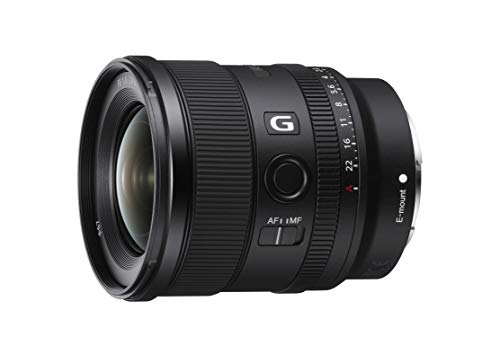
- 20mm ultra-wide view suits star fields and landscapes.
- f/1.8 aperture supports low-light and night-sky shooting.
- Compact 373 g design with fast XD autofocus.
Best For: Sony E-mount photographers wanting a portable wide prime for astrophotography.
Astro Ultra-Wide Flagship
Sony FE 14mm F1.8 GM for Night Sky Work

- 14mm field of view is ideal for broad night-sky scenes.
- f/1.8 aperture and GM optics target astro image quality.
- Compact design with fast XD linear motors.
Best For: Astrophotographers seeking Sony’s widest premium fast prime.
Budget Ultra-Wide Option
Canon RF 16mm F2.8 STM for Night Scapes

- 16mm ultra-wide angle suits starry landscapes.
- f/2.8 aperture balances brightness and portability.
- Tiny 165 g build is easy to carry on EOS R bodies.
Best For: Canon EOS R users wanting a compact ultra-wide prime for night skies.
Portable Wide-Angle Bundle
Sony FE 16mm F1.8 G for Low-Light Shooting

- 16mm f/1.8 lens is suited to astro and low-light work.
- 165 g body keeps the kit compact and travel-friendly.
- Bundle includes filter kit, cleaning kit, pouch, and cap keeper.
Best For: Sony shooters who want a lightweight wide prime bundle for night photography.
Value Wide Prime
VILTROX 24mm f/1.8 for Low Light

- f/1.8 aperture supports night sky and low-light shooting
- 24mm wide angle suits stars, landscapes, and architecture
- STM autofocus and internal focus design aid smooth handling
Best For: Nikon Z users wanting an affordable astro-friendly wide prime
Pro Astro Wide
Canon RF 20mm f/1.4 L VCM for Astro
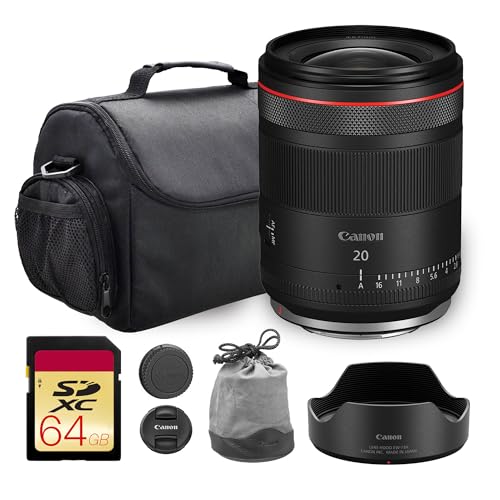
- f/1.4 aperture is excellent for night sky shooting
- 20mm ultra-wide view suits astrophotography and landscapes
- Advanced optics and hybrid AF target pro-level performance
Best For: Canon RF creators seeking a premium astro-focused wide prime
Compact Astro Prime
Sony E 11mm F1.8 for APS-C Night Skies

- f/1.8 aperture supports low-light and astro shooting
- 11mm ultra-wide view captures broad sky scenes
- Compact design and linear motors suit travel-friendly use
Best For: Sony APS-C shooters wanting a small ultra-wide lens for night skies
Premium 35mm Low-Light Prime

- f/1.8 aperture for low-light shooting
- Very sharp center-to-edge performance
- Silent AF with optical VR support
Best For: Nikon Z users wanting a sharp low-light 35mm prime
Ultra-Wide Astro Prime

- Ultra-wide 16mm view for astro scenes
- Bright f/1.8 aperture for low light
- LCD screen and AF/MF controls
Best For: Nikon Z shooters wanting an ultra-wide astrophotography prime
Compact Wide-Angle Night Lens

- Bright f/1.8 aperture for low light
- 20mm wide angle for astro and travel
- Compact 373 g design
Best For: Sony E-mount users wanting a portable astrophotography prime
Ultra-Wide Low-Light Pick – Sony FE 20mm F1.8 G for Astro and Night Scenes
If you want a fast prime lens for night sky photography that still feels practical for everyday use, the Sony FE 20mm F1.8 G is a strong middle ground. Its 20mm ultra-wide view and f/1.8 aperture make it well suited to capturing stars, landscapes, and wide environmental scenes with plenty of light.
Best For: Full-frame Sony shooters who want a compact, wide, low-light prime for astrophotography and travel.
Pros:
- F/1.8 aperture helps gather light for dark-sky shooting.
- 20mm focal length gives a wide perspective for star fields and landscapes.
- Compact, lightweight design is easy to carry to remote locations.
- Two XD linear motors support fast, precise autofocus.
Cons:
- Not as wide as a 14mm option for maximum sky coverage.
- No image stabilization listed.
- Designed for Sony E-mount bodies only.
Overall, this lens is a balanced choice if you want strong wide-open performance without moving to an extreme ultra-wide focal length. It makes sense for photographers who want one fast, portable lens for night skies, landscapes, and general low-light work.
Astro Ultra-Wide Flagship – Sony FE 14mm F1.8 GM for Night Sky Work
The Sony FE 14mm f/1.8 GM is built for shooters who want a fast prime lens for night sky photography with an especially wide field of view. Its 14mm perspective and bright f/1.8 aperture make it a natural fit for astrophotography, while the compact, lightweight design helps when you are working in the field.
Best For: Sony full-frame shooters who want maximum sky coverage and premium optical performance for astro, landscape, and low-light work.
Pros:
- 14mm ultra-wide view captures a broad portion of the sky.
- F/1.8 aperture is bright enough for low-light and astro shooting.
- XA, ED, and Super ED elements are designed to reduce flare, ghosting, and chromatic aberration.
- Two XD linear motors provide fast, precise autofocus and tracking.
Cons:
- Premium G Master lens likely sits at a higher price point.
- Manual focus is listed in the details, so AF needs to be considered carefully when comparing use cases.
- Limited to Sony E-mount cameras.
For serious astro shooters, this lens stands out because it combines a very wide angle with a fast aperture and the optical corrections needed for clean edge-to-edge results. It is the most specialized low-light option in this group for dramatic night sky compositions.
Budget Ultra-Wide Option – Canon RF 16mm F2.8 STM for Night Scapes
If you are looking for a fast prime lens for night sky photography in the Canon RF system, the RF 16mm F2.8 STM is the most compact and affordable-feeling option here. The 16mm ultra-wide view and f/2.8 aperture make it a practical choice for starry landscapes, while its small size is easy to live with on mirrorless bodies.
Best For: Canon EOS R shooters who want a tiny, lightweight ultra-wide prime for astrophotography and travel.
Pros:
- 16mm ultra-wide focal length works well for night skies and broad scenes.
- F/2.8 aperture still provides a bright low-light option.
- Very lightweight at 165 g and highly compact for mirrorless use.
- STM autofocus is smooth and quiet for video recording.
Cons:
- Slower than f/1.8 or f/1.4 alternatives for extreme low-light work.
- No image stabilization is listed as optical stabilization.
- Designed specifically for Canon RF mount cameras.
This lens makes sense if size and simplicity matter as much as low-light performance. It is not the brightest lens in the roundup, but its combination of portability, ultra-wide framing, and Canon RF compatibility makes it a smart entry point for night sky shooting.
Portable Wide-Angle Bundle – Sony FE 16mm F1.8 G for Low-Light Shooting
The Sony FE 16mm f/1.8 G is a strong pick if you want a fast prime lens for night sky photography with a very portable, field-friendly build. Its 16mm ultra-wide angle and f/1.8 aperture are a useful combination for low-light work, and the bundle adds practical accessories for travel and maintenance.
Best For: Sony E-mount shooters who want a lightweight ultra-wide prime bundle for astro, landscapes, and general low-light use.
Pros:
- F/1.8 aperture is bright for night scenes and astro work.
- 16mm field of view captures expansive skies and foreground detail.
- Very light at 165 g, making it easy to carry on long shoots.
- Includes filter kit, cleaning kit, pouch, and cap keeper.
Cons:
- Bundle adds accessories, but the core lens is still Sony E-mount only.
- No optical image stabilization is listed.
- The supplied notes describe it as designed for APS-C cameras, so mount/body compatibility should be checked carefully against your setup.
As a low-light wide prime, this lens focuses on portability and practical handling more than extreme reach. The included accessory bundle also makes it appealing if you want a ready-to-go kit for travel and field shooting.
Value Wide Prime – VILTROX 24mm f/1.8 for Low Light
If you want a fast prime lens for night sky photography on Nikon Z bodies without jumping straight to a premium price tier, the VILTROX 24mm f/1.8 is a practical pick. Its 24mm focal length and bright f/1.8 aperture are aimed at low-light scenes, including starry sky and night shooting, while the internal focus design helps maintain better optical control for point light sources.
Best For: Nikon Z shooters who want an affordable wide prime for stars, landscapes, and night scenes.
Pros:
- Bright f/1.8 aperture helps pull in light for dark-sky work.
- 24mm wide-angle view is well suited to starry sky and landscape framing.
- Internal focus design and ED/aspheric elements are meant to reduce coma and chromatic aberration.
- STM autofocus is quiet and smooth for stills or short video clips.
Cons:
- It is designed for Nikon Z mount cameras only.
- No image stabilization is included.
Overall, this lens gives Nikon Z owners a lightweight, versatile way to get into low-light and astro shooting. It is not the fastest aperture in the group, but it balances brightness, autofocus, and portability well.
Pro Astro Wide – Canon RF 20mm f/1.4 L VCM for Astro
The Canon RF 20mm f/1.4 L VCM is a standout fast prime lens for night sky photography if you shoot Canon RF and want a pro-grade ultra-wide. The bright f/1.4 aperture, 20mm field of view, and advanced optics are built for low light, with the product notes specifically calling out astrophotography, landscapes, and architecture.
Best For: Canon RF shooters who want a premium ultra-wide prime for astrophotography and other low-light work.
Pros:
- Very bright f/1.4 aperture is ideal for dark skies and low-light scenes.
- 20mm ultra-wide angle is well matched to astrophotography and broad night landscapes.
- BR, UD, ASC, and SWC elements/coatings are designed to reduce aberration, flare, and ghosting.
- Hybrid autofocus system is fast, silent, and optimized for photo and video use.
Cons:
- It is a premium L-series lens, so it is aimed at higher-end buyers.
- It does not include image stabilization.
This is the most specialized and most capable option here for Canon users focused on night sky work. If you want speed, wide coverage, and advanced optical control in one lens, it is a strong fit.
Compact Astro Prime – Sony E 11mm F1.8 for APS-C Night Skies
The Sony E 11mm F1.8 is a compact, lightweight ultra-wide prime that makes sense if you want a fast prime lens for night sky photography on Sony APS-C cameras. Its bright f/1.8 aperture, 11mm field of view, and quiet autofocus are a strong match for low-light scenes, especially when you want a wide frame without carrying much gear.
Best For: Sony APS-C shooters who want a small, bright ultra-wide lens for stars, vlogging, and travel.
Pros:
- Large f/1.8 aperture helps in low light and night scenes.
- 11mm ultra-wide view captures expansive skies and sweeping backgrounds.
- Compact, lightweight build is easy to carry for travel or handheld shooting.
- Two linear motors deliver fast, precise, and quiet autofocus.
Cons:
- It is made for APS-C E-mount cameras, not full-frame bodies.
- The 7-blade diaphragm may be less ideal if you prioritize very smooth bokeh.
For Sony APS-C users, this lens offers an appealing balance of portability and low-light capability. It is especially practical if you want a wide, fast lens that can handle astro work without making your kit bulky.
Premium 35mm Low-Light Prime – Nikon Z 35mm f/1.8 S
If you want a fast prime lens for night sky photography with a more natural, standard field of view, the Nikon NIKKOR Z 35mm f/1.8 S is a strong choice. Its f/1.8 aperture is built for low-light shooting, and the lens is described as extremely sharp from center to edge, which helps when you want clean detail in dim conditions.
Best For: Z-mount shooters who want a sharp 35mm prime for low-light scenes, nightscapes, and general-purpose shooting.
Pros:
- Fast f/1.8 aperture supports superior low-light performance.
- Extremely sharp optical performance from the center to the edges.
- Silent stepping motor is useful for discreet focusing.
- Built-in optical VR adds extra stability on supported Z cameras.
Cons:
- 35mm is less wide than ultra-wide options for sweeping astro scenes.
- Only works with Nikon Z series mirrorless cameras.
This lens makes sense if you want a premium everyday prime that can also handle low-light sky work well. It is not the widest option here, but it balances brightness, sharpness, and stabilization features in a very polished package.
Ultra-Wide Astro Prime – VILTROX 16mm f/1.8 Z
The VILTROX 16mm f/1.8 Z is built around the kind of wide view many shoppers want in a fast prime lens for night sky photography. Its f/1.8 aperture is aimed at low-light work, while the 16mm focal length and 105.6° angle of view make it easier to capture expansive skies, landscapes, and city scenes in one frame.
Best For: Nikon Z photographers who want an ultra-wide, bright prime for astrophotography and sweeping low-light scenes.
Pros:
- f/1.8 aperture is designed for excellent low-light performance.
- 16mm ultra-wide view is well suited to astrophotography and landscapes.
- STM stepping motor supports precise autofocus and eye/face recognition.
- LCD display and Fn1 button add useful on-lens controls.
Cons:
- Full-frame Nikon Z compatibility is the focus, so mount support is limited to that system.
- At 565g, it is compact for the class but not the lightest option.
For night sky work, this lens stands out because it combines a very wide perspective with a bright aperture. If you want more sky in the frame and still need usable low-light performance, it is one of the most purpose-built picks in this group.
Compact Wide-Angle Night Lens – Sony FE 20mm F1.8 G
The Sony FE 20mm F1.8 G is a practical fast prime lens for night sky photography if you want a wide frame without going to the most extreme focal lengths. Its bright f/1.8 aperture is suited to low-light shooting, and Sony positions it for landscapes, astrophotography, interiors, and handheld use.
Best For: Sony E-mount shooters who want a compact, bright wide-angle prime for astrophotography and travel.
Pros:
- f/1.8 aperture is ideal for low-light shooting and night skies.
- 20mm wide-angle view is versatile for astro, landscapes, and interiors.
- Compact 373 g design makes it easy to carry.
- Optical design emphasizes edge-to-edge sharpness and reduced flare.
Cons:
- Not as wide as a 16mm lens if you want the broadest possible sky coverage.
- Built for Sony E-mount bodies, so system use is limited.
This is a well-rounded choice if you want a fast, portable wide prime that still feels very capable after dark. It brings together a bright aperture, sharp optics, and a manageable size for shooters who split time between night sky work and everyday photography.
How We Picked the Best Fast Prime Lens for Night Sky Photography
For a Fast Prime Lens for Night Sky Photography, we focused on the factors that matter most in real astrophotography use: aperture speed, wide-angle coverage, optical correction for pinpoint stars, autofocus behavior, filter compatibility, and overall size and weight for travel.
We also gave preference to lenses that make sense for modern mirrorless systems, since many night-sky shooters value compact builds and strong corner performance as much as raw brightness.
Quick Comparison
In general, wider lenses such as 14mm to 20mm are the easiest to use for Milky Way scenes and landscape-heavy compositions, while 24mm to 35mm options can offer a more natural perspective and greater flexibility for night portraits, tracked skies, or tighter framing.
Brighter apertures like f/1.4 and f/1.8 can capture more light and help keep ISO lower, but they may also come with larger size, higher cost, or more critical focus demands. Slower lenses such as f/2.8 can still work well if you shoot carefully and prioritize portability or budget.
Key Buying Factors for Fast Prime Lens for Night Sky Photography
Aperture and Light Gathering
Look for a wide maximum aperture if you want shorter shutter speeds and cleaner files. An f/1.4 or f/1.8 lens is often ideal, though f/2.8 can still be practical with modern sensors and careful technique.
Focal Length and Framing
Ultra-wide lenses are best for sweeping skies, foreground landscapes, and minimizing star motion. Wider focal lengths also make it easier to follow the common astrophotography rule of keeping exposures short enough to avoid visible star trailing.
Edge Performance and Coma Control
For night sky work, sharp center detail is not enough. Check how well a lens handles corners and bright points of light near the edges, since coma and astigmatism can turn stars into smeared shapes.
Focus, Build, and Practicality
Manual focus must be accurate and easy to repeat, while autofocus can still help for daytime use and some hybrid shooting. Weather resistance, filter size, and weight matter too, especially if you hike to dark-sky locations.
Who Should Buy Which Fast Prime Lens for Night Sky Photography?
If you want the easiest all-around choice for Milky Way landscapes, go wide and bright, ideally in the 14mm to 20mm range. If you want a more versatile lens for both astro and general low-light shooting, a 24mm or 35mm prime may be the better fit.
APS-C shooters should pay close attention to effective field of view, since an 11mm or 16mm lens can deliver the wide framing needed for the night sky. Full-frame users who prioritize the cleanest stars and strongest subject separation should lean toward the fastest glass their budget and camera mount allow.