
Recording a panel discussion is harder than filming a single speaker. You need a camera that can keep multiple people in frame, handle movement, and deliver clear results without constant adjustment.
These picks focus on flexibility, video quality, audio support, and practical setup so you can choose the right camera for your room, workflow, and budget.
Best 10 Camera for Recording Panel Discussions Picks for 2026
All-in-One Videobar Choice
Bose Professional VB-S Video Conference Camera

- 4K camera with wide field of view and 5x digital zoom
- Four beamforming microphones reduce unwanted background noise
- All-in-one design adds Bluetooth speaker functionality
Best For: Smaller rooms that need video, audio, and speaker output in one unit
Premium Desktop Tracking Pick
Insta360 Link 2 Pro 4K PTZ Webcam

- 4K webcam with a large 1/1.3-inch sensor for cleaner video
- AI tracking pans and tilts to follow speakers
- Directional dual mics and software controls support discussion capture
Best For: Desktop or compact-room panel recordings with strong image quality
AI PTZ 4K Track
EMEET PIXY Dual-Camera Streaming Kit
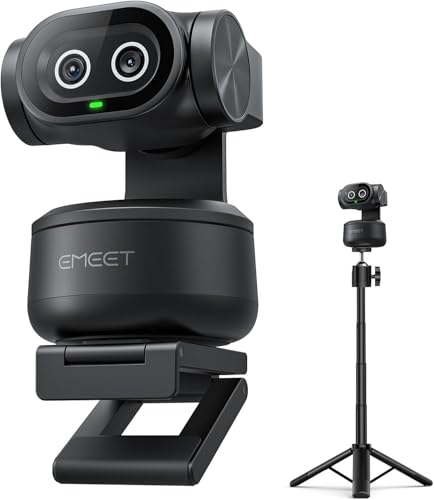
- Dual-camera 4K system with AI-assisted autofocus
- 310° pan and 180° tilt with gesture control
- 3-mic array with three sound modes
Best For: panel discussions, hybrid meetings, and moving speakers
Portable 4K Rec

- 4K recording with 270° rotatable touchscreen
- Wireless remote for hands-off control
- Includes 2 batteries and 32GB card
Best For: simple panel recordings and small group talks
Room-Fill 360
PANOCORE360 Conference Room Camera
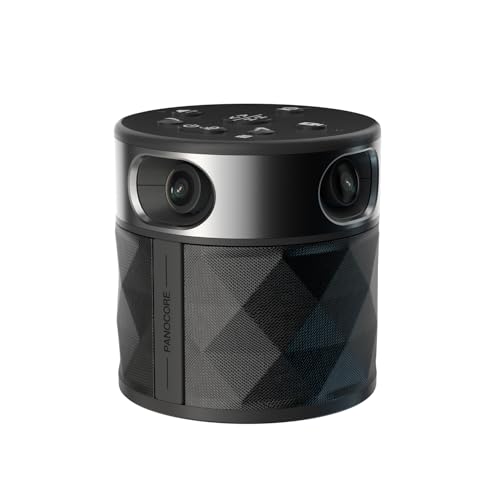
- 360° room capture with 1080p output
- Auto speaker focus with dual vision modes
- Built-in speaker and 3-mic array
Best For: conference rooms and hybrid panel discussions
Portable 4K Recorder for Simple Panel Coverage

- 4K video with 150° wide-angle lens
- X/Y mics rated to 120dB SPL
- USB streaming and HDR scene presets
Best For: Small panels and quick all-in-one recording
AI PTZ Tracking Pick – TONGVEO 20X Zoom Conference Room Camera
If you need a camera for recording panel discussions, this TONGVEO PTZ system is built around keeping multiple speakers framed smoothly. The AI auto-tracking modes, 20X optical zoom, and 1080P 60fps output make it a practical choice for conference rooms, churches, and live-streamed discussions where you want predictable camera movement and clear speaker shots.
Best For: Panel recordings that need automated framing, long-throw zoom, and simple HDMI/USB setup.
Pros:
- AI tracking supports single-person tracking and multi-person auto framing.
- 20X optical zoom helps capture distant speakers without digital zoom softness.
- 1080P at 60fps offers smooth motion for recorded discussions and streams.
- HDMI and USB 3.0 plug-and-play connectivity works with Zoom, OBS, Teams, and YouTube.
Cons:
- Only records at 1080p, not 4K.
- Best results depend on the AI tracking and PTZ setup being configured correctly.
- Bulkier than a small webcam-style option.
Overall, this is a strong fit when the goal is dependable speaker coverage rather than a compact desktop camera. The preset memory, quiet PTZ movement, and optical zoom make it well suited to rooms where panelists shift positions during a session.
All-in-One Videobar Choice – Bose Professional VB-S Video Conference Camera
For a camera for recording panel discussions in a cleaner all-in-one format, the Bose Professional VB-S combines a 4K camera, noise-reducing microphones, and a hi-fidelity Bluetooth speaker in one unit. Its wide field of view, digital PTZ functions, and auto-framing modes make it useful for smaller discussion spaces where you want simple setup and clear audio in the same device.
Best For: Smaller meeting rooms and classrooms that want video, audio, and speaker output in one device.
Pros:
- 4K Ultra-HD camera with 5x digital zoom and a wide field of view.
- Four beamforming microphones help focus on voices and reduce unwanted noise.
- Digital PTZ and two auto-framing modes support flexible discussion coverage.
- Includes Bluetooth speaker functionality for calls, playback, or room audio.
Cons:
- Digital zoom is less flexible than optical zoom for distant subjects.
- Best suited to rooms where an all-in-one bar form factor fits the layout.
- Tabletop or wall placement may not suit every panel setup.
This is a good fit when you want fewer separate pieces of gear and a more polished room setup. It prioritizes convenience and strong audio capture, which can matter as much as the video when recording multiple speakers.
Premium Desktop Tracking Pick – Insta360 Link 2 Pro 4K PTZ Webcam
If you want a camera for recording panel discussions from a desk or compact meeting setup, the Insta360 Link 2 Pro offers 4K video, AI tracking, and a large 1/1.3-inch sensor for cleaner image quality. Its PTZ movement, directional noise-canceling mics, and software controls make it especially practical when you need a webcam that can follow speakers and adapt to different discussion formats.
Best For: Desktop or compact-room recordings where 4K image quality and AI tracking matter most.
Pros:
- 4K resolution with a large 1/1.3-inch sensor helps deliver detailed video and better low-light performance.
- AI tracking physically pans and tilts to keep speakers in frame.
- Directional dual mics help reduce background noise and isolate voices.
- Stream Deck integration and Link Controller software add useful workflow control.
Cons:
- Digital zoom is limited to 4x.
- Currently not compatible with ARM-based Windows systems or Windows Hello Face Recognition.
- Best suited to close-to-medium distance coverage rather than larger rooms.
For panel recordings at a desk or in a small meeting space, this is the most polished webcam-style option in the group. It balances strong video quality with tracking features that can make a discussion feel more dynamic without requiring a full PTZ camera system.
Budget All-Purpose Camcorder – 4K 64MP Vlogging Camcorder Kit
As a camera for recording panel discussions, this 4K camcorder is a versatile low-cost option if you want a simple handheld setup with a microphone and accessories included. The external stereo mic, remote control, and webcam function make it adaptable for basic indoor recordings, though it is more of a general-purpose camcorder than a dedicated conference-room solution.
Best For: Simple, budget-friendly discussion recording with included mic and accessories.
Pros:
- Records in 4K Ultra HD and includes a 64MP image sensor.
- External stereo microphone improves audio capture for interviews and live streams.
- Includes a remote, lens hood, stabilizer, 32GB card, and two batteries.
- Webcam function adds flexibility for calls and streaming.
Cons:
- 18X zoom is digital rather than optical.
- Handheld camcorder design is less specialized for fixed multi-speaker setups.
- Audio and video features are broad, but not tailored to conference-room tracking.
This kit makes sense when you want an inexpensive, self-contained camera package rather than a dedicated PTZ or videobar system. It can cover a panel discussion, but it works best when you are comfortable managing framing manually.
AI PTZ 4K Track – EMEET PIXY Dual-Camera Streaming Kit
If you need a camera for recording panel discussions that can keep up with moving speakers, the EMEET PIXY Kit is built around AI tracking and PTZ control. Its dual-camera system pairs a 4K main camera with an auxiliary AI camera to help maintain focus and exposure, while the included tripod makes it easier to frame a table, stage, or small discussion setup cleanly.
Best For: panel discussions, hybrid meetings, and recordings where speaker tracking and flexible framing matter.
Pros:
- Dual-camera design combines a 4K imaging camera with AI-assisted face detection for faster autofocus and exposure handling.
- 310° pan and 180° tilt with gesture control helps keep speakers centered as they shift position.
- 3-mic array with Live, Noise Canceling, and Original Sound modes gives you more control over recorded audio.
- Included tripod adds flexible angle options for table-top or room-based setups.
Cons:
- FOV behavior changes by recording mode, with locked 4K 30fps and 1080p 60fps settings.
- Some features rely on EMEET STUDIO control software for preset and fine-tuning adjustments.
- The remote for the PIXY podcast camera is sold separately.
Overall, this is a strong pick if your panel discussions involve movement, frequent speaker changes, or a need for automated framing. It leans more toward intelligent capture than a basic fixed webcam, which can make a noticeable difference in live discussions.
Portable 4K Rec – Aidzhi 96MP Video Camcorder
For a straightforward camera for recording panel discussions, this Aidzhi camcorder focuses on simple capture features rather than advanced room tracking. The 4K video output, 270° rotating touchscreen, and wireless remote make it easy to set up for seated discussions, while the webcam function lets it double as a basic live meeting camera.
Best For: simple panel recordings, small group talks, and users who want an easy camcorder with extras included.
Pros:
- 4K video recording with a 96MP still-photo mode for sharp capture.
- 270° rotatable touchscreen helps with framing from different angles.
- Wireless remote makes it easier to start and stop recording without touching the camera.
- Includes 2 batteries and a 32GB card, so it is ready to use out of the box.
Cons:
- Fixed-focus design is less flexible than autofocus-based conference cameras.
- 18X zoom is digital, not optical, so distant detail gains may be limited.
- It does not include the speaker-tracking or room-wide coverage found on dedicated meeting cams.
This is best treated as an affordable, portable recorder for smaller panel setups where you can place the camera intentionally. If you want a simple all-in-one camcorder with practical accessories, it covers the basics well.
Room-Fill 360 – PANOCORE360 Conference Room Camera
If your camera for recording panel discussions needs to cover everyone in the room, the PANOCORE360 is designed for hybrid meeting spaces and multi-participant discussions. Its 360° capture, auto speaker focus, and dual vision modes help remote viewers follow the active speaker while still preserving room context.
Best For: conference rooms, panel discussions, and hybrid meetings with multiple seated participants.
Pros:
- 360° camera design captures the whole room and can output a stitched 1080p stream.
- Auto speaker focus and dual 180° widescreen mode offer flexible viewing for discussion-heavy meetings.
- Built-in speaker plus 3-mic array with AI voice processing supports clearer conversation pickup.
- Local recording to MicroSD and driver-free compatibility with Zoom, Teams, Webex, and Meet add convenience.
Cons:
- Outputs at 1080p rather than full 4K to the meeting stream.
- Best suited to small or medium rooms with up to 12 participants.
- Needs adequate USB power, though a splitter and adapter are included for older computers.
For panel discussions where every speaker matters, this is the most room-aware option in the group. It is especially useful when you want an all-in-one meeting camera that reduces setup complexity and still keeps the conversation visible.
Portable 4K Recorder for Simple Panel Coverage – Zoom Q2n-4K
If you need a camera for recording panel discussions without a complicated setup, the Zoom Q2n-4K is a compact option built for quick placement and straightforward capture. Its 150° wide-angle lens can help keep multiple speakers in frame, while the built-in stereo microphones and HDR scene presets make it more practical for rooms with mixed lighting and varying voices.
Best For: Small panels, informal discussion sessions, and creators who want an easy all-in-one recorder.
Pros:
- 4K recording with a 150° wide-angle lens for broader room coverage
- X/Y microphones rated to 120dB SPL for handling louder speech or applause
- HDR with 12 scene presets helps in changing lighting conditions
- USB streaming support adds flexibility for live or recorded use
Cons:
- Fixed-focus design limits advanced framing control
- No image stabilization listed
- Best suited to smaller setups rather than large-room zooming
Overall, this is a simple, portable choice when your panel discussions need a wide view and onboard audio in one lightweight unit. It favors convenience over production-style control, which is often the right tradeoff for smaller events.
Conference-Style Zoom Camera for Larger Discussion Rooms – NearStream VM20
The NearStream VM20 is a strong camera for recording panel discussions when you need more control over framing in a larger room. Its 40X hybrid zoom, remote control, and multiple outputs make it better suited to conference-style setups where speakers may sit farther from the camera and the workflow needs to integrate with OBS, Zoom, or similar software.
Best For: Medium to large panel rooms, conference spaces, and software-based recording workflows.
Pros:
- Up to 4K@30fps and 1080p@60fps output for clean meeting video
- 40X hybrid zoom with remote control for flexible speaker framing
- USB, HDMI, and Ethernet outputs support different production setups
- 8-MEMS mic array with AI noise-canceling and 3.5mm audio input
Cons:
- Designed for software-based workflows, not plug-and-play consumer use
- No image stabilization listed as a true camera stabilizing feature
- Heavier and more setup-focused than a simple tabletop recorder
This model makes sense if your panel discussions need flexible zoom, centralized control, and reliable integration with production software. It is less about simplicity and more about giving you room-by-room coverage with more professional workflow options.
Wireless Streaming Camera for Flexible Panel Coverage – AVKANS Go 4K
The AVKANS Go is a versatile camera for recording panel discussions when you want wireless flexibility and multiple streaming options. It records in 4K, supports simultaneous ISO recording and live streaming, and offers HDMI, USB, RTMP, NDI, and SRT compatibility, which makes it useful for events that need both live delivery and later editing.
Best For: Hybrid events, streamed panels, and venues that need both recording and live broadcast options.
Pros:
- 4K video with simultaneous live streaming and ISO recording
- Wi-Fi, Ethernet, and mobile-data connectivity for flexible deployment
- Supports HDMI, USB, RTMP, RTMPS, NDI, and SRT workflows
- Wide-angle lens and 3X optical zoom help cover discussion spaces
Cons:
- More features than a basic recording-only camera
- Wireless stability is recommended on Wi-Fi or wired Ethernet
- App-based control may add setup complexity
For panel discussions that need both live streaming and archive-quality recording, this camera offers a lot of flexibility. It fits best in setups where connectivity and workflow options matter as much as image quality.
How We Picked the Best Camera for Recording Panel Discussions
For a Camera for Recording Panel Discussions, we prioritized image quality, framing flexibility, ease of setup, and reliable connectivity. We also looked for features that matter in real meeting rooms and event spaces, such as zoom range, autofocus or auto-tracking, wide-angle coverage, low-light performance, and clean output options for streaming or editing.
We favored models that can handle changing speaker positions without constant manual intervention. That means PTZ control, preset positions, multi-camera support, or wide enough coverage to keep the whole panel visible.
Quick Comparison
PTZ cameras are best when you need controlled framing and the ability to follow speakers. All-in-one conferencing cameras work well for smaller rooms and simple setups. Camcorders and compact recording cameras can be useful when you want portability or a more traditional video workflow. For hybrid events, pay close attention to the available outputs, especially USB, HDMI, and network-based options.
Key Buying Factors for a Camera for Recording Panel Discussions
Field of View and Zoom
Start with the room size. A wide-angle lens helps cover the whole table, while optical zoom is important if you need to crop in on individual speakers without losing detail. Digital zoom can help, but it should not be the main reason you buy a camera.
Autofocus and Auto-Tracking
Panel discussions often involve hand gestures, head turns, and multiple active speakers. Fast autofocus and dependable tracking can make footage look more professional and reduce the need for a dedicated camera operator.
Audio and System Integration
Even if you use external microphones, integrated mic arrays can be useful for reference audio or smaller rooms. Look for cameras that integrate cleanly with your existing mixer, conferencing software, capture card, or live streaming setup.
Resolution, Frame Rate, and Low Light
1080p is still perfectly workable for many panels, but 4K gives you more room to crop in post. Higher frame rates can make movement look smoother. If your venue has mixed lighting, a sensor with strong low-light performance matters more than raw resolution alone.
Who Should Buy Which Camera for Recording Panel Discussions?
If you need a straightforward room solution, choose an all-in-one conferencing camera. If your priority is flexible event coverage, a PTZ model is usually the better fit. If you want portable recording for smaller panels or interviews, a compact camcorder-style option may be enough. For the best Camera for Recording Panel Discussions, match the camera to room size, speaker count, and how much control you want during the session.