
The Shure SM7B is a favorite for podcasting, streaming, and vocal recording, but it often needs a lot of clean gain to sound its best. The right inline booster or preamp can solve that without adding hiss or distortion.
Below, we’ve rounded up 10 of the best options for getting the extra gain your mic needs, with a focus on low noise, simplicity, and real-world compatibility.
Best 10 Microphone Preamp for Sm7b Picks for 2026
Cloudlifter CL-1
Ultra-Clean Gain for Low-Output Mics

- Up to +25dB clean gain
- Uses 48V phantom power from the interface
- Built for podcasts, streaming, and studio use
Best For: Podcasters and streamers using low-output dynamic mics
Triton Audio FetHead
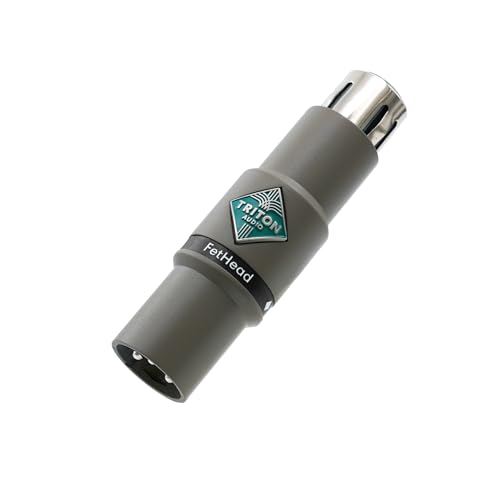
- Class-A JFET inline amplifier
- Compact shielded enclosure
- Designed for dynamic and ribbon mics
Best For: Creators who want a small inline booster for dynamic mics
FC-1
Clean Gain Booster for Broadcast Mics

- 25 dB clean gain with 48V phantom power
- Helps reduce line noise and feedback
- Built for podcasts, studio, and live sound
Best For: Podcasting and broadcast setups needing clean boost
Klark Teknik CM-1
Road-Ready Dynamic Mic Booster
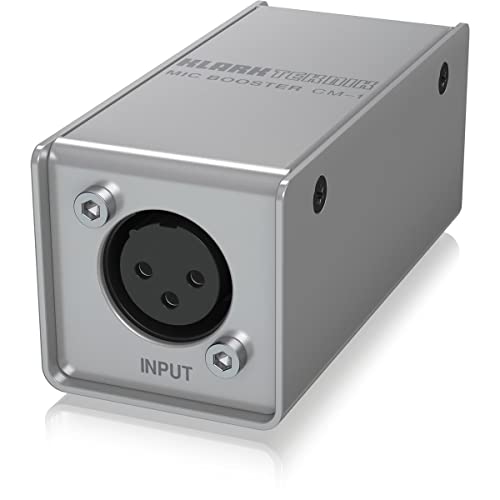
- Up to +25 dB phantom-powered gain
- Works with dynamic and passive ribbon mics
- Rugged construction for regular use
Best For: Performers and recordists who need a durable inline booster
High-Gain Studio Pick
MIC-1 Mic Preamp, Max 75dB Gain for Low-Output Mics

- Up to +75dB clean gain for low-output dynamics
- -120dB EIN and DC analog power for low noise
- Balanced XLR and 3.5mm outputs add flexibility
Best For: SM7B users wanting flexible, high-gain preamp support
Simple Inline Booster
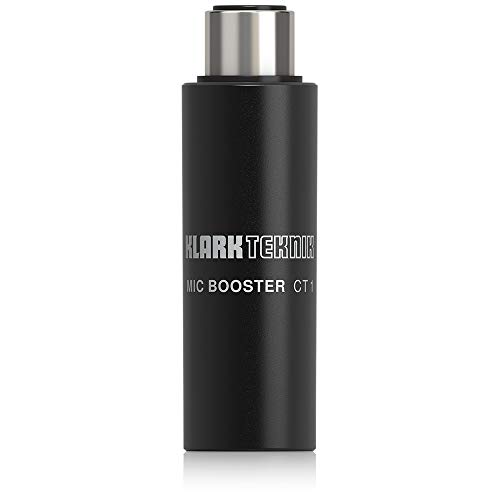
- Adds up to +25dB gain for dynamic microphones
- Phantom powered with no external supply needed
- Rugged metal build for dependable use
Best For: Quick, compact gain boosting for one dynamic mic
Built-In Preamp Mic

- Built-in preamp adds selectable +18dB or +28dB gain
- Shares SM7B cartridge and frequency response
- EQ switches help tailor bass and presence
Best For: Users who want SM7B-like tone with onboard gain control
Stealth Boost
Coda MB-Stealth 28 dB Inline Gain Booster
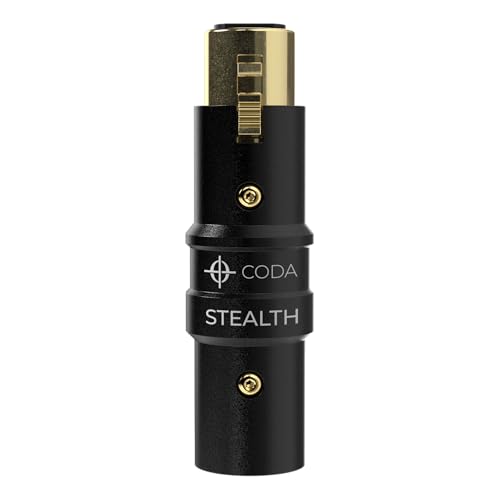
- 28 dB clean gain from phantom power
- Built for dynamic and ribbon mics
- Compact matte black, low-noise design
Best For: SM7B users wanting a simple inline boost from an interface
Dual-Mode Control
sE Electronics DM2 TNT Inline Preamp
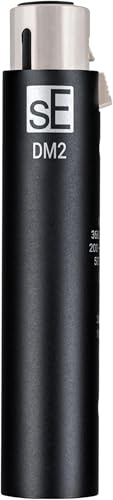
- +15 dB or +30 dB selectable gain
- 8 load settings from 50 ohms to 10 M ohm
- Slim metal body with low-noise circuitry
Best For: SM7B owners who want adjustable gain and impedance
Budget Powerhouse
RO03 66 dB Mic Preamp with TRS Out

- Up to 66 dB gain with -120 dB EIN
- Works with dynamic, condenser, ribbon, and instrument sources
- XLR/TRS/TS outputs plus Type-C power
Best For: Budget buyers who need a powered preamp with flexible routing
Cloudlifter CL-1 – Ultra-Clean Gain for Low-Output Mics
If you need a microphone preamp for sm7b that adds clean gain without changing the mic’s character, the Cloudlifter CL-1 is a proven option. It uses 48V phantom power from your interface or preamp to deliver up to +25dB to passive dynamic or ribbon mics while keeping phantom power off the microphone itself.
Best For: Podcasters, streamers, and studio users who want more level from an SM7B-style dynamic mic with minimal noise.
Pros:
- Provides up to +25dB of ultra-clean gain
- Helps reduce noise while improving clarity and signal strength
- Designed for podcasts, live streaming, radio, live sound, and studio recording
- Compatible with passive ribbons and other passive mic setups
Cons:
- Requires 48V phantom power from the connected preamp or interface
- Only works with passive microphones, not condenser mics
For buyers prioritizing simplicity and a known clean-gain path, the CL-1 is an easy fit. It is aimed at exactly the kind of low-output dynamic mic setup where an SM7B often needs extra help.
Triton Audio FetHead – Low-Noise Inline Gain Booster
If you’re shopping for a microphone preamp for sm7b, the Triton Audio FetHead is a compact inline booster built around a low-noise Class-A JFET amplifier. Its job is to raise the signal of quiet dynamic or ribbon microphones before they hit your main preamp, helping you get more usable level with a cleaner gain stage.
Best For: Users who want a small, in-line gain boost for a dynamic mic without adding a bulky box to the setup.
Pros:
- Low-noise Class-A JFET amplification
- Inline design keeps the setup compact
- Made for dynamic and passive ribbon microphones
- Shielded enclosure for added protection
Cons:
- Product notes do not list a gain figure
- Best suited to passive mic setups rather than condensers
The FetHead is a practical pick when desk space and simplicity matter. It focuses on clean inline gain rather than extra features, which makes it well matched to SM7B-style use cases.
FC-1 – Clean Gain Booster for Broadcast Mics
For anyone looking for a microphone preamp for sm7b, the FC-1 is built as an ultra-clean gain amplifier for low-output dynamic and ribbon microphones. It uses 48V phantom power from your interface or an external supply to deliver 25 dB of clean gain, helping boost signal strength while keeping the mic’s natural sound intact.
Best For: Podcasting, studio recording, live sound, and broadcast setups that need straightforward gain support for dynamic mics.
Pros:
- Delivers a clean 25 dB gain boost using 48V phantom power
- Designed for dynamic and ribbon microphones
- Helps reduce line noise and improve gain before feedback
- Works for podcasts, live streaming, radio broadcasts, and live events
Cons:
- Not compatible with condenser microphones
- Requires phantom power from the interface or an external supply
The FC-1 covers the core need behind many SM7B setups: more clean input gain without extra complexity. Its focus on clarity and broad application makes it a versatile choice for spoken-word and stage use.
Klark Teknik CM-1 – Road-Ready Dynamic Mic Booster
If you want a microphone preamp for sm7b that adds extra gain with a simple inline design, the Klark Teknik MIC BOOSTER CM-1 is built for that job. It provides up to +25 dB of phantom-powered gain for dynamic and passive ribbon microphones, and its rugged construction makes it suitable for regular use in demanding setups.
Best For: Live performers and recording users who want a durable gain booster for dynamic microphones.
Pros:
- Provides up to +25 dB of gain
- Phantom powered, so no external power supply is needed
- Works with almost any dynamic or passive ribbon microphone
- Rugged, road-worthy construction
Cons:
- Product notes don’t mention detailed noise or frequency specs beyond the basics
- Best suited to passive mic setups, not condensers
The CM-1 is a straightforward utility piece: add gain, keep the setup compact, and rely on a tough build. That makes it appealing when you need a practical SM7B booster for both stage and studio use.
High-Gain Studio Pick – MIC-1 Mic Preamp, Max 75dB Gain for Low-Output Mics
If you need a microphone preamp for sm7b use, this MIC-1 is built around one clear goal: adding a lot of clean gain without getting in the way of the voice. With up to +75dB gain, ultra-low -120dB EIN noise performance, and 48V phantom power support, it gives low-output dynamic mics the lift they need for clearer recording and streaming.
Best For: SM7B users who want a high-gain preamp with flexible outputs and a compact metal build.
Pros:
- Up to +75dB clean gain helps low-output dynamic microphones perform more easily.
- -120dB EIN and dedicated DC analog power are designed to keep noise and interference low.
- Balanced XLR plus 3.5mm mic/line outputs add more connection options.
- Includes 48V phantom power and support for dynamic and condenser microphones.
Cons:
- The two input ports cannot be used simultaneously.
- The 3.5mm output options may be less useful if you only use XLR gear.
For buyers who want a versatile gain stage rather than a simple inline booster, this model offers more routing flexibility than most basic solutions. Its compact metal shell and 3-year warranty also make it appealing for desk setups and portable rigs.
Simple Inline Booster – Klark Teknik MIC BOOSTER CT 1
For a microphone preamp for sm7b setups where you just need a straightforward gain boost, the Klark Teknik MIC BOOSTER CT 1 keeps things simple. It adds up to +25dB of gain, runs on phantom power, and is designed to work with dynamic and passive ribbon microphones, making it a practical inline fix for quiet mic signals.
Best For: Fast, no-fuss gain boosting for dynamic mics in compact recording chains.
Pros:
- Provides up to +25dB of gain for dynamic mic signals.
- Phantom powered, so it does not need an external power supply.
- Works with almost any dynamic or passive ribbon microphone.
- Rugged metal construction is built for regular use.
Cons:
- Only offers one gain level, so there is less flexibility than larger preamps.
- Single-channel design is best for one mic at a time.
This is the most stripped-down option in the group, which is useful if you want a small inline booster rather than a feature-rich preamp. It suits users who value simplicity, durability, and a quick gain increase more than extra routing or tone controls.
Built-In Preamp Mic – Shure SM7dB Dynamic Vocal Mic
If you want a microphone preamp for sm7b-style recording without adding an external booster, the Shure SM7dB takes a different route. It uses the same dynamic cartridge and frequency response as the SM7B, but adds selectable +18dB or +28dB of onboard gain, so you can simplify the chain to just the mic, cable, and interface.
Best For: Streamers and podcasters who want SM7B-like sound with built-in gain.
Pros:
- Built-in preamp provides selectable +18dB or +28dB gain.
- Same dynamic cartridge and frequency response as the SM7B.
- Rear-panel EQ switches allow bass roll-off and mid-range presence boost.
- All-metal body with electromagnetic shielding helps block hum and interference.
Cons:
- It is a different mic, not a standalone external preamp.
- The built-in gain options are fixed compared with adjustable outboard units.
Compared with adding an inline booster to an existing mic, this model is aimed at users who want to reduce gear count while keeping a familiar vocal character. It is a strong fit if you are building a streamlined streaming or podcast setup and prefer onboard control over extra hardware.
Stealth Boost – Coda MB-Stealth 28 dB Inline Gain Booster
If you need a microphone preamp for sm7b, the Coda MB-Stealth is a simple inline gain booster built for dynamic and ribbon mics. It adds 28 dB of clean gain from your interface’s 48V phantom power, helping weaker vocal signals come through more clearly while keeping the setup compact and low-profile.
Best For: SM7B users who want a compact, clean inline gain boost from an existing interface.
Pros:
- Delivers 28 dB of ultra-clean gain using 48V phantom power
- Designed to reduce noise, hiss, and hum while improving clarity
- Compact matte black build for a discreet setup
- Made for dynamic and ribbon microphones
Cons:
- Does not work with condenser microphones
- Requires phantom power from the interface to operate
- Fixed gain only, with no selectable boost levels
The MB-Stealth is a practical pick if your goal is straightforward gain staging without extra bulk or complexity. It is best suited to users who want a cleaner signal and enough boost to help a low-output mic perform better into an interface.
Dual-Mode Control – sE Electronics DM2 TNT Inline Preamp
For a microphone preamp for sm7b, the sE Electronics DM2 TNT stands out because it gives you more control over both gain and loading. With selectable +15 dB or +30 dB gain plus 8 impedance settings, it is aimed at users who want a transparent inline preamp that can be tuned to their dynamic or ribbon microphone setup.
Best For: SM7B owners who want adjustable gain and impedance control in a slim inline preamp.
Pros:
- Two gain settings: +15 dB or +30 dB
- Eight selectable load settings from 50 ohms to 10 megaohms
- Transparent, low-noise design with high-grade FET circuitry
- All-metal ultra-slim housing with gold-plated XLR connectors
Cons:
- Built for dynamic and ribbon microphones, not condensers
- More settings may be more than some users need for a simple plug-in boost
- Requires phantom power from the interface
This is the strongest option if you want more flexibility than a fixed-gain booster. The adjustable impedance and dual gain settings make it a better fit for users who like dialing in a specific response rather than just adding volume.
Budget Powerhouse – RO03 66 dB Mic Preamp with TRS Out
If you are shopping for a microphone preamp for sm7b and want more features than a basic inline booster, the RO03 is a flexible all-in-one option. It offers up to 66 dB of gain, ultra-low EIN noise performance, and multiple output options, making it better suited to users who want a powered preamp for dynamic, ribbon, condenser, or instrument sources.
Best For: Budget-minded users who want a powered preamp with lots of gain and flexible output options.
Pros:
- Up to 66 dB gain with updated 19~66 dB usable range
- Ultra-low noise spec with -120 dB EIN
- XLR, TRS, and TS line out support for flexible routing
- Updated 1 MΩ instrument input for better DI use
Cons:
- Two input ports cannot be used at the same time
- User notes recommend TRS line input for lower noise, which adds setup complexity
- Less compact and simple than an inline gain booster
The RO03 is the most feature-rich choice here, especially if you want a powered preamp that can also handle other recording or instrument tasks. It is a practical pick for users who need lots of gain, but it makes the most sense when you are comfortable with a more involved setup.
How We Picked the Best Microphone Preamp for Sm7b
We focused on Microphone Preamp for Sm7b options that are known for adding usable gain without raising the noise floor too much. Priority went to models with strong gain output, solid compatibility with dynamic microphones, and a design that works well in podcast, streaming, studio, and live setups.
We also weighed ease of use, power requirements, physical size, and whether the unit is best suited for a simple plug-and-play setup or a more flexible recording chain.
Quick Comparison
Most buyers will fall into one of three groups: simple inline gain boosters, higher-gain active preamps for more demanding interfaces, or the Shure SM7dB, which builds the preamp into the microphone itself. Inline boosters are the easiest way to improve an existing setup, while higher-output preamps are better if your interface struggles with gain.
Key Buying Factors for Microphone Preamps for SM7B
Clean Gain
The SM7B needs gain more than most dynamic mics. Look for a preamp that adds enough level to keep your interface gain low, ideally without introducing audible hiss.
Phantom Power Requirements
Many inline boosters require 48V phantom power from the interface or mixer, even though that power does not go to the SM7B directly. Make sure your gear can supply it.
Noise Performance
A strong gain spec means little if the unit raises the noise floor. For voice work, low EIN and stable output matter more than marketing claims alone.
Compatibility and Use Case
If you only need a modest boost for a podcast or stream, a compact inline unit may be enough. If you record quieter voices or use a longer signal chain, a more powerful preamp can offer more headroom.
Built-In Vs External
An external Microphone Preamp for Sm7b keeps your current mic and lets you upgrade selectively. A built-in solution like the SM7dB is cleaner and simpler, but it means replacing the microphone rather than enhancing it.
Who Should Buy Which Microphone Preamp for Sm7b?
Choose an inline gain booster if you want the easiest upgrade and already like your SM7B. Choose a higher-gain active preamp if your interface is underpowered or you need extra flexibility for multiple mic types. Choose the Shure SM7dB if you want an all-in-one solution with less setup and fewer cables.
For most buyers, the best choice comes down to how much gain you need and how simple you want the signal chain to be. If your current setup sounds noisy or too quiet, a well-matched preamp can make a bigger difference than changing the microphone itself.