
Choosing the right Rokinon lens for astrophotography can make a major difference in star sharpness, edge performance, and how much of the sky you can capture in one frame.
Below, we’ve narrowed the field to 10 strong options across full-frame and APS-C cameras, with picks that suit beginners, travelers, and serious night-sky shooters.
Best 10 Rokinon Lens for Astrophotography Picks for 2026
Compact APS-C Night Lens
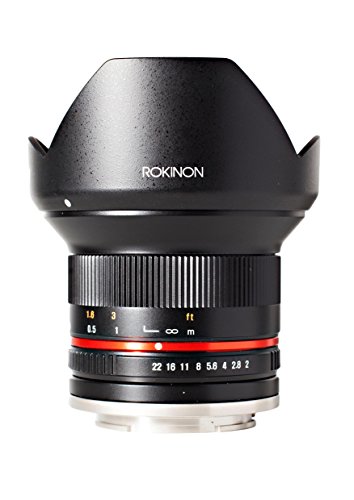
- 12mm APS-C prime with a 98.9-degree view
- Bright f/2.0 aperture for low-light scenes
- Very light 8.64 oz body with manual focus
Best For: Sony E-mount APS-C photographers wanting a portable astrophotography lens
Classic Canon Wide Angle
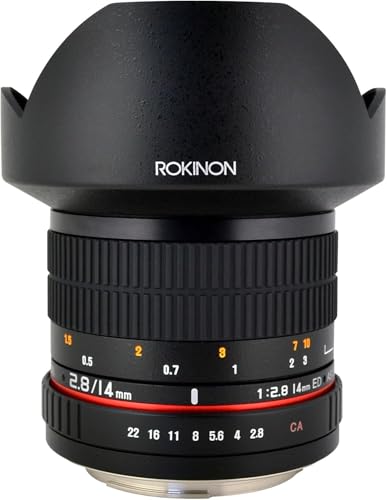
- 14mm ultra-wide lens with a 115.7-degree view
- Fast f/2.8 aperture for low-light shooting
- Manual focus design with distortion-reducing elements
Best For: Canon EF shooters wanting a wide manual lens for astrophotography
Creative Fisheye Night Pick
Rokinon 8mm f/3.5 Fisheye for Canon EF

- 8mm fisheye with a huge 167-degree view
- Manual focus with a removable hood
- F3.5 aperture makes it less bright than f/2.8 options
Best For: Canon EF users who want a dramatic fisheye look for creative astrophotography
Ultra-Wide Autofocus Pick
Rokinon AF 12mm F2.0 for Sony E APS-C

- 12mm ultra-wide 99.1° field of view
- Fast f/2.0 aperture for low light and astrophotography
- Quiet linear STM autofocus with weather sealing
Best For: Sony E APS-C users wanting a fast ultra-wide lens for night skies and travel
Full-Frame Manual Classic
Rokinon 14mm f/2.8 Series II Canon EF

- 14mm ultra-wide with 115.7° angle of view
- f/2.8 aperture for low-light shooting
- Weather-sealed manual-focus prime
Best For: Canon EF users seeking a manual ultra-wide prime for astrophotography
APS-C Ultra-Wide Manual Option
Rokinon 10mm F2.8 for Canon EF-S
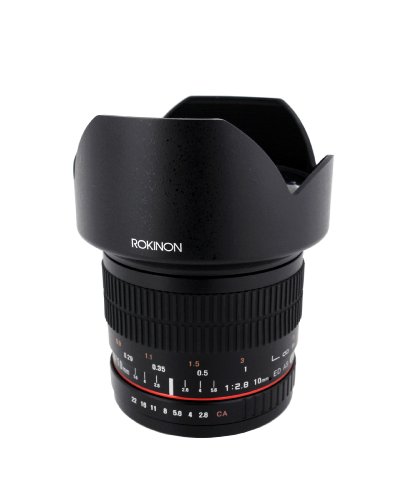
- 10mm focal length with 106-degree coverage
- f/2.8 aperture and close focusing to 9.5 inches
- NCS coating and internal focusing for practical handling
Best For: Canon EF-S APS-C shooters wanting an ultra-wide manual lens for night skies
Budget Ultra-Wide Pick
Rokinon 14mm f/2.8 Manual Focus for Pentax

- 14mm ultra-wide 115.7° view
- f/2.8 aperture for low light
- ED and aspherical elements reduce aberrations
Best For: Pentax shooters needing a budget-friendly manual wide angle for night skies
Full-Frame Astro Upgrade
Rokinon 14mm F2.8 for Canon RF

- 115.7° full-frame ultra-wide view
- f/2.8 manual-focus design for low light
- Weather-sealed body with built-in hood
Best For: Canon EOS R shooters wanting a weather-ready ultra-wide for stars and landscapes
Feature-Rich APS-C Choice
Rokinon Series II 14mm F2.8 for Fujifilm X
- 93.9° wide view for APS-C Fujifilm X
- Focus lock helps with long exposures
- Weather-sealed with de-click aperture switch
Best For: Fujifilm X shooters who want a manual wide prime built for long-exposure night work
Ultra-Wide Nikon Pick – Rokinon 14mm f/2.8 for Nikon F
If you’re looking for a Rokinon lens for astrophotography on Nikon, this 14mm f/2.8 is built around a bright aperture and a very wide 114-degree angle of view. The manual-focus prime design makes it a straightforward option for night skies, landscapes, and other scenes where you want strong frame coverage and control over focus.
Best For: Nikon DSLR users who want a wide, fast manual lens for astrophotography and night landscapes.
Pros:
- 14mm focal length with a 114-degree angle of view for expansive sky shots
- Fast f/2.8 maximum aperture helps in low-light shooting
- Manual focus prime design gives direct control for night work
- Compatible with Nikon full-frame and APS-C DSLR cameras
Cons:
- Manual focus only, so it won’t suit autofocus-first workflows
- Fixed 14mm focal length means no zoom flexibility
- It is not water resistant
This is a practical ultra-wide choice if you want a dedicated Nikon mount lens for stars, Milky Way shots, and broad night scenes. The bright aperture and wide field of view are the key strengths here, while the manual-only operation keeps it best suited to deliberate shooting.
Compact APS-C Night Lens – Rokinon 12mm f/2.0 for Sony E
For Sony shooters shopping for a Rokinon lens for astrophotography, this 12mm f/2.0 is a strong APS-C option thanks to its bright aperture, 98.9-degree angle of view, and compact 8.64-ounce build. The manual-focus prime layout is well suited to night-sky work where you want a lightweight lens that still gives you a very wide frame.
Best For: Sony E-mount APS-C users who want a lightweight wide-angle lens for stars and night landscapes.
Pros:
- Bright f/2.0 aperture helps when shooting in dim conditions
- 12mm focal length and 98.9-degree angle of view suit wide sky compositions
- Lightweight 8.64 oz design is easy to carry for travel
- Manual focus with a 7.87-inch minimum focus distance
Cons:
- Designed for Sony E-mount APS-C cameras, not full-frame Sony bodies
- Manual focus only
- Not water resistant
This lens stands out as a portable night-sky tool for Sony APS-C cameras. If you want a wide view without adding much weight to your kit, it offers a simple and effective balance of brightness and size.
Classic Canon Wide Angle – Rokinon FE14M-C 14mm f/2.8
If you want a Rokinon lens for astrophotography on Canon EF, this 14mm f/2.8 ultra-wide prime is built for broad night scenes and edge-to-edge composition. Its 115.7-degree angle of view, manual focus design, and low-light-friendly aperture make it a solid match for stars, landscapes, and other wide-frame subjects.
Best For: Canon EF users who want an ultra-wide manual lens for astrophotography and landscape work.
Pros:
- 14mm focal length with a very wide 115.7-degree angle of view
- Fast f/2.8 aperture supports low-light shooting
- Manual focus prime design is well suited to night-sky setup
- Aspherical elements help reduce distortion and aberrations
Cons:
- Manual focus only
- No image stabilization
- Large, 31.7 oz build may feel heavy for some users
This is the more traditional full-frame-style ultra-wide option in the group, with the wide angle and fast aperture needed for astrophotography. The weight and manual-only operation are worth noting, but the optical design is geared toward clean, detailed wide shots.
Creative Fisheye Night Pick – Rokinon 8mm f/3.5 Fisheye for Canon EF
For a more dramatic take on a Rokinon lens for astrophotography, this 8mm fisheye gives Canon EF users an extreme 167-degree angle of view. It is not the brightest lens in the lineup, but its manual focus control, removable hood, and compact fisheye perspective can be useful when you want a distinctive night-sky look rather than a conventional wide-angle frame.
Best For: Canon EF photographers who want an ultra-wide fisheye perspective for creative night scenes.
Pros:
- 8mm focal length with an extreme 167-degree angle of view
- Manual focus allows precise control for close framing
- Removable hood adds flexibility in different lighting setups
- Includes aspherical elements to help minimize distortion and aberrations
Cons:
- Maximum aperture is f/3.5, which is slower than the wider-aperture options here
- Fisheye look is more specialized than a standard astrophotography lens
- Manual focus only
This lens is the most specialized option in the roundup. If you want a creative, immersive sky image with a fisheye character, it can deliver that look; if you want the most conventional night-sky lens, the wider f/2.8 choices above are the more practical fit.
Ultra-Wide Autofocus Pick – Rokinon AF 12mm F2.0 for Sony E APS-C
If you’re shopping for a Rokinon lens for astrophotography on Sony APS-C, this 12mm f/2.0 is built for a very wide view and low-light shooting. The bright aperture helps you keep shutter speeds practical at night, while the quiet STM autofocus adds convenience for travel, interiors, and video work too.
Best For: Sony E APS-C shooters who want an ultra-wide, fast-aperture lens for night skies, interiors, and travel.
Pros:
- 12mm ultra-wide 99.1° rectilinear view for expansive framing
- Fast f/2.0 aperture suited to astrophotography and night scenes
- Linear STM motor offers smooth, quiet autofocus
- Weather-sealed, all-metal design with rear protective glass
Cons:
- Designed for Sony E APS-C cameras only
- Wide-angle look may be too specialized for tighter compositions
This is a strong pick if you want a lightweight, modern wide-angle lens that balances night performance with autofocus convenience. The optical design and UMC coatings are aimed at controlling flare and aberrations, which matters when shooting bright stars or city lights.
Full-Frame Manual Classic – Rokinon 14mm f/2.8 Series II Canon EF
For a Rokinon lens for astrophotography on Canon EF full-frame bodies, this 14mm f/2.8 Series II focuses on a broad view and dependable manual control. Its wide angle of view and weather-sealed build make it a practical choice when you want a simple prime for landscapes, interiors, and night-sky shooting.
Best For: Canon EF shooters who want a manual ultra-wide prime for astrophotography and landscape work.
Pros:
- 14mm full-frame ultra-wide angle with 115.7° view
- f/2.8 aperture supports dim-light and night shooting
- Weather-sealed construction for tougher conditions
- Smooth manual focus ring for precise control
Cons:
- Manual focus only
- Canon EF mount limits compatibility to that system
If you prefer a straightforward manual lens for stars and wide scenes, this one keeps the formula focused and proven. The combination of ED, HR, Hybrid ASP, and ASP elements is a good sign for edge-to-edge image quality in a lens that is meant to cover big scenes cleanly.
APS-C Ultra-Wide Manual Option – Rokinon 10mm F2.8 for Canon EF-S
This Rokinon lens for astrophotography is aimed at Canon APS-C shooters who want an extremely wide field of view without giving up a fast aperture. The 10mm focal length and f/2.8 design are well matched to night skies, while the internal focusing system and Nano Crystal Coating System help keep handling and light transmission practical.
Best For: Canon EF-S APS-C photographers who want an ultra-wide manual lens for astrophotography and expansive landscapes.
Pros:
- 10mm ultra-wide coverage with a 106-degree view
- Fast f/2.8 aperture for low-light shooting
- NCS coating helps increase light transmission and reduce reflections
- Internal focusing keeps the lens length fixed during use
Cons:
- Manual focus only
- Built for Canon EF-S APS-C cameras, not full-frame bodies
For photographers who want maximum sky coverage on a crop-sensor Canon system, this lens delivers a very specialized ultra-wide perspective. Its optical design and close-focusing ability make it a versatile prime, but the manual-only approach means it suits deliberate shooting best.
Budget Ultra-Wide Pick – Rokinon 14mm f/2.8 Manual Focus for Pentax
If you want a Rokinon lens for astrophotography on a Pentax K-mount body, this 14mm f/2.8 prime gives you an ultra-wide 115.7° view and a fast maximum aperture for night skies. It is a fully manual-focus lens, so it suits shooters who prefer to set focus on a tripod and keep control over framing and exposure.
Best For: Pentax photographers who want an affordable ultra-wide manual lens for star fields, landscapes, and other tripod-based night work.
Pros:
- 14mm ultra-wide field of view for dramatic sky and foreground compositions
- f/2.8 aperture works well for low-light and astrophotography use
- ED, hybrid aspherical, and glass aspherical elements help reduce distortion and aberrations
- Super multi-layer coating helps cut flares and ghost images
Cons:
- Manual focus only, so it is not ideal for fast action or run-and-gun shooting
- No image stabilization
- Mount is Pentax K, so it is not a universal fit
For Pentax users who want a straightforward wide-angle lens for night photography, this is a practical pick with the core features astrophotography needs: wide coverage, a bright aperture, and optical design aimed at keeping images clean.
Full-Frame Astro Upgrade – Rokinon 14mm F2.8 for Canon RF
This Rokinon lens for astrophotography is built for Canon RF full-frame mirrorless cameras and combines a 14mm ultra-wide view with a manual-focus design that makes tripod work easier to control. The f/2.8 aperture, weather-sealed body, and built-in hood make it a strong choice for outdoor shooting when you need a wide frame and dependable low-light handling.
Best For: Canon EOS R series users who want a full-frame ultra-wide manual lens for stars, landscapes, interiors, and architecture.
Pros:
- 14mm full-frame coverage with a 115.7° angle of view
- f/2.8 maximum aperture supports night-sky and long-exposure work
- Weather-sealed metal construction adds confidence outdoors
- Rear gel filter holder and built-in hood add useful shooting flexibility
Cons:
- Manual focus only, which may be limiting for some users
- No image stabilization
- Designed specifically for Canon RF, so compatibility is narrow
If you want one lens that can handle astrophotography and other wide-angle jobs on Canon RF, this model stands out for its full-frame coverage and weather-ready build. It is especially appealing if you shoot outdoors often and want a simple, sharp manual prime for the night sky.
Feature-Rich APS-C Choice – Rokinon Series II 14mm F2.8 for Fujifilm X
For Fujifilm shooters looking for a Rokinon lens for astrophotography, this Series II 14mm f/2.8 delivers a wide 93.9° view on APS-C bodies and adds a focus lock that is especially useful for long exposures. It is also built with weather sealing and a de-click aperture switch, so it can work well for both stills and video-oriented shooting.
Best For: Fujifilm X users who want a manual ultra-wide prime for star photography, travel, interiors, and architectural scenes.
Pros:
- 14mm APS-C design with a 93.9° field of view
- Focus lock helps keep your setting fixed for astrophotography and time-lapse work
- De-click aperture switch supports smooth exposure changes for video
- Weather sealing and built-in hood help protect against dust, moisture, and flare
Cons:
- Manual focus only
- APS-C Fujifilm X mount limits compatibility
- Still a fixed 14mm prime, so it is not a flexible zoom option
This is the most feature-packed option in the group for Fujifilm X users who shoot night skies. The focus lock and weather-sealed design make it especially sensible for long sessions outdoors, while the wide aperture and optical design support clean wide-angle images.
How We Picked the Best Rokinon Lens for Astrophotography
For this roundup, we focused on lenses that are practical for night photography first: wide viewing angles, fast maximum apertures, solid optical correction, and reliable manual focus control. We also favored models that fit common camera mounts and offer a clear balance of price, portability, and image quality.
Because a Rokinon Lens for Astrophotography is often chosen for stars, Milky Way scenes, and dark-sky landscapes, we prioritized lenses that help reduce coma, keep corners usable, and make critical focus easier in low light.
Quick Comparison
In general, 14mm full-frame lenses are the safest all-around choice for sweeping skies, while 12mm and 10mm APS-C options give extra field of view on crop bodies. The fastest apertures in this group are typically the most flexible when you need shorter exposures and lower ISO.
Fisheye options are best for creative star trails or dramatic all-sky compositions, while autofocus models can help if you also plan to use the lens for daytime landscapes, travel, or video.
Key Buying Factors for a Rokinon Lens for Astrophotography
Aperture
Look for a wide aperture such as f/2.8 or faster if you want to gather more light and keep exposures shorter. That matters for reducing noise and limiting star trailing.
Focal Length
Wider focal lengths make it easier to capture the Milky Way and foreground in one shot. On APS-C cameras, a 10mm or 12mm lens can deliver an excellent night-sky field of view, while 14mm is a dependable full-frame standard.
Manual Focus Control
For night work, smooth and precise manual focus is more important than autofocus on many setups. Features like a focus lock, de-clicked aperture, or clear distance markings can make field use easier.
Mount and Sensor Format
Make sure the lens matches your camera mount and sensor size. A lens designed for APS-C may not cover full frame properly, and a full-frame lens may be larger than you need if you only shoot crop-sensor bodies.
Build and Handling
Weather sealing, low weight, and a built-in or removable hood can be valuable if you shoot outdoors often. These details may not change star quality directly, but they improve real-world usability.
Who Should Buy Which Rokinon Lens for Astrophotography?
Beginners and budget-minded shooters should look for a simple manual-focus ultra-wide lens that’s easy to learn and forgiving in the field. APS-C users will usually get the best value from 10mm or 12mm options, especially if they want extra sky coverage.
Full-frame photographers who want the most versatile Rokinon Lens for Astrophotography will usually be happiest with a 14mm f/2.8 model. If you also want a lens for travel, video, or daytime work, an autofocus option can be the better all-purpose pick. Creative shooters who want dramatic distortion for special compositions should consider the fisheye option.