
Choosing a mirrorless camera for architectural photography means prioritizing detail, tonal range, and reliable lens control over gimmicks. The best options help you keep lines straight, textures clean, and highlights under control.
This roundup focuses on cameras that make it easier to shoot interiors, exteriors, and mixed-light spaces with confidence.
Best 10 Mirrorless Camera for Architectural Photography Picks for 2026
Urban Detail Pro
Sony Alpha 7 IV for Architectural Precision

- 33MP full-frame sensor for detailed stills
- 7K oversampled 4K with full pixel readout
- BIONZ XR engine with 10-bit 4:2:2 video
Best For: Architectural shooters wanting full-frame detail and hybrid performance
Entry-Level City Frame

- 24.1MP APS-C sensor with Dual Pixel AF
- Compact body for easy mobility
- Includes RF-S 18-45mm STM lens
Best For: Beginners seeking an affordable compact mirrorless starter kit
Dynamic Range Workhorse
Sony Alpha A7 III for Clean Exteriors

- 24.2MP full-frame sensor with 15-stop range
- 5-axis IBIS for steadier handheld shots
- 693-point AF and included 28-70mm lens
Best For: Photographers wanting a balanced full-frame kit for buildings and interiors
High-Detail Hybrid
Canon EOS R5 with 24-105mm Lens

- 45MP full-frame stills for fine detail
- RF 24-105mm f/4 L IS USM included
- Weather-sealed magnesium alloy body
Best For: Advanced shooters needing maximum detail and a pro-grade full-frame kit
Fast APS-C Pick
Sony a6400 for Quick, Flexible Shooters
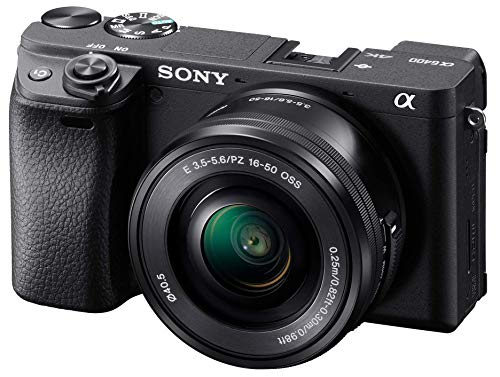
- 24.2MP APS-C sensor for detailed stills
- Real-Time Eye AF and object tracking
- Compact body with tilting touchscreen and 4K video
Best For: Lightweight architecture and travel shooting
Premium Full-Frame Kit
Canon R6 Mark III with Versatile Zoom

- 32.5MP full-frame sensor with DIGIC X processing
- RF 24-105mm f/4L lens with constant aperture
- 8.5-stop IBIS and advanced Dual Pixel CMOS AF II
Best For: High-end architectural and hybrid shooting
Compact Full-Frame Choice
Canon EOS RP for Everyday Architecture

- 26.2MP full-frame sensor in a lightweight body
- RF 24-105mm lens with up to 5 stops of IS
- Dual Pixel AF and articulating touchscreen
Best For: Affordable full-frame architecture and travel shooting
High-Resolution APS-C Pick
Canon EOS R7 Mirrorless Camera Kit

- 32.5MP APS-C sensor for detailed stills
- Dual Pixel AF II with subject tracking
- In-body stabilization and 4K 60p video
Best For: Photographers wanting a high-resolution APS-C Canon body for detailed stills
Full-Frame Compact Choice
Canon EOS R8 Mirrorless Camera Kit

- 24.2MP full-frame sensor with strong dynamic range
- Compact body for travel and handheld shooting
- Dual Pixel AF II and oversampled 4K 60p
Best For: Photographers who want full-frame image quality in a lightweight Canon body
Beginner Dual-Lens Bundle
Canon EOS R100 Double Lens Kit
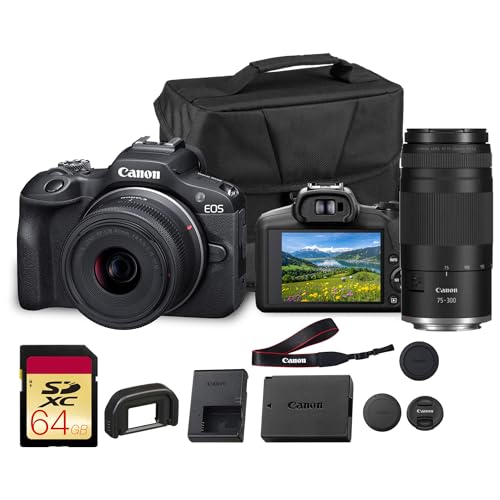
- Includes RF-S 18-45mm and RF 75-300mm lenses
- 24.2MP APS-C sensor with Dual Pixel AF
- Compact, lightweight body for travel use
Best For: Beginners who want a lightweight Canon kit with a wider starter lens
Urban Detail Pro – Sony Alpha 7 IV for Architectural Precision
If you want a mirrorless camera for architectural photography that can capture clean lines and fine texture, the Sony Alpha 7 IV is built for that kind of demanding work. Its 33MP full-frame sensor, BIONZ XR processor, and 7K oversampled 4K support make it a strong fit for photographers who want detailed stills and a modern full-frame system.
Best For: Architectural shooters who want high-resolution full-frame detail and a versatile hybrid body.
Pros:
- 33MP full-frame sensor for detailed stills and flexible cropping
- 7K oversampling and full pixel readout for sharp 4K capture
- 10-bit 4:2:2 recording and S-Cinetone for polished color output
- BIONZ XR engine for responsive overall performance
Cons:
- Notes focus heavily on video features, so still-photo handling is not the only emphasis
- No lens is included in the supplied details
The a7 IV is a practical step-up body for photographers who value resolution and image quality in architecture work. If you need a full-frame mirrorless camera that can handle both detailed stills and serious video, it offers a well-rounded package.
Entry-Level City Frame – Canon EOS R100 Starter Kit
The Canon EOS R100 is a budget-friendly mirrorless camera for architectural photography if you want a lightweight body and a simple path into interchangeable lenses. Its 24.1MP APS-C sensor, Dual Pixel CMOS AF, and included RF-S 18-45mm kit lens make it easy to get started with everyday building, interior, and travel imagery.
Best For: Beginners who want an affordable, compact mirrorless setup with an included lens.
Pros:
- 24.1MP APS-C sensor for solid image detail
- Compact and lightweight body for easy mobility
- Dual Pixel CMOS AF with human, eye, animal, and vehicle detection
- Includes RF-S 18-45mm STM lens to start shooting right away
Cons:
- No image stabilization is listed in the supplied details
- 4K video tops out at 24 fps
- Built more as an entry-level body than a feature-heavy pro tool
For architectural photography on a starter budget, the R100 gives you a compact RF-mount system and good autofocus without much complexity. It is best viewed as an accessible entry point rather than a high-end specialty body.
Dynamic Range Workhorse – Sony Alpha A7 III for Clean Exteriors
The Sony Alpha A7 III remains a compelling mirrorless camera for architectural photography because it pairs a full-frame 24.2MP sensor with strong dynamic range and reliable autofocus. The included 28-70mm kit lens, 5-axis IBIS, and 693-point phase-detection system make it a practical all-around body for shooting buildings, interiors, and city scenes.
Best For: Photographers who want a dependable full-frame body with stabilization and a useful kit lens.
Pros:
- 24.2MP full-frame back-illuminated sensor with 15-stop dynamic range
- 5-axis in-body image stabilization for steadier handheld shooting
- 693 phase-detection AF points with wide coverage
- Includes a 28-70mm zoom lens for immediate use
Cons:
- Kit lens has a variable f/3.5-5.6 aperture
- 24MP resolution is lower than some newer high-resolution bodies
For architectural work, the a7 III offers a balanced mix of detail, stabilization, and dependable focus. It is a strong choice if you want full-frame image quality without moving into the highest-priced class.
High-Detail Hybrid – Canon EOS R5 with 24-105mm Lens
If you need a premium mirrorless camera for architectural photography, the Canon EOS R5 brings 45MP stills, weather-sealed construction, and a versatile 24-105mm f/4 lens. The high-resolution sensor is well suited to capturing architectural details, while the included L-series zoom gives you a useful focal range for exteriors and interiors.
Best For: Advanced shooters who want high-resolution stills and a weather-sealed full-frame system.
Pros:
- 45MP full-frame stills for strong detail and crop flexibility
- Included RF 24-105mm f/4 L IS USM lens for wide-to-short-tele coverage
- Dual Pixel CMOS AF II with eye detection and near full-frame coverage
- Magnesium alloy build with weather sealing for demanding shoots
Cons:
- Bulkier bundled setup than smaller entry-level mirrorless kits
- Premium feature set may exceed the needs of casual users
The EOS R5 is the most detail-focused option in this roundup and a natural fit for architecture work that benefits from high resolution. With the included lens and rugged build, it is ready for serious stills and hybrid production.
Fast APS-C Pick – Sony a6400 for Quick, Flexible Shooters
If you want a mirrorless camera for architectural photography that stays compact without giving up responsive autofocus, the Sony a6400 is a practical option. Its 24.2MP APS-C sensor, Real-Time Eye AF, and object tracking help keep framing and focus steady when you are working around interiors, exteriors, and detail shots. The tilting touchscreen and 4K recording also make it useful when you need both stills and behind-the-scenes video.
Best For: Photographers who want a lightweight APS-C body with fast autofocus for architecture, travel, and mixed still/video use.
Pros:
- 24.2MP APS-C sensor with raw capture for detailed stills
- Real-Time Eye AF and object tracking for reliable subject acquisition
- Compact mirrorless body with 180° tilting touchscreen
- 4K video support for hybrid shooting
Cons:
- Kit lens is limited to a 16-50mm range
- No in-body image stabilization listed in the supplied details
- APS-C sensor is smaller than full-frame alternatives
Overall, the a6400 is best if portability and autofocus speed matter more than a full-frame body. For architecture work, it gives you a nimble platform for composed, sharp frames, especially when you are shooting on location or need a camera that is easy to carry all day.
Premium Full-Frame Kit – Canon R6 Mark III with Versatile Zoom
For a mirrorless camera for architectural photography that also handles demanding hybrid production, the Canon EOS R6 Mark III brings a 32.5MP full-frame sensor and a versatile RF 24-105mm f/4L IS USM lens. The full-frame format is well suited to capturing interiors and building details with room to crop, while the constant f/4 aperture and strong lens stabilization help keep your workflow steady. Its advanced autofocus and high-resolution video tools make it a strong all-around kit for creators who want more than just stills.
Best For: Photographers and creators who want a full-frame Canon kit with stabilized optics, strong autofocus, and high-end still/video flexibility.
Pros:
- 32.5MP full-frame sensor for detailed architectural images
- RF 24-105mm f/4L IS USM lens with constant f/4 aperture
- 8.5-stop IBIS plus 5-stop lens IS for steadier handheld shooting
- Advanced Dual Pixel CMOS AF II with deep-learning subject detection
Cons:
- Kit is larger and heavier than compact APS-C options
- Included lens tops out at 105mm, so it is not an ultra-wide architecture setup
- Higher-end feature set may be more camera than casual users need
This is the strongest choice here if you want a premium full-frame system with dependable stabilization and a versatile zoom. For architectural photography, it gives you a detailed sensor, clean optics, and enough flexibility to cover interiors, exteriors, and detail work in one package.
Compact Full-Frame Choice – Canon EOS RP for Everyday Architecture
If you need a mirrorless camera for architectural photography that keeps full-frame image quality in a compact body, the Canon EOS RP is an approachable option. Its 26.2MP full-frame sensor, Dual Pixel AF, and RF 24-105mm lens give you a simple, flexible setup for shooting buildings, interiors, and travel scenes. The articulated screen and lightweight design also make it easier to work from awkward angles in tight spaces.
Best For: Budget-conscious photographers who want an easy-to-carry full-frame Canon kit for architecture, travel, and general stills.
Pros:
- 26.2MP full-frame sensor in a compact body
- RF 24-105mm lens with up to 5 stops of optical image stabilization
- Dual Pixel CMOS AF with 4,779 AF points
- Articulating touchscreen for flexible framing
Cons:
- Continuous shooting is limited to 5 fps
- Digital image stabilization is listed instead of sensor-based stabilization
- Kit lens has an f/4-7.1 variable aperture
The EOS RP makes sense if you want full-frame detail without moving into a larger or more expensive body. For architectural photography, it offers the essentials: good resolution, a versatile zoom, and a lightweight build that is easy to use all day.
High-Resolution APS-C Pick – Canon EOS R7 Mirrorless Camera Kit
If you want a mirrorless camera for architectural photography with strong detail capture, the Canon EOS R7 gives you a 32.5MP APS-C sensor and a sharp, modern autofocus system. While this kit is bundled with a telephoto lens, the body itself is built for high-resolution stills, fast handling, and dependable image quality for travel and general shooting.
Best For: Photographers who want a high-resolution APS-C Canon body for detailed stills and a flexible hybrid setup.
Pros:
- 32.5MP APS-C sensor for detailed images and vibrant color
- Dual Pixel AF II with tracking for people, animals, and vehicles
- In-body stabilization helps support steadier handheld shooting
- Oversampled 4K up to 60p adds strong video capability
Cons:
- Bundle includes a 75-300mm telephoto lens, which is not the most practical match for wide interior work
- APS-C format is less suited than full frame for the widest perspective and low-light flexibility
For buyers prioritizing detail and autofocus performance, the R7 is a capable Canon mirrorless option. Architectural photographers may want a separate wide-angle lens, but the body provides a solid foundation for crisp, controlled shooting.
Full-Frame Compact Choice – Canon EOS R8 Mirrorless Camera Kit
The Canon EOS R8 is the strongest fit here if you want a mirrorless camera for architectural photography with full-frame image quality in a compact body. Its 24.2MP full-frame sensor offers wide dynamic range and strong low-light performance, which can help when shooting interiors, facades, and mixed-light scenes.
Best For: Photographers who want full-frame image quality in a lightweight Canon mirrorless body.
Pros:
- 24.2MP full-frame sensor with wide dynamic range
- Compact, lightweight body for easier travel and handheld use
- Dual Pixel AF II with subject tracking for reliable focus
- Oversampled 4K up to 60p with Canon Log 3 support
Cons:
- Kit lens is a 75-300mm telephoto zoom, so it is not the best included lens for architecture
- No flash included, so lighting is entirely dependent on ambient or added gear
For buyers who care more about sensor quality and portability than lens variety, the R8 stands out. You may want to add a dedicated wide-angle lens later, but the body itself is a practical, modern choice for detailed stills and hybrid use.
Beginner Dual-Lens Bundle – Canon EOS R100 Double Lens Kit
The Canon EOS R100 is an approachable mirrorless camera for architectural photography if you want a simple, lightweight starter body with two included lenses. The RF-S 18-45mm lens covers wider scenes and everyday framing, while the 75-300mm lens adds reach for distant subjects, giving beginners a flexible path into the Canon RF system.
Best For: Beginners who want an affordable, lightweight Canon kit with a wider starter lens.
Pros:
- Includes both RF-S 18-45mm and RF 75-300mm lenses
- 24.2MP APS-C sensor for crisp images and good color reproduction
- Dual Pixel CMOS AF with Eye Detection AF
- Compact, lightweight design for travel and everyday use
Cons:
- APS-C body is not as strong as full frame for maximum low-light flexibility
- Included telephoto lens is less useful than a dedicated wide-angle architecture lens
This kit makes sense if you want one purchase that covers multiple shooting situations without much complexity. For architecture, the 18-45mm lens is the more relevant starting point, and the camera’s lightweight build keeps it easy to carry around all day.
How We Picked the Best Mirrorless Camera for Architectural Photography
For architectural work, we favored cameras that deliver sharp files, strong dynamic range, dependable autofocus, and good manual control. We also considered lens ecosystems, stabilization, and ergonomics, since those matter when you are composing carefully on a tripod or working in tight interior spaces.
Quick Comparison
Full-frame models are usually the best fit if you want maximum detail retention and cleaner files in challenging light. APS-C bodies can still be excellent for a Mirrorless Camera for Architectural Photography, especially if you want a lower entry cost, lighter gear, or extra reach for exterior detail shots.
Key Buying Factors for Mirrorless Camera for Architectural Photography
Resolution and Sensor Quality
Higher resolution helps preserve fine details in façades, trim, and interior finishes, but sensor quality matters just as much. Look for strong dynamic range so bright windows and deep shadows remain usable in the same frame.
Lens Selection and Distortion Control
Lens choice often matters more than the body itself. Wide-angle and standard zooms with low distortion are especially useful, and the camera should support lenses that render straight lines cleanly without excessive stretching at the edges.
Stabilization and Manual Control
In-body stabilization can help for handheld scouting shots, while full manual exposure, focus aids, and live view tools are essential for precision. Tilt or vari-angle screens can also make composing from low or awkward angles much easier.
Autofocus, Files, and Workflow
Autofocus is less critical than in action photography, but accurate subject detection and dependable single-point focusing still help. For post-processing, RAW support and flexible color profiles are important so you can correct perspective, balance mixed lighting, and refine contrast.
Who Should Buy Which Mirrorless Camera for Architectural Photography?
Professional architectural photographers and demanding creators should lean toward full-frame bodies with strong resolution and deeper control. Enthusiasts and newer buyers may prefer APS-C models for their value and portability. If you shoot interiors, real estate, or design documentation, choose the body that gives you the cleanest files and the best lens lineup for the spaces you photograph most often.