
Finding the right recorder is less about choosing the device with the largest storage number and more about matching recording quality, controls, battery life, and file handling to your routine. The models in this roundup cover compact Sony and Olympus recorders, high-capacity dictation devices, and newer AI-assisted options.
Whether you need reliable lecture notes, cleaner meeting records, interview audio, or a simple backup recorder, this guide highlights the practical differences that matter before you buy.
Best 10 Voice Recorders Under 300 Picks for 2026
Best Portable Pick

- Stereo microphone with three recording modes
- Slim 50 g design and USB connectivity
- 4 GB storage with quick-charge support
Best For: Portable everyday recording and interviews
Best Long-Recording Value

- Up to approximately 1,000 hours of recording
- 4 GB storage plus microSD/SDHC expansion
- Linear PCM, MP3, and WMA options
Best For: Long lectures, meetings, and extended sessions
Best AI Note-Taking Recorder
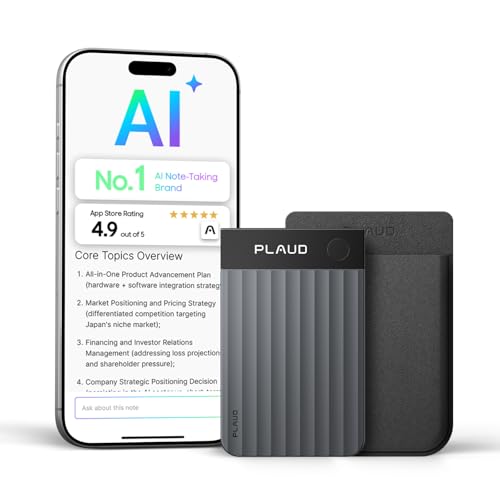
- Four microphones capture voices up to 5 meters away
- 64 GB storage and up to 50 hours of recording
- Transcription, summaries, and workflow integrations
Best For: Professional meetings and automated note-taking
Best High-Capacity Recorder

- 128 GB storage with up to 9,296 hours listed
- Voice activation with six sensitivity levels
- Playback, password protection, and file organization
Best For: High-volume lectures, meetings, and interviews
Best Long-Battery Option

- Stereo MP3 recording with True Stereo microphones
- Up to 110 hours of battery life
- 8GB storage with microSD expansion
Best For: Students and everyday long-session recording
Best High-Capacity Feature Set

- 80GB total storage with a 64GB microSD card
- Up to 100 hours of recording per charge
- PCM recording, noise reduction, and USB-C
Best For: Frequent recording and large audio libraries
Best Simple Voice-Activated Recorder

- 4GB built-in flash memory
- Voice-activated recording and automatic levels
- Up to 4,175 hours of maximum recording time
Best For: Basic voice notes and hands-free speech recording
Best High-Capacity Pick
TileRec Voice Activated Recorder

- 64GB storage with up to 1,100 hours stated recording time
- Direct playback with included headphones
- USB-C support for four major operating systems
Best For: Students and professionals needing portable storage and on-device playback
Best for Long Sessions
Tonfarb 136GB Digital Voice Recorder

- Up to 68 hours of continuous recording
- Noise reduction with 1536 kbps PCM support
- One-button recording, A-B repeat, and password protection
Best For: Extended meetings, interviews, lectures, and classes
Best Simple Budget Option

- Straightforward REC, STOP, and PLAY controls
- Voice activation and DSP noise reduction
- Lightweight 35g design with 30-hour recording capacity
Best For: First-time users, students, and everyday voice notes
Best Portable Pick – Sony ICD-UX570
For shoppers comparing voice recorders under 300, the Sony ICD-UX570 is a compact choice with a built-in stereo microphone, multiple recording modes, and USB connectivity. Its slim design and quick-charge feature suit everyday note-taking and interviews.
Best For: Students, interviewers, and anyone who wants a lightweight stereo recorder with flexible recording options.
Pros:
- Built-in stereo microphone with wide/stereo, narrow/focus, and normal modes
- 4 GB of built-in storage
- Slim, lightweight 50 g design
- Quick charge can provide up to one hour of recording after a three-minute charge
Cons:
- Listed quick-charge recording time is limited to one hour
- Uses MP3 and WMA formats rather than the listed WAV format
The ICD-UX570 stands out when portability and straightforward recording controls matter more than extensive storage or advanced transcription features.
Best Long-Recording Value – Olympus WS-822
The Olympus WS-822 is a practical option among voice recorders under 300 for buyers who prioritize recording capacity. It combines 4 GB of built-in memory, support for microSD or SDHC cards up to 32 GB, and several recording formats.
Best For: Lectures, meetings, and extended recording sessions where long battery and storage capacity are priorities.
Pros:
- Approximately 1,000 hours of maximum recording time listed
- Supports Linear PCM, MP3, and WMA recording
- Expandable storage through microSD or SDHC cards up to 32 GB
- USB Direct connection for computer transfer
Cons:
- Requires two AA batteries
- Built-in microphone operation is listed as mono or stereo, without advanced directional modes
Choose the WS-822 if recording longevity and expandable storage are more important to you than a slimmer, rechargeable design.
Best AI Note-Taking Recorder – Plaud Note Pro
Among voice recorders under 300, the Plaud Note Pro is designed for people who want recordings turned into organized notes. Four microphones capture voices from up to 5 meters, while the companion platform provides transcription, summaries, and workflow integrations.
Best For: Professionals and teams who want conversation capture, transcription, summaries, and connected productivity tools.
Pros:
- Four microphones capture voices from up to 5 meters away
- 64 GB storage with up to 30 hours in Enhance mode or 50 hours in Endurance mode
- AI-generated transcripts, highlights, summaries, and structured work outputs
- Includes a magnetic case, ring, charging cable, and 300 transcription minutes per month on the Starter Plan
Cons:
- Transcription and advanced features depend on the Plaud app and plan limits
- No headphone jack
- Online meetings require Plaud Desktop
The Note Pro is a productivity-focused recorder rather than a simple standalone audio device, making it compelling when turning conversations into usable work matters.
Best High-Capacity Recorder – EVIDA 128GB Digital Recorder
For shoppers seeking voice recorders under 300 with substantial storage, the EVIDA 128GB recorder offers high-capacity file storage, voice activation, playback, and password protection. It also works as an MP3 player and USB flash drive.
Best For: Students, teachers, business users, and writers who need abundant storage and adjustable voice-activated recording.
Pros:
- 128 GB capacity with up to 9,296 hours of listed recording storage
- Supports MP3 at 128 or 192 kbps and WAV at 1536 kbps
- Six voice-activation sensitivity levels help reduce silence and whispering
- Includes playback, password protection, bookmarks, A-B repeat, and four-folder file management
Cons:
- Continuous recording is listed at up to 54 hours per full battery
- No headphone jack is listed
- Built-in microphone operation is mono with noise cancellation
The EVIDA is a feature-heavy option for buyers who value storage and recording controls, though its mono microphone and basic USB-focused design may not suit everyone.
Best Long-Battery Option – Olympus WS-853
If you want a dependable choice among voice recorders under 300, the Olympus WS-853 focuses on straightforward stereo recording, generous battery life, and convenient file transfers. It includes 8GB of storage, direct USB connection, and a microSD card slot for added capacity.
Best For: Students, meeting attendees, and anyone who needs long recording sessions with simple file management.
Pros:
- Stereo MP3 recording with built-in True Stereo microphones
- Up to 110 hours of battery life from two included AAA batteries
- 8GB internal memory plus a microSD card slot
- Direct USB connection with battery-charge functionality
Cons:
- Uses a relatively small 1.5-inch screen
- Playback and recording are limited to the supplied feature set rather than advanced editing tools
The WS-853 is a practical, lightweight recorder for everyday voice capture. Its stereo microphones, long battery life, and expandable storage make it a well-rounded option when convenience matters more than advanced recording controls.
Best High-Capacity Feature Set – 80GB Digital Voice Recorder
Among voice recorders under 300, this ESCYTEGR model stands out for its unusually large 80GB total storage and broad feature set. It combines PCM recording, DSP noise reduction, voice activation, USB-C transfers, and password protection in a durable metal body.
Best For: Users recording frequent lectures, meetings, interviews, or other sessions where storage, battery endurance, and file-management features are priorities.
Pros:
- 80GB total storage from 16GB onboard memory and a preinstalled 64GB microSD card
- Up to 100 hours of continuous recording on one charge
- PCM recording up to 1536Kbps with dual microphones and DSP noise reduction
- USB-C transfer, voice activation, external microphone support, and password protection
Cons:
- The extensive feature set may be more than casual users need
- Its maximum advertised recording capacity depends on the selected MP3 bitrate and format
This recorder is designed for users who value capacity and flexibility. The color display, variable-speed playback, A-B repeat, bookmarking, and USB-C connectivity make it especially useful for reviewing and organizing many recordings.
Best Simple Voice-Activated Recorder – Sony ICD-BX140
For shoppers comparing voice recorders under 300, the Sony ICD-BX140 offers a simple approach centered on mono speech recording. Its 4GB built-in memory, automatic recording levels, voice activation, and noise-reduction mode are suited to basic notes and spoken reminders.
Best For: Casual users who want a familiar Sony recorder for voice notes, short interviews, and hands-free recording.
Pros:
- 4GB built-in flash memory
- Voice-activated recording for hands-free use
- Automatic recording level settings and Noise Cut mode for speech playback
- Up to 4,175 hours of maximum recording time under the listed settings
Cons:
- Mono microphone operation is less spacious than stereo recording
- Battery life is listed at 26 to 28 hours for MP3 recording, depending on bitrate
- Uses a 2.5mm headphone jack rather than the more common 3.5mm size
The ICD-BX140 is a sensible pick when ease of use and speech-focused recording matter most. It lacks the expandable storage and broader controls of newer feature-heavy models, but its automatic settings and voice activation keep everyday recording uncomplicated.
Best High-Capacity Pick – TileRec Voice Activated Recorder
For shoppers comparing voice recorders under 300, the TileRec stands out for its compact metal body, generous 64GB storage, and built-in playback. Voice activation can pause during quiet periods, helping keep meeting, lecture, and memo recordings more focused.
Best For: Students and professionals who want substantial storage, direct playback, and a pocket-friendly recorder.
Pros:
- 64GB storage and up to 1,100 hours of stated digital recording time.
- Built-in navigation and included headphones allow playback without a computer.
- USB-C connectivity works with Windows, macOS, Android, and Linux.
- Metal construction and stereo microphone operation suit routine professional use.
Cons:
- Its 2.5mm headphone jack may require an adapter for some headphones.
- The listed battery life is 30 hours, which is less than the stated storage capacity could support in extended use.
This is a practical choice when easy on-device review and long-term file capacity matter more than advanced editing features. Its small footprint also makes it convenient for carrying between classes, meetings, and interviews.
Best for Long Sessions – Tonfarb 136GB Digital Voice Recorder
Among voice recorders under 300, this Tonfarb model is built for extended recording sessions. It combines a 1100mAh battery, voice activation, noise reduction, and a 136GB total storage claim for meetings, interviews, lectures, and classes.
Best For: Users who prioritize long battery life, high storage capacity, and quick one-button recording.
Pros:
- Rated for up to 68 hours of continuous recording on a charge.
- Supports PCM recording up to 1536 kbps with dual noise-reduction microphones.
- One-click recording can start even when the device is powered off.
- Includes A-B repeat, password protection, a large LCD screen, and USB-C transfer.
Cons:
- At about 100g, it is heavier than the smallest pocket recorders.
- The listed hardware interface is USB 2.0, despite the recorder using a USB-C connection.
The Tonfarb is a strong fit for back-to-back sessions where frequent charging would be inconvenient. Its screen, playback controls, and security features add flexibility for reviewing and organizing recordings.
Best Simple Budget Option – Sunlan 16GB Voice Recorder
For shoppers seeking voice recorders under 300 without a complicated interface, the Sunlan offers straightforward controls and a lightweight design. Its REC, STOP, and PLAY buttons make it easy to capture and review lectures, interviews, and meetings.
Best For: Students and first-time users who want an affordable, uncomplicated recorder with playback.
Pros:
- Simple one-button recording and direct playback through the built-in speaker.
- Voice activation can begin recording when sound is detected and reduce idle recording.
- DSP noise reduction and 1536kbps recording are designed for clearer voice capture.
- Lightweight 35g body with 16GB storage and up to 30 hours of recording.
Cons:
- Its mono microphone operation is less expansive than a stereo setup.
- Playback is rated for about seven hours, shorter than the stated recording time.
- Storage and recording capacity are lower than the larger models in this roundup.
The Sunlan keeps the focus on essential recording and playback functions. It is a sensible pick for everyday notes and classroom use when portability and ease of operation are more important than maximum storage.
How We Picked the Best Voice Recorders Under 300
We focused on features that affect everyday recording rather than storage claims alone. Our selection includes established brands such as Sony and Olympus alongside newer high-capacity and AI-enabled devices. We considered microphone design, recording formats, voice activation, battery performance, built-in storage, playback controls, transfer options, password protection, and overall portability.
We also looked for variety. Some buyers need a straightforward recorder with physical buttons and direct USB transfer, while others may prefer a compact device with extensive storage or automated transcription features. Because advertised recording times depend on audio quality and recording settings, treat maximum-hour figures as a capacity reference, not a guarantee of real-world performance.
Quick Comparison
| Best For | Features to Prioritize | Models to Consider |
|---|---|---|
| Lectures and classes | Clear microphones, voice activation, long battery life | Sony ICD-UX570, Olympus WS-822, Olympus WS-853 |
| Meetings and interviews | Stereo recording, easy playback, dependable file transfer | Sony ICD-UX570, Olympus WS-853 |
| AI-assisted notes | Transcription workflow, app support, processing features | Plaud Note Pro |
| Maximum storage | Large capacity, organized file management, password protection | EVIDA 9296 Hours, 136GB recorder, 80GB recorder |
| Simple dictation | Physical controls, compact design, direct USB connection | Sony ICD-BX140, TileRec, 16GB recorder |
Key Buying Factors for Voice Recorders Under 300
Recording Quality and Microphone Design
Stereo microphones can create a more natural sense of space and help capture several speakers, while a focused microphone may be preferable for personal dictation. Check whether the recorder supports the format and quality level you need. For speech, intelligibility is usually more important than the highest specification.
Storage and File Management
High-capacity models are useful for frequent recording, but large numbers of files can become difficult to organize. Look for folders, simple file naming, playback controls, and a convenient way to move recordings to a computer. A smaller reputable recorder may be easier to manage than a device advertising thousands of hours.
Battery, Charging, and Connectivity
Consider whether the unit uses replaceable batteries, a built-in rechargeable cell, or a direct USB connection. USB-C is convenient, while a built-in USB plug can reduce cable clutter. For long classes or meetings, confirm expected battery life at your chosen recording quality.
Privacy and Convenience Features
Voice activation can reduce silent sections and conserve storage, but it may miss very quiet speech. Password protection is valuable for sensitive recordings. If you are considering an AI recorder, check the required app, subscription terms, supported languages, and where audio is processed.
Who Should Buy Which Voice Recorders Under 300?
Choose a Sony or Olympus model if you want a familiar brand, straightforward controls, and dependable recording for school, work, or interviews. Pick the Plaud Note Pro if automated note creation is central to your workflow and you are comfortable using a connected software experience. Choose a high-capacity recorder if you record continuously or need substantial onboard storage, but verify file organization and transfer compatibility first. For occasional dictation, a compact 16GB or similarly simple model is usually sufficient and may be easier to carry.
Before ordering, confirm the recorder’s connector, supported audio formats, operating-system compatibility, and local recording laws. In particular, obtain the required consent before recording private conversations or meetings.