
Choosing stage monitors under $200 is all about getting enough clarity and output to hear yourself without blowing the budget. The best options balance vocal intelligibility, usable volume, and a form factor that fits rehearsal rooms, small stages, and home setups.
Below, you’ll find a focused roundup of 10 picks that cover passive wedges, powered monitors, compact reference speakers, and useful accessories for different live-sound needs.
Best 10 Stage Monitors Under 200 Picks for 2026
Heavy-Duty Passive Monitor
Rockville RSM15P 15" Passive Monitor

- 1400W peak output
- 15-inch woofer with titanium driver
- Wide 70° x 50° coverage
Best For: loud stages, DJs, and bands needing a rugged passive wedge
Compact Powered Pair
PreSonus Eris 3.5 Powered Monitors

- Stereo pair with 50W built in
- 3.5-inch woofers and silk-dome tweeters
- TRS, RCA, aux, and headphone jack
Best For: desktop monitoring, streaming, gaming, and home studio use
Drum Monitor Pick
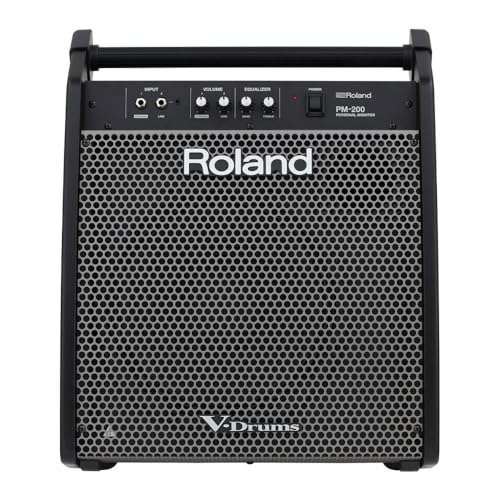
- 180W with custom 12-inch speaker
- Angled design for seated players
- Built-in mixer with V-Drums input
Best For: electronic drummers needing a purpose-built monitor
Portable Powered Wedge
ALTO TX408 8" Powered PA Speaker

- 350W bi-amplified output
- 8-inch driver with wide-dispersion horn
- Bluetooth plus 2-channel mixer
Best For: small gigs, home studios, and portable stage monitoring
Adjustable Floor Stands

- 36.5"-54" height adjustment
- 18" triangular bases for stability
- Padding, rubber feet, and spikes included
Best For: Speaker placement on floors, rugs, or carpets
Powered Wedge Monitor

- 350W powered output
- Bluetooth, TWS, and 2-channel mixer
- Floor monitor or pole-mount use
Best For: Portable monitoring with extra PA and Bluetooth features
Stage Wedge Monitor

- 10" two-way wedge design
- 150W RMS / 300W peak
- Speakon and 1/4" wired inputs
Best For: Basic wired monitoring on small stages or in rehearsal spaces
Compact Studio-Grade Pick
IK Multimedia iLoud Micro Monitor

- Ultra-compact reference monitor with DSP tuning
- Bluetooth, RCA, and 1/8" aux inputs
- Portable design with strong low end for its size
Best For: Portable home studios and tight desktop setups
Powered Wedge Choice

- 10" powered 2-way wedge with 300W amp
- XLR, 1/4", and 1/8" inputs/outputs
- Onboard 3-band EQ for quick stage tuning
Best For: Small venues, rehearsals, and live vocal monitoring
Feature-Packed Budget Monitor

- 12" bi-amped monitor with Class-D power
- Feedback filter and integrated limiter
- XLR, 1/4", RCA, and Speakon inputs
Best For: Users wanting a larger powered monitor with feedback control
Heavy-Duty Passive Monitor – Rockville RSM15P 15" Passive Monitor
If you want stage monitors under 200 that can still handle loud rehearsals and live sets, the Rockville RSM15P is built for that job. Its 15-inch woofer, titanium compression driver, and wide horn coverage make it a practical choice when you need strong on-stage sound without a complicated setup.
Best For: Bands, DJs, and performers who need a rugged passive wedge for bigger stage volume.
Pros:
- 1400 watts peak power for strong output during live use
- 15-inch woofer and 1.75-inch titanium compression driver for full-range sound
- 70-degree x 50-degree horn coverage helps spread audio across the stage
- Dual 1/4-inch and Speakon connections for flexible integration
Cons:
- Passive design requires an external amplifier
- Larger cabinet may be less convenient than compact monitor options
Overall, this is a straightforward stage monitor built for power, durability, and broad coverage. It makes the most sense when your priority is a road-ready passive wedge rather than a small desktop-style monitor.
Compact Powered Pair – PreSonus Eris 3.5 Powered Monitors
For buyers comparing stage monitors under 200 with a smaller footprint, the PreSonus Eris 3.5 is a versatile powered pair that works especially well on a desk or in a compact home setup. It is aimed at clear, balanced sound and includes tuning controls that help it adapt to different rooms.
Best For: Home studios, gaming, streaming, and desktop listening where compact powered speakers are preferred.
Pros:
- Sold as a complete stereo pair for easy setup
- 50 watts of built-in amplification for clean, distortion-free output
- Acoustic tuning controls for high and low frequencies
- Balanced TRS, RCA, aux input, and front headphone jack for flexible connections
Cons:
- 3.5-inch woofers are not intended for high-output stage use
- Best suited to nearfield listening rather than covering a live room
This is a practical pick if you want accurate sound in a small space and value easy connectivity. It is less of a traditional stage wedge, but it delivers the kind of controlled monitoring many desktop users need.
Drum Monitor Pick – Roland PM-200 V-Drum Monitor
The Roland PM-200 is a strong option if you need stage monitors under 200 that are tailored to electronic drums. Its angled cabinet, built-in mixer, and dedicated V-Drums input make it especially practical for seated players who want direct, controlled monitoring.
Best For: Electronic drummers and percussion players who want an all-in-one monitor for V-Drums.
Pros:
- 180 watts of power with a custom 12-inch speaker
- Angled design is made for sound coverage to a seated player
- Integrated mixer with independent volume controls and global EQ
- Dedicated V-Drums input plus 1/4-inch and 1/8-inch line inputs
Cons:
- Most useful for electronic percussion, not general PA use
- Single-speaker design is less flexible than a stereo monitor pair
For drummers, this monitor is easy to justify because it is purpose-built rather than general-purpose. It focuses on the features that matter most for electronic kits: clear direction, simple mixing, and direct connectivity.
Portable Powered Wedge – ALTO TX408 8" Powered PA Speaker
If you are shopping for stage monitors under 200 and want a compact powered wedge with modern connectivity, the ALTO TX408 stands out. It is designed for small live gigs, stage monitoring, home studios, and other intimate spaces where portability and clear sound matter.
Best For: Small bands, DJs, and performers who want a portable powered monitor with Bluetooth.
Pros:
- 350W bi-amplified power in a compact 8-inch cabinet
- 90-degree x 60-degree wide-dispersion horn for broad coverage
- Built-in 2-channel mixer with mic, line, and Bluetooth inputs
- Bluetooth TWS and mix output add flexibility for simple setups
Cons:
- Single 8-inch driver is better for small rooms than large stages
- More of a powered PA speaker than a dedicated pro wedge monitor
The TX408 is a smart pick when you want one speaker that can handle monitoring and basic playback duties. It balances portability, features, and output well for smaller performance environments.
Adjustable Floor Stands – OnStage SMS6000 Pair
If you want stage monitors under 200 that are really about getting the speakers into the right position, the OnStage SMS6000 pair is a practical pick. These adjustable stands give you a wide height range, a stable base, and protective padding, making them useful for rehearsal rooms, live setups, and sit-or-stand listening positions.
Best For: Placing powered or passive speakers at a precise height on hard floors, rugs, or carpets.
Pros:
- Height adjusts from 36.5″ to 54″ for flexible placement.
- Wide 18″ triangular bases help support speakers up to 90 lb.
- Padding and nonslip feet help reduce vibration and keep speakers secure.
- Optional base spikes are included for rugs and carpeted floors.
Cons:
- These are monitor stands, not powered speakers.
- Best suited to setup needs where height positioning matters more than sound shaping.
The SMS6000 is a straightforward support solution for anyone who wants reliable speaker placement without extra complexity. If your priority is stability, adjustability, and cabinet protection, this pair fits the job well.
Powered Wedge Monitor – ALTO TX410
The ALTO TX410 is a versatile option if you want stage monitors under 200 that can also handle general PA duties. It comes ready for floor monitor use, includes Bluetooth streaming and a 2-channel mixer, and offers enough power for small to mid-sized performance spaces, rehearsals, and mobile setups.
Best For: A powered floor monitor that can also serve as a small PA speaker for practice or live use.
Pros:
- 350W bi-amplified power for strong output.
- Ready for wedge monitor use straight out of the box.
- Bluetooth streaming plus TWS support for flexible playback.
- Built-in 2-channel mixer with mic, line, and Bluetooth inputs.
Cons:
- It is a powered speaker, so it needs corded electric power.
- More feature-rich than a simple monitor-only wedge.
If you need one box that can monitor, play music, and handle basic input mixing, the TX410 brings a lot of utility. Its rugged build and easy setup make it a solid choice for portable performance use.
Stage Wedge Monitor – Seismic Audio SA-10MTSingle
Seismic Audio - SA-10MTSingle - 10" Floor / Stage Monitor Wedge Style with Titanium Horn
Check Price On AmazonFor buyers comparing stage monitors under 200, the Seismic Audio SA-10MTSingle is a simple wedge-style option built around a 10″ two-way design. It keeps things focused on monitor use, with a titanium horn driver, wired inputs, and enough output for basic stage or rehearsal applications.
Best For: A straightforward wired floor monitor for rehearsals, small stages, or general audio playback.
Pros:
- Wedge-style floor mount design suits stage monitoring.
- 10″ two-way speaker with titanium horn driver.
- 300W peak output and 150W RMS rating.
- Speakon and 1/4″ input compatibility for wired setups.
Cons:
- No built-in amplification, so it needs external power.
- Heavier than some compact monitor options at 22 lb.
This is a no-frills monitor for users who want a dependable wired wedge rather than extra processing or Bluetooth features. If you already have the rest of the audio chain in place, it can be a practical stage-ready choice.
Compact Studio-Grade Pick – IK Multimedia iLoud Micro Monitor
If you want stage monitors under 200 that can also pull double duty for desktop listening, the iLoud Micro Monitor is a very compact option with surprisingly full-range sound. It’s built as a portable, Bluetooth-ready reference monitor system, with DSP EQ options to help you adapt the response for a desktop or freer-field setup.
Best For: Portable home studios, travel setups, and compact monitoring where accurate playback matters more than volume.
Pros:
- True linear frequency response with internal DSP for bass, treble, and position compensation.
- Very small, lightweight design that’s easy to move or pack for travel.
- Bluetooth plus RCA and 1/8″ aux inputs add flexible playback options.
- Extended low end for its size, rated down to 55Hz (-3dB).
Cons:
- 3-inch woofer and 50W RMS output won’t match the output of larger stage wedges.
- Best suited to nearfield use rather than loud live monitoring.
Overall, this is the most practical choice if your priority is accurate, portable monitoring in a small space. It’s less of a traditional stage wedge and more of a compact reference monitor, but it brings useful flexibility for creators working on a tight budget and footprint.
Powered Wedge Choice – Sound Town METIS-10MPW
The Sound Town METIS-10MPW is a straightforward option if you’re looking for stage monitors under 200 with powered output and simple on-board control. Its 10-inch woofer, titanium compression driver, and built-in 300W amplifier make it a practical live-sound wedge for rehearsals and small venues.
Best For: Live performers, bars, churches, and small stages that need a powered wedge monitor with basic EQ control.
Pros:
- Powered 2-way design with a 10″ woofer and 1″ titanium compression driver.
- Integrated 300W amplifier for monitoring and rehearsal use.
- Flexible input/output layout includes XLR, 1/4″, and 1/8″ connections.
- Onboard 3-band EQ makes quick room and stage adjustments easy.
Cons:
- Built for small-venue use, not high-output large-stage monitoring.
- Carpet covering and metal corners are practical, but the design is still fairly basic.
This is a sensible budget-powered monitor when you need a usable wedge without extra complexity. It focuses on clear stage monitoring, flexible hookups, and quick tonal control rather than premium features.
Feature-Packed Budget Monitor – Behringer EUROLIVE F1220D
If you’re shopping for stage monitors under 200 and want a larger powered box, the Behringer EUROLIVE F1220D brings a 12-inch woofer, bi-amped design, and built-in feedback filtering. It’s aimed at multi-purpose live use, with enough connectivity and protection features to handle practice rooms, basic stage monitoring, and playback duties.
Best For: Players and venues that want a powerful 12-inch powered monitor with feedback control and wide connectivity.
Pros:
- 12″ woofer and bi-amped Class-D amplification for strong output.
- Adjustable feedback filter and integrated limiter help protect the system.
- Wide connection options include XLR, 1/4″ TRS/TS, RCA, and Speakon.
- Multi-purpose design works for monitoring, playback, and general sound reinforcement.
Cons:
- Larger and heavier than compact wedge monitors.
- Single-mono format is less flexible than stereo desktop speakers.
For buyers who want more cone size and control in a budget-powered monitor, this model stands out. It’s a practical, feature-rich pick when feedback management and broad compatibility matter more than portability.
How We Picked These Stage Monitors Under 200
We focused on practical factors that matter most for real-world use: sound clarity, output capability, build quality, mounting or wedge flexibility, and overall value. Because this price range includes both powered and passive models, we also considered whether each pick makes sense for musicians, DJs, churches, rehearsal spaces, and small venues.
Quick Comparison: What You’re Getting
In this group, you’ll see a mix of compact studio-style monitors, larger floor wedges, and powered PA speakers that can double as stage monitors. That variety matters. Smaller monitors are better for nearfield listening and practice, while larger powered units usually deliver more volume and projection for live performance.
Key Buying Factors for Stage Monitors Under 200
Powered Vs. Passive
Powered monitors are simpler to set up because amplification is built in. Passive monitors can be a smarter buy if you already own an amp or want to build a more flexible system.
Speaker Size and Coverage
A 10-inch or 12-inch woofer is often a good middle ground for live monitoring, while 15-inch models can provide more low-end and stage presence. Smaller 3.5-inch or 4-inch speakers work better for desktop listening than for loud stage use.
Sound Clarity and Feedback Control
For live vocals, clarity matters more than bass. Look for models with horn-loaded highs, compression drivers, or feedback-reduction features if you need reliable monitor performance at higher volumes.
Portability and Placement
Some Stage Monitors Under 200 are lightweight wedges that are easy to move between gigs, while others are better suited to stands, desktops, or fixed installations. Make sure the format matches your setup before you buy.
Who Should Buy Which Stage Monitors Under 200?
If you need a straightforward live wedge, prioritize a powered or passive stage monitor with strong midrange and enough headroom for vocals. If you’re setting up a rehearsal room or small home studio, compact reference monitors may be the better fit. DJs, churches, and small PA users should lean toward powered speakers that can pull double duty as stage monitors and front-of-house reinforcement.
For stage monitors under $200, the best choice is usually the one that matches your amplification, room size, and how loudly you need to monitor on stage. Aim for clean vocal projection first, then add bass, features, and portability based on your specific use case.