
The best OLED televisions combine deep black levels, vivid contrast, fast response times, and wide viewing angles in a remarkably slim design. The right model depends on more than picture quality, however: room brightness, screen size, gaming features, sound, and smart-TV preferences all matter.
This roundup compares 10 standout OLED and OLED-adjacent televisions from LG, Sony, Samsung, and Roku, including compact 48-inch options, large 77-inch screens, and newer 2026 models.
Best 10 Oled Televisions Picks for 2026
Best Bright-Room OLED

- Bright-room design with Brightness Booster
- Dolby Vision and FILMMAKER MODE
- 0.1ms response and up to 144Hz gaming
Best For: Bright living rooms, movie fans, and serious gamers
Cinematic Google TV Pick

- Pure blacks with factory-calibrated color
- Google TV with Gemini integration
- 4K/120 gaming through four HDMI ports
Best For: Movie-focused households wanting a polished smart TV
Mini-LED Alternative

- Mini LED contrast and HDR highlights
- Motion features for sports and gaming
- 2,700+ free Samsung TV Plus options
Best For: Sports fans and shoppers who prefer Mini LED brightness
Compact Cinematic OLED

- Compact 48-inch self-lit OLED display
- Factory-calibrated Triluminos Pro color
- Google TV and 4K/120 gaming support
Best For: Smaller rooms and personal movie or gaming spaces
Best for Bright, Glare-Resistant Viewing

- Matte Glare Free screen and OLED HDR+
- AI 4K upscaling and motion enhancement
- Up to 165Hz gaming with G-SYNC and FreeSync
Best For: Bright rooms, sports, and gaming
Best for Simple Streaming

- Easy Roku TV interface with free entertainment
- 4K OLED with Dolby Vision and Dolby Atmos
- 120Hz gaming and sports features
Best For: Simple streaming and family-friendly entertainment
Best for Premium Home Theater and Gaming

- Brightness Booster with self-lit OLED pixels
- Dolby Vision, Atmos, and Filmmaker Mode
- Up to 165Hz gaming with 0.1ms response time
Best For: Movie enthusiasts and serious gamers
Best with Extra Features

- 4K OLED with vibrant colors and deep blacks
- 120Hz gaming and sports features
- Simple Roku interface with free content
Best For: Easy streaming, sports, and console gaming
Large-Screen AI Choice
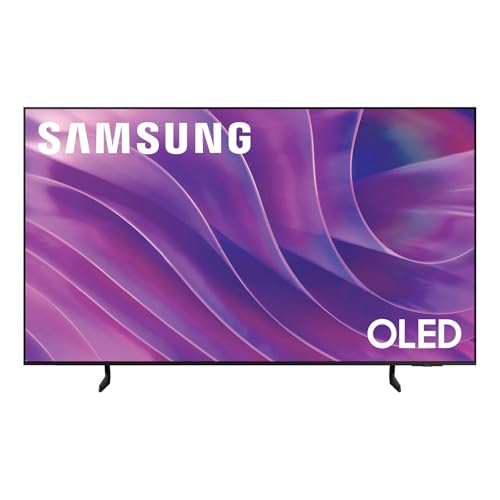
- Immersive 77-inch 4K OLED display
- AI-enhanced upscaling and sound
- Pantone-validated color with 120Hz motion
Best For: Large living rooms and immersive viewing
Gaming-Focused Upgrade
- OLED HDR+ with glare-free matte finish
- Motion Xcelerator up to 165Hz
- G-SYNC and FreeSync Premium Pro support
Best For: Fast-paced gaming and bright-room viewing
Best Bright-Room OLED – LG 65-Inch OLED evo C5
The LG 65-Inch OLED evo C5 is a strong choice among oled televisions for viewers who want self-lit-pixel contrast, bright-room performance, and extensive gaming features. Its 4K panel combines Dolby Vision, AI-powered picture processing, and a 144Hz-capable gaming feature set.
Best For: Bright living rooms, movie fans, and console or PC gamers who want a large, feature-rich OLED.
Pros:
- Brightness Booster technology and UL-verified Discomfort Glare Free performance help it handle brighter rooms.
- Self-lit pixels provide deep blacks, while Dolby Vision and FILMMAKER MODE support cinematic viewing.
- Gaming features include a 0.1ms response time, up to 144Hz refresh rate, VRR, and four HDMI 2.1 inputs.
- webOS 25, AI search features, and Art Gallery mode add everyday versatility.
Cons:
- Its 65-inch size may be too large for smaller rooms.
- The extensive picture and gaming features may be more than casual viewers need.
Choose this LG if brightness, gaming responsiveness, and flexible smart features matter as much as OLED contrast. It is a particularly well-rounded option for a main-room entertainment setup.
Cinematic Google TV Pick – Sony 65-Inch BRAVIA 6 OLED
The 65-inch Sony BRAVIA 6 is one of the more cinematic oled televisions for shoppers who value accurate color, pure blacks, and a polished Google TV experience. Its individually calibrated OLED panel supports Dolby Vision, Dolby Atmos, DTS:X, and 4K/120 gaming features.
Best For: Movie-focused households that want a large OLED with Google TV, wide viewing angles, and flexible installation.
Pros:
- Over 8 million self-lit pixels deliver pure black and strong contrast.
- Triluminos Pro provides a palette of over one billion colors, with each panel factory calibrated.
- Google TV with Gemini brings streaming discovery, voice interaction, and smart-home control together.
- Four HDMI ports support 4K/120, VRR, ALLM, and SBTM for compatible gaming setups.
Cons:
- The 65-inch screen requires substantial wall or furniture space.
- Some included entertainment features, such as Sony Pictures Core credits, may be less useful to viewers who already have preferred services.
This Sony is a sensible pick when movie presentation and smart-content discovery take priority. Its adjustable two-position stand is also useful when fitting a soundbar into the setup.
Mini-LED Alternative – Samsung 65-Inch M70H
The Samsung 65-Inch M70H is a Mini LED alternative to oled televisions, designed for shoppers who want brighter highlights, deeper blacks than traditional HDR TVs, and vibrant color. Its 4K processing, 120Hz motion features, and sports and gaming modes make it suited to active viewing.
Best For: Sports fans, gamers, and households that prefer Mini LED brightness and free built-in streaming content.
Pros:
- Mini LED processing and Supreme Mini LED Dimming enhance contrast with brighter highlights and deeper blacks.
- Pure Color Spectrum and Color Booster support one billion colors and vivid image presentation.
- Motion Xcelerator plus DLG 120Hz is designed for smoother sports and gaming motion.
- Samsung TV Plus offers more than 2,700 free streaming options, including over 750 subscription-free channels.
Cons:
- This is an LED/Mini LED television rather than an OLED model.
- The supplied details list three HDMI ports, fewer than the Sony and LG options here.
Consider the M70H if you are comparing oled televisions but prefer Mini LED’s brightness-oriented approach. Soccer Mode, Gaming Hub, and Samsung TV Plus make it especially practical for sports and casual entertainment.
Compact Cinematic OLED – Sony 48-Inch BRAVIA 6 OLED
The 48-inch Sony BRAVIA 6 brings the key strengths of oled televisions to a more compact screen size. It offers self-lit-pixel contrast, Triluminos Pro color, Google TV with Gemini, and 4K/120 gaming support for bedrooms, offices, and smaller entertainment spaces.
Best For: Smaller rooms, personal viewing spaces, and shoppers who want a compact OLED with strong movie and gaming support.
Pros:
- Self-lit OLED pixels deliver pure blacks, strong contrast, and wide viewing angles.
- Factory calibration and Triluminos Pro aim for consistent, natural-looking color.
- Google TV with Gemini supports content discovery, questions, and smart-home control.
- Dolby Vision, Dolby Atmos, DTS:X, and four HDMI ports with 4K/120 features support cinematic setups.
Cons:
- The 48-inch screen provides less viewing area than the 65-inch models in this roundup.
- Its compact format may be less suitable for large rooms or group viewing from a distance.
This is the most space-conscious OLED option in the group. It keeps Sony’s cinema and smart-TV features while fitting more easily on a smaller stand or in a personal entertainment area.
Best for Bright, Glare-Resistant Viewing – Samsung S90H OLED
For shoppers comparing OLED televisions, the Samsung S90H stands out with a matte Glare Free screen, OLED HDR+, and a high-brightness design rated up to 2,000 nits. Its AI processor also enhances 4K content, motion, and sound for everyday streaming, sports, and gaming.
Best For: Bright rooms, sports viewers, and gamers who want high refresh-rate performance.
Pros:
- Glare Free matte finish helps reduce distracting reflections.
- AI-powered 4K upscaling and motion enhancement improve lower-resolution content and fast action.
- Gaming features include up to 165Hz Motion Xcelerator, NVIDIA G-SYNC, and AMD FreeSync Premium Pro.
- Supports Dolby Atmos and Object Tracking Sound.
Cons:
- The supplied specifications list both a 165Hz gaming rate and a 120Hz display refresh rate, which may require checking the exact input conditions.
- Its advanced picture and gaming features may be more than casual viewers need.
The S90H is a feature-rich choice among oled televisions, particularly if glare control, strong brightness, and responsive gaming matter more than a minimalist feature set.
Best for Simple Streaming – Roku Pro Series OLED
The Roku Pro Series is one of the more approachable oled televisions for viewers who prioritize easy streaming. It combines a straightforward Roku TV interface with 4K OLED contrast, Dolby Vision, a 120Hz refresh rate, and a voice remote with backlit buttons.
Best For: Households that want simple navigation, plentiful streaming options, and flexible entertainment features.
Pros:
- Roku’s simple Home Screen provides access to free live TV and a broad range of streaming services.
- OLED delivers vibrant colors and truly black tones.
- 120Hz refresh rate, VRR, ALLM, and FreeSync Premium support sports and gaming.
- Includes Dolby Vision, Dolby Atmos, Bluetooth headphone mode, and a remote finder.
Cons:
- It offers a 120Hz refresh rate rather than the higher gaming rate listed for some competing models.
- The supplied notes do not specify a current software-update support date.
Choose this Roku model if ease of use is central to your buying decision. Its two-height tool-less stand and cable-management system also make setup more flexible for a living room.
Best for Premium Home Theater and Gaming – LG OLED evo C6
The LG OLED evo C6 is a strong all-around option among oled televisions, pairing self-lit pixels with Brightness Booster technology, Dolby Vision, Filmmaker Mode, and Dolby Atmos. Its webOS platform adds streaming convenience, while a 0.1ms response time and advanced gaming support suit fast-paced play.
Best For: Movie enthusiasts and gamers seeking cinematic picture quality with responsive performance.
Pros:
- Perfect Black and Perfect Color are powered by more than 8.3 million self-lit pixels.
- Supports Dolby Vision, Dolby Atmos, and Filmmaker Mode with Ambient Light Technology.
- Gaming features include up to 165Hz, 0.1ms response time, NVIDIA G-SYNC, AMD FreeSync Premium, and VRR.
- webOS, Google Gemini, and LG Channels provide broad smart-TV functionality.
Cons:
- The glossy screen finish may be less suitable for rooms with strong reflections.
- The supplied specifications list a 120Hz display refresh rate alongside up to 165Hz gaming support, so compatible sources may affect the maximum rate.
- Its feature-rich platform may take more setup than a basic streaming TV.
The C6 is especially compelling when movie presentation and gaming responsiveness are equally important. OLED Care is also designed to help maintain picture quality over time.
Best with Extra Features – Roku Pro Series 55-Inch OLED
For shoppers comparing oled televisions, the Roku Pro Series combines a 55-inch 4K OLED display with a straightforward smart-TV experience. Its 120Hz refresh rate, Dolby Vision support, and simple Roku interface make it a practical choice for everyday streaming, sports, and gaming.
Best For: Viewers who prioritize easy navigation, free streaming content, and flexible entertainment features.
Pros:
- OLED display delivers vibrant color and genuinely deep blacks.
- Roku Smart Picture Max automatically tunes the picture for different content.
- 120Hz refresh rate with FreeSync Premium, ALLM, and VRR supports smooth gaming and sports.
- Backlit voice remote includes a remote-finder button and Bluetooth headphone mode.
Cons:
- The 55-inch screen may be small for viewers seeking a large-room theater setup.
- Roku Smart Picture Max is designed to reduce manual picture-setting adjustments, which may limit fine-tuning for some users.
This is a well-rounded oled television for buyers who want premium OLED picture quality without giving up Roku’s uncluttered interface and broad free-content selection.
Large-Screen AI Choice – Samsung 77-Inch S84F OLED
Among oled televisions, Samsung’s 77-inch S84F stands out for its expansive screen and AI-assisted picture processing. It combines 4K OLED imagery with 4K upscaling, Pantone-validated color, and 120Hz motion handling for a more immersive living-room setup.
Best For: Buyers who want a large OLED screen for movies, streaming, sports, and spacious-room viewing.
Pros:
- Large 77-inch 4K OLED display provides an immersive viewing area.
- NQ4 AI Gen2 processing enhances compatible content toward 4K resolution and optimizes sound.
- Pantone-validated color and skin tones support a realistic-looking picture.
- Motion Xcelerator 120Hz delivers smooth visuals for sports and gaming.
Cons:
- The large chassis requires substantially more wall or furniture space than 55-inch alternatives.
- The listed speaker output is 20 watts, so buyers seeking fuller room-filling sound may want additional audio equipment.
The S84F is a strong fit when screen size is the priority. Its AI processing and validated color add useful picture enhancements, while Samsung TV Plus supplies thousands of free channels.
Gaming-Focused Upgrade – Samsung 55-Inch S90H OLED
For shoppers seeking oled televisions with advanced gaming features, the 55-inch Samsung S90H pairs OLED HDR+ with a glare-free matte finish and AI-powered processing. Its advertised 165Hz Motion Xcelerator mode, G-SYNC or FreeSync Premium Pro support, and low-latency gaming features target fast, responsive play.
Best For: Gamers and sports viewers who want a compact premium OLED with strong motion and reflection-control features.
Pros:
- OLED HDR+ combines deep contrast with AI-enhanced picture detail.
- Glare Free technology and a matte screen finish help reduce distracting reflections.
- Gaming package supports Motion Xcelerator 165Hz, NVIDIA G-SYNC, and AMD FreeSync Premium Pro.
- NQ4 AI Gen3 processing provides 4K upscaling and AI motion enhancement.
Cons:
- The 55-inch size may not deliver the same cinematic impact as a larger OLED.
- Its most advanced gaming features are most useful with compatible gaming hardware and content.
The S90H is the most gaming-oriented option in this group. It also makes sense for bright or reflection-prone rooms, where the glare-free design can complement the OLED display.
How We Picked These Oled Televisions
We selected models based on the features that matter most in real homes: panel technology, image processing, HDR support, refresh rate, gaming connectivity, smart-TV software, screen-size options, and overall value. We also included a Mini LED model as a useful alternative for shoppers who want strong contrast with higher full-screen brightness than many OLED panels can provide.
Because specifications and pricing can change, check the retailer listing for current dimensions, ports, warranty terms, included accessories, and sale pricing before buying.
Quick Comparison
| Best For | Recommended Type | What to Prioritize |
|---|---|---|
| Movies and dark rooms | OLED | Black levels, HDR performance, accurate processing |
| Bright living rooms | High-brightness OLED or Mini LED | Screen brightness, anti-reflection performance |
| Console and PC gaming | 120Hz OLED | HDMI 2.1, VRR, low input lag, gaming menus |
| Simple streaming | Roku TV or Google TV | App selection, voice control, interface |
| Large home theaters | 77-inch OLED | Viewing distance, wall space, installation support |
Key Buying Factors for Oled Televisions
Size and Viewing Distance
Choose the largest screen your room and budget can comfortably support. A 55-inch model suits many bedrooms and smaller living rooms, while 65 inches is a versatile choice for a main seating area. A 77-inch television can create a more immersive theater experience, but measure the wall, stand, doorways, and viewing distance first. A 48-inch set works well in a smaller room or as a gaming display.
Brightness and Room Lighting
Oled Televisions excel in dark-scene contrast because each pixel can switch off independently. If your room receives substantial daylight, compare peak brightness and reflection handling carefully. A brighter OLED may be preferable, while a Mini LED alternative can make sense when maximum full-screen brightness is the priority.
Gaming and Motion
For modern consoles and gaming PCs, look for a 120Hz panel, HDMI 2.1 inputs, variable refresh rate, automatic low-latency support, and a responsive game mode. Also confirm how many high-bandwidth HDMI ports are available if you use multiple gaming devices, a soundbar, and a receiver.
Processing, HDR, and Sound
Image processing affects upscaling, motion clarity, lower-resolution content, and HDR detail. Dolby Vision, HDR10+, and standard HDR formats vary by brand and service. Built-in speakers are convenient, but a soundbar or receiver is usually worthwhile for large rooms and movie-focused setups.
Smart-TV Platform and Durability
LG webOS, Google TV, Samsung’s platform, and Roku TV offer different layouts, voice controls, app ecosystems, and connected-home features. OLED panels can also experience image retention under certain prolonged, repeated static-content conditions, so use built-in panel-care tools and avoid leaving fixed graphics onscreen for extended periods.
Who Should Buy Which Oled Televisions?
Choose a 48-inch model for a compact room, desk setup, or close-range gaming. A 55-inch OLED is a balanced choice for many apartments and bedrooms, while 65 inches is the safest all-purpose size for a living room. Select a 77-inch model when cinematic immersion is more important than price or space efficiency.
Movie enthusiasts should focus on OLED contrast, accurate processing, and HDR compatibility. Gamers should prioritize 120Hz performance, HDMI 2.1, VRR, and low input lag. Shoppers with bright rooms should compare brightness and reflections rather than assuming every OLED performs identically. Finally, choose the smart platform you will enjoy using daily; an excellent panel is less satisfying if its interface or app support does not fit your viewing habits.