
Choosing the right mirrorless sports photography camera comes down to speed, focus reliability, and lens reach. The best options help you freeze fast movement, track unpredictable subjects, and keep up at the sidelines or field.
Below, we focus on cameras that balance autofocus performance, burst shooting, and practical lens choices so you can find a setup that fits your sport, budget, and experience level.
Best 10 Mirrorless Sports Photography Camera Picks for 2026
Canon R7
Fast APS-C Mirrorless for Sports and Action

- 32.5MP APS-C sensor with telephoto-friendly crop
- Dual Pixel CMOS AF II with up to 651 zones
- 15 fps mechanical and 30 fps electronic shooting
Best For: Sports, wildlife, and fast-action photographers
Nikon Z50 II
Compact Two-Lens Mirrorless Kit

- 20.9MP DX sensor in a compact body
- Includes 16-50mm and 50-250mm VR lenses
- Subject detection plus 4K UHD/60p video
Best For: Beginners who want an easy mirrorless kit with zoom reach
Canon R100 Kit
Budget Mirrorless with Telephoto Zoom
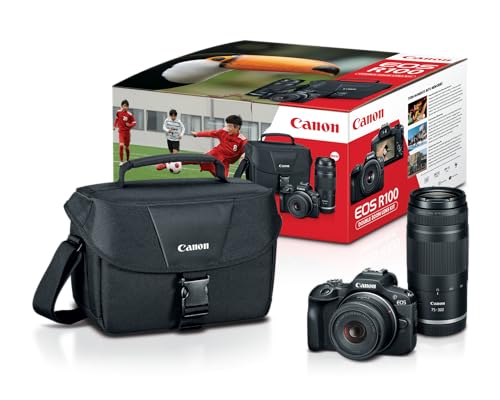
- Includes 18-45mm and 75-300mm zoom lenses
- Dual Pixel CMOS AF with Eye Detection
- Affordable starter kit with shoulder bag
Best For: Beginners on a budget who want telephoto reach
Sony a7 III
Full-Frame Mirrorless for Fast Tracking

- 24.2MP full-frame back-illuminated sensor
- 693 phase-detection AF points with 93% coverage
- Up to 10 fps shooting with AE/AF tracking
Best For: Full-frame shooters who want dependable tracking and versatility
Travel Telephoto Kit
Canon EOS R10 with 18-150mm & 75-300mm

- 24.2MP APS-C sensor
- Dual Pixel CMOS AF II tracking
- Includes two zoom lenses
Best For: Beginners who want one compact kit for sports, wildlife, and travel
Full-Frame Hybrid Pick

- 33MP full-frame sensor
- Real-time Eye AF tracking
- 4K 60p 10-bit video
Best For: Full-frame shooters who want action performance and strong video features
Action-Focused APS-C Kit

- 32.5MP APS-C sensor
- 15 fps burst shooting
- In-body stabilization included
Best For: Sports and wildlife shooters who need speed and telephoto reach
Full-Frame Travel Zoom

- 26.2MP full-frame sensor
- Dual Pixel CMOS AF with 4,779 AF points
- RF 24-105mm lens with up to 5 stops IS
Best For: Lightweight full-frame shooting with a versatile zoom
Dual-Zoom Starter Bundle
Canon EOS R100 Double Zoom Bundle

- RF-S 18-45mm and RF 75-300mm lenses
- 24.1MP APS-C sensor with DIGIC 8
- Includes batteries, card, case, and accessories
Best For: Beginners who want long-lens reach in a complete kit
Budget Entry Mirrorless

- 24.1MP APS-C sensor with DIGIC 8
- Dual Pixel CMOS AF with 143 zones
- Compact kit with 18-45mm zoom
Best For: Budget buyers starting with a small mirrorless kit
Canon R7 – Fast APS-C Mirrorless for Sports and Action
If you want a mirrorless sports photography camera that emphasizes speed, autofocus coverage, and telephoto reach, the Canon EOS R7 is built for that job. Its 32.5MP APS-C sensor, 15 fps mechanical shutter, and Dual Pixel CMOS AF II make it a strong fit for tracking fast-moving subjects on the field or in the air.
Best For: Sports shooters, wildlife photographers, and creators who want fast subject tracking in a compact APS-C body.
Pros:
- 32.5MP APS-C sensor gives extra telephoto reach for distant action.
- Dual Pixel CMOS AF covers about 100% of the frame with up to 651 AF zones.
- 15 fps mechanical shutter and 30 fps electronic shutter help catch split-second moments.
- 5-axis in-body image stabilization helps reduce shake for stills and video.
Cons:
- Body-only configuration means you must add lenses separately.
- APS-C format is less ideal if you specifically want a full-frame look.
For action-focused shooting, the EOS R7 offers a practical mix of speed, stabilization, and responsive autofocus. It is especially appealing if you want a lightweight mirrorless body that can keep up with sports and wildlife work.
Nikon Z50 II – Compact Two-Lens Mirrorless Kit
The Nikon Z50 II is a compact mirrorless sports photography camera option for buyers who want a lightweight body plus usable zoom coverage right out of the box. Its 20.9MP DX sensor, subject-detect autofocus, and included 16-50mm and 50-250mm lenses make it a flexible starter kit for action, travel, and everyday shooting.
Best For: Beginners and enthusiasts who want an easy-to-use mirrorless kit with lens options for distant subjects.
Pros:
- Includes two lenses, giving you both standard and telephoto coverage.
- Subject detection tracks people, dogs, cats, birds, and vehicles, plus bird and airplane modes.
- 4K UHD/60p video and Full HD 120p slow motion add strong video options.
- Built-in flash and wireless photo sharing make it convenient for casual use.
Cons:
- 5 fps continuous shooting is modest for fast sports action.
- More travel- and general-use oriented than speed-first action bodies.
The Z50 II stands out as a practical two-lens kit for people building a mirrorless system without starting from scratch. It is a sensible choice if you value portability, creative presets, and easy sharing more than pure burst speed.
Canon R100 Kit – Budget Mirrorless with Telephoto Zoom
The Canon EOS R100 Double Zoom Lens Kit is a budget-friendly mirrorless sports photography camera bundle for buyers who want reach without piecing together a system. With the RF-S 18-45mm lens, RF75-300mm telephoto lens, and Dual Pixel CMOS AF with Eye Detection, it gives you a straightforward way to start shooting action from closer up or farther away.
Best For: Budget-conscious beginners who want an affordable entry into mirrorless shooting with telephoto capability.
Pros:
- Bundle includes a telephoto zoom lens and standard zoom lens for flexible framing.
- Dual Pixel CMOS AF with Eye Detection supports fast, reliable focusing.
- RF75-300mm lens provides strong telephoto reach on APS-C bodies.
- Shoulder bag is included for carrying the kit around more easily.
Cons:
- Designed as an introduction-level kit rather than a high-speed action camera.
- Lens and body details point to a more basic setup than premium sports bodies.
If you want an approachable way to get into mirrorless shooting for sports and general telephoto work, this kit covers the essentials. It is best seen as a starter package that prioritizes value and reach over advanced performance features.
Sony a7 III – Full-Frame Mirrorless for Fast Tracking
The Sony Alpha a7 III is a proven mirrorless sports photography camera for shooters who want full-frame image quality along with dependable tracking performance. Its 24.2MP full-frame sensor, 693 phase-detection points, and up to 10 fps shooting make it a strong all-around option for action, events, and general photography.
Best For: Photographers who want full-frame image quality with fast autofocus tracking and versatile everyday performance.
Pros:
- 24.2MP full-frame back-illuminated sensor delivers strong image quality and dynamic range.
- 693 phase-detection AF points cover 93% of the frame for tracking subjects.
- Up to 10 fps shooting with AE/AF tracking helps capture moving action.
- Includes a 28-70mm lens, so it is ready to shoot out of the box.
Cons:
- Kit lens is more general-purpose than a dedicated sports telephoto.
- Not as burst-focused as some newer action-oriented mirrorless bodies.
The a7 III remains a strong choice if you want one camera that can handle sports, portraits, and general photography well. It is especially appealing for photographers who want full-frame flexibility without giving up reliable autofocus and solid burst performance.
Travel Telephoto Kit – Canon EOS R10 with 18-150mm & 75-300mm
If you want a mirrorless sports photography camera that can also cover everyday shooting, this Canon EOS R10 bundle gives you a lot of reach in a compact body. The included 18-150mm lens handles general use, while the RF 75-300mm f/4-5.6 adds the telephoto range that matters for distant action, outdoor events, and field sports.
Best For: Beginners and travel shooters who want one mirrorless setup for sports, wildlife, and video.
Pros:
- 24.2MP APS-C sensor for sharp stills
- Dual Pixel CMOS AF II tracks people, animals, and vehicles
- Up to 23 fps continuous shooting for action
- Includes both 18-150mm and 75-300mm lenses
Cons:
- Kit lens aperture is fairly modest for low light
- Bundle weight is higher than a body-only setup
- Designed as a novice-friendly camera, not a pro sports flagship
The R10 stands out as a flexible hybrid kit when you need telephoto reach without stepping up to a heavier system. It is a practical pick if you want to shoot action, wildlife, and travel content with one compact Canon package.
Full-Frame Hybrid Pick – Sony Alpha a7 IV 28-70mm Kit
This Sony Alpha a7 IV is a strong mirrorless sports photography camera if you want full-frame image quality plus modern autofocus and video tools. Its 33MP sensor, 10 fps shooting, and Real-time Eye AF for humans, animals, and birds make it well suited to fast-moving subjects, while the included 28-70mm kit lens covers everyday framing.
Best For: Shooters who want a full-frame mirrorless body for action, hybrid photo/video work, and subject tracking.
Pros:
- 33MP full-frame sensor for high-resolution stills
- Real-time Eye AF for humans, animals, and birds
- Up to 10 fps continuous shooting
- 4K 60p 10-bit video with advanced movie features
Cons:
- Included 28-70mm lens is not a long telephoto option
- Larger and heavier than compact APS-C alternatives
- Single included lens limits instant reach for distant sports
For buyers prioritizing full-frame versatility, the a7 IV offers a balanced mix of stills, autofocus, and video features. It is especially appealing if your sports shooting often overlaps with content creation and general-purpose photography.
Action-Focused APS-C Kit – Canon EOS R7 with 75-300mm
If your main goal is a mirrorless sports photography camera for fast action, the Canon EOS R7 is the most directly aimed at that job in this group. Its 32.5MP APS-C sensor, fast 15 fps shooting, Dual Pixel AF II, and bundled RF 75-300mm lens make it a practical setup for capturing distant athletes, wildlife, and outdoor movement.
Best For: Sports and wildlife shooters who want fast burst rates, telephoto reach, and in-body stabilization.
Pros:
- 32.5MP APS-C sensor for detailed images
- Fast 15 fps shooting for action sequences
- Dual Pixel AF II tracks people, animals, and vehicles
- Includes RF 75-300mm lens plus in-body stabilization
Cons:
- Bundle centers on a telephoto zoom, so it is less flexible for wide scenes
- Lens aperture is relatively modest for low-light sports
- Best fit if action is the priority, not a do-everything compact kit
The R7 is the most sports-oriented option here, especially if you value faster burst shooting and stabilization in a Canon APS-C body. It is a solid choice when your subject is moving quickly and you want dependable autofocus with telephoto reach.
Full-Frame Travel Zoom – Canon EOS RP + RF24-105mm Kit
If you want a mirrorless sports photography camera that can also pull double duty for travel and everyday shooting, the Canon EOS RP kit gives you a full-frame 26.2MP sensor, Dual Pixel CMOS AF, and an RF 24-105mm zoom lens with optical image stabilization. It is a practical pick when you want a lightweight body and a versatile lens range for covering events, portraits, and casual action.
Best For: Shooters who want a lightweight full-frame mirrorless body with a flexible zoom lens for general sports, travel, and video.
Pros:
- 26.2MP full-frame sensor for detailed stills
- Dual Pixel CMOS AF with 4,779 AF points
- RF 24-105mm lens adds up to 5 stops of optical image stabilization
- Compact 440g body is easy to carry
Cons:
- Continuous shooting is listed at 5 fps
- Maximum shutter speed is 1/4000 seconds
- Kit lens aperture narrows to F7.1 at the long end
Overall, this is the most balanced option in the group if you value full-frame image quality and a do-it-all zoom more than outright speed. For fast sports, the modest burst rate means it is better suited to casual action than demanding trackside work.
Dual-Zoom Starter Bundle – Canon EOS R100 Double Zoom Bundle
This mirrorless sports photography camera bundle is built for buyers who want a complete setup right away. The Canon EOS R100 package pairs the compact 24.1MP APS-C body with both an RF-S 18-45mm lens and an RF 75-300mm lens, giving you short-range framing for everyday use plus extra reach for distant subjects like school events and sports.
Best For: Beginners who want a bundled mirrorless kit with long-lens reach for events and casual sports.
Pros:
- Includes two lenses for wide-to-telephoto coverage
- 24.1MP APS-C sensor and DIGIC 8 processor
- Dual Pixel CMOS AF with face and eye detection
- Bundle adds batteries, memory card, case, tripod, and accessories
Cons:
- Continuous shooting is listed at 6.5 fps
- LCD is fixed rather than articulating
- Sensor is APS-C, not full frame
This bundle stands out because it removes the guesswork of building a starter kit. The telephoto lens is the key reason to consider it for sports, since it gives you more reach than the basic kit-only options.
Budget Entry Mirrorless – Canon EOS R100 18-45mm Kit
If you are shopping for a mirrorless sports photography camera on a budget, the Canon EOS R100 is the simplest way into Canon’s RF system. Its 24.1MP APS-C sensor, DIGIC 8 processor, and Dual Pixel CMOS AF with 143 zones make it a straightforward camera for sharp stills, while the included 18-45mm lens keeps the package compact and light.
Best For: First-time mirrorless buyers who want a small, affordable body for everyday shooting and light action.
Pros:
- Compact and lightweight EOS R series body
- 24.1MP APS-C sensor with DIGIC 8 processing
- Dual Pixel CMOS AF with human face, eye, animal, and vehicle detect
- 4K video plus HD slow motion up to 120 fps
Cons:
- No image stabilization listed in the body details
- Continuous capture tops out at 6.5 shots per second
- Included lens is a short 18-45mm zoom
For casual sports and everyday action, this kit makes sense when portability matters more than reach. It is a good entry point, but buyers who need distant subject coverage will likely prefer a longer zoom kit.
How We Picked the Best Mirrorless Sports Photography Camera
For a Mirrorless Sports Photography Camera, we prioritized fast and dependable autofocus, strong burst rates, useful subject tracking, and body designs that work well with telephoto lenses. We also weighed sensor size, image stabilization, and kit lens value, since those factors can make a big difference when shooting moving athletes, kids’ games, or outdoor action.
Quick Comparison
APS-C bodies like the Canon EOS R7, Canon EOS R10, and Nikon Z50 II are often the best fit for sports because they give extra apparent reach with telephoto lenses and tend to be lighter and more affordable. Full-frame models such as the Sony a7 III, Sony a7 IV, and Canon EOS RP can deliver excellent image quality and low-light performance, but they may cost more and usually need pricier lenses to match sports-focused reach.
Key Buying Factors for a Mirrorless Sports Photography Camera
Autofocus and Subject Tracking
Look for a camera that can lock onto moving subjects quickly and hold focus as they move across the frame. Eye and subject detection matter more than simple megapixel counts for sports.
Burst Shooting and Buffer Depth
Fast continuous shooting helps capture the exact moment of peak action. A deeper buffer is useful if you shoot long bursts during plays, races, or gymnastics routines.
Lens Reach
Sports often happen far from the camera position, so telephoto options are critical. Bundles with longer zooms can be a smart starting point if you do not already own sports-friendly glass.
Stabilization and Ergonomics
In-body or optical stabilization can help with handholding, but it does not replace a fast shutter speed for action. A comfortable grip, responsive controls, and a clear viewfinder also make a camera easier to use under pressure.
Video and Versatility
If you want one body for both stills and clips, choose a Mirrorless Sports Photography Camera with solid 4K video and dependable autofocus in video mode as well.
Who Should Buy Which Mirrorless Sports Photography Camera?
Pick the Canon EOS R7 or Sony a7 IV if you want a more advanced sports body with room to grow. Choose the Canon EOS R10 or Nikon Z50 II if you want a lighter, more approachable setup for youth sports and weekend action. The Canon EOS R100 and Canon EOS RP are better for buyers who want an easier entry point, travel-friendly handling, or a lower-cost path into interchangeable-lens photography.
If you are buying your first sports setup, a bundle with a telephoto lens often delivers better real-world results than a body-only purchase. If you already own compatible lenses, spend more of your budget on autofocus performance and speed rather than extras you may not use.