
Motorsports photography demands fast autofocus, responsive burst shooting, and enough reach to keep up with cars and bikes at speed. The right mirrorless camera makes it easier to freeze motion, track subjects, and capture clean frames in changing light.
In this roundup, we focus on models that balance speed, image quality, lens support, and real-world value for track, pit lane, and roadside shooting.
Best 10 Mirrorless Camera for Motorsports Photography Picks for 2026
Speed-Focused APS-C Pick
- 26MP APS-C sensor with AI subject tracking
- 1/8000s shutter and 11 fps burst shooting
- 4K/60p and 4K/120p video options
Best For: shooters who want advanced autofocus and compact handling
Ready-to-Shoot Bundle

- 20.9MP APS-C sensor with vehicle detection
- Two included lenses cover wide to telephoto
- 4K/60p video with wireless sharing
Best For: buyers who want a compact kit with lenses included
Full-Frame Action Choice

- 33MP full-frame sensor for strong detail
- 759-point AF with Real-time Eye AF
- Up to 10 fps burst and 5-axis stabilization
Best For: photographers who want full-frame image quality and tracking
Telephoto Starter Kit

- 24.2MP APS-C body with Dual Pixel AF II
- 23 fps burst shooting for fast action
- Includes RF 75-300mm lens for reach
Best For: beginners who want a fast kit with telephoto coverage
Fast AF APS-C Pick
- 425 phase-detection + 425 contrast-detection AF points
- Up to 11 fps continuous shooting
- Real-Time Eye AF and 4K video
Best For: Lightweight action shooters who want fast autofocus and portability
Pro Track Tracking Choice

- 1053-point phase-detection AF with motorsports vehicle recognition
- Up to 120 fps continuous shooting
- 5-axis IBIS plus Pro Capture
Best For: Photographers who want advanced autofocus and very fast burst shooting
Full-Frame Value Starter

- Full-frame 26.2MP sensor in a compact body
- Dual Pixel CMOS AF with 4779 AF points
- RF24-105mm lens with optical IS up to 5 stops
Best For: Travel-friendly buyers who want full-frame flexibility and occasional action use
Budget Telephoto Starter Kit
Canon EOS R100 Double Lens Bundle
- Includes 75-300mm telephoto for trackside reach
- 24.2MP APS-C sensor with Dual Pixel CMOS AF
- Lightweight kit with two versatile lenses
Best For: Beginners wanting an affordable long-reach starter kit
Fast AF Creator Body

- Up to 15 fps burst shooting for fast action
- Dual Pixel CMOS AF II tracks vehicles reliably
- 6K oversampled uncropped 4K video support
Best For: Action shooters who want faster AF and burst speed
Lightweight Entry Pick
Canon EOS R100 RF-S18-45mm Kit

- Smallest and lightest EOS R body
- Dual Pixel AF with vehicle detection
- Budget-friendly interchangeable-lens starter
Best For: New shooters learning sports and action photography
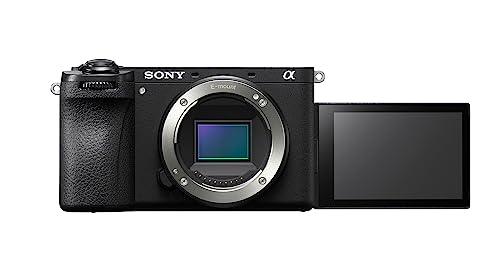
Speed-Focused APS-C Pick – Sony a6700 for Fast Action
If you want a mirrorless camera for motorsports photography that can keep up with fast-moving cars and changing light, the Sony a6700 is built around speed and tracking. Its 26MP APS-C sensor, BIONZ XR processor, and dedicated AI processor support accurate subject recognition, while the 1/8000-second top shutter speed and 11 fps continuous shooting help you catch decisive moments on track. It also adds strong video features if you want to mix stills with motorsport clips.
Best For: Photographers who want advanced autofocus, fast burst shooting, and strong hybrid photo/video performance in a compact body.
Pros:
- Dedicated AI Processor and 759 autofocus points for accurate subject tracking.
- 1/8000-second maximum shutter speed and 11 fps continuous shooting.
- 4K/60p and 4K/120p recording for fast-action video capture.
- APS-C body keeps the camera compact at 14.5 ounces.
Cons:
- Body-only design means you still need to choose a lens for track-side reach.
- 11 fps continuous shooting is solid, but not the fastest in this group.
Overall, the a6700 is a strong all-around choice when autofocus precision and portability matter as much as image quality. For motorsports shooters who want a modern APS-C system with serious tracking tools, it is one of the most balanced options here.
Ready-to-Shoot Bundle – Nikon Z50 II with Dual Lenses
The Nikon Z50 II is a practical mirrorless camera for motorsports photography if you want a compact setup that arrives with useful zoom range right away. The 20.9MP APS-C sensor, 4K UHD/60p video, and subject detection for vehicles help it handle moving action, while the included 16-50mm and 50-250mm lenses give you a flexible starting point for everything from paddock coverage to longer sideline shots.
Best For: Buyers who want an easy-to-start bundle with two lenses and vehicle subject tracking.
Pros:
- Includes two NIKKOR Z DX lenses for wide-to-telephoto coverage.
- Vehicle detection and nine-subject tracking support fast action.
- 4K UHD/60p plus Full HD 120p slow motion for video work.
- Built-in flash and wireless sharing add everyday convenience.
Cons:
- 5 fps continuous shooting is modest for serious motorsport bursts.
- APS-C sensor is capable, but smaller than full-frame alternatives.
This bundle makes sense if you want an approachable, compact Nikon setup without needing to buy lenses separately. It is less about pure burst speed and more about convenience, coverage, and straightforward autofocus support for action shooting.
Full-Frame Action Choice – Sony a7 IV for Track Detail
If you want a mirrorless camera for motorsports photography with full-frame image quality, the Sony a7 IV brings a 33MP sensor, 759-point hybrid AF, and 1/8000-second shutter speed to the table. Its 10 fps continuous shooting is a useful fit for race-day bursts, and the 5-axis SteadyShot stabilization can help when you are shooting handheld around the circuit or in the pits. It also records up to 4K 60p video for hybrid coverage.
Best For: Photographers who want full-frame detail and strong autofocus in a professional body.
Pros:
- 33MP full-frame sensor for detailed stills.
- 759-point Fast Hybrid AF with Real-time Eye AF.
- Up to 10 fps continuous shooting and 1/8000-second shutter speed.
- 5-axis image stabilization helps with handheld shooting.
Cons:
- Body-only purchase means lens choice is entirely up to you.
- 10 fps burst rate is good, but not as aggressive as some action-focused rivals.
The a7 IV is the most premium stills option in this group if your priority is image quality and dependable autofocus. For motorsports photographers who want room to crop and a full-frame workflow, it is a compelling step up.
Telephoto Starter Kit – Canon EOS R10 Sports Bundle
The Canon EOS R10 is a practical mirrorless camera for motorsports photography if you want fast autofocus and a lens package that reaches beyond the grandstand. Its 24.2MP APS-C sensor, Dual Pixel CMOS AF II, and 23 fps continuous shooting are well suited to action, while the included RF 75-300mm lens gives you useful telephoto reach for distant cars on track. It also records oversampled 4K UHD up to 60p, making it a solid hybrid choice.
Best For: Beginners and hobbyists who want a fast APS-C body with telephoto lens coverage included.
Pros:
- 23 fps continuous shooting is strong for racing action.
- Dual Pixel CMOS AF II tracks people, animals, and vehicles.
- Includes an RF 75-300mm lens for distant motorsport subjects.
- Oversampled 4K UHD up to 60p adds video flexibility.
Cons:
- Novice-oriented body may not suit users who want a more advanced control layout.
- Bundle adds value, but also adds weight compared with a body-only setup.
For motorsport shooters who want a ready-made Canon kit with reach already built in, the R10 bundle is easy to justify. Its combination of burst speed, vehicle tracking, and telephoto coverage makes it especially appealing for trackside newcomers.
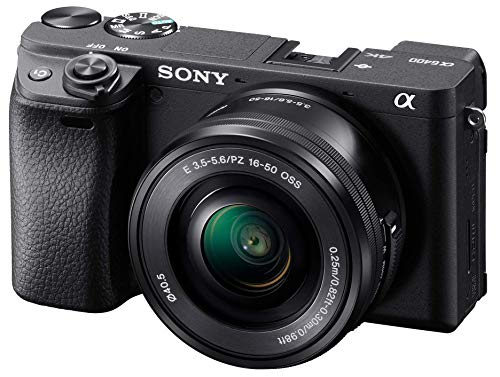
Fast AF APS-C Pick – Sony a6400 with 16-50mm Lens
If you want a mirrorless camera for motorsports photography that can keep up with fast action, the Sony a6400 is a strong compact choice. Its wide AF coverage, fast burst shooting, and Real-Time Eye AF make it useful when you need to follow moving subjects and react quickly at the track.
Best For: Enthusiasts who want a lightweight APS-C body with quick autofocus and solid burst performance for motorsports and general action shooting.
Pros:
- 425 phase-detection and 425 contrast-detection points cover a large part of the frame.
- Up to 11 fps continuous shooting helps capture fast passing moments.
- Real-Time Eye AF adds dependable subject tracking for action and portraits.
- 4K video and a tilting touchscreen add versatility for mixed photo/video use.
Cons:
- The included 16-50mm kit lens is versatile, but not especially bright for low-light track work.
- Maximum shutter speed is listed at 1/4000 seconds in the supplied details.
Overall, the a6400 is a practical pick if you want speed, portability, and autofocus tools in a compact body. It is especially appealing for motorsports shooters who value responsiveness over bulk.
Pro Track Tracking Choice – OM SYSTEM OM-3 12-45mm Kit
The OM SYSTEM OM-3 is a compelling mirrorless camera for motorsports photography if you want speed tools built into a compact system. Its stacked 20MP sensor, 1053-point cross quad pixel phase-detection AF, and AI Detection AF for motorsports vehicles are all aimed at helping you stay locked on fast subjects.
Best For: Shooters who want advanced autofocus, high-speed burst capability, and strong stabilization in a portable Micro Four Thirds setup.
Pros:
- 1053-point phase-detection autofocus with AI subject recognition includes motorsports vehicles.
- Up to 120 fps continuous shooting gives you serious speed for action sequences.
- 5-axis IBIS provides up to 6.5 stops of compensation, or up to 7.5 with compatible Sync IS lenses.
- Pro Capture can record up to 70 frames before the shutter is fully pressed.
Cons:
- The included 12-45mm f/4 lens is versatile, but the fixed f/4 aperture may limit light gathering.
- Micro Four Thirds sensor size may not suit buyers who specifically want full-frame depth of field characteristics.
For motorsports, the OM-3 stands out because it combines subject-aware AF, very fast burst options, and stabilization in one body. It is a strong fit for photographers who want advanced capture tools rather than just a basic action camera.
Full-Frame Value Starter – Canon EOS RP with RF24-105mm
The Canon EOS RP is a full-frame mirrorless camera that can work for motorsports photography if you want a compact body and a flexible zoom lens. It offers Dual Pixel CMOS AF with 4779 AF points, but its slower 5 fps continuous shooting makes it better suited to casual action than dedicated high-speed track coverage.
Best For: Buyers who want a lightweight full-frame mirrorless kit with strong general-purpose image quality and occasional action shooting.
Pros:
- Full-frame 26.2MP sensor gives you a larger sensor format in a compact body.
- Dual Pixel CMOS AF with 4779 AF points supports reliable focusing.
- RF24-105mm lens adds a versatile zoom range and up to 5 stops of optical image stabilization.
- Articulating touchscreen and clean HDMI output add flexibility for video and content creation.
Cons:
- Continuous shooting is listed at 5 fps, which is modest for motorsports.
- The lens aperture narrows to f/7.1 at the long end, which can reduce low-light flexibility.
The EOS RP is the least aggressive action option here, but it still offers useful autofocus and a travel-friendly full-frame package. It makes sense if you value portability and versatility more than maximum burst speed.
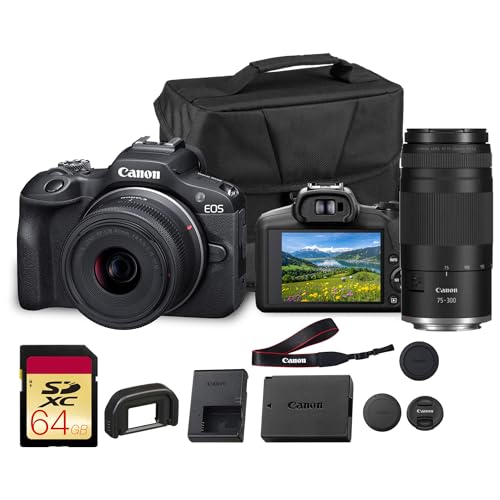
Budget Telephoto Starter Kit – Canon EOS R100 Double Lens Bundle
If you’re looking for a mirrorless camera for motorsports photography and want a simple way to get started, this Canon EOS R100 bundle gives you both a wide-to-standard lens and a 75-300mm telephoto lens. The 24.2MP APS-C sensor, Dual Pixel CMOS AF, and lightweight mirrorless body make it a practical entry point for capturing action from the stands or trackside.
Best For: Beginners who want an affordable mirrorless kit with long zoom reach for sports, wildlife, and travel.
Pros:
- Includes two lenses, including the RF 75-300mm telephoto for distant action
- 24.2MP APS-C sensor delivers detailed stills with strong background blur potential
- Dual Pixel CMOS AF helps maintain focus on moving subjects
- Compact, lightweight design is easier to carry through long race days
Cons:
- Entry-level body is built for novice users rather than advanced shooters
- Included telephoto lens is fairly slow at f/4-5.6
- Continuous-shooting speed is not highlighted as a strong point in the supplied specs
This is a solid value bundle if you want to cover nearby scenes and distant track action without buying lenses separately. For motorsports photography, the 75-300mm zoom is the key advantage, but this kit is still best viewed as a starter setup rather than a fast-action specialist body.
Fast AF Creator Body – Canon EOS R50 RF-S18-45mm Kit
For a mirrorless camera for motorsports photography, the Canon EOS R50 stands out with faster burst shooting and advanced subject tracking than the entry-level options in this group. Its 24.2MP APS-C sensor, DIGIC X processor, and Dual Pixel CMOS AF II with vehicle detection make it a stronger fit for action-heavy shooting at the track.
Best For: Enthusiasts and content creators who want faster autofocus, higher burst rates, and strong all-around action performance.
Pros:
- Up to 12 fps with Electronic First Curtain and up to 15 fps with Electronic Shutter
- Dual Pixel CMOS AF II tracks people, animals, and vehicles across a wide AF area
- 6K oversampled uncropped 4K video at up to 30 fps
- Compact 16-ounce body is easy to carry around events
Cons:
- Kit lens is a modest 18-45mm zoom, so you may want a longer lens for distant racing subjects
- Fixed lens bundle is less flexible than a telephoto-focused setup
- Designed as a creator-friendly model, not a dedicated sports body
If you want a body that can better keep up with fast-moving vehicles, this R50 is the most capable action option in the list. It is especially appealing when you care about autofocus coverage and burst speed more than maximum telephoto reach.
Lightweight Entry Pick – Canon EOS R100 RF-S18-45mm Kit
If you want a mirrorless camera for motorsports photography but need to keep the setup simple and affordable, this Canon EOS R100 kit is the most basic option here. It pairs a 24.1MP APS-C sensor and DIGIC 8 processor with Dual Pixel CMOS AF and vehicle detection, giving beginners a workable foundation for shooting action from a distance.
Best For: New photographers who want a compact, budget-friendly mirrorless body for learning sports and action shooting.
Pros:
- Compact and lightweight body is the smallest and lightest in the EOS R series
- Dual Pixel CMOS AF offers face, eye, animal, and vehicle detection
- Supports up to 4K video at 24 fps and HD slow-motion options
- Affordable entry point for interchangeable-lens shooting
Cons:
- No image stabilization is listed in the supplied details
- Continuous capture tops out at 6.5 shots per second in One-Shot AF
- Included 18-45mm lens is limited for distant motorsport subjects
This R100 kit is best for learning the basics rather than chasing the fastest action sequences. It can work for motorsports if you are close enough or planning to add a longer lens later, but it is the least specialized of the three.
How We Picked the Best Mirrorless Camera for Motorsports Photography
For a Mirrorless Camera for Motorsports Photography, we prioritized autofocus performance, continuous shooting speed, buffer depth, subject tracking, and usable high-ISO image quality. We also weighed portability, battery life, lens ecosystem strength, and whether each body offers practical video features for mixed photo and clip use.
Quick Comparison
APS-C bodies usually offer the best value for motorsports because they deliver extra apparent reach with telephoto lenses and tend to be lighter for all-day shooting. Full-frame options bring stronger low-light performance and broader lens flexibility, but they are often more expensive once you add fast telephoto glass. Kit bundles can be useful for beginners, but serious action shooters should plan to invest in a longer lens sooner rather than later.
Key Buying Factors for Mirrorless Camera for Motorsports Photography
Autofocus and Tracking
Look for reliable subject detection, continuous autofocus, and fast reacquisition when cars pass behind barriers, curbs, or other distractions. Eye detection is helpful, but vehicle tracking and sticky AF matter more on track.
Burst Rate and Buffer
A higher burst rate helps you catch peak moments such as apex turns, wheel lift, spray, or braking zones. Just as important is a deep buffer that keeps the camera shooting without slowing down during long sequences.
Sensor Format and Lens Reach
APS-C sensors are especially attractive for motorsports because a 300mm lens frames more tightly than it would on full frame. Full-frame bodies can still be excellent if you already own fast telephoto lenses or often shoot in poor light.
Stabilization, Handling, and Weather Resistance
In-body stabilization can help for panning and handheld work, though it does not replace good technique. A comfortable grip, responsive controls, and durable build quality are important when you are shooting from fences, grandstands, or exposed circuits.
Who Should Buy Which Mirrorless Camera for Motorsports Photography?
Beginners should lean toward affordable APS-C kits with simple controls and strong autofocus, especially if they want a straightforward way to start shooting races. Enthusiasts who want faster performance and more serious track results should prioritize higher-end APS-C bodies or a full-frame camera paired with a quality telephoto lens. If you also shoot travel, content, or video, choose a body that delivers strong 4K, reliable continuous AF, and useful handling outside motorsports too.
In short, the best choice depends on how close you shoot, how much light you have, and how quickly you plan to expand your lens collection.