
Choosing the right dynamic microphone for broadcast podcasting can make a bigger difference than almost any other upgrade. The best models focus your voice, reduce room noise, and deliver a polished on-air sound.
Below, we’ve narrowed the field to 10 standout options for different budgets, setups, and feature needs so you can quickly find the mic that fits your studio.
Best 10 Dynamic Microphone for Broadcast Podcasting Picks for 2026
Broadcast Standard
Shure SM7B Dynamic Vocal Microphone for Podcasting & Streaming
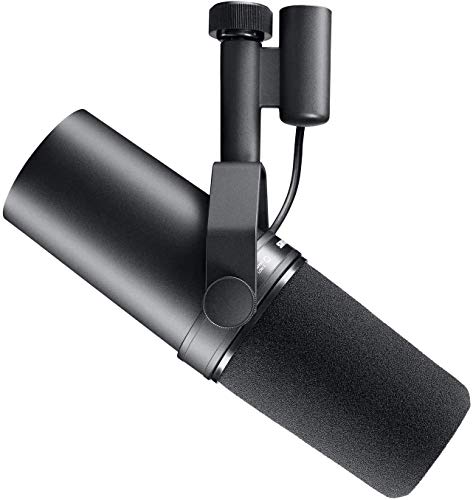
- Warm, balanced vocal tone
- Cardioid pickup reduces room noise
- Built-in pop filtering and windscreen
Best For: Creators who want a broadcast-ready XLR mic for spoken-word recording
Podcast Workhorse
RØDE PodMic Cardioid Dynamic Broadcast Microphone

- Speech-tuned broadcast dynamic capsule
- Internal pop filter and shock mounting
- All-metal build for long-term use
Best For: Podcast and streaming setups that need a rugged XLR mic
Voice Isolation Pick
Shure MV7X XLR Dynamic Podcast & Recording Microphone

- Dynamic cardioid voice isolation
- Integrated shock mount reduces vibration
- All-metal XLR broadcast-style design
Best For: Creators who want focused vocal clarity in an XLR-only mic
Speech-Optimized Pick
Elgato Wave DX Dynamic XLR Microphone

- Speech-optimized dynamic capsule
- Room noise rejection for untreated spaces
- Swivel mount with thread adapters included
Best For: Creators who want a flexible XLR mic for clear spoken audio
Hypercardioid Isolation Pick
Audio-Technica AT2040 Podcast Mic
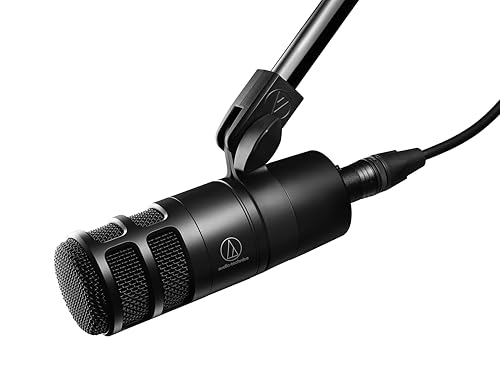
- Hypercardioid pattern reduces side and rear pickup.
- Integrated shock mount helps cut stand and boom noise.
- Multistage foam windscreen adds pop protection.
Best For: Podcasters who want focused vocal pickup and XLR simplicity.
All-In-One USB/XLR Choice

- XLR and USB-C in one mic for flexible setups.
- APHEX DSP adds compression and presence over USB.
- Headphone jack enables zero-latency monitoring.
Best For: Creators who want one mic for interface and laptop use.
Classic Broadcast Workhorse
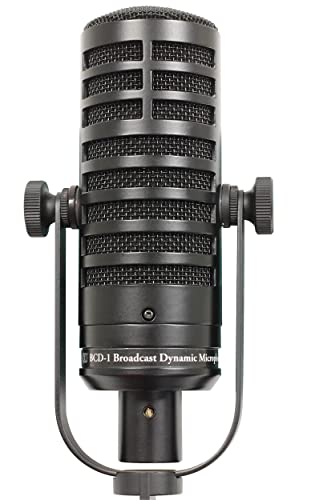
- High output with low-noise dynamic design.
- Internal shock mount and pop filter reduce plosives.
- Excellent side rejection improves isolation.
Best For: Podcasters who want a simple, traditional broadcast mic.
White Studio Broadcast Pick

- Cardioid dynamic mic for podcasting and broadcasting
- Built-in pop filter and internal shock mount
- All-metal XLR design with dual-thread yoke mount
Best For: Podcasters who want a rugged XLR mic with a clean white finish
Versatile USB/XLR Starter

- USB/XLR dynamic mic for podcasting and voice work
- Includes stand, shock mount, pop filter, and cables
- Zero-latency monitoring with headphone jack
Best For: Beginners who want an easy starter mic with upgrade flexibility
RGB Dual-Mode Creator Pick

- USB/XLR dynamic mic with cardioid vocal focus
- MAONO Link software adds EQ, limiter, and RGB control
- Includes boom arm, shock mount, and mute/gain controls
Best For: Streamers and podcasters who want an all-in-one desk kit with software tuning
Broadcast Standard – Shure SM7B Dynamic Vocal Microphone for Podcasting & Streaming
If you want a proven dynamic microphone for broadcast podcasting, the Shure SM7B is built for warm, balanced vocal capture with strong room rejection. Its cardioid pattern, air suspension shock isolation, and built-in pop filtering help keep your voice clean and focused in less-than-perfect spaces.
Best For: Podcasters, streamers, voiceover artists, and broadcasters who want a classic XLR mic with polished vocal tone.
Pros:
- Warm, clear vocal response with a wide-range frequency design
- Cardioid pickup and shock isolation help reduce background noise and vibration
- Built-in pop filtering and detachable windscreen cut plosives and breath noise
- Rugged all-metal body with electromagnetic shielding for reliable use
Cons:
- XLR-only, so you need an audio interface or mixer
- At least 60 dB of gain is recommended to get the intended tone
The SM7B is a strong choice if you want broadcast-style sound and are already set up for XLR recording. It focuses on vocal polish and noise control rather than convenience, which is exactly why so many creators rely on it.
Podcast Workhorse – RØDE PodMic Cardioid Dynamic Broadcast Microphone
The RØDE PodMic is a straightforward dynamic microphone for broadcast podcasting that is tuned for speech and designed to handle untreated rooms well. With an internal pop filter and shock mounting, it aims to deliver clean voice capture without requiring extra accessories.
Best For: Podcasters and streamers who want an affordable XLR broadcast mic with simple setup and sturdy build.
Pros:
- Broadcast-quality dynamic capsule tuned for speech
- Internal pop filter and shock mounting reduce plosives and desk thumps
- All-metal build designed for long-term on-air use
- Works with XLR interfaces, mixers, and RØDECaster systems
Cons:
- Requires an audio interface or mixer with XLR input
- Not a USB microphone
The PodMic is appealing if you want a no-frills broadcast mic that prioritizes speech clarity and durability. It is especially practical for podcast setups where noise control and a clean front-facing vocal sound matter most.
Voice Isolation Pick – Shure MV7X XLR Dynamic Podcast & Recording Microphone
The Shure MV7X is a practical dynamic microphone for broadcast podcasting if you want focused voice capture with XLR flexibility. Its cardioid design and integrated shock mount help reduce room noise and unwanted vibration, making it a solid fit for creator and studio setups.
Best For: Podcasters, streamers, and vocal creators who want a clean XLR microphone with strong voice isolation.
Pros:
- Dynamic cardioid design helps isolate the voice from room noise
- Integrated shock mount reduces vibration and handling noise
- Broadcast-inspired design suits spoken word and vocal recording
- All-metal construction with adjustable yoke mount and stand adapter
Cons:
- XLR-only, so it needs an audio interface or mixer
- Does not include the USB convenience of the MV7 line
The MV7X is a strong middle ground if you want Shure’s broadcast-style vocal focus without moving to a more complex setup. It keeps the emphasis on clean spoken audio and durable construction for regular content creation.
Speech-Optimized Pick – Elgato Wave DX Dynamic XLR Microphone
The Elgato Wave DX is a dynamic microphone for broadcast podcasting built around a speech-optimized capsule and room-noise rejection. It offers a warm, true-to-life sound character and works with any XLR preamp or audio interface without needing a signal booster.
Best For: Podcasters, streamers, and gamers who want a versatile XLR microphone with an easy-to-place mount.
Pros:
- Premium dynamic capsule is tuned for speech clarity
- Room noise rejection helps in untreated recording spaces
- Works with any XLR preamp or interface, no booster required
- Swivel mount and thread adapters make positioning easier
Cons:
- XLR-only, so it requires an interface or preamp
- Not as feature-heavy as some all-in-one creator mics
The Wave DX is a smart pick if you want broadcast-ready vocal performance with simple hardware compatibility. Its included mount and speech-focused design make it especially useful for creators who need flexibility without sacrificing noise control.
Hypercardioid Isolation Pick – Audio-Technica AT2040 Podcast Mic
If you want a dynamic microphone for broadcast podcasting with a strong focus on vocal isolation, the Audio-Technica AT2040 is built for that job. Its hypercardioid pickup pattern, integrated shock mount, and multistage foam windscreen work together to keep your voice prominent while reducing stand noise, plosives, and off-axis distractions.
Best For: Podcasters and streamers who want a clean, isolated vocal sound with simple XLR setup.
Pros:
- Hypercardioid pattern helps reject sound from the sides and rear.
- Integrated shock mount reduces vibration and handling noise.
- Multistage foam mesh windscreen adds internal pop filtering.
- Large diaphragm design aims for smooth, natural sound with low noise.
Cons:
- XLR-only connection means you need an interface or mixer.
- Not the most flexible option if you want direct USB recording.
This is a practical choice if your priority is clean speech capture and less room pickup. The included mount adapter and protective pouch add convenience, but the real value is the mic’s focused broadcast-style voice pickup.
All-In-One USB/XLR Choice – RØDE PodMic USB Broadcast Mic
The RØDE PodMic USB is a versatile dynamic microphone for broadcast podcasting if you want one mic that can work with an interface today and a laptop tomorrow. It combines XLR and USB-C connections, onboard APHEX DSP for processed sound over USB, and zero-latency monitoring for more controlled speech recording.
Best For: Creators who want flexible XLR and USB-C connectivity with broadcast-style speech tuning.
Pros:
- XLR and USB-C outputs make it easy to use with multiple setups.
- On-board APHEX DSP adds compression and presence over USB.
- Headphone jack supports zero-latency monitoring.
- Broadcast dynamic capsule is made for speech and helps reject room echo and keyboard noise.
Cons:
- USB processing is tied to the companion app for adjustment.
- At 1.9 pounds, it is not the lightest desktop microphone option.
If you want a single mic that can cover both plug-and-play recording and more traditional XLR workflows, this model is especially appealing. It is geared toward spoken-word content, with features that help keep podcast voices clear and easy to monitor.
Classic Broadcast Workhorse – MXL BCD-1 Broadcast Mic
The MXL BCD-1 is a straightforward dynamic microphone for broadcast podcasting that focuses on strong output, low noise, and better isolation. Its internal shock mount, pop filter, tuned grill, and side rejection are all aimed at reducing plosives, reflections, and unwanted room pickup during speech recording.
Best For: Podcasters looking for a traditional broadcast mic with simple, noise-conscious construction.
Pros:
- High output and low noise suit spoken-word recording.
- Internal shock mount and pop filter help reduce plosives and handling noise.
- Tuned grill is designed to eliminate internal reflections.
- Excellent side rejection improves vocal isolation.
Cons:
- Feature set is more basic than newer USB/XLR hybrid options.
- No included digital processing or monitoring features.
This is a good pick if you want a no-frills broadcast microphone that prioritizes clean voice capture over extra convenience features. It stays focused on the core needs of podcasting: isolation, low noise, and controlled plosive handling.
White Studio Broadcast Pick – RØDE PodMic White
If you want a dynamic microphone for broadcast podcasting with a polished look, the RØDE PodMic White is built around voice-first recording. Its cardioid pickup, internal shock mount, and built-in pop filter are aimed at clean speech capture while keeping handling noise and plosives under control. The all-metal build and XLR connection make it a straightforward choice for a more serious podcast or streaming setup.
Best For: Podcasters and streamers who want a durable XLR mic with integrated noise control and a clean white finish.
Pros:
- Cardioid dynamic design focuses on vocals for podcasting and broadcasting.
- Built-in pop filter and internal shock mount help reduce plosives and vibration.
- Solid all-metal construction supports long-term use.
- Integrated yoke mount works with 3/8″ and 5/8″ stands or boom arms.
Cons:
- XLR-only connection requires an audio interface or mixer.
- Best suited to voice work rather than flexible plug-and-play use.
Overall, this is a focused broadcast mic for creators who value dependable vocal capture and a simple, rugged design. If your setup already includes XLR gear, it fits neatly into a podcasting workflow.
Versatile USB/XLR Starter – MAONO HD300T
The MAONO HD300T is a practical dynamic microphone for broadcast podcasting if you want one mic that can move between simple USB recording and a more traditional XLR setup. Its cardioid pattern and noise-reduction design are meant to keep speech clear in less-than-perfect rooms, while the included stand, shock mount, and pop filter make it ready for quick setup.
Best For: Beginners and flexible creators who want USB convenience now and XLR compatibility later.
Pros:
- USB and XLR outputs add setup flexibility for many recording scenarios.
- Cardioid dynamic capsule helps reduce background noise and room reverb.
- Zero-latency monitoring with headphone jack supports real-time checking in USB mode.
- Includes stand, shock mount, pop filter, and both USB and XLR cables.
Cons:
- Monitoring volume control only works in USB mode.
- Super-cardioid pickup may require careful positioning for best results.
For creators building a podcast setup on a budget, this mic covers a lot of ground without extra accessory hunting. It is especially useful if you want a simple plug-and-play route before stepping into interface-based recording.
RGB Dual-Mode Creator Pick – MAONO PD200XS Kit
The MAONO PD200XS is a dynamic microphone for broadcast podcasting that blends practical recording features with creator-focused extras. It offers USB and XLR connectivity, cardioid vocal focus, and software control in USB mode for EQ, limiter, compressor, and RGB adjustments. The included boom arm and shock mount make it a strong all-in-one option for desk-based podcasting or streaming.
Best For: Streamers and podcasters who want USB/XLR flexibility plus software control and a boom arm kit.
Pros:
- USB/XLR dual interfaces support both simple and pro-style setups.
- MAONO Link software adds EQ, limiter, compressor, and RGB control in USB mode.
- 2-in-1 smart knob and one-click mute make on-mic control easy.
- Includes a sturdy adjustable boom arm and shock mount for desktop use.
Cons:
- Software features are only available in USB mode.
- XLR cable is not included in the box.
This kit is a good fit if you want a podcast mic that is ready for a desk setup and can still grow into an interface-based workflow later. The feature set is broad, but it stays centered on vocal recording and live use.
How We Picked the Best Dynamic Microphone for Broadcast Podcasting
We focused on microphones that suit spoken-word production first: solid off-axis noise rejection, consistent vocal tone, dependable build quality, and practical connectivity. We also considered whether each model works better with an audio interface, mixer, or direct USB setup, since that choice matters a lot for a Dynamic Microphone for Broadcast Podcasting.
Quick Comparison
Broadly speaking, XLR-only models are best if you already use an interface or plan to build a more flexible studio. USB/XLR hybrids are easier for beginners and creators who want one mic that can grow with them. Broadcast-style dynamics often favor tighter pickup patterns and close-mic use, while some options are tuned for a slightly smoother, more forgiving voice sound.
Key Buying Factors for a Dynamic Microphone for Broadcast Podcasting
Pickup Pattern and Room Rejection
Cardioid and hypercardioid patterns help isolate your voice and reduce keyboard noise, HVAC hum, and room reflections. If your recording space is not heavily treated, this is a major priority.
Gain Needs and Output Level
Some broadcast dynamics need a strong preamp or inline booster to sound their best. Check how much clean gain your interface can provide before you buy.
Connectivity
XLR is ideal for serious podcast chains, while USB-C and hybrid USB/XLR options offer convenience for solo creators, streamers, and mobile setups.
Voice Character
Some mics emphasize a warm, dense broadcast tone; others sound brighter and more articulate. Match the mic to your voice so you do not have to over-EQ later.
Mounting and Accessories
Look at whether you need a shock mount, pop filter, desk stand, or boom arm. Heavy broadcast mics can also benefit from sturdy support to keep handling noise down.
Who Should Buy Which Dynamic Microphone for Broadcast Podcasting?
If you want the most proven studio standard, look at flagship broadcast options. If you want simpler setup and flexibility, choose a USB/XLR hybrid. If you are shopping on a tighter budget, prioritize strong vocal isolation and a clean XLR path over extra features like RGB lighting or software controls.
For most buyers, the best choice is the microphone that fits your recording space and workflow first, then your budget second. That approach will matter more than chasing the most feature-packed model.