
Choosing the right display can make a bigger difference in photo editing than almost any other upgrade. The best panels help you judge color, contrast, and detail with confidence, so your edits look right on screen and in print.
This roundup of the best computer monitors for photo editing in 2026 focuses on accuracy, resolution, panel quality, and creator-friendly features like USB-C, calibration support, and wide-gamut coverage.
Best 10 Computer Monitors for Photo Editing Picks for 2026
Pro-Grade Color Accuracy
ASUS ProArt PA279CRV 27" 4K USB-C Monitor

- 99% DCI-P3 and 99% Adobe RGB coverage
- Factory calibrated to Delta E < 2
- USB-C with 96W power delivery
Best For: Color-critical photo editors who want wide-gamut accuracy and USB-C convenience
Large-Screen Workspace
LG 32U700B-B 32" 4K Ultrafine Monitor

- 32-inch 4K UHD display for extra workspace
- Up to 99% sRGB with HDR10 support
- Height, tilt, Reader Mode, and Flicker Safe
Best For: Editors who want a bigger 4K canvas for multitasking and creative work
Reliable Editing Accuracy
ASUS ProArt 27" WQHD Photo Editing Monitor

- WQHD IPS panel with wide viewing angles
- 100% sRGB and Rec.709, Delta E < 2
- Flicker-free and low blue light comfort
Best For: Photo and video creators who want accurate color in a practical QHD setup
HDR Creator Value
LG 27UN850-W 27" 4K USB-C IPS Monitor

- 4K IPS display with 178-degree viewing angles
- 99% sRGB coverage for accurate color work
- USB-C plus height, pivot, and tilt adjustments
Best For: Creators who want a well-rounded 4K monitor with USB-C and solid sRGB accuracy
ProArt Value Pick
ASUS ProArt PA248QV 24 Inch WUXGA 16:10 Professional Monitor
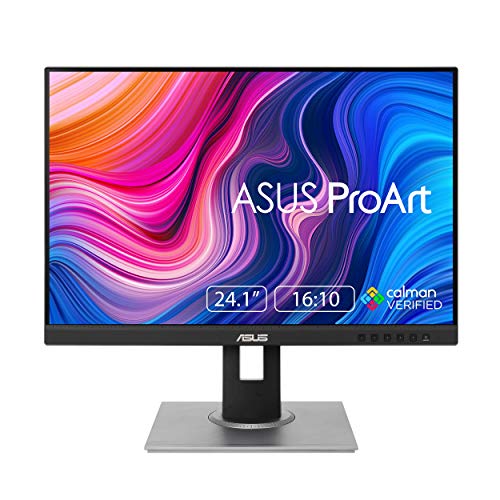
- 100% sRGB/Rec.709 with DeltaE < 2 accuracy
- 16:10 WUXGA panel adds vertical editing space
- Tilt, pivot, swivel, and height-adjustable stand
Best For: Photo editors who want accurate color and ergonomic flexibility
4K Wide-Color Choice
LG 27US500-W Ultrafine Monitor 27-Inch 4K UHD
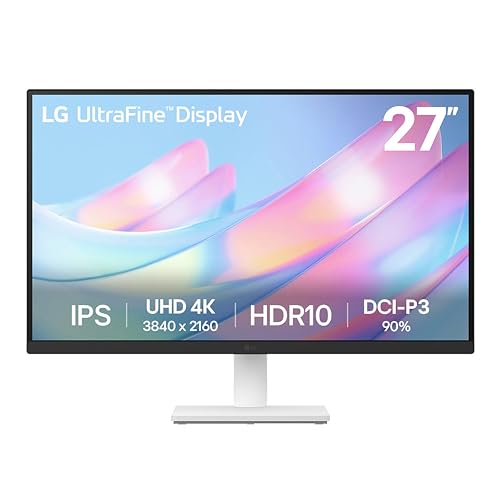
- 27-inch 4K UHD panel shows fine image detail
- Up to 90% DCI-P3 with HDR10 support
- IPS display with wide viewing angles and Onscreen Control
Best For: Editors who want 4K detail and wide-color support
ProArt QHD Sweet Spot
ASUS ProArt PA278QV 27 Inch 1440p QHD Professional Monitor

- Calman Verified with Delta E < 2 accuracy
- 27-inch WQHD panel balances detail and workspace
- 100% sRGB/Rec.709 plus fully adjustable stand
Best For: Creators who want accurate color and a roomy QHD workspace
Creator's Pick
CUNPU 27 Inch 4K 70Hz UHD IPS Monitor

- 4K UHD IPS panel with 100% DCI-P3 color
- 1.07 billion colors for detailed editing work
- PBP/PiP modes help compare sources and multitask
Best For: Photo editors who want wide color and split-screen workflow
Balanced Premium
Dell 27 S2725QS 4K IPS with ComfortView Plus

- 4K IPS panel with 99% sRGB color
- ComfortView Plus helps reduce blue light
- 120Hz and adjustable stand suit long editing sessions
Best For: Editors who want 4K clarity and comfort-focused features
Color-Accurate Pro
ASUS ProArt PA247CV 24" USB-C Monitor

- Factory calibrated with Calman Verified Delta E < 2
- 100% sRGB and 100% Rec.709 for reliable color work
- USB-C 65W plus hub and daisy-chain support
Best For: Photo editors who value calibration and USB-C connectivity
Pro-Grade Color Accuracy – ASUS ProArt PA279CRV 27" 4K USB-C Monitor
If you want computer monitors for photo editing that prioritize color fidelity, the ASUS ProArt PA279CRV is built around a 27-inch 4K IPS panel with broad gamut coverage and factory calibration. It gives editors sharp detail, wide viewing angles, and a USB-C setup that fits modern creative desks well.
Best For: Photographers and editors who want factory-calibrated color accuracy and wide-gamut coverage in a compact 4K screen.
Pros:
- 99% DCI-P3 and 99% Adobe RGB coverage for wide-color workflows.
- Factory pre-calibrated with Delta E < 2 and Calman Verified accuracy.
- USB-C with 96W power delivery plus DisplayPort, HDMI, and USB hub.
- Adjustable stand and daisy-chain support for flexible studio setups.
Cons:
- 27-inch size may feel small if you prefer more canvas for timelines and palettes.
- The supplied notes do not list a higher refresh rate for motion-focused work.
This is a strong pick if your priority is dependable color and a clean, modern connection setup. The 4K resolution, calibration, and Adobe RGB support make it especially appealing for serious photo work.
Large-Screen Workspace – LG 32U700B-B 32" 4K Ultrafine Monitor
Among computer monitors for photo editing, a 32-inch 4K display can make multitasking easier by giving you more room for panels, previews, and full-size images. The LG 32U700B-B combines that larger canvas with a VA panel, HDR support, and a simple borderless design aimed at creative and desktop use.
Best For: Editors who want a larger 4K workspace for photo review, multitasking, and general creative work.
Pros:
- 32-inch 4K UHD screen offers lots of space for editing and multitasking.
- Up to 99% sRGB color gamut and HDR10 support for richer visuals.
- Height and tilt adjustment help you set a comfortable viewing position.
- Reader Mode, Flicker Safe, and LG Switch add comfort and workflow control.
Cons:
- 60Hz refresh rate is basic if you also want a fast-feeling general-purpose display.
- The notes list a VA panel, which may not suit users who prefer IPS viewing characteristics.
This monitor is appealing if your editing workflow benefits from more physical screen space. It is less about elite studio calibration and more about a roomy, practical 4K setup with useful comfort features.
Reliable Editing Accuracy – ASUS ProArt 27" WQHD Photo Editing Monitor
If you are shopping for computer monitors for photo editing and want a practical balance of accuracy and workspace, this ASUS ProArt 27-inch WQHD model is a smart middle ground. It pairs a sharp IPS panel with factory calibration, wide viewing angles, and the inputs many creative desks still rely on.
Best For: Creators who want accurate sRGB/Rec.709 color in a comfortable 27-inch QHD monitor.
Pros:
- WQHD resolution provides a crisp image and useful extra workspace.
- 100% sRGB and Rec.709 coverage with Delta E < 2 accuracy.
- Flicker-free and low blue light features support long editing sessions.
- Includes DisplayPort, HDMI, DVI, and a USB hub for flexible hookups.
Cons:
- WQHD is less detailed than 4K if you want the sharpest possible preview.
- The color target is focused on sRGB/Rec.709 rather than wider professional gamuts.
This model makes sense for creators who value dependable calibration without moving up to a pricier 4K workflow. It should fit well in design and photo setups where comfort and consistency matter more than maximum resolution.
HDR Creator Value – LG 27UN850-W 27" 4K USB-C IPS Monitor
The LG 27UN850-W is a versatile choice if you want computer monitors for photo editing with 4K detail, USB-C convenience, and solid sRGB coverage. Its IPS panel, HDR400 support, and height-adjustable stand make it a flexible option for creative work and everyday use.
Best For: Photographers and creators who want a 4K IPS monitor with USB-C and reliable sRGB color.
Pros:
- 4K IPS panel delivers sharp detail and wide 178-degree viewing angles.
- 99% sRGB coverage suits photo, graphic, and general creative work.
- USB-C, DisplayPort, and HDMI provide broad connectivity options.
- DisplayHDR 400, height adjustment, pivot, and tilt add flexibility.
Cons:
- Color coverage is centered on sRGB rather than wider Adobe RGB or DCI-P3 workflows.
- 60Hz refresh rate is standard, not tuned for high-speed motion use.
This is a balanced monitor for creators who want sharp 4K output without overspending on specialized pro features. It is especially attractive if USB-C and ergonomic adjustments are high on your checklist.
ProArt Value Pick – ASUS ProArt PA248QV 24 Inch WUXGA 16:10 Professional Monitor
If you want computer monitors for photo editing that prioritize color accuracy over flashy extras, the ASUS ProArt PA248QV is an easy-to-recommend starting point. Its 100% sRGB/Rec.709 coverage, DeltaE < 2 rating, and Calman Verified status are all aimed at reliable color work, while the 1920 x 1200 WUXGA panel gives you a little extra vertical space for editing tools.
Best For: Photo editors who want accurate color, a 16:10 workspace, and a well-rounded pro display without overcomplicating the setup.
Pros:
- 100% sRGB/Rec.709 coverage with DeltaE < 2 for color-critical work
- WUXGA 1920 x 1200 resolution and 16:10 aspect ratio for more vertical room
- IPS panel with anti-glare coating and 178-degree viewing angles
- Highly adjustable stand with tilt, pivot, swivel, and height control
Cons:
- 24.1-inch size may feel compact if you want a larger canvas
- 75Hz refresh rate is more modest than general-purpose monitors
- Single HDMI port may limit simple multi-device setups
This is a practical, work-focused monitor that emphasizes dependable color reproduction and ergonomic comfort. For photographers who value accuracy and a taller workspace more than sheer size, it checks the right boxes.
4K Wide-Color Choice – LG 27US500-W Ultrafine Monitor 27-Inch 4K UHD
Among computer monitors for photo editing, the LG 27US500-W stands out for its 27-inch 4K UHD panel and up to 90% DCI-P3 color gamut support. That combination gives you plenty of detail for inspecting images closely, while the IPS display and wide viewing angles help keep the image consistent as you work.
Best For: Editors who want 4K detail, wide-color support, and a simple 27-inch IPS workspace.
Pros:
- 4K UHD resolution for sharp image detail and editing precision
- Up to 90% DCI-P3 color gamut with HDR10 support
- IPS panel with wide viewing angles for consistent image viewing
- Onscreen Control and an ergonomic stand for easier day-to-day use
Cons:
- 60Hz refresh rate is basic for a modern display
- Stand adjustments are limited compared with fully ergonomic pro monitors
- 1-year limited warranty is shorter than some pro-focused alternatives
This monitor makes sense if you want a larger 4K workspace with a stronger color range than standard office panels. It is a straightforward pick for creative work where detail and vibrant color matter, without needing a studio-grade feature set.
ProArt QHD Sweet Spot – ASUS ProArt PA278QV 27 Inch 1440p QHD Professional Monitor
If you need computer monitors for photo editing with more desktop space and a sharper working area, the ASUS ProArt PA278QV is built for that role. Its 27-inch WQHD 2560 x 1440 panel, Calman Verified tuning, and Delta E < 2 accuracy are designed to keep color work dependable, while the 100% sRGB and 100% Rec.709 coverage supports standard creative workflows.
Best For: Photo and content creators who want accurate color, a roomy 27-inch screen, and QHD detail for editing.
Pros:
- Calman Verified with Delta E < 2 accuracy for reliable color work
- 100% sRGB and 100% Rec.709 coverage for creative standards
- 27-inch WQHD 2560 x 1440 resolution balances detail and workspace
- Fully adjustable stand plus anti-glare, flicker-free Eye Care features
Cons:
- QHD is less detailed than a 4K monitor for pixel-level inspection
- No HDR specification in the supplied details
- Design is focused on work, not entertainment extras
This model is one of the most balanced choices in the ProArt line for everyday editing. It offers strong color confidence, a practical 27-inch size, and a resolution that is easier to drive than 4K while still feeling sharp.
Creator's Pick – CUNPU 27 Inch 4K 70Hz UHD IPS Monitor
If you want computer monitors for photo editing with a strong mix of resolution and color range, this 27-inch CUNPU is built to make detail work easier. Its 4K UHD panel, 100% DCI-P3 coverage, and 1.07 billion colors give you a crisp canvas for checking fine texture, tonal shifts, and color-rich images.
Best For: Photo and video editors who want 4K detail, wide color, and split-screen multitasking.
Pros:
- 4K UHD resolution on a 27-inch IPS panel for sharp image detail
- 100% DCI-P3 and 1.07 billion colors for a broad, vibrant color range
- PBP and PiP support for side-by-side comparison and multitasking
- Ultra-thin 3-sided bezel and 178° viewing angles for flexible viewing
Cons:
- 70Hz refresh rate is only modestly above standard office monitors
- No mention of USB-C or built-in hub connectivity in the supplied specs
- Brightness is listed at 300 nits, which may be limiting in very bright rooms
For editing work that benefits from crisp 4K detail and a wide color gamut, this CUNPU model covers the essentials well. It is especially practical if you want built-in tools for comparing sources or managing multiple windows without adding a second display.
Balanced Premium – Dell 27 S2725QS 4K IPS with ComfortView Plus
The Dell S2725QS is a practical choice if you are comparing computer monitors for photo editing and want strong image quality with everyday comfort features. Its 4K IPS panel, 99% sRGB coverage, and 1500:1 contrast ratio are geared toward clean, vibrant visuals, while the matte finish and ComfortView Plus help support long sessions.
Best For: Editors who want a sharp 4K display with good sRGB coverage and all-day comfort.
Pros:
- 4K UHD IPS display with 99% sRGB for vibrant, accurate-looking color
- ComfortView Plus reduces harmful blue light emissions by up to 35%
- 120Hz refresh rate and FreeSync Premium for smooth motion
- Height, pivot, swivel, and tilt adjustments for flexible setup
Cons:
- Not marketed with wide-gamut coverage like DCI-P3 or Adobe RGB
- Built-in speakers are included, but audio is not the main focus of an editing display
- At 27 inches, it may feel compact for users who prefer larger canvases
This Dell model stands out as a well-rounded monitor for editing workflows that value a sharp 4K picture and comfortable day-to-day use. It may not be the most specialized color-critical option, but it offers a strong mix of clarity, color, and usability.
Color-Accurate Pro – ASUS ProArt PA247CV 24" USB-C Monitor
For a more color-focused option among computer monitors for photo editing, the ASUS ProArt PA247CV emphasizes calibration and professional connectivity. It uses a 24-inch Full HD IPS panel with 100% sRGB and 100% Rec.709 coverage, plus factory calibration and Calman verification for Delta E < 2 accuracy.
Best For: Photo editors who prioritize calibrated color accuracy, USB-C convenience, and a compact pro display.
Pros:
- Factory calibrated and Calman Verified for Delta E < 2 accuracy
- 100% sRGB and 100% Rec.709 wide color gamut
- USB-C with 65W Power Delivery plus DisplayPort, HDMI, and USB hub
- 5-year warranty and daisy-chain support for multi-monitor setups
Cons:
- 1080p resolution is lower than 4K competitors
- 24-inch screen may feel small for detailed timeline or image work
- Full HD panel is less suited to users who want maximum pixel density
This ASUS ProArt model is the most calibration-oriented pick in the group, which makes it especially appealing for users who care about consistency. It trades resolution for a proven pro-grade color setup and a very handy USB-C docking-style connection.
How We Picked the Best Computer Monitors for Photo Editing
We prioritized monitors that suit real editing workflows, not just general office use. That means strong color accuracy, consistent IPS viewing angles, useful resolution for retouching, and features that make long sessions easier, such as ergonomic stands and eye-care modes. Where possible, we favored models with factory calibration, Delta E claims, or professional creator certifications.
Quick Comparison
For most photographers, 27-inch 4K displays offer the best balance of sharpness and usable workspace. If you edit a lot of portraits, landscapes, or high-resolution files, a 4K panel gives you more room for toolbars while keeping images crisp. If you want a lower-cost option, 27-inch QHD and 24-inch 16:10 models can still work well, especially for web-focused editing and lighter color-critical tasks.
Key Buying Factors for Computer Monitors for Photo Editing
Color Accuracy and Calibration
Look for displays that advertise accurate sRGB or Rec. 709 coverage, low Delta E values, and hardware or software calibration support. A monitor that arrives close to spec will save time and reduce color surprises.
Resolution and Screen Size
Higher resolution helps when judging fine detail and working with large image files. In practice, 27-inch 4K is a sweet spot for many users, while 32-inch 4K can be excellent if you want a larger canvas. Smaller 24-inch screens can still be useful when desk space is limited.
Panel Type and Viewing Angles
IPS panels are usually the safest choice for photo work because they maintain consistent color and brightness across the screen. That consistency matters when you compare tones, shadows, and gradients from edge to edge.
Connectivity and Workflow
USB-C is especially valuable if you use a laptop, since it can carry video and simplify cable management. Extra ports, built-in hubs, and adjustable stands can also make daily editing smoother.
Who Should Buy Which Computer Monitors for Photo Editing?
If you want the most versatile setup, choose a 27-inch 4K monitor with USB-C and solid factory tuning. If you are budget-conscious, a good 27-inch QHD or 24-inch creator monitor can still deliver reliable results for online content and general retouching. If you print frequently or work in a more demanding color-managed workflow, spend more on a model with stronger gamut coverage and professional calibration support.
In short, the best Computer Monitors for Photo Editing are the ones that match your space, your workflow, and how color-critical your work really is.