
Compact microphone preamps can be the simplest way to add clean gain, reduce hiss, and improve weak mic signals without replacing your whole recording chain.
Whether you need an inline booster for a dynamic or ribbon mic, or a more versatile preamp for studio and live use, the right choice comes down to gain, noise floor, power needs, and connectivity.
Best 10 Compact Microphone Preamps Picks for 2026
Ultra-Clean Gain Booster
Cloudlifter CL-1 Mic Activator

- Up to +25dB clean gain
- Uses phantom power safely
- Great for podcast and studio use
Best For: Quiet passive mics in podcast, streaming, and studio setups
Low-Noise Dynamic Boost

- +29dB gain for low-output mics
- Metal body with interference shielding
- Plug-and-play inline XLR design
Best For: Dynamic and ribbon mics that need a simple clean gain boost
Ultra-Slim Inline Gain

- +28dB clean gain boost
- Slim all-metal inline design
- Ideal for ribbon and dynamic mics
Best For: Small setups needing transparent gain for low-output mics
Dual-Channel Compact Booster

- Dual-channel +25dB gain boost
- Clean sound with low distortion
- Compact metal housing with XLR I/O
Best For: Two-mic setups that need clean phantom-powered gain boost
Inline Signal Booster
- 28 dB gain for passive mics
- Output buffer helps long cable runs
- Requires 48V phantom power
Best For: Passive dynamic mics that need a clean inline boost
High-Gain Studio Preamp

- Up to +75 dB clean gain
- Balanced XLR and dual 3.5 mm outputs
- 1 MΩ instrument input with 48V phantom power
Best For: Quiet-source recording and low-output dynamics
Metal-Housing Inline Preamp

- 28 dB Class A gain stage
- Gold-plated XLR contacts
- Compatible with 48V phantom power
Best For: Durable inline boosting for dynamic XLR mics
Ultra-Low-Noise Upgrade

- -120dB EIN for low-noise use
- 19–66dB gain range is practical
- Type-C power and 1MΩ instrument input
Best For: Budget recording and portable low-noise gain
Phantom-Powered Booster
- 28dB boost for dynamic/ribbon mics
- -70dB noise rating helps keep it clean
- Compact matte-black inline design
Best For: Dynamic and ribbon mics needing clean inline gain
Balanced Compact Booster

- Fully balanced low-noise circuit
- 20dB transparent gain
- Compact metal case for portable use
Best For: Home studios and creators needing clean compact gain
Ultra-Clean Gain Booster – Cloudlifter CL-1 Mic Activator
If you need compact microphone preamps that add clean gain without changing the character of your mic, the Cloudlifter CL-1 is a straightforward option. It uses 48V phantom power to deliver up to +25dB to passive dynamic or ribbon microphones while keeping phantom power away from the mic itself, which helps improve clarity and reduce noise in simple studio or podcast setups.
Best For: Podcasting, streaming, radio, live sound, and studio recording with quiet passive mics.
Pros:
- Up to +25dB ultra-clean gain for passive microphones
- Uses phantom power without passing it to the mic
- Designed for podcasts, live streaming, broadcasts, and studio use
- Compatible with tube, battery, or power-supply-driven microphones
Cons:
- Only useful with compatible passive mics, not as a general mic preamp
- Requires phantom power from the connected input
- Single-channel design
The CL-1 is a proven choice when the main problem is low output and noisy gain staging rather than microphone quality. It keeps the setup simple while giving weak signals a noticeable lift, making it a practical fit for creators who want cleaner level from dynamic or ribbon mics.
Low-Noise Dynamic Boost – StudioMan DPM1 XLR Preamp
For buyers comparing compact microphone preamps for low-output dynamic mics, the StudioMan DPM1 focuses on simple signal boosting and noise control. It delivers up to +29dB of clean gain for dynamic and ribbon microphones, needs 48V phantom power to run, and is meant to sit inline between the mic and your interface or mixer.
Best For: SM7B-style dynamic mics, ribbon mics, and creators who want a compact gain boost with a metal build.
Pros:
- Up to +29dB clean, transparent gain
- Designed for dynamic and ribbon microphones
- Metal housing helps with durability and interference shielding
- Compact plug-and-play XLR layout
Cons:
- Not for condenser microphones
- Requires 48V phantom power to operate
- Single-purpose design for low-output mics only
The DPM1 makes sense if you want a no-fuss inline gain solution and already know you are working with dynamic or ribbon sources. Its compact metal body and clean boost profile make it a practical add-on for studio or stage setups that need more usable level without extra noise.
Ultra-Slim Inline Gain – sE Electronics DM1 Dynamite
The sE Electronics DM1 Dynamite is built for users who want compact microphone preamps with a clean, transparent gain lift. It adds up to +28dB for dynamic or passive ribbon microphones, using an ultra-slim inline XLR design that aims to preserve natural sound while helping weak signals stand out in podcasting, recording, or live sound.
Best For: Podcasters, live performers, and studio users with dynamic or passive ribbon mics.
Pros:
- Up to +28dB of clean gain
- Works with dynamic and passive ribbon microphones
- Ultra-slim all-metal design for easy inline use
- Gold-plated XLR connectors and noise reduction focus
Cons:
- Not intended for condenser microphones
- Requires phantom power from the connected device
- Single-channel inline unit
The DM1 is a strong pick if you want a slim booster that keeps the setup small and the signal clean. It is especially useful when you need extra headroom for a quiet voice or instrument but do not want the added bulk of a larger preamp solution.
Dual-Channel Compact Booster – StudioMan CL-200 2-CH Preamp
If you want compact microphone preamps that can handle two low-output sources at once, the StudioMan CL-200 adds a practical dual-channel option. It provides up to +25dB of clean gain for dynamic and passive ribbon microphones, runs on 48V phantom power, and is aimed at reducing hiss while keeping the original tone intact.
Best For: Dual-mic studio rigs, podcasting, voice-over work, and live setups using dynamic or ribbon mics.
Pros:
- Dual-channel design boosts two signals simultaneously
- Up to +25dB ultra-clean gain
- Ultra-low noise and distortion figures in the supplied specs
- Compact metal housing with balanced XLR I/O
Cons:
- Not compatible with condenser microphones
- Requires 48V phantom power to operate
- May need short mic-to-booster cable runs for best results
The CL-200 stands out for users who need more than a single inline booster. Its two-channel layout makes it a sensible fit for paired microphones or small production chains where clean gain, simple setup, and compact hardware all matter.
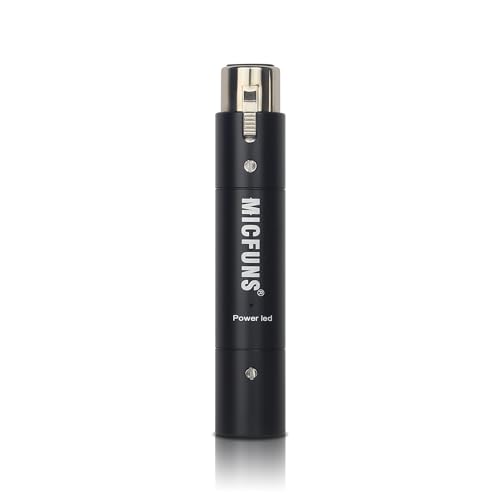
Inline Signal Booster – M1 In-line Mic Preamp +28dB
If you need compact microphone preamps to raise a passive mic’s level without adding bulk, this in-line unit is built for that job. It delivers 28 dB of gain, uses a dedicated output buffer amplifier to help drive long cable runs, and is designed to reduce RF interference, buzz, and hum.
Best For: Passive dynamic microphones that need a clean inline gain boost before the main preamp.
Pros:
- 28 dB of gain helps lift low-output passive microphones.
- Output buffer amplifier supports long cable runs and noise reduction.
- Rugged metal housing helps reject electrical interference.
- Very compact and lightweight at 80g.
Cons:
- Requires 48V phantom power from a preamp, mixer, or interface.
- Not a stand-alone preamp; it depends on external phantom power.
This is a practical pick if you want a small, stage-friendly gain booster for a passive mic. The tradeoff is simple: you get clean inline amplification, but only if your setup can supply phantom power.
High-Gain Studio Preamp – MIC-1 Mic Preamp
Among compact microphone preamps, this model stands out for high clean gain and flexible routing. It offers up to 75 dB of gain, a -120 dB EIN noise spec, balanced XLR output, and dual 3.5 mm outputs for smaller devices, plus a 1 MΩ instrument input for DI-box-connected instruments.
Best For: Low-output dynamic microphones, quiet vocal sources, and users who want multiple output options in one compact unit.
Pros:
- Up to +75 dB gain for low-output mics.
- -120 dB EIN is positioned for low-noise recording.
- Balanced XLR plus 3.5 mm Mic Out and Line Out add flexibility.
- Includes 48V phantom power and a 1 MΩ instrument input.
Cons:
- The two input ports cannot be used at the same time.
- More features may be more than needed for simple one-mic setups.
If you want one compact preamp that can handle weak dynamic mics and still offer flexible output connections, this is the most feature-rich option here. The main limitation is that the input modes are not simultaneous, so it works best when your workflow is straightforward.
Metal-Housing Inline Preamp – Bolanle NK1 28dB
If you’re shopping compact microphone preamps for a simple inline gain lift, the NK1 keeps things focused. It uses a Class A transistor amplification circuit for 28 dB of gain, is compatible with 48V phantom power, and adds an alloy-shielded metal case with gold-plated copper contacts to help maintain stable signal transmission.
Best For: Dynamic microphones and XLR setups that need a durable, low-noise inline booster.
Pros:
- 28 dB gain helps raise low-sensitivity microphones.
- Class A amplification is designed for full-range, lossless audio.
- Metal shielding and gold-plated contacts aim to reduce interference.
- Works with 48V phantom power supplies, mixers, and interfaces.
Cons:
- Like other inline boosters, it depends on phantom power to operate.
- Single-purpose design is less flexible than a multi-input preamp.
This is a solid no-frills choice if your priority is adding clean gain in a rugged XLR inline form factor. It’s best suited to users who want straightforward compatibility and interference resistance rather than extra routing features.
Ultra-Low-Noise Upgrade – RO03 66dB Gain Mic Preamp
If you want compact microphone preamps that stay clean at higher gain, the RO03 is built around noise reduction and practical real-world use. It offers up to 66dB of gain, an improved -120dB EIN noise spec, and a Type-C power input for easier portable setups.
Best For: Budget-minded recording, streaming, and mobile setups that need low-noise gain for dynamic, condenser, ribbon, or instrument signals.
Pros:
- Updated design targets ultra-low noise with -120dB EIN.
- Achievable 19–66dB gain range for more practical use.
- 1MΩ instrument input improves DI performance for instruments.
- Type-C power input adds portability and wider compatibility.
Cons:
- The two input ports cannot be used at the same time.
- Best noise results depend on using the recommended TRS line input connection.
Overall, the RO03 is the most feature-packed option here if your priority is compact size with stronger low-noise performance. Its value is especially clear for users who want a simple gain boost without the hiss problems that can show up in poorly matched connections.
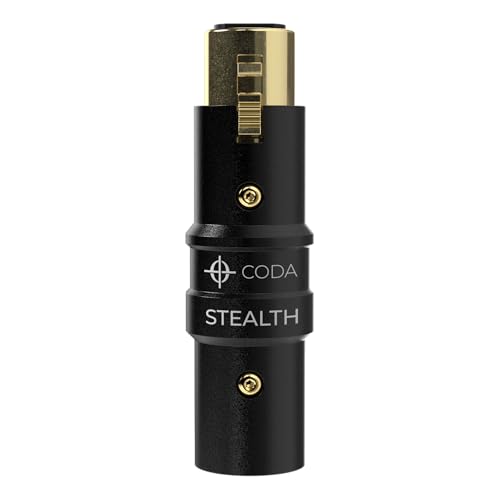
Phantom-Powered Booster – Coda MB-Stealth Clean Gain
The Coda MB-Stealth is a compact microphone preamp designed as an in-line gain booster for dynamic and ribbon mics. It uses your interface’s 48V phantom power to add 28dB of clean gain while keeping the signal quiet and uncluttered.
Best For: Dynamic and ribbon microphone users who want a simple in-line boost with minimal noise.
Pros:
- 28dB of clean gain for dynamic and ribbon microphones.
- -70dB noise rating helps reduce hiss and hum.
- Very compact matte-black design for a stealth look.
- Uses 48V phantom power from your interface.
Cons:
- Does not work with condenser microphones.
- Requires phantom power to operate.
This is a straightforward choice if you want an inline booster rather than a full-featured preamp box. It keeps the setup simple and compact, which makes it appealing for users who mainly need extra clean gain for a specific mic.
Balanced Compact Booster – Rechargeable 48V Mic Preamp
This compact microphone preamp is aimed at users who want a lightweight gain boost with a balanced circuit and low-noise performance. It provides 20dB of clean amplification, supports 48V power, and is designed for both dynamic and condenser microphones.
Best For: Home studios, podcasting, live streaming, and portable setups that need a compact low-noise preamp with broad mic support.
Pros:
- Fully balanced circuit design for ultra-low noise.
- 20dB of transparent gain with minimal coloration.
- Works with dynamic and condenser microphones.
- Compact, lightweight black metal case for portability.
Cons:
- Gain is lower than some other mic booster options.
- Details about the rechargeable operation are limited in the supplied notes.
If you want a simple, compact unit that focuses on clean amplification rather than high gain, this model is easy to place in a small recording setup. It stands out for its balanced design and broad compatibility, especially for mixed-use home and creator rigs.
How We Picked These Compact Microphone Preamps
We focused on Compact Microphone Preamps that are easy to place in a signal chain, compatible with common microphones, and practical for real-world use. Priority went to models with useful gain ranges, low-noise performance, durable metal housings, and straightforward XLR connectivity. We also considered whether a unit is best suited for dynamic, ribbon, or condenser microphones, since not every preamp is a fit for every setup.
Quick Comparison
If you want the simplest fix for a quiet dynamic or ribbon mic, an inline gain booster is usually the fastest route. If you need broader flexibility, look for units with higher maximum gain, phantom power support, and multiple inputs. Compact designs are ideal when space is tight, but check whether the small size comes with any tradeoffs in controls, power options, or mic compatibility.
Key Buying Factors for Compact Microphone Preamps
Gain and Noise Performance
More gain is not automatically better if the noise floor rises with it. For spoken voice, streaming, and close-mic recording, a clean 20dB to 30dB boost may be enough for dynamic or ribbon mics. For more demanding setups, higher-gain Compact Microphone Preamps can help, but look for low EIN and stable output under load.
Microphone Compatibility
Check whether the preamp works with dynamic, ribbon, condenser, or instrument sources. Some Compact Microphone Preamps are made mainly for passive mics and act as inline boosters, while others are more versatile and may support phantom power for active microphones or condenser use.
Power Requirements
Some models draw phantom power from the mixer or interface, while others add their own power options. Make sure your interface can provide what the preamp needs, especially if you use long cable runs or want maximum clean gain.
Form Factor and Build
Small metal housings are useful for desktop rigs, portable kits, and live bags. A compact body should still feel secure in the chain and not add strain to connectors. For mobile use, durability matters as much as size.
Who Should Buy Which Compact Microphone Preamps?
If you use a dynamic or ribbon mic and your interface gain is always near max, choose an inline booster first. If you record multiple mic types, a more flexible preamp with higher gain and phantom power support makes more sense. Streamers and podcasters usually want the cleanest, easiest setup, while musicians may prefer Compact Microphone Preamps that can travel easily and handle different sources. In short, match the preamp to your mic type, noise tolerance, and workflow rather than buying the highest gain number on the page.