
Great close-up photos start with a camera that can focus where you need it—not simply one with the most megapixels or the longest zoom. Working distance, lighting, and focus control can matter just as much.
These seven listings span inexpensive point-and-shoots, travel zooms, and premium compacts. Two are versions of the same Sony RX100 VI, so compare their condition and price rather than expecting different macro capabilities.
Best 7 Compact Camera for Macro Photography Picks for 2026
Best for Focus Compositing

- Focus Select and Focus Composite tools
- 60x stabilized optical zoom
- OLED viewfinder and touch LCD
Best For: Close-up enthusiasts who also want a long travel zoom
Best Pocketable Travel Zoom

- 30x optical zoom
- RAW capture support
- Eye viewfinder for bright conditions
Best For: Travelers seeking a portable zoom camera with RAW support
Best Simple Macro Mode
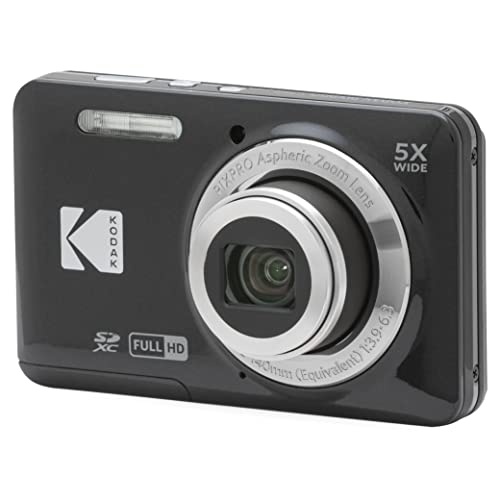
- Dedicated Macro shooting mode
- Lightweight 3.7-ounce body
- 16MP sensor and 5x optical zoom
Best For: Beginners wanting an uncomplicated close-up shooting option
Best for Post-Shot Focus

- Post Focus selection after capture
- 60x zoom with optical stabilization
- Bright-light electronic viewfinder
Best For: Shooters wanting flexible focus selection and long-zoom versatility
Versatile Zoom Pick

- 20.1 MP 1-inch sensor
- 24–200mm ZEISS zoom
- Close-focus specs not supplied
Best For: Flexible close-up experiments and everyday shooting
Simple AA-Powered Pick

- 16 MP CMOS sensor
- 4x optical zoom
- Uses two AA batteries
Best For: Simple everyday photos with occasional close-up attempts
Renewed Zoom Option
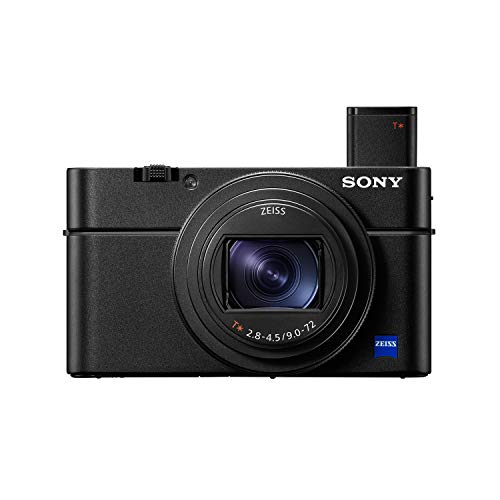
- 20.1 MP 1-inch sensor
- 24–200mm ZEISS zoom
- 90-day limited warranty stated
Best For: Buyers open to renewed gear for versatile shooting
Best for Focus Compositing – Panasonic LUMIX FZ80D/FZ85D
If you’re comparing a compact camera for macro photography, the LUMIX FZ80D/FZ85D stands out for its Focus Select and Focus Composite tools. Its built-in 20–1200mm-equivalent zoom also makes it useful beyond close-up subjects, without a lens change.
Best For: Close-up enthusiasts who want focus-compositing options alongside a versatile travel zoom.
Pros:
- Focus Select and Focus Composite offer creative control over the area of sharpness.
- Power Optical Image Stabilizer helps reduce handheld blur.
- OLED viewfinder and 3-inch touch LCD provide framing options outdoors.
Cons:
- At 596 g, it is less pocket-friendly than a small travel compact.
- The supplied notes do not specify a minimum focusing distance, so close-focus capability is worth checking before purchase.
The focus tools are the strongest reason to consider this model for detail shots; its long zoom is a bonus if you also photograph distant subjects.
Best Pocketable Travel Zoom – Panasonic LUMIX ZS50
The LUMIX ZS50 is a lightweight travel option for shoppers considering a compact camera for macro photography, but its supplied specifications do not establish how closely it can focus. What is clear is its 30x optical zoom, RAW capture, and built-in eye viewfinder.
Best For: Travelers who prioritize portability, zoom range, and RAW files over confirmed close-focusing specifications.
Pros:
- 30x optical zoom offers flexible framing without changing lenses.
- RAW support provides more editing latitude than JPEG alone.
- Electronic eye viewfinder helps with framing in bright sunlight.
Cons:
- No minimum focusing distance or dedicated macro mode is specified in the supplied notes.
- Video tops out at Full HD 1080p rather than 4K.
Choose the ZS50 for an easy-to-carry all-rounder, and verify its close-focus performance if small subjects are your main priority.
Best Simple Macro Mode – KODAK PIXPRO FZ55
The KODAK PIXPRO FZ55 is a straightforward compact camera for macro photography beginners who want a listed Macro shooting mode without navigating an extensive feature set. Its 16MP sensor and 5x optical zoom also cover everyday snapshots.
Best For: Beginners who want a lightweight point-and-shoot with a dedicated Macro mode.
Pros:
- Macro shooting mode is included among its listed scene options.
- At 3.7 ounces, it is easy to carry for casual outings.
- Rechargeable battery charges in-camera over USB.
Cons:
- Digital stabilization is less useful for avoiding camera shake than optical stabilization.
- The supplied notes do not give a Macro-mode minimum focusing distance.
This is the clearest pick here for a simple, explicitly listed Macro mode, though you should confirm its working distance for the subjects you plan to shoot.
Best for Post-Shot Focus – Panasonic LUMIX FZ80
For anyone weighing a compact camera for macro photography against an all-purpose zoom camera, this LUMIX FZ80 listing offers a useful Post Focus feature: you can choose the area of focus after capture. Its 60x optical zoom and 4K recording add flexibility for other subjects.
Best For: Shooters who want post-shot focus selection and a stabilized long zoom in one camera.
Pros:
- Post Focus lets you select a focus area after taking the shot.
- POWER O.I.S. helps suppress hand shake, particularly at the telephoto end.
- Large electronic viewfinder is designed for use in bright sunlight.
Cons:
- At 1.4 pounds, it is not a pocket-sized compact.
- The supplied notes do not specify minimum focusing distance or a dedicated Macro mode.
Post Focus is appealing for detail work, but confirm how close this camera can focus before choosing it primarily for tiny subjects.
Versatile Zoom Pick – Sony RX100 VI
If you want a compact camera for macro photography alongside everyday shooting, the Sony RX100 VI offers a 20.1 MP 1-inch sensor and a 24–200mm ZEISS zoom. The supplied specifications do not state a minimum focusing distance or magnification, so its close-up capability is worth checking against the size of your subjects.
Best For: Buyers who want a pocketable all-rounder for close-up experiments, travel, and video.
Pros:
- 24–200mm optical zoom offers flexible framing.
- 1-inch sensor supports 20.1 MP stills and RAW capture.
- Hybrid autofocus, optical stabilization, and a pop-up OLED viewfinder add shooting flexibility.
Cons:
- No minimum focusing distance or macro magnification is specified.
- Rated battery life is up to 330 shots.
This is the strongest general-purpose camera here on the stated imaging features, but verify its close-focus performance before buying it primarily for tiny subjects.
The KODAK PIXPRO FZ45 is a straightforward compact camera for macro photography beginners who also want an easy everyday camera. Its 16 MP sensor, 4x optical zoom, and AA-battery operation are documented, but the supplied notes do not establish how closely it can focus.
Best For: Casual shooters who prioritize simple operation and replaceable AA batteries over documented macro capability.
Pros:
- Lightweight 4.1-ounce compact body.
- 27–108mm-equivalent 4x optical zoom offers basic framing flexibility.
- Runs on two AA alkaline batteries and records 1080p video.
Cons:
- No minimum focusing distance or macro magnification is supplied.
- Fixed 2.7-inch screen and digital stabilization limit shooting flexibility.
Choose the FZ45 for uncomplicated snapshots; if small-subject detail is the priority, confirm its close-focus specifications first.
This renewed Sony RX100 VI offers the same stated 20.1 MP 1-inch sensor and 24–200mm ZEISS zoom as the standard listing, making it a flexible compact camera for macro photography experiments and general use. Its supplied notes do not specify minimum focus distance or macro magnification.
Best For: Buyers comfortable with a renewed camera who want an RX100 VI for varied subjects.
Pros:
- 24–200mm F2.8–F4.5 ZEISS zoom covers a broad framing range.
- 20.1 MP 1-inch sensor and stated RAW support offer editing flexibility.
- Hybrid autofocus, electronic viewfinder, and 4K video broaden its uses.
Cons:
- Close-focus specifications are not provided.
- The supplied listing states a 90-day limited warranty.
The renewed listing is worth comparing with the standard RX100 VI, but check the specific item’s condition and verify close-focus suitability before committing to macro work.
How We Picked the Best Compact Camera for Macro Photography
We considered the seven selected listings through the practical demands of close-up shooting: whether the camera can focus on small subjects, how much room its lens leaves for lighting, and how easily you can frame and steady a shot. Sensor size, zoom range, portability, price, and listing condition also matter. The two Sony RX100 VI entries represent the same camera model; one is renewed, not a separate step up in image quality.
Published minimum-focus distances can be misleading when quoted only at the widest zoom setting. Before buying, check the manufacturer’s focus specifications at the focal length you expect to use, and look for sample images of subjects similar to yours.
Quick Comparison of the Seven Listings
- Premium compact: The new and renewed Sony RX100 VI listings pair a 1-inch sensor with a 24–200mm-equivalent zoom. Choose between them based on price, warranty, return terms, and condition.
- Long-zoom option: The Panasonic LUMIX FZ80D/FZ85D offers a 20–1200mm-equivalent range. It is a larger bridge-style camera, so check its dimensions if pocketability is essential.
- Travel-friendly zoom: The Panasonic LUMIX ZS50 combines a 30× zoom with an eye-level viewfinder; verify the condition and availability of this older model.
- Budget basics: The KODAK PIXPRO FZ55 and FZ45 offer 5× and 4× optical zooms, respectively. The FZ45 uses AA batteries; neither should be assumed to have advanced macro controls.
- Verify the model: The Panasonic 4K travel/vlogging listing does not identify an exact model here. Confirm its model number and close-focus specifications before comparing it with the others.
Key Buying Factors for a Compact Camera for Macro Photography
Focus Distance and Magnification
A short minimum-focus distance alone does not guarantee a large subject in the frame. Look for real-world close-up samples or a stated reproduction ratio. Test whether the camera can still focus closely when zoomed in: more distance between lens and subject can make it easier to light an insect or avoid casting a shadow.
Sensor, Stabilization, and Handling
A larger sensor can help with image quality, but extreme close-ups often need enough depth of field to keep the subject sharp. Good light, a steady shooting position, and focus placement are essential. An electronic viewfinder may help in bright sunlight; a tripod or stable support can help when the camera’s stabilization is not enough. Check whether a model offers useful manual-focus or focus-assist options rather than assuming a dedicated macro mode will solve every focusing problem.
Size and Total Cost
Decide whether you want a pocketable camera or can carry a larger bridge model. Allow for batteries, a memory card, and possibly a small light. For renewed or older cameras, inspect the seller’s warranty, return policy, and battery condition.
Who Should Buy Which Compact Camera for Macro Photography?
Choose an RX100 VI listing if you prioritize a premium pocketable camera and find its close-focus performance suits your subjects; consider renewed only if the savings justify its terms. Choose the FZ80D/FZ85D if zoom versatility matters more than compact size, or the ZS50 if you want a smaller travel zoom with a viewfinder. Start with the FZ55 or FZ45 for a simpler, lower-cost camera, but confirm their close-up limits first. For the unnamed Panasonic 4K option, identify the exact model before making a decision.