
Location shoots live or die by reliable power. If you’re running cameras, monitors, lights, wireless gear, and charging stations away from wall outlets, the right power unit can keep the whole day on schedule.
This roundup focuses on practical options for creators and crews who need a dependable camera power station for location shoots, with a mix of compact travel-friendly picks and higher-capacity units for heavier setups.
Best 10 Camera Power Station for Location Shoots Picks for 2026
Ultra-Compact DC Pick
Anker SOLIX C200 DC for Camera Power

- 192Wh LiFePO4 battery with 200W output
- 140W two-way USB-C plus 5 charging ports
- 39% smaller design for easy carry
Best For: Compact location kits and USB-powered camera accessories
Multi-Voltage Utility Pick
Talentcell PB240B1 for Camera Gear
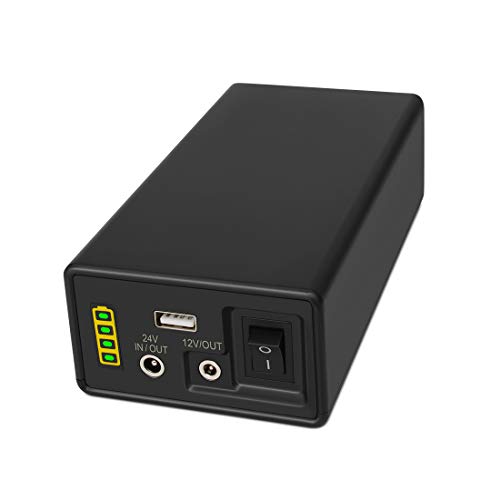
- 24V, 12V, and 5V outputs for DC gear
- 155Wh portable battery with included charger
- Protection features for safer everyday use
Best For: Known-voltage camera accessories and other DC devices
High-Capacity Pro Pick
DJI Power 1000 for Production Power

- 1024Wh LFP battery with 2200W output
- 70-minute fast recharge with grid power
- Up to 800W solar input and very quiet charging
Best For: Higher-demand location shoots and heavier production gear
Airline-Friendly Compact Pick
Drone Portable Charger 100Wh for Camera Kits

- 100Wh compact battery for travel use
- USB-C, USB-A, and AC outputs included
- LCD screen shows charge and output status
Best For: Small camera-and-drone kits needing a plane-safe backup
High-Capacity Creator Power
DJI Power 1000 V2 Portable Power Station

- 1024Wh LFP battery with 2600W stable output
- Charges to 80% in 37 minutes for fast resets
- Quiet 26 dB operation suits filming environments
Best For: Filmmakers and crews with demanding location power needs
Airline-Friendly Camera Backup

- 40,000mAh capacity in a compact 2.5 lb body
- USB-C, USB-A, and wireless charging for up to 5 devices
- 140W flash charging and airline-approved travel design
Best For: Traveling creators needing compact device charging
Ultra-Slim Backup Pick
BLUETTI Handsfree 1 268Wh for Drones & Camera Kits
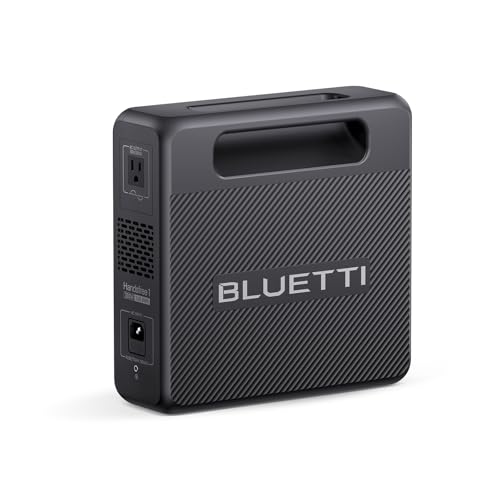
- 3.8-inch-thin design fits tight vehicle and gear spaces.
- 268.8Wh capacity with 300W output for smaller camera loads.
- Side ports and solar charging suit mobile location work.
Best For: Photographers and drone users needing a slim backup power station
High-Capacity Power Hub
DJI Power 2000 2048Wh Fast-Charge Station

- 2048Wh LFP battery with 3000W stable output.
- Charges to 80% in 55 minutes for faster turnaround.
- Quiet 30 dB operation and 10 ms UPS support.
Best For: Large kits and extended off-grid shoots
Compact Multi-Device Option
BLUETTI Handsfree 2 512Wh 700W for Photo Gear

- 512Wh battery with 700W output for more runtime.
- Charges up to 5 devices with USB-C, USB-A, and AC.
- Fast solar recharge and 4,000+ cycle LiFePO4 battery.
Best For: Photographers wanting a compact multi-device charging hub
Ultra-Compact DC Pick – Anker SOLIX C200 DC for Camera Power
If you need a camera power station for location shoots that stays small and easy to carry, the Anker SOLIX C200 DC is built for mobile charging rather than heavy AC loads. Its 192Wh LiFePO4 battery, 200W output, and multiple USB-C and USB-A ports make it a practical choice for keeping cameras, phones, tablets, and other on-the-go gear powered during a shoot day.
Best For: Lightweight location kits that rely on USB-powered camera accessories and fast device charging.
Pros:
- 192Wh capacity with 200W output for portable shoot-day power.
- Includes one 140W two-way USB-C port plus multiple USB-C and USB-A outputs.
- Fast recharge to 80% in 1.3 hours via 140W USB-C PD 3.1.
- Travel-friendly design that is 39% smaller than similar power stations.
Cons:
- No wall charger is included in the box.
- Solar panels are not included.
- Not intended for high-watt AC gear, since this is a DC-focused unit.
This is a smart pick when portability matters more than raw output. For camera crews working with USB-powered devices, it offers a compact, rechargeable backup that is easier to pack than a full-size power station.
Multi-Voltage Utility Pick – Talentcell PB240B1 for Camera Gear
For a camera power station for location shoots that needs to handle specific DC gear, the Talentcell PB240B1 is geared toward multi-voltage use. Its 24V, 12V, and 5V outputs make it useful for camera-related devices and other low-power accessories when you know the voltage requirements in advance.
Best For: Camera setups and accessories that need 24V or 12V DC power on the move.
Pros:
- Multi-voltage outputs include 24V, 12V, and 5V USB.
- 155Wh class capacity with 42,980mAh battery rating.
- Includes charger and cable in the box.
- Built-in protection against over-charge, over-discharge, over-voltage, over-current, and short circuit.
Cons:
- 24V output is not constant, so voltage matching matters.
- You must confirm device voltage before use to avoid damage.
- Not a general-purpose high-power station for larger electronics.
This is best when your gear has specific DC input needs and you want a portable battery with straightforward output options. It rewards careful compatibility checks, so it is strongest for users who already know their camera accessory power requirements.
High-Capacity Pro Pick – DJI Power 1000 for Production Power
If your camera power station for location shoots also needs to support larger production loads, the DJI Power 1000 is the strongest option here. With a 1024Wh LFP battery, 2200W stable output, and support for solar charging, it is built for crews that need serious reserve power rather than just accessory charging.
Best For: Higher-demand location work that may need to run heavier appliances or more power-hungry production gear.
Pros:
- 1024Wh capacity with 2200W continuous output.
- Fast grid recharge in 70 minutes.
- Supports solar charging with up to 800W input.
- Quiet operation at as low as 23 dB during recharging.
Cons:
- Heavier and larger than compact camera-focused power banks.
- Solar panel and car charging require separate compatible adapters.
- More power station than many small camera kits will need.
This model makes sense when the shoot setup goes beyond camera charging and into broader production power. It brings a lot of capacity and output, but it is best suited to crews that can use the extra headroom.
Airline-Friendly Compact Pick – Drone Portable Charger 100Wh for Camera Kits
For a camera power station for location shoots that stays compact and travel-friendly, this 100Wh unit is aimed at drones, camera accessories, and small outdoor setups. It offers USB-C, USB-A, and AC output options in a lightweight design, plus an LCD screen for checking charge and output status at a glance.
Best For: Small camera-and-drone kits that need a compact, plane-safe backup battery.
Pros:
- 100Wh capacity in a compact, airline-safe design.
- Multiple outputs include USB-C, USB-A, and AC.
- Supports camera gear, drone accessories, remote controllers, and camping lights.
- LCD display shows battery status, charging power, and output power.
Cons:
- 160W combined max output is limited compared with larger stations.
- AC output tops out at 100W max.
- Better suited to accessories than power-hungry production equipment.
This is a sensible choice when portability and travel rules matter most. It gives small shoot kits a flexible charging option without the bulk of a larger power station.
Compact Backup Power for Small Kits – DARAN 600W Portable Power Station
If you need a camera power station for location shoots without carrying a heavy generator, this DARAN unit is a practical compact option. Its 288Wh LiFePO4 battery and 600W pure sine wave output can cover cameras and other low-draw gear, while the lightweight 8.86 lb build makes it easier to move between sets, vehicles, and shooting spots.
Best For: Solo shooters, travel filmmakers, and small camera kits that need lightweight backup power on location.
Pros:
- 600W pure sine wave output with 1200W surge support for compatible devices.
- Lightweight 8.86 lb design with a compact footprint for backpacks or car trunks.
- 7-port layout includes AC, car socket, USB-C, and USB-A connections.
- Fast AC charging reaches 80% in about 2 hours.
Cons:
- 288Wh capacity is modest for longer shoots or higher-draw camera setups.
- Solar panel and solar charging cable are not included.
- Only suitable for devices within the 600W limit.
This is a sensible pick when portability matters more than runtime. For smaller production kits and quick location days, it offers useful outlet variety and quiet, fume-free operation in a compact package.
High-Capacity Creator Power – DJI Power 1000 V2 Portable Power Station
For a camera power station for location shoots that can handle bigger kits, the DJI Power 1000 V2 stands out with 1024Wh of LFP capacity and a 2600W stable output. It is built for creators who need fast recharge times, quiet operation, and enough power to keep cameras, charging gear, and other production equipment moving through long days on set.
Best For: Filmmakers, content creators, and production crews that need high-output portable power for demanding location work.
Pros:
- 1024Wh LFP battery and 2600W output support a wide range of gear.
- Recharges to 80% in just 37 minutes for fast turnaround between shoots.
- Runs as low as 26 dB, which is helpful in quiet filming environments.
- Dual 140W USB-C ports and 10ms UPS switching add creator-friendly flexibility.
Cons:
- Heavier and larger than compact power-bank style options.
- Solar and car charging require separate compatible adapters.
- Likely more power than casual or ultra-light camera setups need.
If your work involves bigger production kits or long on-location days, this model offers a strong balance of capacity, speed, and low noise. It is one of the more capable choices when reliability matters more than minimal size.
Airline-Friendly Camera Backup – CUKTECH 30 Power Bank Station
If you want a camera power station for location shoots that travels easily, the CUKTECH 30 is more of a high-capacity power bank than a full generator. Its 40,000mAh battery, airline-approved design, and multi-port layout make it a convenient choice for charging cameras, phones, laptops, and drones when you need portable backup in a small form factor.
Best For: Traveling creators and outdoor photographers who need a compact, airline-friendly charging hub.
Pros:
- 40,000mAh capacity in a compact 2.5 lb package.
- Charges up to 5 devices with USB-C, USB-A, and wireless charging support.
- 140W dual-way flash charging helps it recharge quickly.
- Airline-approved design makes it easier to carry on trips.
Cons:
- 144Wh capacity is much smaller than a full portable power station.
- Designed around USB-powered devices rather than AC outlet use.
- Best suited to charging gear, not powering larger production equipment.
This is a smart choice when portability and travel compliance are priorities. For lighter location kits and device charging, it offers impressive speed and flexibility without the bulk of a larger station.
Ultra-Slim Backup Pick – BLUETTI Handsfree 1 268Wh for Drones & Camera Kits
If you need a camera power station for location shoots that fits into tight spaces, the BLUETTI Handsfree 1 is built around portability. Its 3.8-inch-thin body, 268.8Wh capacity, and 300W output make it a compact backup source for charging cameras, drone batteries, monitors, and other small gear while you move between setups.
Best For: Photographers and drone operators who need a slim, easy-to-pack power station for travel and tight on-location setups.
Pros:
- World’s slimmest design at 3.8 inches thick, so it slips into crowded vehicle or gear setups.
- Side-facing ports make it easier to plug in devices during cramped on-location charging.
- 268.8Wh capacity and 300W output are suitable for drones, laptops, and accessories.
- Supports solar charging for extended off-grid shooting days.
Cons:
- 300W output is best for smaller gear, not larger appliances.
- Compact capacity means it’s more of a backup station than a heavy-duty power hub.
For creators who value a low-profile power source over maximum runtime, this model makes sense. It is especially practical when your kit already takes up most of the car or when you need a station that stays accessible throughout the day.
High-Capacity Power Hub – DJI Power 2000 2048Wh Fast-Charge Station
For a camera power station for location shoots that has room to spare, the DJI Power 2000 is the heavy-duty option in this group. With a 2048Wh LFP battery, 3000W stable output, fast recharge, and a quiet operating profile, it is designed to keep a much larger production kit powered through long days away from mains electricity.
Best For: Crews and creators who need high-capacity, fast-recharging backup power for larger equipment and extended off-grid shoots.
Pros:
- 2048Wh capacity and 3000W stable output can handle demanding gear.
- Recharges to 80% in just 55 minutes, reducing downtime between sessions.
- 10 ms UPS switching helps keep devices running through unexpected outages.
- Operates as low as 30 dB, which is useful in quiet enclosed spaces.
Cons:
- Much larger and heavier than the smaller BLUETTI options.
- Premium capacity may be more than casual photographers need.
This is the strongest choice when runtime, output, and fast turnaround matter more than portability. If your location work includes multiple devices or long waits between charging opportunities, the DJI Power 2000 offers plenty of headroom.
Compact Multi-Device Option – BLUETTI Handsfree 2 512Wh 700W for Photo Gear
If you want a camera power station for location shoots that balances portability with more usable capacity, the BLUETTI Handsfree 2 is a strong middle-ground choice. It offers a 512Wh LiFePO4 battery, 700W output, and support for charging up to five devices at once, making it a practical fit for cameras, phones, drones, and small accessories.
Best For: Photographers and travelers who want a compact station with more capacity and multi-device charging.
Pros:
- 512Wh battery and 700W output provide more headroom than smaller compact stations.
- Can charge up to 5 devices simultaneously with USB-C, USB-A, and AC outputs.
- Supports fast solar recharge in about 3 hours with 120W input.
- LiFePO4 battery is rated for 4,000+ cycles and rugged use.
Cons:
- Less output than the larger DJI unit for power-hungry gear.
- Still compact, but not as slim as a pure minimal carry solution.
This model makes sense when you need more than a basic backup but do not want to jump to a much larger power station. It is a balanced pick for creators who carry several devices and want a dependable all-day charging hub.
How We Picked the Best Camera Power Station for Location Shoots
We looked for models that balance usable capacity, real-world output, recharge speed, port variety, and portability. For location work, the best choice is not always the biggest battery; it’s the one that matches your camera kit, lighting plan, and travel constraints.
We also prioritized LiFePO4 battery chemistry where available, since it tends to offer better cycle life and more confidence for repeat use on production days.
Quick Comparison
Smaller power banks and compact stations are better for mirrorless cameras, phones, wireless transmitters, field monitors, and short charging breaks. Mid-size units can handle chargers, small lights, and accessory kits. Larger stations are the better fit when you need extended runtime, multiple outlets, or AC-powered gear on set.
Key Buying Factors for a Camera Power Station for Location Shoots
Capacity and Runtime
Match watt-hours to your gear list. A 100Wh to 200Wh unit is often enough for light travel kits, while 300Wh to 500Wh gives more flexibility for long shoot days. Above 1,000Wh, you’re in territory for more demanding multi-device setups or extended remote production.
Output Type and Wattage
Check both AC and DC output. Many camera accessories are more efficient on USB-C or DC than on AC, so a station with strong USB-C PD and regulated DC ports can be a smarter fit than AC alone. If you need to power chargers, lights, or laptop workflows, make sure the continuous wattage is comfortably above your peak draw.
Recharge Speed
Fast recharge matters on tight turnarounds. If you can top up between locations or during meal breaks, you’ll get more value from the station. High-speed AC charging is especially helpful for teams cycling through long production days.
Portability and Form Factor
For a Camera Power Station for Location Shoots, weight and carry comfort matter as much as raw output. Compact units are easier to move between sets, while larger ones make more sense when they stay near base camp, a van, or a dedicated power cart.
Who Should Buy Which Camera Power Station for Location Shoots?
Solo creators and travel shooters should start with compact battery stations that prioritize portability and USB-C. Small crews and hybrid shooters usually benefit from mid-size models with a mix of AC, DC, and USB outputs. Commercial teams, documentary crews, and anyone powering multiple devices for long periods should look at higher-capacity stations with faster recharge and stronger AC output.
If your kit is camera-heavy but low-power, choose efficiency and portability first. If your workflow includes lights, laptops, and accessory charging all at once, choose capacity and output headroom first.