
If you want smoother handheld footage without sacrificing focus accuracy, a camera gimbal with LiDAR autofocus can be a major upgrade. These systems combine stabilization and intelligent subject focusing to help you move faster and shoot with more confidence.
In this roundup, we focused on options that balance tracking performance, payload capacity, portability, and creator-friendly controls for different camera setups and shooting styles.
Best 10 Camera Gimbal with LiDAR Autofocus Picks for 2026
Cinematic All-in-One Flagship
DJI Ronin 4D-8K Full-Frame Cinema Camera

- Integrated 4-axis cinema camera and gimbal system
- LiDAR focusing works fast and reliably, even in low light
- Records up to 8K/75fps with full-frame imaging
Best For: Professional filmmakers needing an integrated cinema rig
Solo Creator Tracking Gimbal
FeiyuTech SCORP-C2 AI Tracking Stabilizer

- Built-in AI tracking follows faces from up to 59 ft away
- Supports DSLR and mirrorless rigs up to 7.72 lb
- Native portrait mode for fast vertical shooting
Best For: Solo creators and vloggers who film themselves
Pro Focus Control Kit
DJI Focus Pro All-in-One Combo

- LiDAR unit offers 76,800 ranging points and 20 m focus range
- AI recognition helps track human and vehicle subjects
- Controls focus, iris, and zoom with FIZ precision
Best For: Operators and focus pullers in DJI PRO workflows
Budget-Friendly Smart Gimbal
FeiyuTech SCORP 2 Tracking Stabilizer

- Built-in AI tracking sensor for subject follow shots
- One-tap vertical setup for social content
- 1.3-inch touchscreen for quick on-gimbal control
Best For: Budget-conscious DSLR and mirrorless creators
Pro Cinema LiDAR Kit
LiDAR autofocus for pro cinema rigs

- 76,800 ranging points for detailed focus tracking
- 20-meter subject focusing range
- AMF mode and FIZ lens control for precision work
Best For: Solo cinematographers and DJI PRO ecosystem users
Lightweight Vertical Gimbal
lightweight gimbal for camera shooting

- Native vertical shooting for quick portrait setups
- 1.05 kg body with 6.6 lb payload capacity
- Bluetooth shutter control and long battery life
Best For: Travel shooters and vertical-content creators
RS LiDAR Focus Module

- 43,200 ranging points for focus detection
- 14-meter range with built-in camera assist
- Adds autofocus support for manual lenses
Best For: DJI RS Pro owners needing LiDAR focus assistance
Compact AI Tracking Pick
Compact AI-Tracking Gimbal for Hybrid Creators
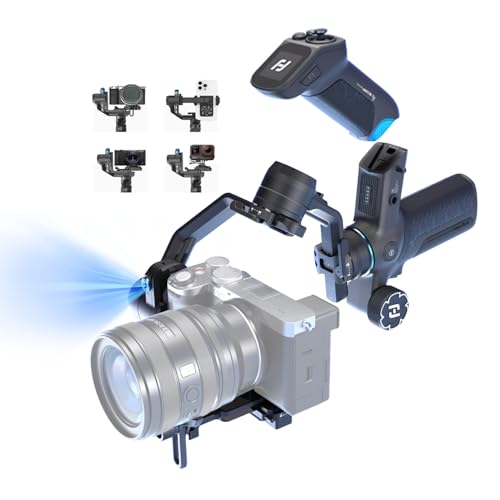
- 4.4 lb payload for cameras, action cams, and phones
- Built-in AI tracking reaches subjects up to 59 ft
- Detachable handle and OLED screen simplify control
Best For: Creators who want a compact, multi-device gimbal with built-in AI tracking
Heavy-Duty Tracking Option
Heavy-Duty AI Tracking Gimbal for Solo Shooters

- 7.72 lb payload for heavier mirrorless and DSLR setups
- Built-in AI sensor tracks faces up to 59 ft
- Native vertical shooting with gesture and Bluetooth/Type-C control
Best For: Solo creators and vloggers who need strong payload support and hands-free AI tracking
Lightweight Travel Choice
Lightweight Stabilizer for Travel and Vertical Video
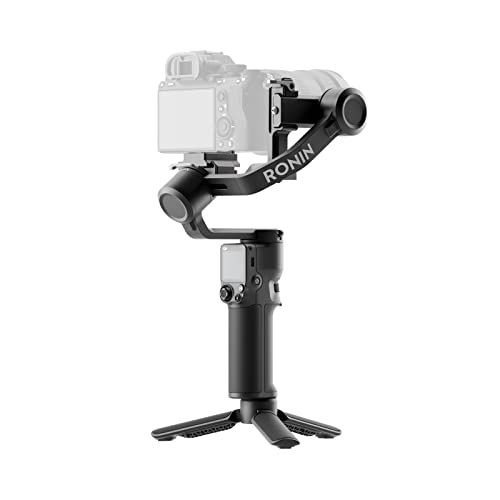
- 795 g body is easy to carry on the go
- 2 kg tested payload suits compact mirrorless setups
- Native vertical shooting and Bluetooth shutter control
Best For: Travelers and social creators who want a lightweight gimbal for mirrorless setups
Cinematic All-in-One Flagship – DJI Ronin 4D-8K Full-Frame Cinema Camera
If you want a camera gimbal with LiDAR autofocus built into a full cinema rig, the DJI Ronin 4D-8K is in a class of its own. It combines a full-frame camera, 4-axis stabilization, LiDAR focusing, and wireless video transmission in one modular system, making it a serious choice for productions that need speed and precision.
Best For: Professional filmmakers who want an integrated cinema camera and gimbal system with advanced LiDAR focusing.
Pros:
- Integrated 4-axis design combines camera, gimbal, LiDAR focusing, and wireless transmission.
- LiDAR focusing is fast, accurate, and works on manual lenses, even in low light.
- 8K/75fps capture with full-frame imaging and 14+ stops of dynamic range.
- O3 Pro transmission supports remote gimbal, focus, and camera control.
Cons:
- Built for professional workflows rather than casual handheld shooting.
- Heavy, highly specialized setup compared with standard mirrorless gimbals.
As a camera gimbal with LiDAR autofocus, this model is less about portability and more about delivering dependable cinema-level performance. If you need a deeply integrated production tool, the Ronin 4D-8K is one of the most capable options here.
Solo Creator Tracking Gimbal – FeiyuTech SCORP-C2 AI Tracking Stabilizer
The FeiyuTech SCORP-C2 is a practical camera gimbal for creators who want subject tracking without adding extra gear. It uses a built-in AI tracking module, supports heavier DSLR and mirrorless setups, and includes native portrait mode for fast vertical content creation.
Best For: Solo shooters and vloggers who want built-in AI tracking and strong payload support.
Pros:
- Built-in AI 4.0 tracking module follows faces from up to 59 ft away.
- 7.72 lb payload supports DSLR and full-frame mirrorless cameras with standard lenses.
- Native portrait mode makes switching to vertical video quick and simple.
- 14-hour battery life supports long filming days and events.
Cons:
- Uses AI tracking rather than LiDAR autofocus.
- Best suited to camera setups within its payload limits.
If you specifically want a camera gimbal with LiDAR autofocus, this is not that type of system. But if you need a feature-rich stabilizer for solo shooting, the SCORP-C2 delivers a strong mix of tracking, power, and portability.
Pro Focus Control Kit – DJI Focus Pro All-in-One Combo
The DJI Focus Pro All-in-One Combo is a dedicated focus system for operators who need precise subject tracking and lens control. With LiDAR ranging points, AI recognition, and FIZ control, it is built to improve focus accuracy on demanding shoots and integrate cleanly with DJI PRO gear.
Best For: Camera operators and focus pullers who need advanced LiDAR-based focus control on set.
Pros:
- 20-meter subject focusing range with 76,800 LiDAR ranging points.
- AI recognition improves human and vehicle subject tracking.
- AMF mode blends autofocus precision with operator control.
- FIZ control supports focus, iris, and zoom adjustments.
Cons:
- It is a focus control system, not a full camera gimbal.
- Best suited to DJI PRO ecosystem users such as Ronin 4D and Inspire 3 owners.
For crews already working with DJI cinema tools, this adds a serious layer of LiDAR-assisted precision. It is not a stabilizer, but it pairs well with high-end rigs where accurate focus matters more than handheld movement.
Budget-Friendly Smart Gimbal – FeiyuTech SCORP 2 Tracking Stabilizer
The FeiyuTech SCORP 2 is a compact 3-axis camera gimbal aimed at creators who want intelligent tracking and easy vertical shooting in one package. Its built-in AI sensor, touchscreen, and wireless or cable control make it a flexible option for everyday camera work.
Best For: Creators who want an affordable tracking gimbal for DSLR or mirrorless cameras.
Pros:
- Integrated AI tracking sensor enables subject tracking without extra accessories.
- One-tap vertical setup is useful for social video and short-form content.
- 1.3-inch touchscreen and multifunction knob simplify control.
- Supports camera control through Bluetooth or cable connections.
Cons:
- Uses AI tracking instead of LiDAR autofocus.
- 2.5 kg payload is lower than heavier-duty stabilizers.
As a camera gimbal, the SCORP 2 focuses on convenience and creator-friendly features rather than advanced focus hardware. If your priority is a compact stabilizer with built-in tracking, it is a practical pick; if you need LiDAR autofocus, look to a more specialized system.
Pro Cinema LiDAR Kit – LiDAR autofocus for pro cinema rigs
If you need a camera gimbal with LiDAR autofocus for demanding cinema work, the DJI Focus Pro Creator Combo is built for precise subject tracking, long-range focus control, and integrated lens operation. Its 76,800 ranging points, 20-meter focus range, and AI recognition make it a strong fit for controlled productions where reliable focus matters.
Best For: Solo cinematographers and DJI PRO users who want advanced LiDAR-based focus control on set.
Pros:
- 76,800 LiDAR ranging points help deliver highly reliable tracking and focus.
- 20-meter subject focusing range supports extended-distance shooting.
- AI recognition improves human and vehicle subject detection.
- AMF mode blends autofocus precision with operator control for a hybrid workflow.
Cons:
- Designed for the DJI PRO ecosystem, so compatibility is more specialized.
- Primarily focused on focus control rather than general-purpose stabilization.
- Includes multiple components that may be more than casual users need.
This is a specialized LiDAR focusing system for operators who want precision, lens control, and DJI ecosystem integration in one package. If your priority is camera gimbal with LiDAR autofocus performance for professional shoots, this combo stands out for its range, tracking detail, and workflow efficiency.
Lightweight Vertical Gimbal – lightweight gimbal for camera shooting
The ZHIYUN CINEPEER WEEBILL 3E is a practical choice if you want a camera gimbal with LiDAR autofocus support in a broader stabilization setup, but this model itself is centered on smooth handheld shooting, native vertical framing, and portable operation. With a 6.6 lb payload rating, sling mode options, and Bluetooth shutter control, it suits creators who value convenience and mobility.
Best For: Travel shooters and content creators who want a lightweight, easy-to-use stabilizer for everyday camera work.
Pros:
- Native vertical shooting makes portrait framing fast and simple.
- Lightweight 1.05 kg build helps reduce fatigue during longer shoots.
- Supports Bluetooth shutter control for wireless recording and photo triggers.
- Up to 16 hours of battery life and 14W fast charging support extended use.
Cons:
- Does not include LiDAR autofocus hardware in the supplied details.
- Maximum payload is limited to 6.6 lbs.
- Some accessories, like the grip and wrist rest kit, are not included.
As a stabilizer-first option, this gimbal is about ease of shooting, vertical workflows, and portability rather than advanced autofocus tooling. If your buying decision is driven by compact handling and quick setup, it offers a straightforward path for handheld video work.
RS LiDAR Focus Module – focus assist for RS gimbals
The DJI LiDAR Range Finder (RS) is a focused add-on for users building a camera gimbal with LiDAR autofocus capabilities on compatible RS systems. It projects 43,200 ranging points, works up to 14 meters, and includes a built-in camera plus control cables for focus, tracking, and calibration.
Best For: DJI RS 3 Pro and RS 4 Pro owners who want reliable LiDAR-assisted focusing, especially with manual lenses.
Pros:
- 43,200 ranging points provide detailed focus detection.
- 14-meter range supports a wide set of shooting scenarios.
- Built-in camera with 30 mm equivalent focal length and 70° FOV helps with focus handling.
- Enables autofocus on manual lenses after calibration with the Focus Motor (2022).
Cons:
- Requires compatible DJI RS 4 Pro or RS 3 Pro systems.
- It is a focus accessory, not a full gimbal on its own.
- Best results depend on pairing with the appropriate Focus Motor and setup.
This is the most direct LiDAR focusing module in the group for RS users who want to improve hand-held focus reliability. If you already own a compatible DJI rig, it adds serious subject-detection and manual-lens autofocus capability without changing your core stabilizer.
Compact AI Tracking Pick – Compact AI-Tracking Gimbal for Hybrid Creators
If you’re looking for a camera gimbal with LiDAR autofocus-style subject tracking behavior in a compact package, the Feiyu SCORP Mini 3 Pro is built around AI tracking rather than true LiDAR. It supports mirrorless cameras, action cams, and smartphones, with a 4.4 lb payload and a 59 ft tracking range for solo shooting, vlogging, and fast-moving subjects.
Best For: Creators who want a compact, multi-device gimbal with built-in AI tracking and flexible setup options.
Pros:
- 4.4 lb max payload handles mirrorless cameras, action cams, and phones.
- Built-in AI tracking locks onto subjects up to 59 ft with 0.003s response time.
- Detachable handle and 1.3″ OLED screen make on-gimbal control easier.
- Quick-release system supports fast horizontal and vertical shooting changes.
Cons:
- AI tracking is not the same as true LiDAR autofocus.
- Heavier camera setups may be close to the top of its payload range.
- Some users may prefer a larger control screen.
This is a strong all-rounder if you want a portable stabilizer that combines AI subject tracking, broad compatibility, and practical controls. It fits creators who value speed and flexibility more than a dedicated cinema-rig workflow.
Heavy-Duty Tracking Option – Heavy-Duty AI Tracking Gimbal for Solo Shooters
For buyers searching for a camera gimbal with LiDAR autofocus, the SCORP C2 is a better fit in the broader AI-tracking category, with built-in AI sensor tracking instead of LiDAR. It is designed for mirrorless and DSLR setups, offers native vertical shooting, and supports up to 7.72 lbs, making it a practical option for larger camera and lens combinations.
Best For: Solo creators and vloggers who need strong payload support and hands-free AI subject tracking.
Pros:
- 7.72 lb payload supports larger mirrorless and DSLR rigs.
- Built-in AI sensor tracks faces up to 59 ft without an app.
- Gesture control and Bluetooth/Type-C control help solo shooting.
- Native vertical shooting and quick-release plates speed up setup.
Cons:
- AI tracking is not LiDAR autofocus.
- At 1320 g, it is not the lightest travel-friendly option.
- Feature set may be more than casual smartphone shooters need.
The SCORP C2 stands out when you need a sturdier gimbal for heavier cameras and want tracking tools that reduce the need for a second operator. Its mix of payload, control options, and creative modes makes it a strong choice for more serious content production.
Lightweight Travel Choice – Lightweight Stabilizer for Travel and Vertical Video
The DJI RS 3 Mini is a compact camera gimbal built for portability, with a 795 g body and a 2 kg tested payload. It does not include LiDAR autofocus, but it does deliver 3rd-gen stabilization, native vertical shooting, and Bluetooth shutter control for creators who want a simple, lightweight rig for everyday filming.
Best For: Travelers and social creators who want a lightweight gimbal for mirrorless camera setups.
Pros:
- Very light at 795 g, making it easy to carry and use for long sessions.
- 2 kg payload covers many small mirrorless camera and lens combinations.
- Native vertical shooting is convenient for social content.
- 1.4″ full-color touchscreen gives quick access to settings.
Cons:
- Does not offer AI tracking or LiDAR autofocus.
- 2 kg payload is lower than heavier-duty gimbals.
- Requires DJI Ronin app activation for full functionality.
If your priority is portability over advanced subject-tracking features, the RS 3 Mini is an easy gimbal to live with. It is especially appealing for creators who shoot short-form video and want a stable, compact setup without extra bulk.
How We Picked the Best Camera Gimbal with LiDAR Autofocus
We prioritized products that make sense for real-world shooting: dependable stabilization, usable autofocus or subject tracking, strong lens-control integration, and compatibility with common mirrorless or cinema camera setups. For LiDAR-based options, we looked for practical focus range, tracking consistency, and ecosystem support. For traditional gimbals, we favored models with built-in tracking or a clear upgrade path for users moving toward LiDAR workflows.
Quick Comparison
Not every buyer needs the same setup. High-end integrated systems are best for run-and-gun cinema work, while lighter 3-axis gimbals are often a better fit for travel, interviews, and solo creators. If you already own a compatible camera and lens, a separate LiDAR accessory or focus system can be the most cost-effective way to add smarter autofocus behavior.
Key Buying Factors for a Camera Gimbal with LiDAR Autofocus
1. Payload and Camera Balance
Make sure the gimbal can comfortably handle your camera, lens, microphone, and accessories. Staying well under the max payload usually improves motor performance and battery life.
2. LiDAR and Tracking Performance
A Camera Gimbal with LiDAR Autofocus should maintain reliable subject detection and focusing even when the subject moves, turns, or briefly leaves the center of frame. Range, point density, and low-light behavior matter more than marketing claims.
3. Lens Control Compatibility
If you use manual-focus cine lenses or want precise focus pulls, check support for FIZ or other lens-control systems. This is especially important for filmmakers who need repeatable focus behavior during complex shots.
4. Workflow and Portability
Integrated systems can save setup time, but they are usually bulkier and more expensive. Smaller gimbals are easier to carry and faster to deploy, though they may rely more on external accessories or simpler tracking features.
5. Vertical Shooting and Creator Features
If you shoot social content, look for native vertical modes, app controls, and quick switching between orientations. These features can save time on set and make the rig more versatile.
Who Should Buy Which Camera Gimbal with LiDAR Autofocus?
Choose a fully integrated LiDAR-enabled system if you shoot narrative, commercial, or documentary work and need the strongest focus automation. Pick a compact Camera Gimbal with LiDAR Autofocus support or AI tracking if you are a solo creator, wedding shooter, or travel filmmaker who values speed and portability.
If you already own a compatible gimbal, a dedicated LiDAR accessory or focus module may be the smartest upgrade. And if your priority is simple stabilization with occasional tracking, a lighter standard gimbal may be enough without the extra cost of a full autofocus ecosystem.