
Long-exposure astrophotography rewards patience, but manually triggering every shot can introduce vibration, timing errors, and unnecessary trips to the camera. A reliable intervalometer lets you schedule exposures, pauses, and shot counts while keeping your setup undisturbed.
These 10 options cover popular Canon, Nikon, Sony, Olympus, and Fujifilm systems, with choices ranging from straightforward wired remotes to rechargeable wireless models. Check camera compatibility and connection type first, then match the timer features to your shooting style.
Best 10 Camera Intervalometers for Astrophotography Picks for 2026
Advanced Astro Control
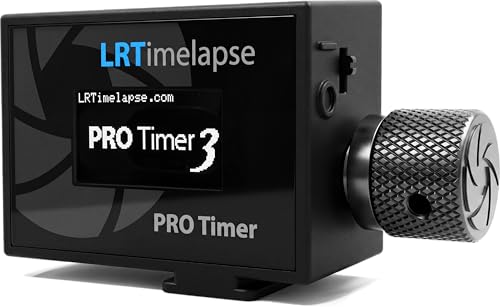
- 0.1-second interval adjustments and interval ramping
- Fast triggering with mirrorless-camera support
- Rechargeable battery and glove-friendly OLED controls
Best For: Advanced astrophotography and time-lapse workflows
Sony Timing Value
JJC Intervalometer Timer Remote
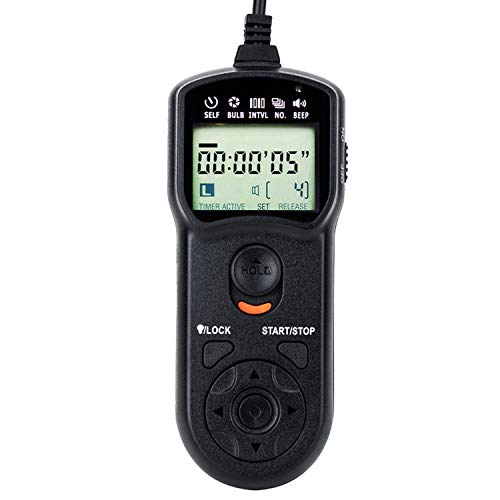
- Interval and long-exposure timing up to nearly 100 hours
- Backlit LCD for dark shooting conditions
- Wired 90 cm design with lock and two-stage release
Best For: Sony owners shooting star trails and time-lapses
Wireless Nikon Flexibility
Rechargeable Nikon Interval Remote
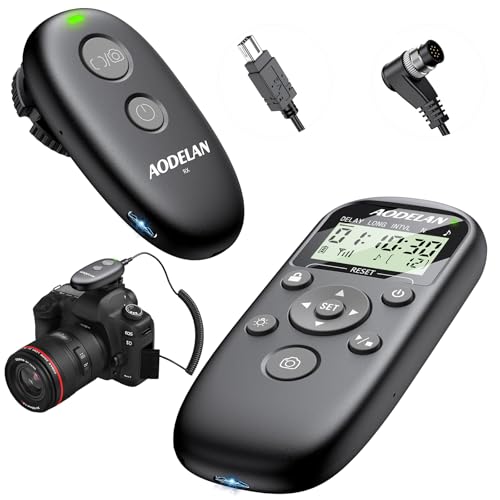
- Wireless triggering up to 60 meters
- Rechargeable battery and clear LCD display
- Supports interval, Bulb, single, and continuous shooting
Best For: Nikon astrophotographers needing wireless outdoor control
Canon Long-Exposure Control
JJC Canon Intervalometer Timer Remote
- Interval and long-exposure timing up to nearly 100 hours
- Backlit LCD with lock and two-stage release
- Compact 90 cm wired controller for compatible Canon cameras
Best For: Canon users shooting long exposures and time-lapses
Best Wireless Sony Pick
Rechargeable Sony Interval Timer Remote
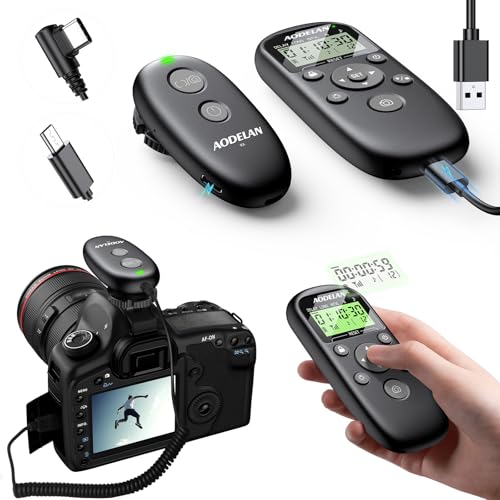
- 1-second interval timing with bulb and shot-count controls
- Wireless range up to 60 meters plus wired operation
- Rechargeable USB-C battery with LCD display
Best For: Sony photographers shooting star trails, long exposures, and time-lapse
Best Multi-Brand Option
C6 Canon, Fuji & Olympus Intervalometer

- 0.1-second timing accuracy for detailed exposure control
- Supports interval, bulb, delay, frame count, and bracketing settings
- Works with listed Canon, Fuji, Olympus, and Pentax cameras
Best For: Multi-brand shooters needing wireless astrophotography and HDR control
Best Nikon Value
N10 Wireless Nikon Intervalometer

- 0.1-second timing with bulb, interval, and delay modes
- Wireless range over 60 meters plus wired operation
- Backlit LCD and broad Nikon compatibility
Best For: Nikon users capturing star trails, time-lapse sequences, and long exposures
Best Wireless Canon Pick
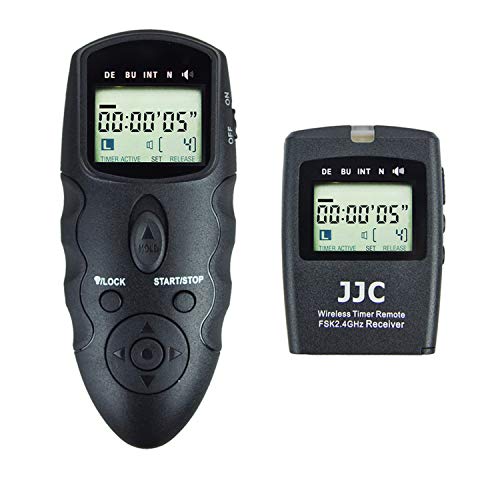
- Wired and wireless operation
- 328-foot/100-meter range
- Exposure timing up to nearly 100 hours
Best For: Canon users needing long wireless range and detailed timer control
Best Rechargeable Multi-Brand Pick

- Rechargeable USB-C battery
- LCD shows settings and battery level
- Supports multiple camera brands
Best For: Photographers wanting rechargeable power and broad compatibility
Best Wireless Multi-System Pick

- About 60-meter wireless range
- Rechargeable transmitter and receiver
- Broad Canon, Olympus, Fujifilm, and Pentax support
Best For: Multi-system photographers wanting wireless rechargeable control
Advanced Astro Control – PRO Timer 3.5
LRTimelapse PRO Timer 3.5 Camera Interval Timer for Time-Lapse and Astrophotography
Check Price On AmazonThe LRT PRO 3.5 is a premium choice among camera intervalometers for astrophotography, especially for photographers who need precise timing, fast triggering, and advanced interval control. It supports time-controlled and periodic shooting, with intervals adjustable in 0.1-second steps.
Best For: Dedicated astrophotographers and time-lapse shooters who want highly configurable timing and smooth interval transitions.
Pros:
- Operates two cameras at once and removes autofocus-related delays.
- Supports interval ramping for smoother transitions, including with motion-control hardware.
- Rechargeable USB Li-Ion battery, glove-friendly rotary control, and high-contrast OLED display.
- Includes mirrorless-camera settings and a foreground flashlight function.
Cons:
- The required camera release cable is sold separately.
- Its advanced controls may be more than casual users need.
With precise 0.1-second adjustments and saved settings, the PRO Timer 3.5 is a strong fit for demanding astro and time-lapse workflows. Confirm the correct release cable before ordering.
Sony Timing Value – JJC Intervalometer Timer Remote
This wired JJC timer is a practical option among camera intervalometers for astrophotography with compatible Sony cameras. It combines interval, self-timer, long-exposure, and exposure-count settings in a compact controller with a backlit LCD.
Best For: Sony camera owners who want an affordable wired controller for star trails, long exposures, and time-lapse shooting.
Pros:
- Supports timer settings from 1 second to 99 hours, 59 minutes, and 59 seconds.
- Offers self-timer, interval timer, long-exposure, and exposure-count functions.
- Backlit LCD is easier to read in dark conditions.
- Two-stage release button and lock function help reduce camera shake.
Cons:
- Compatibility is limited to the listed Sony cameras.
- The 90 cm cable limits placement distance.
- Requires two AAA alkaline batteries.
For compatible Sony bodies, this controller provides the core timing features needed for long-exposure astrophotography without a complicated setup. Verify your exact camera model and connector compatibility.
Wireless Nikon Flexibility – Rechargeable Nikon Interval Remote
This AODELAN remote offers wireless and wired control for a broad range of Nikon cameras, making it a flexible choice among camera intervalometers for astrophotography. Its built-in intervalometer supports automated shots for star trails and light painting, with timing accuracy to one second.
Best For: Nikon photographers who want wireless triggering, rechargeable power, and interval shooting from up to 60 meters.
Pros:
- Wireless operation reaches up to 60 meters, with a wired shooting option included.
- Built-in rechargeable battery reduces reliance on disposable batteries.
- Clear LCD displays interval, count, and delay settings.
- Supports single, continuous, and Bulb shooting when the camera is set appropriately.
Cons:
- Video recording is not supported through the intervalometer.
- Timing adjustments are accurate to one second rather than finer increments.
- Compatibility varies by Nikon model and connection.
The combination of wireless range, wired backup, and rechargeable power makes this a useful outdoor Nikon controller. Check the supplied compatibility lists and ensure your camera is configured for the desired shooting mode.
Canon Long-Exposure Control – JJC Canon Intervalometer Timer Remote
This JJC wired timer is a straightforward choice among camera intervalometers for astrophotography with compatible Canon cameras. It provides interval, self-timer, long-exposure, and exposure-count controls, with settings ranging from one second to nearly 100 hours.
Best For: Canon users who need simple wired timing for long exposures, star trails, and time-lapse photography.
Pros:
- Supports self-timer, interval timer, long-exposure, and exposure-count settings.
- Timer range runs from 1 second to 99 hours, 59 minutes, and 59 seconds.
- Backlit LCD helps with operation in dark environments.
- Lock function and two-stage release button help reduce camera shake.
Cons:
- Compatibility is limited to supported Canon cameras.
- The 90 cm wired connection offers limited remote placement.
- Requires two AAA alkaline batteries.
This controller covers the essential timing functions for Canon long-exposure and interval shooting in a compact design. Confirm that your camera uses the compatible connection before purchase.
Best Wireless Sony Pick – Rechargeable Sony Interval Timer Remote
The AODELAN WTR-2 II is a practical choice among camera intervalometers for astrophotography if you use a compatible Sony camera. It combines interval timing, bulb exposure control, wireless operation, and a rechargeable design for star trails, long exposures, and time-lapse work.
Best For: Sony photographers who want wireless, rechargeable control for night photography and long exposures.
Pros:
- Supports delay, long exposure, interval, and shot-count settings with timing down to 1 second.
- Offers single, continuous, bulb, and 2-second-delay shooting modes.
- Provides 2.4GHz wireless control up to 60 meters and can also work in wired mode.
- Built-in rechargeable battery, USB-C charging, and LCD status display eliminate disposable batteries.
Cons:
- Compatibility is limited to the listed Sony cameras.
- Only one camera is supported at a time.
Its rechargeable power and dual wireless/wired operation make it especially convenient for extended astrophotography sessions away from a power outlet. Confirm your exact Sony model and required cable before buying.
Best Multi-Brand Option – C6 Canon, Fuji & Olympus Intervalometer
The PHOLSY C6 is a versatile option among camera intervalometers for astrophotography, with broad compatibility across Canon, Fujifilm, Olympus, and Pentax models. Its timer supports precise 0.1-second adjustments, bulb exposures, interval shooting, and timed bracketing.
Best For: Photographers using compatible Canon, Fujifilm, Olympus, or Pentax cameras who want one feature-rich wireless remote.
Pros:
- Includes single, continuous, bulb, 2-second-delay, and timer shooting modes.
- Timer controls cover delay, interval, long exposure, frame count, and bracketing.
- 2.4GHz wireless transmission reaches more than 60 meters according to the supplied specifications.
- Backlit LCD helps with setup and operation in dark conditions.
Cons:
- Requires four AAA batteries, which are not included.
- Compatibility depends on using the correct supported camera and connection.
The C6 stands out for photographers who move between supported camera systems or need bracketing as well as interval timing. Its AAA power system is straightforward, but remember to carry spares for longer field sessions.
Best Nikon Value – N10 Wireless Nikon Intervalometer
The PHOLSY N10 is a cost-conscious choice among camera intervalometers for astrophotography and is designed for a wide selection of Nikon cameras. It provides interval, bulb, continuous, and delayed shooting controls, making it useful for star trails, time-lapse sequences, and long exposures.
Best For: Nikon DSLR and mirrorless users who want wireless and wired interval timing without occupying the camera’s hot shoe.
Pros:
- Offers single, continuous, bulb, 2-second-delay, and timer modes.
- Provides 0.1-second timing adjustments plus delay, interval, long-exposure, frame-count, and bracketing settings.
- 2.4GHz wireless operation reaches more than 60 meters according to the supplied specifications.
- Backlit LCD supports setup in dark environments and preserves prior settings.
Cons:
- Four AAA batteries are required and not included.
- Works only with the listed Nikon-compatible connection and camera models.
The N10 offers a strong feature set for Nikon owners, including both wireless and wired use without using the hot shoe. Check the compatibility list carefully, particularly if you use a newer Nikon Z-series body.
Best Wireless Canon Pick – JJC Wireless Intervalometer
For photographers comparing camera intervalometers for astrophotography, the JJC Wireless Intervalometer is a flexible Canon-focused option with both wired and wireless operation. Its programmable exposure, interval, and shot-count settings make it suitable for star trails, time-lapse sequences, and extended nighttime sessions.
Best For: Canon users who want long wireless range and extensive timer controls.
Pros:
- Works wired or wirelessly for setup flexibility.
- Offers self-timer, long-exposure, interval, and shot-count modes.
- Provides up to a 328-foot/100-meter range.
- Supports exposure times up to 99 hours, 59 minutes, and 59 seconds.
Cons:
- Compatibility is focused on select Canon cameras.
- Uses AAA batteries rather than a built-in rechargeable battery.
The JJC stands out when distance and highly adjustable timing matter. Confirm your exact Canon model before buying, then use its long-exposure timer for hands-off astrophotography sequences.
Best Rechargeable Multi-Brand Pick – AODELAN LCD Intervalometer
The AODELAN Rechargeable Intervalometer is a practical choice among camera intervalometers for astrophotography, especially for photographers who prefer a clear LCD and rechargeable power. It supports delay, bulb, long-exposure, interval, and shot-count controls for night-sky and time-lapse work.
Best For: Multi-brand camera users who want rechargeable operation and a readable LCD display.
Pros:
- Built-in rechargeable battery eliminates disposable batteries.
- Supports Canon, Fujifilm, Hasselblad, Olympus, Pentax, and Samsung cameras listed by the manufacturer.
- Offers one-second adjustments for delays, exposures, intervals, and shot counts.
- Includes USB-C charging and up to 60 days of standby time.
Cons:
- Wireless range is listed at 60 meters, shorter than some alternatives.
- Requires the correct included connecting cable for your camera.
Its rechargeable design and broad compatibility make this AODELAN a convenient travel and field option. It is particularly appealing for long sessions when checking battery levels on the LCD is useful.
Best Wireless Multi-System Pick – AODELAN Rechargeable Remote
For camera intervalometers for astrophotography, this AODELAN remote combines wireless control, rechargeable power, and wide compatibility across Canon, Olympus, Fujifilm, and Pentax systems. Its LCD-assisted timer supports bulb, delay, long-exposure, interval, and shot-count settings.
Best For: Photographers using compatible Canon, Olympus, Fujifilm, or Pentax cameras who want wireless control.
Pros:
- Uses 2.4GHz radio technology with an operating distance of about 60 meters/200 feet.
- Supports multiple camera brands through interchangeable connecting cables.
- Rechargeable transmitter and receiver reduce reliance on disposable batteries.
- LCD display makes timer settings easier to check in bright or dark conditions.
Cons:
- Exact compatibility depends on the camera cable and model.
- Charging both the transmitter and receiver takes about two hours each.
This AODELAN is a strong fit for photographers who need wireless freedom across more than one camera system. Its broad model list is useful, but verifying your camera and included cable remains essential before purchase.
How We Picked the Best Camera Intervalometers for Astrophotography
We focused on the features that matter during long, unattended sessions: accurate interval programming, dependable shutter triggering, useful exposure controls, clear displays, battery convenience, and compatibility with the listed camera systems. Models were also compared by connection style, portability, and whether they suit fixed-tripod work, star trails, time-lapse sequences, or general remote shooting.
Compatibility is the first filter. A well-designed intervalometer is not useful if its plug does not match your camera or if its listed models do not include your exact body. Before buying, confirm both the camera model and connector specification.
Quick Comparison
| Type | Best For | What to Check |
|---|---|---|
| Wired intervalometer | Simple, reliable tripod sessions | Correct camera connector and cable length |
| Wireless intervalometer | Reducing contact with the camera | Range, receiver setup, and battery life |
| Rechargeable model | Frequent or extended use | Charging method and runtime |
| Brand-specific remote | Users wanting a tailored fit | Exact camera compatibility list |
| Multi-brand timer | Photographers with several systems | Included cables and supported brands |
Key Buying Factors for Camera Intervalometers for Astrophotography
Compatibility and Connection
Look for your exact camera model, not just the brand. Some remotes use different ports across generations, and a similar-looking connector may not provide full interval-timer functionality. If you own multiple bodies, a model with interchangeable cables can be more practical.
Timer Controls
For star trails and deep-sky sequences, useful controls include delay, exposure duration, interval, and number of shots. Make sure the interval can accommodate the full exposure time plus the gap you need between frames. A lockable shutter button is helpful for basic long exposures, but it does not replace programmable interval controls.
Wired Versus Wireless Operation
Wired remotes generally offer simple setup and dependable triggering without pairing concerns. Wireless models can reduce accidental contact and make it easier to operate from a distance, but they add batteries, a receiver, and another possible failure point. For cold-weather sessions, consider how easily batteries can be replaced or recharged.
Power, Display, and Usability
A backlit or clearly readable LCD helps when programming in darkness. Rechargeable units reduce disposable-battery use, while replaceable batteries may be easier to keep running on remote trips. Large buttons and an intuitive menu matter when wearing gloves or working beside a dark-sky setup.
Who Should Buy Which Camera Intervalometers for Astrophotography?
Choose a wired intervalometer if you want the simplest dependable solution for a tripod-mounted camera. It is a strong fit for beginners, star-trail sequences, and photographers who do not need remote range.
A wireless or rechargeable model makes more sense when you want to avoid touching the camera, operate from a shelter, or regularly shoot long sequences. Photographers using a single Canon, Nikon, or Sony body should prioritize a model made specifically for that system. If you switch between brands or own several compatible cameras, a multi-brand option with the right interchangeable cable may offer better value.
Finally, match the timer to your workflow rather than choosing by feature count alone. Confirm compatibility, test the interval settings at home, and fully charge or replace batteries before an overnight astrophotography session.