
Choosing sleep headphones for dementia patients is mostly about comfort, simplicity, and reducing disruptive noise at night. The right option should feel gentle, stay in place, and avoid bulky parts that can cause discomfort while lying down.
In this roundup, we focus on low-profile designs, long battery life, easy controls, and features that may suit side sleepers and caregivers looking for a calmer bedtime routine.
Best 10 Sleep Headphones for Dementia Patients Picks for 2026
Premium Noise-Masking Earbuds

- Tiny flush-fit earbuds for side sleeping
- Noise masking instead of cut-in/cut-out ANC
- 14-hour battery with private in-ear alarm
Best For: Side sleepers needing compact masking earbuds and a gentle alarm
Budget Headband Duo

- Soft Bluetooth headband avoids ear pressure
- More than 14 hours of playback
- Two-pack with extra speakers included
Best For: Comfort-focused users who want a soft headband and extra value
Invisible Side-Sleeper Earbuds
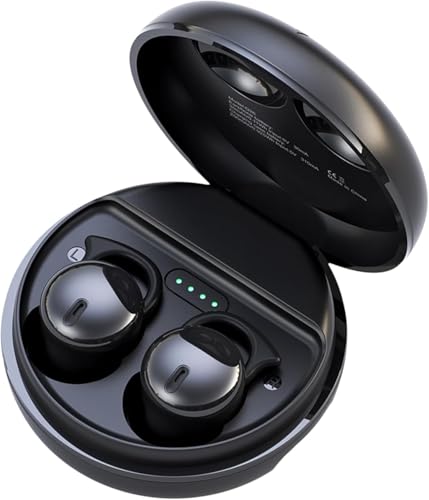
- Very small earbuds with soft silicone tips
- Sleep mode disables buttons to prevent accidental touches
- Bluetooth 5.3 with 6–8 hour battery life
Best For: Users wanting tiny earbuds with button lockout for sleep
Washable Bluetooth Headbands

- Stretchy breathable headband with thin speakers
- Machine washable after removing control pod
- Two-pack with up to 12 hours of playtime
Best For: Households wanting a washable headband and a convenient two-pack
Headband Comfort Pick
MUSICOZY Bluetooth 5.4 Sleep Headphones

- 2-in-1 headband and headphones
- Up to 14 hours of playback
- Soft, breathable spandex-nylon fabric
Best For: Users who want a comfortable headband for sleep and relaxation
3-in-1 Sleep Mask Pick
LC-dolida 3D Bluetooth Eye Mask

- 3-in-1 mask with built-in speakers
- 8-10 hours of playtime
- 3D contoured design with soft fabric
Best For: Users wanting a contoured mask with built-in audio for overnight use
Butterfly Comfort Pick
LC-dolida Bluetooth Sleep Headband

- 3-in-1 headband, sleep mask, and sleep headphones
- Thin speakers and soft fabric for comfortable wear
- Bluetooth 5.4 with 15+ hours of playback
Best For: Soft, headband-style nighttime listening and travel
Side Sleeper Blackout Pick

- Blocks most light for a darker sleep environment
- 3D contoured design helps avoid pressure on eyes and ears
- Memory foam and ultra-thin speakers for comfort
Best For: Side sleepers who want blackout comfort with audio
Long-Play Mesh Pick
Perytong Bluetooth Sleep Headband

- Ultra-thin speakers designed for side sleepers
- Breathable, stretchy, and machine washable
- More than 12 hours of battery life
Best For: Routine bedtime, naps, and travel with easy care
Premium Noise-Masking Earbuds – Ozlo Sleepbuds 2
If you’re looking for sleep headphones for dementia patients, the most practical choice is usually a low-profile design that stays comfortable through the night and keeps outside noise from becoming disruptive. Ozlo Sleepbuds 2 are tiny wireless earbuds built for sleeping, with sound masking instead of active noise-cancelling behavior, plus a private in-ear alarm and app-based sleep sound options.
Best For: Side sleepers who want compact earbuds, steady noise masking, and a gentle personal alarm.
Pros:
- Very small 1.6g earbuds sit flush and are made to stay put for side sleepers.
- Noise masking stays consistent for snoring, traffic, and other bedroom noise.
- Offers 50+ sleep sounds, streaming over Bluetooth, and a sleep timer.
- Up to 14 hours of battery life supports all-night use.
Cons:
- Requires app use for insights and some controls.
- Earbud-style fit may not suit users who dislike anything in the ear.
For caregivers and families, this is a strong option when the goal is minimizing nighttime disturbance without bulky hardware. The combination of secure fit, masking audio, and a gentle alarm makes it especially practical for repeated overnight use.
Budget Headband Duo – Thin-Speaker Sleep Headphones
When comparing sleep headphones for dementia patients, headband styles can be appealing because they avoid pressure on the ears and are simple to wear. This 2-pack sleeping headphone set uses thin built-in speakers inside a Bluetooth headband, giving you a soft, adjustable option for bedtime audio, relaxation, or travel.
Best For: Users who want a soft headband design, long battery life, and a two-pack value.
Pros:
- Headband design keeps pressure off the ears when lying down.
- Over 14 hours of playback can last through the night.
- Breathable polyester/spandex material is stretchy and lightweight.
- Two-pack includes extra speakers and accessories for shared or backup use.
Cons:
- Speakers must be positioned correctly for the best sound.
- Bulkier than tiny earbuds for users who prefer the least visible option.
This is a practical pick if comfort and ease of wear matter more than a minimal footprint. The soft headband format may also feel less intrusive for users who do not like in-ear devices.
Invisible Side-Sleeper Earbuds – Q26S Sleep Headphones
For shoppers evaluating sleep headphones for dementia patients, a small, simple earbud design may be useful when you want minimal bulk and a secure fit. These invisible sleep earbuds are designed for side sleepers, use soft silicone eartips and caps, and include a sleep mode that disables the physical buttons to reduce accidental touches.
Best For: People who want very small earbuds, side-sleeper comfort, and button lockout in sleep mode.
Pros:
- Small, discreet earbuds are designed to sit comfortably for sleeping.
- Sleep mode disables buttons to help avoid accidental presses.
- Soft silicone eartips and caps are made for side-sleeper comfort.
- Bluetooth 5.3 and waterproofing add flexibility for everyday use.
Cons:
- Battery life is listed at 6 to 8 hours, which is shorter than some alternatives.
- In-ear fit may not be ideal for users who prefer a headband style.
This model is best viewed as a compact, feature-light option for nighttime listening. The sleep mode and small footprint are useful benefits, but the shorter battery runtime may matter for all-night use.
Washable Bluetooth Headbands – Perytong Sleep Headphones
If you’re comparing sleep headphones for dementia patients, a soft headband can be a straightforward way to deliver audio without inserting earbuds. The Perytong 2-pack uses ultra-thin stereo speakers inside a stretchy, washable Bluetooth headband, making it a simple choice for sleep, travel, yoga, or relaxation.
Best For: Buyers who want a washable headband design, easy Bluetooth pairing, and a multi-pack.
Pros:
- Comfortable nylon/spandex headband is breathable and stretchable.
- Machine washable once the control pod is removed.
- Up to 12 hours of playback supports overnight listening.
- Two-pack is useful for sharing or keeping a backup unit.
Cons:
- Battery life is shorter than some other sleep-focused models.
- Sound comes from thin speakers in the band, not earbuds, so the fit is different.
This is a sensible pick if you want a soft, low-fuss sleep audio option that is easy to maintain. The washable build and included second unit make it especially practical for households that like backups or shared use.
Zero-Pressure Sleep Mask Pick – Sleep Headphones Bluetooth 6.0
If you’re comparing sleep headphones for dementia patients, this Bluetooth sleep mask is built around comfort and blocking out distractions. The zero-eye-pressure design, deep V-shaped nose bridge, and adjustable Velcro strap help it stay in place through the night, while the built-in speakers let the user listen to music, podcasts, or white noise without extra earbuds.
Best For: Side sleepers who want a soft, light-blocking sleep mask with long battery life.
Pros:
- Over 20 hours of playback on a single charge
- Bluetooth 6.0 for stable wireless connection within about 33 feet
- 99% light blocking with a zero-pressure eye area
- Adjustable Velcro strap and washable fabric
Cons:
- Requires the speaker position to be adjusted for clearer sound
- Best used with a 5V/1A charger, not a high-voltage one
Overall, this is a practical pick if you want a sleep mask style solution that combines darkness, comfort, and all-night audio. The long runtime and secure fit are the standout benefits for overnight use.
Headband Comfort Pick – MUSICOZY Bluetooth 5.4 Sleep Headphones
For shoppers looking at sleep headphones for dementia patients, this headband-style option keeps things simple and low-profile. The stretchy spandex-nylon fabric is meant to feel soft and breathable, and the integrated Bluetooth headphones let the wearer listen to music, relaxation tracks, or audiobooks without separate earbuds.
Best For: People who prefer a soft headband fit for sleep, relaxing, or quiet listening.
Pros:
- 2-in-1 headband and Bluetooth headphone design
- Bluetooth 5.4 with stable, fast connection
- Up to 14 hours of playback or talk time
- Soft, breathable spandex-nylon fabric
Cons:
- Does not block light like a sleep mask
- Battery life is shorter than some mask-style competitors
This is a good choice if the priority is a comfortable wearable audio solution rather than full light blocking. It’s also versatile enough for daytime relaxation and light activity, not just bedtime.
3-in-1 Sleep Mask Pick – LC-dolida 3D Bluetooth Eye Mask
If you need sleep headphones for dementia patients and want an all-in-one design, this 3-in-1 sleep mask combines an eye mask and wireless speakers in one wearable. Its 3D contoured shape, adjustable strap, and soft memory-foam build are designed for a more comfortable fit, while the Bluetooth 5.4 connection supports easy pairing with compatible devices.
Best For: Anyone who wants a contoured sleep mask with built-in audio and solid overnight runtime.
Pros:
- 3-in-1 design with sleep mask and built-in wireless speakers
- Bluetooth 5.4 with up to about 45 feet of range
- 8-10 hours of playtime for overnight use
- 3D contoured eye area with soft, breathable fabric
Cons:
- Speakers may need repositioning for clearer sound
- Battery life is shorter than the longest-running options
As a practical round-the-clock sleep aid, this model stands out for combining light blocking, comfort, and built-in audio in one package. It’s a balanced option if you want a mask that’s easier to wear than separate headphones.
Butterfly Comfort Pick – LC-dolida Bluetooth Sleep Headband
If you want sleep headphones for dementia patients that are simple to wear and less likely to feel intrusive, this LC-dolida headband is built around soft, side-sleeper-friendly comfort. It combines Bluetooth audio, a built-in microphone, and a light-blocking 3-in-1 design, which may help create a calmer bedtime routine without the pressure of traditional earbuds.
Best For: Gentle all-in-one use at bedtime, travel, or quiet listening when a soft headband style is preferred.
Pros:
- 3-in-1 design works as sleep headphones, sleep mask, and sports headband
- Thin speakers and soft fabric aim to stay comfortable for side sleeping
- Bluetooth 5.4 and microphone support hands-free calls and audio
- Quick charging and 15+ hours of playback reduce frequent recharging
Cons:
- No active noise control is listed
- Not water resistant
- Best suited to users comfortable with a headband-style fit rather than earbuds
This is a practical option if your priority is simplicity, comfort, and a familiar fabric headband feel. The washability and long battery life add convenience for regular use, but it is still best viewed as a soft audio aid rather than a medical device.
Side Sleeper Blackout Pick – MUSICOZY Bluetooth Sleep Mask
For shoppers comparing sleep headphones for dementia patients, this MUSICOZY sleep mask stands out because it focuses on darkness, softness, and a low-pressure fit. The contoured 3D shape and memory foam construction are designed to avoid eye pressure, while the ultra-thin speakers let you play calming audio without bulky earbuds.
Best For: Side sleepers who need a blackout mask with built-in audio and a gentle, cushioned feel.
Pros:
- Effective blackout design helps block most light
- 3D contoured shape creates space for eyes and ears
- Memory foam and soft materials are made for all-night comfort
- Bluetooth 5.4 and quick charging support easy wireless use
Cons:
- Uses button control, which may not suit every user
- Best if the wearer is comfortable with a mask-style product
- Audio quality is described as clear and rich, but it is still a sleep-focused design rather than a full headphone setup
This is a strong pick if you want a combination of light blocking and wireless audio in one simple product. Its comfort-first design makes it especially appealing for people who lie on their side and want a softer alternative to earbuds.
Long-Play Mesh Pick – Perytong Bluetooth Sleep Headband
If you need sleep headphones for dementia patients that are easy to wear, breathable, and built for long sessions, the Perytong headband is a solid everyday-style option. It uses ultra-thin speakers inside a soft mesh band, so the audio stays out of the ears while the stretchy, washable material aims to keep things comfortable and low-fuss.
Best For: Longer bedtime, nap, travel, or relaxation use when breathability and washable materials matter.
Pros:
- Ultra-thin speakers sit inside the headband for side-sleeper comfort
- Breathable mesh lining and stretchable fabric suit repeated wear
- More than 12 hours of service time supports extended use
- Machine washable after removing the control pod
Cons:
- No noise control feature is listed
- Battery life is shorter than some comparable headband models
- Best for users who are comfortable with a fabric headband rather than a traditional headset
Overall, this Perytong model is a practical, straightforward choice if you want a soft Bluetooth headband with easy care. Its breathable construction and long runtime make it a good fit for routine use, especially when comfort is more important than advanced features.
How We Picked These Sleep Headphones for Dementia Patients
We prioritized comfort in bed, thin or soft materials, and designs that minimize pressure when lying on the side. We also looked at battery life, ease of use, and whether the product seems suitable for overnight listening or noise masking.
Because Sleep Headphones for Dementia Patients are often used in sensitive care settings, we gave extra weight to simple controls, stable fit, and options that are less likely to tangle or shift during sleep.
Quick Comparison: What Matters Most
The main tradeoff is usually between earbuds and headband or sleep-mask styles. Earbud-style models can be more discreet and low-profile, while headband and mask designs may feel softer and easier to tolerate for extended wear. Noise masking, not just music playback, can also be helpful when nighttime sounds are disruptive.
Key Buying Factors for Sleep Headphones for Dementia Patients
Comfort and Pressure Points
Look for thin speakers, soft fabric, and a profile that won’t create pressure against the ears or temples. If the user sleeps on their side, a flatter design is usually safer and more comfortable.
Ease of Use
Simple button layouts, clear pairing steps, and straightforward charging matter more than advanced features. For caregivers, the best choice is often the one that takes the fewest steps to start and stop.
Battery Life and Reliability
Long playback time reduces the chance of overnight shutdowns. Stable Bluetooth connection and dependable controls are especially important if the headphones are used as part of a bedtime routine.
Fit, Washability, and Safety
Adjustable bands, removable electronics, and washable fabric can improve daily use. Avoid anything overly tight, overly heavy, or difficult to remove quickly.
Who Should Buy Which Sleep Headphones for Dementia Patients?
If comfort and minimal pressure are the top priority, choose low-profile earbuds or ultra-thin speaker designs. If the goal is a softer, more enclosed feel, a headband or sleep mask may be better. For caregivers managing nighttime noise, models with stronger noise-masking potential and long battery life are often the best fit.
In short, the best Sleep Headphones for Dementia Patients are the ones that are easiest to wear, simplest to operate, and least likely to interrupt rest.