
When video timelines are tight, your storage workflow needs to be fast, simple, and dependable. The best duplicators can clone drives offline, reduce downtime, and help protect footage during backups or system swaps.
This roundup focuses on hard drive duplicators for video editing that balance speed, capacity, and ease of use for editors working with large SATA, SSD, and NVMe libraries.
Best 10 Hard Drive Duplicators for Video Editing Picks for 2026
Budget Dual-Bay Cloner
SABRENT USB 3.0 Dual Bay Hard Drive Docking Station & Cloner
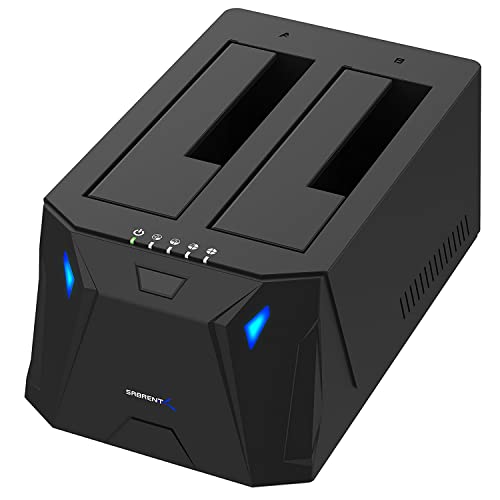
- Dual-bay dock for 2.5-inch/3.5-inch SATA HDDs and SSDs
- Offline cloning with plug-and-play setup
- USB 3.0 speeds up to 5Gbps; supports drives up to 10TB
Best For: Editors wanting a simple, affordable clone-and-dock setup
Pro Sector-by-Sector Duplicator
StarTech Dual-Bay SATA Duplicator Dock
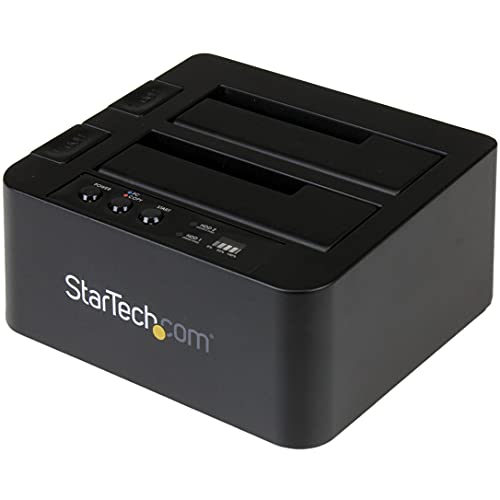
- Standalone sector-by-sector cloning with no PC required
- Supports 2.5-inch/3.5-inch SATA HDDs and SSDs of any capacity
- Tool-less dock with USB 3.2 Gen 2 host support
Best For: Professional users who want precise standalone cloning
High-Capacity 5-Bay Cloner
ORICO USB C 5 Bay Hard Drive Docking Station

- 1:4 offline cloning without a computer
- Supports up to 5 x 20TB SATA drives
- Aluminum alloy vertical design with anti-vibration pads
Best For: Large media workflows that need multi-drive cloning
Simple USB-C Clone Dock
BENFEI Hard Drive Docking Station with UASP Offline Clone Function

- Dual-bay dock for two HDDs or SSDs
- One-button offline cloning without a PC
- USB 3.1 Gen 1 with UASP up to 5Gbps
Best For: Editors seeking a simple, USB-C cloning dock
IT-Grade 4-Bay Cloning & Erasing

- Standalone cloning and erasing
- Supports SATA plus IDE adapters
- Up to 4.2 GB/min duplication
Best For: Editors and IT users needing a versatile dock/cloner for SATA and legacy IDE drives
Simple Dual-Bay Offline Cloner

- One-touch offline cloning
- Dual bays mount as separate drives
- Supports 2.5in and 3.5in SATA drives
Best For: Editors who want a simple SATA-only cloner with USB-C docking
Versatile Triple-Bay NVMe Cloner
ICY BOX 10Gbps Triple-Bay Dock

- One-touch offline cloning
- Supports NVMe and SATA drives
- Three bays with up to 10Gbps USB-C
Best For: Editors working with both NVMe and SATA drives across mixed systems
Offline Cloning Dock
ORICO Dual Bay SATA HDD Cloner

- Offline clone function works without a PC
- Supports 2.5/3.5-inch SATA HDDs and SSDs
- Up to 44TB total capacity with USB 3.0
Best For: Editors who need an easy dual-bay SATA duplicator for backups and drive migration
Triple-Bay Speed Dock

- Handles M.2 NVMe, SATA SSDs, and HDDs
- Offline cloning without a host computer
- USB 3.2 Gen 2x1 up to 10Gbps
Best For: Editors who need a single dock for mixed NVMe and SATA workflows
High-Capacity SATA Duplicator

- One-key offline cloning without a PC
- Up to 40TB total SATA capacity
- USB-C 5Gbps with LED clone progress
Best For: Editors who need a simple USB-C SATA duplicator for large media libraries
Budget Dual-Bay Cloner – SABRENT USB 3.0 Dual Bay Hard Drive Docking Station & Cloner
If you want hard drive duplicators for video editing that keep things simple, this SABRENT dual-bay dock is a straightforward pick. It handles 2.5-inch and 3.5-inch SATA HDDs or SSDs, works plug and play without drivers, and offers offline cloning for quick drive-to-drive copying.
Best For: Editors who want an affordable dual-bay dock for basic cloning, drive access, and SSD/HDD compatibility.
Pros:
- Supports standard 2.5-inch and 3.5-inch SATA hard drives and SSDs
- Offline cloning works without a computer
- USB 3.0 transfer speeds up to 5Gbps
- Supports drives up to 10TB each, with 20TB total capacity listed
Cons:
- Offline clone speed is listed at up to 60Mbps, which is modest for large jobs
- Limited to two drives at once
For editors who mainly need a simple dock for backups, transfers, or occasional duplication, this model covers the essentials without extra complexity. It is a practical entry-level option, especially if you want both drive access and standalone cloning in one unit.
Pro Sector-by-Sector Duplicator – StarTech Dual-Bay SATA Duplicator Dock
Among hard drive duplicators for video editing, this StarTech dock is built for users who care about exact copies and fast workflow. It clones 2.5-inch and 3.5-inch SATA drives without a computer, and the sector-by-sector mode copies the entire disk, including empty sectors.
Best For: IT-minded editors and studios that need no-PC cloning and broad SATA drive support.
Pros:
- Standalone cloning with no computer required
- Sector-by-sector copying preserves the entire drive layout
- Works with 2.5-inch/3.5-inch SATA HDDs and SSDs of any capacity
- Optional USB 3.2 Gen 2 host connection and tool-less design
Cons:
- Target disk must be equal to or larger than the source disk
- IDE support requires a separate adapter
This is a strong fit when reliability matters more than frills. The combination of standalone cloning, fast advertised duplication, and support materials for professionals makes it a solid choice for organized post-production workflows.
High-Capacity 5-Bay Cloner – ORICO USB C 5 Bay Hard Drive Docking Station
If your video editing work depends on large archives and multi-drive duplication, this ORICO model stands out for capacity. It supports a 1:4 offline clone function, so you can copy one source drive to four targets without a computer, while also handling up to five 20TB drives for a large storage pool.
Best For: Editors and photographers who need high-capacity storage and multi-target offline cloning.
Pros:
- 1:4 offline cloning can duplicate one drive to four copies
- Supports 2.5-inch and 3.5-inch SATA HDDs and SSDs
- Up to 5 x 20TB capacity for large media libraries
- Aluminum alloy build with vertical design and anti-vibration pads
Cons:
- Only one supported device is listed in the supplied specs
- Heavier, more station-like design than a simple dual-bay dock
For users managing lots of footage, this dock is about scale and convenience. The multi-copy cloning feature and substantial drive capacity make it especially useful when a project needs several identical backups or working copies.
Simple USB-C Clone Dock – BENFEI Hard Drive Docking Station with UASP Offline Clone Function
For hard drive duplicators for video editing that focus on ease of use, this BENFEI dual-bay dock keeps the process direct. It supports two 2.5-inch or 3.5-inch HDDs or SSDs, includes one-button offline cloning, and uses UASP for faster USB 3.1 Gen 1 transfers up to 5Gbps.
Best For: Editors who want a simple USB-C dual-bay dock for fast transfers and no-PC cloning.
Pros:
- Dual-bay operation lets you read, write, and transfer between two drives
- One-button offline clone function does not require a computer
- UASP support and USB 3.1 Gen 1 up to 5Gbps
- 12V/2.5A power adapter and power switch help support stable operation
Cons:
- Target drive must be equal to or larger than the source drive
- Limited to two drives at a time
This BENFEI dock is a sensible fit for editors who want a clean, low-hassle cloning station rather than a feature-heavy unit. Its mix of USB-C convenience, UASP support, and offline cloning makes it practical for everyday backups and drive swaps.
IT-Grade 4-Bay Cloning & Erasing – StarTech 4-Bay SATA Dock
If you need hard drive duplicators for video editing that can also handle drive maintenance, this StarTech 4-bay dock is built for standalone cloning, wiping, and quick disk access. It supports 2.5-inch and 3.5-inch SATA drives, includes IDE adapters, and offers sector-by-sector duplication without needing a host computer.
Best For: Editors, IT teams, and post-production users who want a standalone cloner plus dock for SATA and legacy IDE drives.
Pros:
- Standalone cloning and erasing with no computer required
- Supports 2.5/3.5-inch SATA drives and includes IDE cable adapters
- Up to 4.2 GB/min duplication with quick and secure erase modes
- USB 3.2 Gen 1 or eSATA host connection for drive access and file transfer
Cons:
- Target disk must be equal to or larger than the source disk
- Not a fit if you only need simple single-drive access
- Designed around SATA/IDE workflows rather than NVMe cloning
For teams handling large media libraries or rotating work drives, this model stands out because it combines cloning, sanitizing, and docking in one desktop unit. Its strengths are versatility and drive-wiping support, not ultra-compact portability.
Simple Dual-Bay Offline Cloner – SABRENT USB-C SATA Dock
For hard drive duplicators for video editing where speed and simplicity matter more than extra drive formats, this SABRENT dual-bay dock keeps the workflow straightforward. It clones one SATA drive to another offline with a button press, and when connected to a computer it mounts both drives for file movement and general access.
Best For: Editors who want a no-software, two-drive SATA cloner for quick drive-to-drive copies.
Pros:
- Offline one-touch cloning with no computer needed
- Dual bays can mount as separate drives over USB-C
- Hot-swappable and tool-free for fast drive changes
- Supports 2.5-inch and 3.5-inch SATA HDDs and SSDs
Cons:
- Does not support IDE/PATA, M.2, or NVMe drives
- Offline cloning runs up to 60MBps by design
- Target drive must be the same size as the source or larger
This is a practical pick if your editing setup mostly relies on SATA media drives and you want a simple cloning dock without driver hassles. Its appeal is in easy workflow and USB-C convenience, not broad storage compatibility.
Versatile Triple-Bay NVMe Cloner – ICY BOX 10Gbps Triple-Bay Dock
If your workflow mixes NVMe and SATA, this ICY BOX unit is one of the more flexible hard drive duplicators for video editing. It offers one-touch offline cloning, supports multiple drive types, and gives you three independent bays for handling different media and storage tasks from a single dock.
Best For: Editors who need a multi-format cloner for NVMe and SATA drives in mixed environments.
Pros:
- One-touch offline cloning with no software setup
- Supports M.2 PCIe NVMe SSDs plus 2.5/3.5-inch SATA SSDs and HDDs
- Three independent slots for connecting multiple drives at once
- USB 3.2 Gen 2 with transfer speeds up to 10 Gbps
Cons:
- More complex than a basic two-bay SATA cloner
- Best fit for users who actually need NVMe support
- Drive compatibility is broader, but that also means more variables to manage
This dock is the strongest match when your editing and storage setup spans different drive standards. It trades simplicity for flexibility, which makes it especially useful in mixed PC and Mac environments.
Offline Cloning Dock – ORICO Dual Bay SATA HDD Cloner
For video editing workflows, hard drive duplicators for video editing need to move large SATA libraries quickly and without hassle. This ORICO dual-bay dock supports offline cloning, 2.5/3.5-inch SATA HDDs and SSDs, and up to 44TB total capacity, making it a practical pick for copying source media, backup drives, or project archives without launching software.
Best For: Editors who want a simple dual-bay SATA dock with standalone clone capability for backups and drive swaps.
Pros:
- Offline clone function works without connecting to a computer.
- Supports 2.5-inch and 3.5-inch SATA HDDs and SSDs up to 44TB total.
- USB 3.0 with UASP and TRIM support for faster transfers and SSD handling.
- Dust-proof cover, anti-skid pad, and LED status indicators add day-to-day convenience.
Cons:
- Target disk must be larger than the source disk for cloning.
- Only supports SATA drives, not M.2 NVMe.
- No hardware details suggesting speeds beyond USB 3.0’s 5Gbps range.
Overall, this is a straightforward choice if you mainly need a dependable SATA duplicator for footage backup and drive migration rather than a multi-format workstation tool.
Triple-Bay Speed Dock – Rosewill NVMe & SATA Cloner
When you need hard drive duplicators for video editing that can handle both modern NVMe project drives and older SATA storage, this Rosewill triple-bay dock is unusually flexible. It combines offline cloning, tool-free drive access, and USB 3.2 Gen 2 speeds up to 10Gbps, so it fits workflows that involve fast media transfer and quick drive duplication.
Best For: Editors who want one dock for NVMe SSDs, SATA SSDs, and 2.5/3.5-inch HDDs.
Pros:
- Supports M.2 NVMe SSDs plus 2.5-inch and 3.5-inch HDDs/SSDs.
- Offline cloning lets you duplicate drives without a host computer.
- USB 3.2 Gen 2×1 delivers up to 10Gbps transfer speeds.
- Tool-free design makes swapping drives quick and simple.
Cons:
- More of a multi-format dock than a dedicated high-capacity SATA duplicator.
- Only one-year warranty is listed in the supplied details.
- Compact plastic build may feel less rugged than heavier metal units.
This is the most versatile option here if your editing setup uses a mix of NVMe and SATA media and you want a single box for both cloning and everyday file access.
High-Capacity SATA Duplicator – Dual Bay USB-C Clone Dock
For hard drive duplicators for video editing, the main priorities are simple cloning, stable transfers, and enough capacity for big footage libraries. This dual-bay SATA dock offers one-key offline cloning, USB-C 5Gbps connectivity, and support for up to 40TB total storage, making it a solid fit for managing project drives, backups, and archive copies.
Best For: Editors who want a USB-C dual-bay SATA duplicator with easy standalone cloning and large-capacity support.
Pros:
- One-key offline clone mode works without a computer.
- Supports 2.5-inch and 3.5-inch SATA drives up to 40TB total.
- USB 3.2 Gen1 5Gbps connection with RTL9201DP bridge chip.
- LED progress bar helps track clone status at a glance.
Cons:
- Transfer speed is 5Gbps, so it is not the fastest option in this roundup.
- Only supports SATA drives, not M.2 NVMe.
- Requires the target disk to be large enough for the source during cloning.
It is a practical pick if you value dependable standalone cloning and high-capacity SATA support more than top-end transfer speed or multi-format drive compatibility.
How We Picked the Best Hard Drive Duplicators for Video Editing
We prioritized real-world editing needs: fast cloning, support for common drive types, stable offline duplication, and easy dock-and-go operation. For post-production, a good duplicator should handle frequent ingest, backup, and drive migration without slowing the studio down.
We also looked at bay count, interface speed, compatibility with 2.5-inch and 3.5-inch drives, SSD support, and whether the unit can work as a dock as well as a standalone cloner.
Quick Comparison: What Matters Most
In a busy edit bay, the best choice is not always the fastest on paper. Single-source-to-target units are usually best for simple backups, while multi-bay models are better for larger libraries, duplicate delivery drives, or shared team workflows. USB-C and 10Gbps connections are helpful for modern systems, but offline cloning can matter more than host speed when you just need a direct copy.
Key Buying Factors for Hard Drive Duplicators for Video Editing
Drive Type Support
Make sure the unit supports the media you actually use, whether that is SATA HDDs, SATA SSDs, M.2 NVMe drives, or a mix. Editors who move projects between workstations often benefit from broader compatibility.
Clone Speed and Workflow
Higher duplication speeds can save meaningful time when copying large footage libraries. Still, the most useful speed is the one the duplicator can sustain reliably across full drives.
Bay Count and Capacity
Two-bay models work well for straightforward mirror copies and migrations. Triple- and four-bay units are better if you regularly duplicate multiple archive or delivery drives at once.
Connectivity and Standalone Use
USB-C, USB 3.2, and eSATA are useful for docking and file access, but standalone offline clone mode is a major advantage for editors who want to copy drives without tying up a workstation.
Build Quality and Ease of Use
Tool-free trays, clear status indicators, and stable drive seating matter more than flashy extras. In editing environments, a duplicator should be easy to load, hard to misread, and dependable under frequent use.
Who Should Buy Which Hard Drive Duplicators for Video Editing?
If you need a simple backup and migration tool, a dual-bay SATA dock is usually enough. If you manage multiple project drives, shared media, or archive copies, choose a higher-capacity multi-bay model. Editors working with NVMe scratch disks or newer hybrid storage setups should consider a cloner that supports both NVMe and SATA so it can adapt as their workflow changes.
For most buyers comparing Hard Drive Duplicators for Video Editing, the best option is the one that matches your drive format, typical clone volume, and how often you need to copy without a computer.