
Choosing the right microphone preamp for podcasting can make a bigger difference than most creators expect. The right model helps low-output mics sound fuller, cleaner, and easier to record without pushing your interface into noisy territory.
Below, we focus on preamps and gain boosters that suit real podcast workflows, from simple solo setups to multi-input and mobile recording rigs.
Best 10 Microphone Preamp for Podcasting Picks for 2026
Mic Gain Booster
Cloudlifter CL-1 Mic Activator

- Adds up to +25dB clean gain
- Keeps phantom power off the mic
- Built for podcasts and live streams
Best For: Cleanly boosting passive dynamic or ribbon mics for podcasting
Portable Audio Interface
M-AUDIO M-Track Duo USB Audio Interface
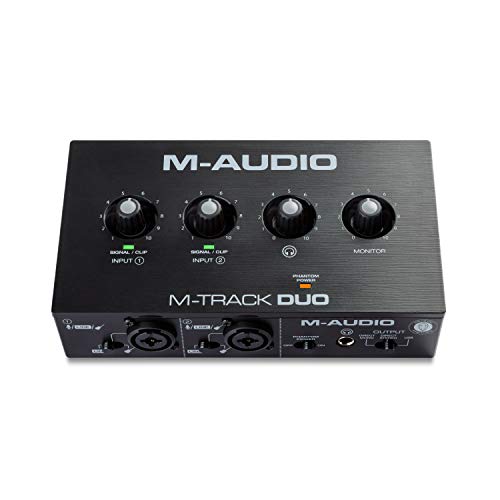
- Two combo XLR/line/instrument inputs
- Transparent Crystal Preamps for mics
- Zero-latency monitoring switch
Best For: Simple two-input podcast recording with built-in monitoring
Dual-Channel Booster

- Dual-channel +25dB gain boost
- Ultra-low-noise transparent design
- Runs on 48V phantom power
Best For: Two-mic podcast rigs using dynamic or passive ribbon mics
Compact Recording Interface
Focusrite Scarlett Solo 3rd Gen
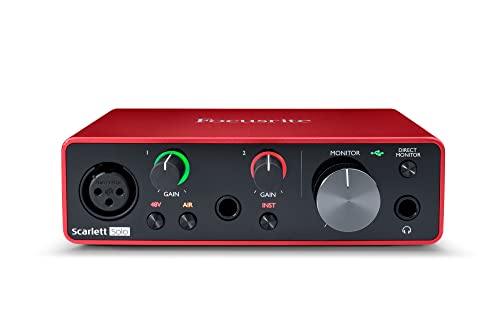
- High-performance mic preamps
- Switchable Air mode adds clarity
- Records up to 24-bit/192kHz
Best For: Solo podcast recording with a compact, polished interface
Compact Clean-Gain Pick
Microphone Preamp for Vocal, 48V Power XLR Output

- 20dB balanced gain for transparent boost
- 48V power supports dynamic and condenser mics
- Compact metal case with low-noise design
Best For: Podcasters wanting a simple, portable preamp with clean gain
Mobile Podcasting Pick
iRig Pre 2 Mic Preamp Adapter Interface
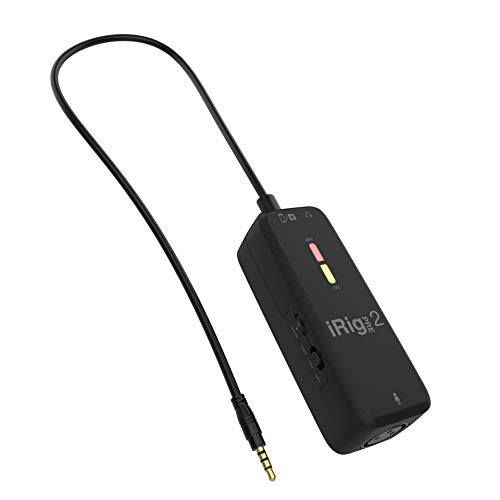
- True +48V phantom power for multiple mic types
- Headphone output for direct zero-latency monitoring
- Works with phones, tablets, DSLR cameras, and apps
Best For: Mobile podcasters who need XLR mic support on phones and tablets
High-Gain Low-Noise Choice
66dB Gain Mic Preamp with Type-C Power

- 19–66dB gain designed for real-world use
- Claimed -120dB EIN for ultra-low noise
- XLR/TRS/TS outputs with Type-C power input
Best For: Budget-conscious podcasters needing extra gain and low noise
Dynamic Mic Booster
StudioMan DPM1 XLR Preamp for Podcasters

- +29dB gain for dynamic and ribbon mics
- Aims to reduce hiss by boosting signal at the source
- Metal housing helps with durability and interference shielding
Best For: Podcasters using dynamic mics who need a simple clean gain boost
Versatile Gain Booster
3-Input Mic Preamp with 48V Power
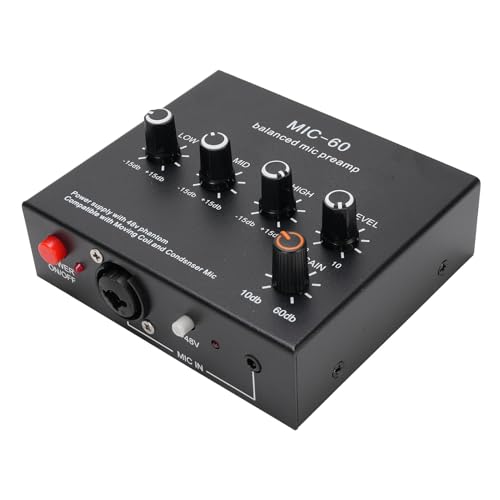
- Up to +60dB gain for clearer mic levels
- Supports dynamic and condenser mics with 48V power
- Multiple outputs: XLR balanced, 3.5mm, and 6.35mm
Best For: Podcasters who want a flexible preamp for recording and streaming
High-Gain Preamp
XTUGA XIC1 for Dynamic and Condenser Mics

- Up to +75dB clean gain
- Dual-channel inputs for two microphones
- Multiple outputs for interfaces and streaming devices
Best For: Podcasters needing high gain and dual-mic flexibility
Mic Gain Booster – Cloudlifter CL-1 Mic Activator
If you need a microphone preamp for podcasting that lifts a quiet dynamic or ribbon mic without adding extra noise, the Cloudlifter CL-1 is a straightforward way to get more usable level into your chain. It uses phantom power to add up to +25dB of clean gain while keeping phantom power off the mic itself, which makes it a practical fit for spoken-word setups that need clarity and headroom.
Best For: Podcasters, streamers, and radio-style creators using passive mics that need a cleaner signal boost.
Pros:
- Adds up to +25dB of gain to passive microphones using phantom power
- Helps improve clarity while reducing unwanted noise and feedback
- Compatible with passive ribbons, tube, battery, and power-supply-driven microphones
- Designed to integrate easily with preamps, live streaming, and podcast setups
Cons:
- Only boosts passive mics rather than replacing a full audio interface preamp
- Relies on phantom power from the connected gear to operate
For creators who already like their microphone but want more level and less hiss, the CL-1 is a focused solution. It is less of an all-in-one interface and more of a clean gain helper for demanding podcast chains.
Portable Audio Interface – M-AUDIO M-Track Duo USB Audio Interface
If you want a microphone preamp for podcasting that also works as a compact recording interface, the M-AUDIO M-Track Duo gives you two combo inputs, transparent Crystal Preamps, and zero-latency monitoring. It is a practical pick for beginners or mobile creators who want one box for recording voice, instruments, and live streams.
Best For: Podcasters who want a simple USB interface with two inputs and built-in monitoring.
Pros:
- Two combo XLR/line/instrument inputs with phantom power
- Transparent Crystal Preamps for microphones, including condenser mics
- USB/Direct switch for zero-latency monitoring
- Includes software for recording, streaming, and podcasting
Cons:
- Max sample rate is 48kHz, which is lower than some higher-end interfaces
- Only two channels, so it is not ideal for larger multi-mic sessions
This is a flexible entry-level interface rather than a specialized gain booster. If your podcast setup needs basic preamp functionality plus monitoring and software, it covers the essentials well.
Dual-Channel Booster – StudioMan CL-200 XLR Preamp
For a microphone preamp for podcasting that focuses on clean gain, the StudioMan CL-200 is built to raise weak dynamic or passive ribbon signals by +25dB. Its dual-channel layout and low-noise design make it a practical option when you want stronger voice levels without pushing your main interface gain into noisy territory.
Best For: Dual-mic podcast setups that need clean, transparent gain from passive microphones.
Pros:
- Dual-channel design with +25dB clean gain boost
- Very low-noise, transparent sound with low distortion
- Powered by 48V phantom power from your interface or mixer
- Balanced XLR I/O supports long cable runs after the booster
Cons:
- Not compatible with condenser microphones
- Requires 48V phantom power to operate
- Works best with a short mic-to-booster cable run
If your podcasting setup uses dynamic or ribbon mics and you want a clean signal lift for two channels, the CL-200 is clearly aimed at that job. It is a utility preamp-style booster, not a general-purpose interface.
Compact Recording Interface – Focusrite Scarlett Solo 3rd Gen
The Focusrite Scarlett Solo 3rd Gen is a strong microphone preamp for podcasting if you want a compact USB-C interface with polished mic inputs and simple monitoring. Its high-performing preamps, switchable Air mode, and high-headroom design make it a solid everyday choice for voice recording and basic music work.
Best For: Solo podcasters and creators who want a compact interface with a quality mic preamp.
Pros:
- High-performance mic preamps with a brighter recording character
- Switchable Air mode adds extra clarity
- Gain halos help avoid clipping and distortion
- Records up to 24-bit/192kHz with low-noise balanced outputs
Cons:
- Only one mic input, so it is not built for multi-host podcasting
- Best suited to a simple solo setup rather than a larger studio chain
For a one-mic podcast desk, the Scarlett Solo balances ease of use with proven preamp quality. It is a better all-in-one interface than a dedicated mic booster, especially if you also want playback and instrument input options.
Compact Clean-Gain Pick – Microphone Preamp for Vocal, 48V Power XLR Output
If you need a microphone preamp for podcasting that keeps the signal simple and clean, this compact model is built around balanced amplification and low-noise operation. It adds up to 20dB of clean gain, includes 48V power, and is aimed at home studios, live streaming, and recording setups where you want transparent boost without extra coloration.
Best For: Podcasters who want a lightweight, low-noise preamp for dynamic or condenser mics in a small studio or streaming setup.
Pros:
- 20dB gain with balanced amplification for clean, transparent boosting
- Includes 48V power for use with dynamic and condenser microphones
- Fully balanced circuit design aims for ultra-low noise and minimal coloration
- Compact black metal case is built for portability and helps reduce EMC interference
Cons:
- Gain is limited compared with higher-output preamps
- Designed as a simple booster, so it may not suit users needing more advanced controls
- Best fit is mainly for straightforward podcasting and recording use
This is a practical pick if your priority is clean gain in a small, rugged package. It focuses on low noise and compatibility rather than extra features, which makes it a sensible choice for straightforward podcasting chains.
Mobile Podcasting Pick – iRig Pre 2 Mic Preamp Adapter Interface
For creators who want a microphone preamp for podcasting on a phone, tablet, or camera, the iRig Pre 2 is built around portability and direct monitoring. It offers true +48V phantom power, adjustable gain, and a headphone output, so you can connect XLR microphones and monitor in real time while working in common apps.
Best For: Mobile podcasters who want an easy way to connect XLR mics to phones, tablets, or DSLR cameras.
Pros:
- XLR input with true +48V phantom power for dynamic, condenser, or ribbon mics
- Adjustable gain for recording, performance, broadcast, and podcasting
- Headphone jack enables direct monitoring with no latency or echo
- Compatible with iPhone, iPad, Android, DSLR cameras, and many apps
Cons:
- Built for mobile workflows rather than a full desktop studio chain
- Best suited to single-mic use and portable setups
- More of an adapter/interface than a feature-rich studio preamp
This is a strong fit when podcasting happens on the go and monitoring matters as much as sound quality. Its broad device support and headphone monitoring make it especially useful for mobile recording and streaming.
High-Gain Low-Noise Choice – 66dB Gain Mic Preamp with Type-C Power
If your microphone preamp for podcasting needs more gain and a quieter signal path, this upgraded RO03 model is aimed at exactly that use case. It offers 19 to 66dB of achievable gain, a claimed -120dB EIN noise figure, and XLR/TRS/TS line outputs, with the notes specifically recommending TRS line connection for the lowest noise.
Best For: Podcasters and streamers who want higher gain and very low noise on a budget, especially with low-output dynamic mics.
Pros:
- 19 to 66dB gain is designed for real-world use and higher-output needs
- Claimed -120dB EIN ultra-low-noise performance
- XLR/TRS/TS line out options add flexibility for different setups
- Type-C power input improves portability and compatibility
Cons:
- Input ports cannot be used simultaneously
- Noise performance depends on connection method, with TRS preferred over XLR into an interface
- More setup-sensitive than simpler plug-and-play boosters
This one stands out for users who want more usable gain without the noise problems common in cheaper boosters. The connection guidance is important, but if you follow it, this model is positioned as a practical low-budget option for cleaner podcast recordings.
Dynamic Mic Booster – StudioMan DPM1 XLR Preamp for Podcasters
If you need a microphone preamp for podcasting and you use a low-output dynamic mic, the StudioMan DPM1 is built to add clean gain right at the source. It is designed specifically for dynamic and ribbon microphones, and its +29dB boost can help reduce the need to push your interface preamp into noisy territory.
Best For: Podcasters and streamers using dynamic or ribbon microphones who want simple, plug-and-play gain support.
Pros:
- Provides a clean +29dB gain boost for dynamic and ribbon mics
- Helps improve signal-to-noise ratio for clearer podcast audio
- Rugged metal build adds durability and interference shielding
- Compact XLR adapter design is easy to place in an existing setup
Cons:
- Not for condenser microphones
- Requires 48V phantom power from the interface or mixer to operate
For creators trying to get more usable level from a quiet dynamic mic, this is a focused, straightforward solution. It is best when you already have the right mic type and want a cleaner boost without replacing your whole audio chain.
Versatile Gain Booster – 3-Input Mic Preamp with 48V Power
When you want a microphone preamp for podcasting that can handle more than one setup, this 3-input mic gain booster gives you a wide mix of output options. It offers up to +60dB of gain, 48V power, and support for both dynamic and condenser microphones, making it a flexible choice for home recording and live streaming.
Best For: Podcasters and streamers who want multiple input and output options in one compact preamp.
Pros:
- Up to +60dB of gain for dynamic microphone boosting
- Works with both dynamic and condenser mics with 48V power
- Offers XLR balanced, 3.5mm, and 6.35mm outputs
- Fully balanced circuit is designed for low noise and no coloration
Cons:
- More features may be than you need for a simple single-mic setup
- Compact black metal housing, but still another device to add to the chain
This is a practical pick if you want one preamp that can cover recording, mixing, and streaming needs. The combination of gain, power support, and multiple outputs makes it more adaptable than a basic inline booster.
High-Gain Preamp – XTUGA XIC1 for Dynamic and Condenser Mics
If your podcasting setup needs a stronger microphone preamp for podcasting, the XTUGA XIC1 is built around high gain and broad compatibility. It delivers up to +75dB of clean gain, supports both dynamic and condenser microphones, and includes output options that make it useful for interfaces and streaming devices.
Best For: Podcasters who want maximum gain and a preamp that can handle both dynamic and condenser mics.
Pros:
- Up to +75dB clean gain for low-output microphones
- Works with both dynamic and condenser mics, including 48V phantom power
- Dual-channel inputs support two mics at once
- XLR balanced, 3.5mm line, and 3.5mm mic outputs add flexibility
Cons:
- More specialized than a basic inline mic booster
- Extra output options may be unnecessary for minimal setups
For creators who want a more capable preamp with broad mic support, this model stands out for gain and connectivity. It is a strong option when your podcast setup needs room to grow without sacrificing low-noise operation.
How We Picked the Best Microphone Preamp for Podcasting
We prioritized clean gain, low self-noise, compatibility with dynamic and condenser microphones, and straightforward setup. For podcasting, a microphone preamp should solve a real problem: weak signal, insufficient gain, or poor audio clarity. We also looked at build quality, phantom power options, and whether each unit fits a home studio, portable setup, or interface-based recording chain.
Quick Comparison
If you want the simplest upgrade, inline gain boosters are often the easiest choice for dynamic mics. If you need recording flexibility, an audio interface with built-in preamps may be a better value. Mobile creators should consider compact adapter-style units, while podcasters using ribbon or low-output dynamic microphones will benefit most from higher-gain, low-noise designs.
Key Buying Factors for a Microphone Preamp for Podcasting
Gain Amount
Podcast microphones vary widely in output. Low-sensitivity dynamic mics usually need more clean gain than budget preamps can provide, so look for enough headroom to avoid cranking your interface to the noisy end of its range.
Noise Performance
A good preamp should raise volume without adding hiss, hum, or harshness. Noise specs matter most when you record quiet voices, edit heavily, or speak at a distance from the mic.
Phantom Power and Mic Support
Condenser microphones need 48V phantom power, while many dynamic and ribbon mics do not. Make sure the preamp supports the microphone type you use most often, and confirm that it will not interfere with your interface or recorder.
Connection Type and Workflow
XLR-only preamps are ideal for traditional studio setups, while USB interfaces add direct computer connectivity. If you record on phones, tablets, or cameras, compact adapters with flexible outputs may be the best fit.
Who Should Buy Which Microphone Preamp for Podcasting?
Solo podcasters with a single dynamic microphone should usually start with a clean inline gain booster or a simple interface. Creators building a desktop studio may prefer a two-channel preamp or interface for future expansion. Mobile journalists, video podcasters, and on-the-go interviewers should focus on lightweight units with broad device compatibility. If your current recordings sound thin or noisy, upgrading your preamp is often a more cost-effective step than replacing the microphone.