
A good microphone preamp can make a bigger difference than most beginners expect. The right one adds clean gain, improves signal strength, and helps your mic perform closer to its full potential.
In this roundup, we focus on 10 standout options for recording, streaming, podcasting, and live use, with attention to noise performance, gain, phantom power, and compatibility.
Best 10 Microphone Preamp Picks for 2026
Clean Gain Booster
Cloudlifter CL-1 Mic Activator

- Adds up to +25dB to passive mics.
- Uses phantom power without passing it to the mic.
- Aimed at podcasts, streaming, and studio recording.
Best For: Low-output dynamic and ribbon microphones needing clean gain.
Tube Color Option
Presonus TubePre v2 Tube Preamplifier DI Box

- 12AX7 tube-based preamp with XMAX input stage.
- Tube drive control plus phantom power, pad, and HP filter.
- Separate mic and instrument inputs add flexibility.
Best For: Recordists who want tube warmth and basic studio controls.
Compact Inline Boost
Triton Audio FetHead in-Line Microphone Preamp
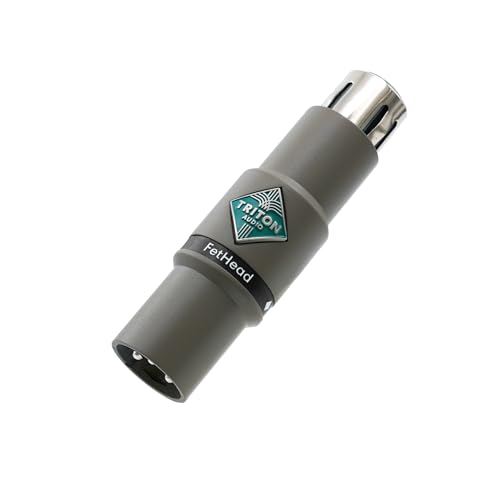
- Low-noise Class-A JFET amplifier design.
- Shielded enclosure and matched JFETs.
- Compact inline format for simple gain boosting.
Best For: Dynamic mics needing a small inline preamp boost.
Maximum Gain Pick
MIC-1 Mic Preamp, Max 75dB Gain

- Up to +75dB clean gain with -120dB EIN.
- Supports dynamic and condenser mics with 48V phantom power.
- Balanced XLR and dual 3.5mm outputs add flexibility.
Best For: High-gain vocal recording and versatile output routing.
Dynamic Mic Signal Booster

- Adds up to 28dB of gain
- Made for dynamic microphones
- Simple in-line signal boost
Best For: Dynamic microphones that need extra level in a simple in-line booster
StudioMan CL-100

- +25dB clean gain circuit
- Balanced XLR I/O with phantom power compatibility
- Compact metal housing with shielding
Best For: Dynamic and passive ribbon microphones needing clean gain in a compact XLR preamp
Balanced 20dB Mic Booster

- 20dB clean, transparent gain
- Supports dynamic and condenser microphones
- Fully balanced low-noise circuit
Best For: A compact low-noise preamp for dynamic or condenser microphones
Inline Gain Booster
Bolanle NK1 28dB XLR Mic Preamp

- 28dB Class A gain boost
- Compatible with 48V phantom power
- Shielded metal case with XLR connection
Best For: Dynamic mic users needing a simple inline gain boost
Low-Noise Upgrade

- Up to 66dB gain with -120dB EIN
- Works with mics and instruments
- Type-C powered for portable setups
Best For: Creators wanting a flexible, low-noise preamp for multiple sources
Phantom-Powered Booster

- 25dB clean gain via 48V phantom power
- Rated noise floor of -70dB
- Works with dynamic and ribbon mics
Best For: Podcasting, broadcast, live sound, and studio use with dynamic or ribbon mics
Clean Gain Booster – Cloudlifter CL-1 Mic Activator
If you need a microphone preamp-style boost for quiet dynamic or ribbon mics, the Cloudlifter CL-1 is built to add clean gain without changing the natural character of the source. It uses phantom power to add up to +25dB while keeping phantom power off the microphone itself, making it a practical front-end helper for recording and streaming setups.
Best For: Podcasts, live streaming, radio broadcasts, and studio users who want extra level from passive microphones.
Pros:
- Provides up to +25dB of clean gain for passive mics.
- Designed to maintain microphone clarity while reducing noise and feedback.
- Works with home studios, professional recording, and podcast setups.
- Compatible with passive ribbons and other tube, battery, or supply-driven microphones.
Cons:
- Requires phantom power from the connected preamp or mixer.
- Does not function as a traditional tone-shaping preamp with drive controls.
For users who mainly want cleaner, stronger signal from low-output microphones, the CL-1 keeps the signal path simple and focused. It is a straightforward choice when your priority is gain and clarity rather than added color.
Tube Color Option – Presonus TubePre v2 Tube Preamplifier DI Box
The Presonus TubePre v2 is a microphone preamp and DI box for users who want a tube stage with practical recording controls. Its 12AX7 tube-based preamp, XMAX solid-state input stage, and separate mic and instrument inputs make it a flexible pick for tracking vocals or instruments with a little tube saturation available.
Best For: Home and project studios that want tube character plus basic control features in one box.
Pros:
- 12AX7 tube-based preamp with XMAX solid-state input stage.
- Tube drive saturation control lets you add coloration when needed.
- Includes phantom power, HP filter, pad, and polarity reverse.
- Separate instrument and mic inputs increase utility.
Cons:
- Tube character may not suit buyers who want purely transparent gain.
- More feature-rich than a basic inline booster, so it may be overkill for simple gain needs.
If you want a microphone preamp that can do more than just raise level, the TubePre v2 offers useful shaping and input flexibility. It is a solid option when you want gain, saturation control, and common studio functions in one unit.
Compact Inline Boost – Triton Audio FetHead in-Line Microphone Preamp
The Triton Audio FetHead is a compact in-line microphone preamp designed to add clean gain before the main preamp stage. Its low-noise Class-A JFET amplifier, shielded enclosure, and matched JFET design make it a simple way to help quiet microphones reach usable recording levels.
Best For: Dynamic microphones that need an in-line gain lift in a small, easy-to-mount form factor.
Pros:
- Low-noise Class-A JFET amplification for clean signal boosting.
- Shielded enclosure helps with interference control.
- Very compact and lightweight for easy placement in a signal chain.
- Designed with 4 matched JFETs and a double single-ended topology.
Cons:
- Inline design means it is not a full-featured standalone preamp.
- Best suited to gain boosting rather than tone shaping.
For buyers who want a microphone preamp solution that stays out of the way, the FetHead focuses on low-noise gain in a tiny package. It is especially appealing when you need a simple, practical boost for a dynamic mic without adding much bulk.
Maximum Gain Pick – MIC-1 Mic Preamp, Max 75dB Gain
The MIC-1 mic preamp is built for users who need a lot of clean gain from low-output microphones. With up to +75dB gain, -120dB EIN noise performance, and 48V phantom power, it is positioned as a practical microphone preamp for vocal recording, especially when working with dynamic or condenser mics that need more headroom.
Best For: Vocal recording, low-output dynamic mics, and setups that need balanced and compact output options.
Pros:
- Up to +75dB clean, transparent gain for low-output mics.
- -120dB EIN is designed for ultra-low-noise performance.
- Supports dynamic and condenser microphones with 48V phantom power.
- Balanced XLR plus 3.5mm Mic Out and Line Out provide flexible connectivity.
Cons:
- The two input ports cannot be used simultaneously.
- Instrument input is limited to one high-impedance TS connection.
For buyers who want maximum gain and several output options in a compact box, the MIC-1 is the most feature-packed option here. It is especially useful when you need clean amplification for demanding microphones and want both studio and portable output paths.
Dynamic Mic Signal Booster – 28dB In-Line Preamp
If you need a microphone preamp to lift a quiet dynamic mic signal, this in-line booster is built for one job: add up to 28dB of gain. It’s a simple way to make a dynamic microphone easier to drive into your recording chain without adding extra complexity.
Best For: Dynamic microphones that need extra level in a straightforward in-line format.
Pros:
- Adds up to 28dB of gain for dynamic microphones.
- In-line design keeps the setup simple.
- Focused on boosting mic signal level for easier recording.
Cons:
- Only notes support for dynamic microphones.
- No extra feature details beyond the gain boost are supplied.
For buyers who mainly want a clean boost for a low-output dynamic mic, this model stays focused on the basics. It’s a practical choice when the priority is signal lift rather than a feature-heavy preamp.
StudioMan CL-100 – 25dB Low-Noise XLR Preamp
The StudioMan CL-100 is a microphone preamp aimed at dynamic microphones and passive ribbon mics, with a +25dB clean gain circuit designed to raise low-level signals. Its balanced XLR I/O and phantom power compatibility make it a practical option for studio, podcast, streaming, or live sound setups.
Best For: Dynamic and passive ribbon microphones that need clean gain in a compact XLR preamp.
Pros:
- Provides +25dB clean gain for low-level mic signals.
- Balanced XLR input/output supports easy integration.
- Compatible with 48V phantom power.
- Compact metal housing with EMI/RFI shielding.
Cons:
- Designed specifically around dynamic and passive ribbon mics.
- Gain is lower than some alternatives at 25dB.
If you want a compact microphone preamp with studio-focused basics, the CL-100 keeps the feature set practical. It emphasizes clean boost, balanced connections, and durable construction for everyday recording workflows.
Balanced 20dB Mic Booster – 48V Compact Preamp
This microphone preamp is built to add clean, transparent gain with a balanced circuit design and 20dB of amplification. It supports both dynamic and condenser microphones, making it a flexible pick for home studios, podcasting, recording, and live streaming.
Best For: Users who want a compact, low-noise preamp for dynamic or condenser microphones.
Pros:
- Offers 20dB of clean, transparent gain.
- Includes 48V power for dynamic and condenser microphones.
- Fully balanced circuit is designed for ultra-low noise.
- Compact, lightweight black metal case for portability.
Cons:
- Lower gain than the 28dB and 25dB options in this roundup.
- Feature set is straightforward rather than advanced.
For buyers who want a practical microphone preamp with broad microphone compatibility, this model covers the essentials well. Its balanced, low-noise design makes it a sensible choice when portability and clean signal matter most.
Inline Gain Booster – Bolanle NK1 28dB XLR Mic Preamp
If you need a straightforward microphone preamp to lift a quiet dynamic mic, the Bolanle NK1 is built for that job. It adds 28dB of Class A gain, keeps the signal balanced, and is aimed at mics like the SM7B and SM58 while staying simple to drop into an XLR chain.
Best For: Dynamic mic users who want a clean inline gain boost for podcasting, streaming, or general recording.
Pros:
- 28dB Class A gain helps low-sensitivity microphones sound fuller
- Works with 48V phantom power setups and common XLR gear
- Gold-plated pure copper pins are designed for stable signal transfer
- Metal alloy case adds shielding against interference
Cons:
- Designed as an inline booster, not a full-featured studio preamp
- Best suited to XLR-based setups
Overall, this is a practical microphone preamp choice if your main priority is clean gain without complicating your signal path. It focuses on compatibility, noise reduction, and durability rather than extra controls.
Low-Noise Upgrade – RO03 66dB Mic Preamp
The RO03 is a microphone preamp for buyers who want more flexibility than a basic booster. With up to 66dB of gain, ultra-low -120dB EIN, and support for dynamic, condenser, ribbon, and instrument sources, it is positioned as a budget-friendly way to get a cleaner recording chain.
Best For: Creators who want a portable, low-noise preamp for multiple mic types and instruments.
Pros:
- Up to 66dB gain with a claimed -120dB EIN noise performance
- Supports dynamic, condenser, ribbon mics, and instruments
- Type-C power input improves portability and compatibility
- XLR/TRS/TS outputs add flexible hookup options
Cons:
- Two input ports cannot be used at the same time
- Best noise results depend on using the recommended TRS line input connection
For users comparing a microphone preamp across different recording setups, the RO03 stands out for flexibility and its focus on noise control. It makes the most sense if you want one compact unit for several source types and can follow the connection guidance carefully.
Phantom-Powered Booster – Coda MB-1 25dB Mic Preamp
The Coda MB-1 is a microphone preamp designed to add clean gain to dynamic and ribbon mics using 48V phantom power. It keeps the setup focused and practical, making it a solid option when you want to raise level, lower the noise floor, and preserve the natural sound of the source.
Best For: Podcasting, broadcast, live sound, and studio recording with dynamic or ribbon microphones.
Pros:
- Adds 25dB of clean gain using 48V phantom power
- Targets dynamic and ribbon microphones while preserving natural tone
- Rated for a -70dB noise floor
- Built for studio, broadcast, and live sound use
Cons:
- Does not work with condenser microphones
- Requires phantom power from your interface or an external supply
If your main need is a simple microphone preamp for quiet dynamic sources, the MB-1 keeps the feature set narrow and useful. It is especially sensible for users who want a stage-ready booster with clear compatibility limits.
How We Picked These Microphone Preamp Options
We looked for models that solve real recording problems: low output from dynamic mics, noisy gain stages, limited interface headroom, and the need for phantom power or inline signal boosting. Priority went to units with practical gain ranges, solid noise specs, and formats suited to common setups like XLR vocal chains, podcast rigs, and home studios.
We also favored clear use cases. Some picks are best as inline boosters for dynamic microphones, while others function more like traditional preamps or hybrid preamp/DI units. That makes it easier to match the right Microphone Preamp to your workflow instead of overspending on features you won’t use.
Quick Comparison
Inline boosters are usually the simplest upgrade for dynamic and ribbon microphones, especially when your interface needs help before hiss becomes noticeable. Traditional preamps and tube designs can add more character and flexibility, while higher-gain models with very low EIN are better suited to quieter sources or demanding studio chains.
If you record vocals, podcast dialogue, or spoken word, look first at gain cleanliness and compatibility. If you use condensers, make sure the unit supports phantom power where needed. For live or portable work, compact metal housings and straightforward XLR connections are often more valuable than extra controls.
Key Buying Factors for a Microphone Preamp
Gain and Noise
Gain matters, but clean gain matters more. A strong Microphone Preamp should raise level without adding audible hiss or making the top end sound harsh. For low-output dynamics, look for enough gain to avoid pushing your interface too hard.
Phantom Power and Mic Compatibility
Check whether you need 48V phantom power for condensers, and whether the preamp works with dynamic, condenser, and ribbon microphones. Some inline units are ideal only for passive dynamics and ribbons, while others are more flexible.
Form Factor and Power Needs
Inline boosters are compact and easy to use, but they depend on phantom power from the source chain. Larger preamps may offer more control, character, or instrument support, but they take up more space and may be better for fixed studio setups.
Use Case
Podcasting, vocal tracking, streaming, and instrument recording all place different demands on a Microphone Preamp. Match the product to the source you record most often, not just the biggest gain number on the box.
Who Should Buy Which Microphone Preamp?
Choose an inline mic booster if you mainly use dynamic microphones and want a simple, low-profile way to get more usable level. Choose a tube or standalone preamp if you want a bit more tonal flexibility for vocals or DI sources. If you need the cleanest possible boost for quiet recording, prioritize low noise, high gain, and reliable phantom power behavior.
For most buyers, the best Microphone Preamp is the one that solves a specific signal problem with the least complexity. Start with your microphone type, then confirm gain, noise, and power support before you buy.