
Choosing a cinema camera with interchangeable lens mount gives you more than image quality—it gives you flexibility. You can build around the lenses you already own, adapt to different shooting styles, and avoid locking yourself into one system too early.
In this roundup, we focus on options that make sense for filmmakers, hybrid shooters, and lens-first creators who want a practical path from handheld content to more serious production work.
Best 10 Cinema Camera with Interchangeable Lens Mount Picks for 2026
RED/Nikon Hybrid Cinema Pick
Nikon RED Z Cinema 6K Full-Frame Kit
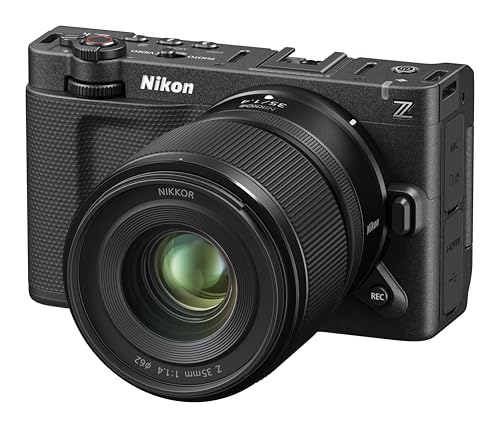
- 6K full-frame sensor with 15+ stops of dynamic range
- 32-bit float audio and REDCODE RAW support
- Light 1.18 lb body with 4-inch DCI-P3 touchscreen
Best For: Creators wanting RED-style color and a lightweight Z-mount cinema body
Budget 4K Workhorse
Blackmagic Pocket Cinema Camera 4K Bundle

- Active MFT mount with 4/3" sensor and 13 stops DR
- Records in ProRes or 12-bit Blackmagic RAW
- Bundle includes Resolve Studio, extra batteries, and charger
Best For: Indie video shooters who want compact RAW/ProRes flexibility
Interchangeable Cine Lens
SIRUI VP-1 50mm T1.4 Cine Prime

- Pre-installed E mount with RF/Z/L interchangeable mounts
- Fast T1.4 full-frame cine prime for low light
- Compact 600g aluminum body for rigs and gimbals
Best For: Shooters building a multi-camera lens kit across several mount systems
Creator-Friendly APS-C Pick
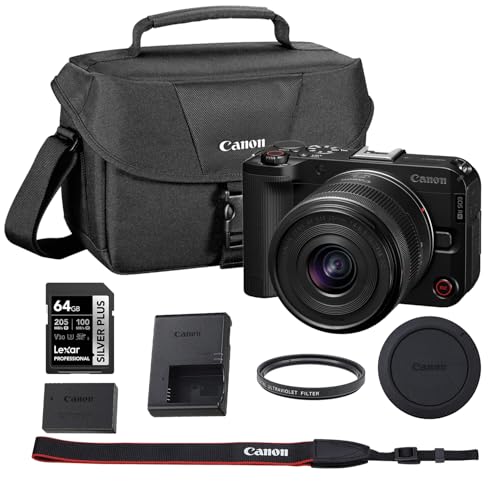
- RF-mount mirrorless body with interchangeable lenses
- 24.2MP APS-C sensor and 4K up to 59.94p
- Creator controls with vertical mount and front record button
Best For: Video creators who want a beginner-friendly Canon RF setup
Interchangeable Full-Frame Prime
SIRUI VP-1 24mm T1.4 Cine Lens
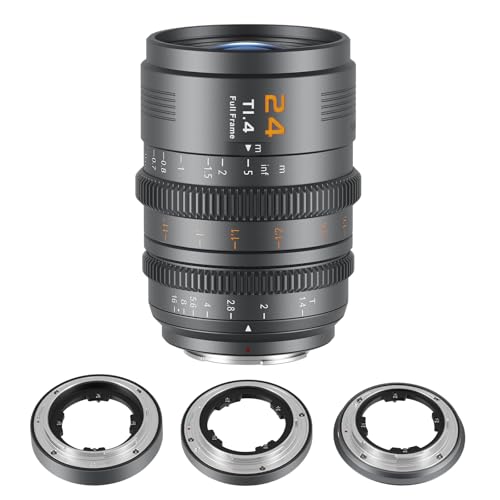
- Pre-installed E mount with RF/Z/L interchangeable mounts
- Fast T1.4 aperture for low-light and bokeh control
- Compact full-frame cine prime with 8K-ready optical design
Best For: Mirrorless filmmakers needing a compact multi-mount 24mm cine prime
Anamorphic Multi-Mount Cine Lens
SIRUI IronStar 60mm T1.9 Anamorphic

- Native PL mount with interchangeable EF mount
- 1.5x squeeze creates widescreen anamorphic look
- T1.9 aperture with neutral flare and controlled breathing
Best For: Anamorphic shooters needing PL/EF compatibility
Ultra-Wide Interchangeable Prime
SIRUI VP-1 15mm T1.6 Cine Lens
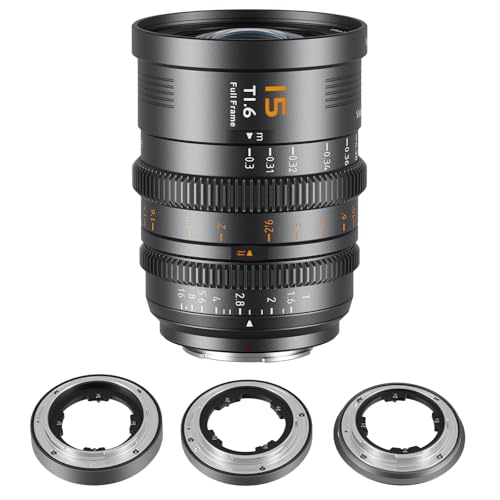
- Pre-installed E mount with RF/Z/L interchangeable mounts
- Ultra-wide 15mm view for travel and documentary work
- Fast T1.6 aperture in a compact 600g-class body
Best For: Creators needing an ultra-wide, mount-flexible cine prime
Macro Detail Pick
SIRUI VP-1 150mm T4 Full Frame Cine Lens

- 1.5:1 macro magnification for fine detail
- Interchangeable RF/Z/L mounts with E mount pre-installed
- T4 constant aperture and compact aluminum body
Best For: detail-oriented macro cinema work
Low-Light Wide-Angle Pick
SIRUI VP-1 15mm T1.6 Cine Lens

- Ultra-wide 15mm full-frame perspective
- Fast T1.6 aperture for low-light shooting
- Interchangeable RF/Z/L mounts with E pre-installed
Best For: wide, low-light cinematic shots
Versatile Mid-Wide Pick
SIRUI VP-1 24mm T1.4 Cine Lens

- 24mm full-frame wide prime with T1.4 aperture
- Interchangeable RF/Z/L mounts with E mount pre-installed
- Matched VP-1 design for consistent set handling
Best For: all-around wide cine shooting
RED/Nikon Hybrid Cinema Pick – Nikon RED Z Cinema 6K Full-Frame Kit
If you want a cinema camera with interchangeable lens mount flexibility and a strong all-in-one creator setup, the Nikon RED Z Cinema is built to stand out. It pairs RED color science with a 6K full-frame sensor, 32-bit float audio, and a large 4-inch DCI-P3 touchscreen, making it a practical choice for shooters who want serious video features in a compact body.
Best For: Filmmakers and creators who want RED color science, 6K capture, and a lightweight interchangeable-lens body with an included 35mm prime.
Pros:
- 6K full-frame sensor with 15+ stops of dynamic range and Dual Base ISO
- REDCODE RAW (R3D NE) support with RED color science and Log curve compatibility
- Industry-leading 32-bit float audio recording with external mic support
- Light 1.18 lb body and a large 4-inch swiveling DCI-P3 touchscreen
Cons:
- Kit is centered on the included 35mm prime, so you may need other lenses for more flexibility
- No built-in image stabilization listed in the supplied details
This is a strong option if your priority is a modern cinema workflow in a portable body. The Z mount system and full-frame sensor give it room to grow as your lens kit expands.
Budget 4K Workhorse – Blackmagic Pocket Cinema Camera 4K Bundle
The Blackmagic Design Pocket Cinema Camera 4K is a practical cinema camera with interchangeable lens mount support for shooters who want a compact body and flexible recording options. With an active MFT lens mount, 4K capture, and support for ProRes or Blackmagic RAW, it fits well into a straightforward indie or run-and-gun workflow.
Best For: Indie filmmakers and video creators who want a compact 4K cinema camera with MFT lens flexibility and ProRes/RAW recording.
Pros:
- Active MFT mount with a 4/3″ sensor and 13 stops of dynamic range
- Records to SD/UHS-II, CFast 2.0, or external SSD via USB-C
- Supports Apple ProRes and 12-bit Blackmagic RAW
- Includes DaVinci Resolve Studio activation and extra batteries in the bundle
Cons:
- Battery life may require the included extras or external power for longer shoots
- The supplied notes describe it as a heavier 5 lb package once bundled
As a value-focused cinema body, this model emphasizes recording options and post-production flexibility over extras. The bundle sweetens the deal for anyone building a compact production kit around MFT lenses.
Interchangeable Cine Lens – SIRUI VP-1 50mm T1.4 Cine Prime
If you’re shopping for a cinema camera with interchangeable lens mount compatibility, a lens like the SIRUI VP-1 helps you build a flexible system across bodies. This 50mm full-frame cine prime ships with a pre-installed E mount and interchangeable RF, Z, and L mounts, giving you a straightforward way to match different camera platforms without changing your lens choice.
Best For: Filmmakers who need a fast manual cine prime that can switch between multiple mounts.
Pros:
- Interchangeable mount system with pre-installed E mount plus RF/Z/L options
- Fast T1.4 aperture for low-light shooting and shallow depth of field
- Full-frame design with aspherical, ED, and HRI glass for sharpness and reduced aberrations
- Compact aluminum alloy body at around 600g for easier rigging and gimbal use
Cons:
- Manual focus only, so it is not ideal if you need autofocus
- 50mm fixed focal length limits framing compared with a zoom
This is a smart lens choice if you want consistency across different camera mounts and a fast aperture for cinematic work. Its matched design and compact build make it especially appealing for travel, documentary, and handheld setups.
Creator-Friendly APS-C Pick – Canon EOS R50 V Video Bundle
The Canon EOS R50 V is a video-focused mirrorless body that fits the cinema camera with interchangeable lens mount brief for creators who want a simple RF system. It offers 24.2MP APS-C capture, 4K recording up to 59.94p, and a creator-friendly layout with a vertical video tripod mount and front record button.
Best For: Content creators and hybrid shooters who want an easy-to-use RF-mount camera for video and stills.
Pros:
- Interchangeable RF lens mount with a bundled RF-S 14-30mm PZ wide-angle lens
- 24.2MP APS-C sensor with DIGIC X processing and full-width 4K options
- Creator-oriented controls including a vertical tripod mount and front record button
- Includes 64GB memory card, camera bag, and UV filter in the bundle
Cons:
- 8-bit video capture may be limiting for users who want deeper grading flexibility
- The included lens is a variable-aperture 14-30mm, not a faster constant-aperture zoom
Overall, this is a practical entry point for creators who want a video-first Canon body with interchangeable lenses. The included accessories make it easier to start shooting without immediately adding extras.
Interchangeable Full-Frame Prime – SIRUI VP-1 24mm T1.4 Cine Lens
If you’re shopping for a cinema camera with interchangeable lens mount support, the SIRUI VP-1 24mm is a practical full-frame cine prime to consider. It comes with a pre-installed E mount and user-interchangeable RF, Z, and L mounts, making it easier to move between compatible camera bodies without changing your whole lens strategy. The fast T1.4 aperture and compact aluminum build also make it a solid choice for low-light work, handheld shoots, and travel setups.
Best For: Filmmakers who want a compact 24mm cine prime with multi-mount flexibility for mirrorless production.
Pros:
- Interchangeable mount system with pre-installed E mount plus RF/Z/L options
- Fast T1.4 aperture for low-light shooting and subject separation
- Full-frame design with aspherical, ED, and HRI glass for sharp, controlled images
- Compact aluminum alloy body at around 600g for easier gimbal and handheld use
Cons:
- Manual focus only
- No image stabilization
- Single 24mm focal length may be too specialized for some setups
This lens makes sense if you need a consistent, high-resolution cine prime that can move between several mount ecosystems. Its strength is flexibility paired with a lightweight, production-friendly design.
Anamorphic Multi-Mount Cine Lens – SIRUI IronStar 60mm T1.9 Anamorphic
The SIRUI IronStar 60mm is a strong option if you want a cinema camera with interchangeable lens mount compatibility in an anamorphic format. It includes a native PL mount and a user-interchangeable EF mount, giving it broad compatibility across cine-style, mirrorless, and DSLR bodies. With a 1.5x squeeze, T1.9 aperture, and neutral flare, it is built for filmmakers who want a wider, more cinematic image while keeping the setup practical.
Best For: Shooters who want an anamorphic cine lens with PL and EF mount flexibility.
Pros:
- Native PL mount with user-interchangeable EF mount
- 1.5x anamorphic squeeze for widescreen cinematic framing
- Fast T1.9 aperture for better low-light performance
- Controlled flaring, pleasing bokeh, and minimal focus breathing
Cons:
- Manual focus only
- No image stabilization
- Heavier at 2.3 pounds than the compact prime option
This lens is best if your workflow favors anamorphic character and mount flexibility over convenience. It delivers a polished cinema look while still giving you a practical path between PL and EF systems.
Ultra-Wide Interchangeable Prime – SIRUI VP-1 15mm T1.6 Cine Lens
If you need a cinema camera with interchangeable lens mount support for wide-angle work, the SIRUI VP-1 15mm is built for that role. It ships with a pre-installed E mount and user-interchangeable RF, Z, and L mounts, so it can adapt to different camera systems in a multi-body workflow. The T1.6 aperture, compact size, and matched set design make it especially useful for low-light shooting, travel, documentary work, and gimbal setups.
Best For: Videographers who want a lightweight ultra-wide cine prime with flexible mounts.
Pros:
- Interchangeable mount system with E, RF, Z, and L support
- Ultra-wide 15mm focal length for expansive framing
- Fast T1.6 aperture for low-light shooting
- Compact aluminum body designed for gimbal and handheld use
Cons:
- Manual focus only
- No image stabilization
- Single fixed focal length limits versatility compared with zooms
This is a smart choice when you want a wide cinematic perspective without giving up mount flexibility. Its strength is a lightweight, consistent design that can move easily between compatible camera systems.
Macro Detail Pick – SIRUI VP-1 150mm T4 Full Frame Cine Lens
If you need a cinema camera with interchangeable lens mount support for extreme close-up work, this 150mm SIRUI VP-1 is built to deliver crisp macro footage with a cinematic look. The T4 constant transmission, 1.5:1 magnification, and full-frame optical design make it a practical choice for controlled detail shots where focus and image quality matter most.
Best For: Filmmakers who want a long macro cine prime for product detail, texture, and specialty close-up shots.
Pros:
- Interchangeable mount system with pre-installed E mount and RF/Z/L options.
- 1.5:1 macro magnification for capturing very fine details.
- T4 constant aperture supports consistent exposure and smooth bokeh.
- Compact aluminum alloy build is easier to stabilize for handheld or gimbal use.
Cons:
- Manual focus only, so it is not built for quick autofocus work.
- 150mm focal length is specialized and less flexible for general shooting.
- Best results will come from deliberate, controlled setups rather than run-and-gun use.
For filmmakers prioritizing detail-rich macro shots, this lens stands out for its mount flexibility and cinematic rendering. It is a focused tool, but within its lane it offers strong value for precision work.
Low-Light Wide-Angle Pick – SIRUI VP-1 15mm T1.6 Cine Lens
This 15mm SIRUI VP-1 is a smart option if you want a cinema camera with interchangeable lens mount compatibility and a very wide full-frame look. Its T1.6 aperture helps in low light, while the unified VP-1 design makes it easier to match with other lenses in the series for consistent filmmaking.
Best For: Shooters who need an ultra-wide manual cine prime for low-light scenes, travel, or gimbal work.
Pros:
- Interchangeable mount system includes pre-installed E mount plus RF/Z/L options.
- Fast T1.6 aperture is useful for low-light shooting and subject separation.
- Compact aluminum alloy body around 600g supports travel and handheld use.
- Matched design across the VP-1 set helps keep size, weight, and gear position consistent.
Cons:
- Manual focus only, so it requires more operator control.
- 15mm focal length is very wide and may not suit all framing needs.
- As a single prime, it is less versatile than a zoom lens.
For wide-angle cinematography, this lens offers a good mix of low-light speed, mount flexibility, and portable size. It is especially appealing if you value consistent handling across a multi-lens cine setup.
Versatile Mid-Wide Pick – SIRUI VP-1 24mm T1.4 Cine Lens
If you are shopping for a cinema camera with interchangeable lens mount options and want a more versatile wide-angle prime, this 24mm SIRUI VP-1 is the balanced choice in the series. The T1.4 aperture gives you strong low-light capability, while the matched VP-1 design helps it integrate cleanly into a multi-lens production kit.
Best For: Filmmakers who want a practical all-around wide prime for narrative, documentary, or handheld video work.
Pros:
- Supports Canon RF, Leica L, Nikon Z, and Sony E mounts.
- T1.4 aperture offers strong light transmission and soft background separation.
- Uniform size, weight, gear position, and color tone match the VP-1 set.
- Compact aluminum alloy body is suited to travel, documentary, and gimbal use.
Cons:
- Manual focus only, which may not suit fast-paced solo shooting.
- 24mm may be too wide for some tighter portrait-style compositions.
- No image stabilization, so stable support may still be needed.
This lens is the most balanced option of the three for general cine use, especially if you want strong low-light performance and flexible mount compatibility. It makes sense as a core wide prime in a small cinema lens kit.
How We Picked the Best Cinema Camera with Interchangeable Lens Mount
We looked for gear that offers real-world flexibility, not just headline specs. For a Cinema Camera with Interchangeable Lens Mount, the most important factors are mount ecosystem, sensor format, codec and audio support, monitoring tools, and how well the system scales as your needs grow.
Because this roundup includes both camera bodies and cinema lenses, we also considered mount compatibility, manual control, and whether each option fits a broader production setup.
Quick Comparison
If you want the most adaptable setup, prioritize a camera body with a strong native mount and good third-party lens support. If you already own compatible glass, a mount-friendly body can save you significant money. If your focus is narrative work or controlled productions, cinema lenses may matter just as much as the camera itself.
Key Buying Factors for a Cinema Camera with Interchangeable Lens Mount
Mount Ecosystem and Adaptability
Check whether the mount supports native lenses, adapters, and future upgrades. A strong mount ecosystem makes it easier to move between photo lenses, cine lenses, and specialty optics without replacing the whole setup.
Sensor Size and Lens Coverage
Full-frame and APS-C bodies behave differently, so make sure your lenses cover the sensor you plan to use. If you want shallow depth of field and wider field-of-view options, full-frame can be a strong advantage. APS-C can be a smart, lower-cost route for smaller rigs and longer-reach shooting.
Manual Control and Production Features
Look for tools that support filmmaking workflows: waveform, false color, focus aids, reliable audio, and recording formats that hold up in post. These features matter more than marketing language when you are shooting scenes, interviews, or run-and-gun content.
Lens Choice: Prime, Anamorphic, or Macro
Choose lenses based on your content. Fast primes are great for low light and cinematic shallow focus. Anamorphic lenses add a distinct widescreen look. Macro lenses are better for close-detail shots and product work. The right lens often matters more than a small difference in body specs.
Who Should Buy Which Cinema Camera with Interchangeable Lens Mount?
Buy a Cinema Camera with Interchangeable Lens Mount if you want long-term flexibility, plan to upgrade lenses over time, or need one body that can handle different projects. If you are building a compact content setup, an interchangeable-lens hybrid camera can be enough. If you are moving into controlled filmmaking, pairing a capable body with dedicated cine primes or specialty lenses is usually the better investment.
In short, match the camera body to your workflow and the lens mount to your future plans. That combination will matter far more than any single spec on the box.