
Motorsports photography demands a camera that can lock focus fast, fire continuously, and keep up with unpredictable motion at high speed.
Below, we’ve narrowed the field to ten strong options for shooters who need reliable tracking, responsive handling, and image quality that holds up on track day and race day alike.
Best 10 Professional Motorsports Photography Camera Picks for 2026
Pro-Speed Flagship Kit
Canon EOS R3 + RF 70-200mm Bundle
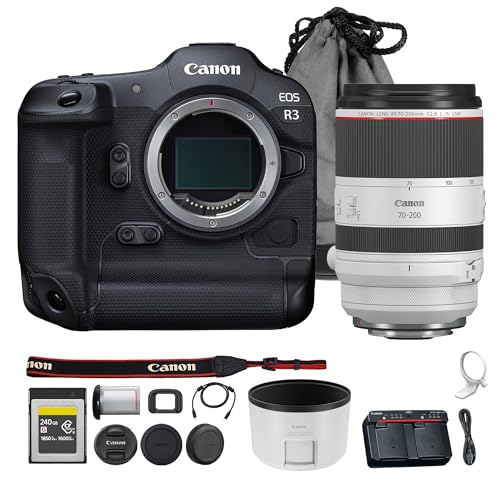
- 30 fps burst shooting
- 24MP full-frame sensor
- Includes 70-200mm f/2.8 lens
Best For: Pro motorsports and action shooters needing a Canon full-frame bundle
High-Resolution DSLR Workhorse
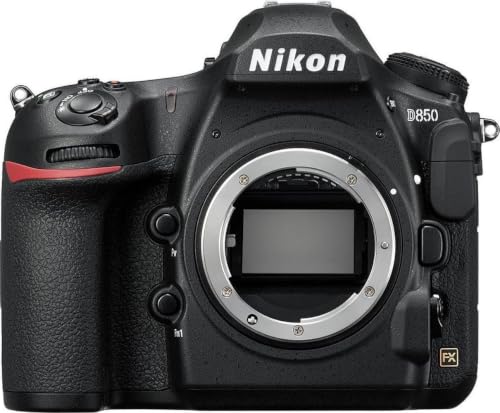
- 45.7MP full-frame sensor
- Up to 9 fps with full AF
- 153-point autofocus system
Best For: High-detail Nikon DSLR shooting for sports and action
Hybrid Speed Kit
Canon EOS R6 Mark II + 24-105mm Lens

- Up to 40 fps electronic burst
- Vehicle subject detection AF
- Full-frame hybrid camera kit
Best For: Fast hybrid Canon shooting for motorsports and travel
Midrange DSLR Starter Kit

- 8 fps continuous shooting
- 51-point AF system
- Includes 18-140mm VR lens
Best For: Versatile Nikon DSLR users who need an affordable action kit
Trackside Speed Pick
Full-frame speed in a compact body
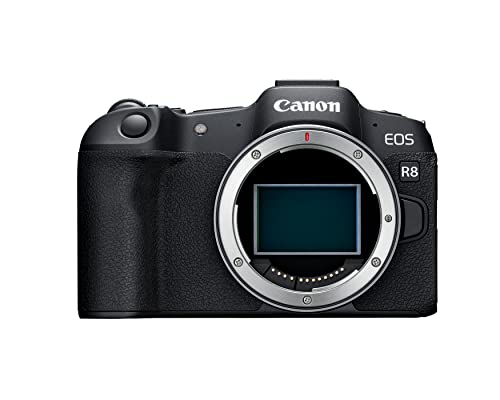
- 24.2MP full-frame sensor
- Dual Pixel AF II with vehicle detection
- 40 fps continuous shooting
Best For: Fast-action shooters who want a lightweight full-frame Canon
Long-Reach Budget Pick
52x zoom bridge for distant action

- 52x optical zoom for long reach
- Optical image stabilization
- 6 fps burst shooting
Best For: Budget buyers who need strong zoom reach from the stands
DSLR Action Kit
APS-C DSLR for sports and wildlife

- 32.5MP APS-C sensor
- 10 fps burst shooting
- Included 75-300mm telephoto lens
Best For: DSLR users who want Canon reach and tracking for sports coverage
Fast AF Action Kit

- AI Detection AF recognizes motorsports vehicles
- 1053-point cross quad pixel autofocus
- Up to 6.5 stops of 5-axis IBIS
Best For: Fast-tracking motorsports subjects with strong stabilization in a compact kit
Low-Light Full-Frame Body

- 24.5MP full-frame sensor with EXPEED 7
- Up to 30 fps continuous shooting
- AF down to -10EV with 7.5 stops of IBIS
Best For: Low-light racing and action shooting with a fast, stabilized full-frame body
Pro-Speed Flagship Kit – Canon EOS R3 + RF 70-200mm Bundle
If you want a professional motorsports photography camera built for fast action, this Canon EOS R3 bundle is aimed squarely at speed, autofocus accuracy, and low-light performance. The 24MP full-frame sensor, up to 30 fps shooting, and bundled RF 70-200mm f/2.8L IS USM lens make it a practical setup for trackside stills and hybrid photo/video work.
Best For: Professional sports and motorsports shooters who want a fast full-frame Canon kit with a telephoto zoom included.
Pros:
- Up to 30 fps continuous shooting with electronic shutter for catching peak action.
- 24MP full-frame sensor designed for speed and low-light performance.
- Internal 6K RAW and oversampled 4K video for hybrid shooting.
- Includes the RF 70-200mm f/2.8L IS USM lens and 240GB CFexpress Type B card.
Cons:
- Bundle is substantial at 5 pounds, so it is not the lightest option.
- Not water resistant, so trackside weather protection matters.
- Higher-end kit may be more than casual users need.
For photographers who need a responsive body with a proven pro telephoto zoom, this bundle covers the essentials well. It is especially compelling if you want a ready-to-shoot Canon system for motorsports, action, and event work.
High-Resolution DSLR Workhorse – Nikon D850 Body
The Nikon D850 is a strong professional motorsports photography camera if you value resolution, dynamic range, and a dependable DSLR workflow. Its 45.7MP full-frame sensor, 9 fps continuous shooting, and 153-point autofocus system give you a capable body for fast-moving cars while still preserving fine detail.
Best For: Photographers who want a high-resolution Nikon DSLR for sports, action, and detail-rich editorial work.
Pros:
- 45.7MP full-frame sensor with outstanding dynamic range and no optical low-pass filter.
- Up to 9 fps continuous shooting at full resolution with full AF performance.
- Multi-CAM 20K 153-point AF system for tracking motion.
- 4K Ultra HD video plus 8K and 4K time-lapse options.
Cons:
- Body-only purchase means you will need to add a lens.
- DSLR design is larger than many mirrorless alternatives.
- Top burst rate is lower than the fastest action-focused mirrorless bodies.
If your motorsports work demands maximum detail and a familiar Nikon F-mount DSLR platform, the D850 remains highly capable. It is a smart choice when image quality and reliable autofocus matter as much as speed.
Hybrid Speed Kit – Canon EOS R6 Mark II + 24-105mm Lens
The Canon EOS R6 Mark II is a versatile professional motorsports photography camera when you need fast bursts, strong autofocus, and solid video in one body. With a 24.2MP full-frame sensor, up to 40 fps electronic shooting, and automatic subject detection for vehicles, it is built to keep up with fast-moving race action.
Best For: Photographers who want a fast Canon full-frame hybrid camera for motorsports, travel, and video.
Pros:
- Up to 40 fps electronic shutter and 12 fps mechanical shooting.
- Dual Pixel CMOS AF II covers up to 100% x 100% of the frame.
- Automatic subject detection includes vehicles, plus people, animals, aircraft, trains, and horses.
- Includes a 24-105mm lens kit for flexible everyday coverage.
Cons:
- The included RF24-105mm f/4-7.1 lens is not as bright as an f/2.8 zoom.
- 24.2MP resolution is lower than some high-detail pro bodies.
- Uses SD cards rather than CFexpress media.
For shooters who want speed without giving up hybrid features, the R6 Mark II is an appealing all-around option. The vehicle detection and high burst rates make it especially well suited to trackside action.
Midrange DSLR Starter Kit – Nikon D7500 + 18-140mm Lens
Nikon D7500 20.9MP DSLR Camera with AF-S DX NIKKOR 18-140mm f/3.5-5.6G ED VR Lens, Black
Check Price On AmazonThe Nikon D7500 is a practical professional motorsports photography camera if you want a capable DSLR with a useful all-in-one zoom. Its 20.9MP APS-C sensor, 8 fps continuous shooting, and 51-point autofocus system offer a solid balance of speed, reach, and image quality for action shooting.
Best For: Enthusiasts and professionals who want a versatile Nikon DSLR kit for sports and general photography.
Pros:
- 8 fps continuous shooting for capturing fast-paced moments.
- 51-point AF system with 15 cross-type sensors and group area AF.
- Includes the AF-S DX NIKKOR 18-140mm VR lens for flexible coverage.
- 4K UHD video and a tilting touch LCD add everyday usability.
Cons:
- APS-C sensor has less background separation than full-frame alternatives.
- 8 fps burst rate is good, but not class-leading for pro motorsports.
- The kit lens is relatively slow at the telephoto end.
The D7500 makes sense if you want a strong Nikon action body without moving into the highest-priced tier. It gives you useful autofocus and a flexible zoom lens, which can be enough for many motorsports and field assignments.
Trackside Speed Pick – Full-frame speed in a compact body
If you want a professional motorsports photography camera without carrying a heavy kit, the Canon EOS R8 is built around speed, subject tracking, and strong image quality. Its full-frame 24.2MP sensor, Dual Pixel CMOS AF II, and 40 fps continuous shooting make it well suited to fast, unpredictable action, while the lightweight body is a real advantage for long track days.
Best For: Photographers who want a lightweight full-frame Canon for motorsports, fast panning, and hybrid stills/video use.
Pros:
- 24.2MP full-frame sensor with DIGIC X processing for detailed images and low-noise performance.
- Dual Pixel CMOS AF II with subject detection for people, animals, vehicles, aircraft, trains, and horses.
- 40 fps continuous shooting helps capture peak moments in fast-moving races.
- Uncropped 4K 60p video oversampled from 6K adds flexibility for hybrid coverage.
Cons:
- Maximum shutter speed is listed at 1/4000 sec, which may be limiting for some bright-track situations.
- The body is lightweight and compact, so extended use may benefit from careful handling with larger lenses.
Overall, the EOS R8 is a strong choice if you want full-frame Canon performance in a travel-friendly body. It balances autofocus, burst speed, and video features in a way that fits trackside shooting very well.
Long-Reach Budget Pick – 52x zoom bridge for distant action
The KODAK PIXPRO AZ528 is a practical budget-friendly option if you need a professional motorsports photography camera style of reach more than deep manual control. Its 52x optical zoom and optical image stabilization let you frame distant cars from the stands or outside the fence, while the 6 fps burst mode helps when the action comes quickly.
Best For: Fans and beginners who want long zoom reach for motorsports, wildlife, and travel without stepping into a larger interchangeable-lens setup.
Pros:
- 52x optical zoom provides serious reach for distant subjects.
- 24mm wide-angle view adds flexibility for wider scenes and venue shots.
- 6 fps burst mode helps capture quick action sequences.
- Optical image stabilization supports handheld shots at long focal lengths.
Cons:
- 16MP sensor and 1080p video are more modest than premium action-focused cameras.
- Maximum shutter speed of 1/2000 sec is less suited to demanding freeze-action work.
- Built around a bridge-camera design, so it is less flexible than interchangeable-lens systems.
For shooters who need reach first, the AZ528 offers a straightforward way to get closer to the action. It is not the most advanced motorsports option, but the zoom range and stabilization make it useful when distance is the main challenge.
DSLR Action Kit – APS-C DSLR for sports and wildlife
The Canon EOS 90D kit is a solid choice for a professional motorsports photography camera setup if you prefer a DSLR with reach, speed, and familiar handling. Its 32.5MP APS-C sensor, 10 fps shooting, and Dual Pixel CMOS AF make it capable of covering fast race action, while the included telephoto lens adds extra versatility for trackside use.
Best For: DSLR shooters who want a high-resolution Canon body with telephoto reach for sports, wildlife, and race-day coverage.
Pros:
- 32.5MP APS-C sensor offers strong detail and a useful crop factor for distant subjects.
- 10 fps continuous shooting is well matched to motorsports timing.
- Dual Pixel CMOS AF and 45-point all cross-type AF support accurate tracking.
- Included 75-300mm lens expands reach for field-side and trackside framing.
Cons:
- DSLR body is heavier than compact mirrorless alternatives.
- 4K video is limited to 30p, which is less flexible than higher-frame-rate options.
- Maximum shutter speed of 1/8000 sec is not listed here, but the supplied specs emphasize stills and general versatility over pro-level burst depth.
The EOS 90D kit makes sense if you want a traditional Canon DSLR with dependable autofocus and useful zoom coverage. It is especially appealing for users who value the included lens and all-in-one package for sports coverage.
Lightweight Full-Frame Kit – Canon EOS RP with RF24-105mm Lens
If you want a professional motorsports photography camera that leans more toward portability than raw burst-speed muscle, the Canon EOS RP kit is an approachable full-frame option. The 26.2MP sensor, Dual Pixel CMOS AF with 4,779 AF points, and included 24-105mm zoom give you a flexible starting point for trackside shooting, especially when you also want a body that is easy to carry.
Best For: Photographers who want a lightweight full-frame kit with strong versatility for travel, vlogging, and general sports coverage.
Pros:
- 26.2MP full-frame sensor for detailed stills.
- Dual Pixel CMOS AF with 4,779 AF points for focused subject tracking.
- Included RF 24-105mm lens adds useful reach and up to 5 stops of image stabilization.
- Compact 440g body is easy to carry around events.
Cons:
- Continuous shooting is limited to 5 fps.
- Maximum shutter speed tops out at 1/4000 seconds.
- The lens aperture narrows to f/7.1 at the long end.
For motorsports shooters who value full-frame image quality and a light kit over top-tier speed, the EOS RP is a practical entry point. It is best viewed as a versatile all-rounder rather than a dedicated action-first body.
Fast AF Action Kit – OM SYSTEM OM-3 12-45mm Kit
The OM SYSTEM OM-3 is a smart pick if you want a professional motorsports photography camera with fast response, strong stabilization, and advanced subject recognition. Its 20MP stacked BSI sensor, 1053-point cross quad pixel AF, and AI Detection AF that can recognize motorsports vehicles make it well suited to tracking fast action, while the bundled 12-45mm f/4 PRO lens keeps the kit compact.
Best For: Shooters who want fast autofocus, strong in-body stabilization, and motorsports vehicle detection in a travel-friendly kit.
Pros:
- AI Detection AF recognizes motorsports vehicles for dependable subject tracking.
- 1053-point cross quad pixel phase-detection AF supports precise focus.
- 5-axis IBIS offers up to 6.5 stops of compensation, or 7.5 with compatible Sync IS lenses.
- Pro Capture and burst features help catch fleeting action moments.
Cons:
- 20MP resolution is lower than some full-frame competitors.
- Micro Four Thirds sensor may not suit everyone looking for maximum subject isolation.
- The bundle is centered on a 12-45mm lens, so reach may be limited for distant track action.
For motorsports shooters who prioritize autofocus tools and stabilization over sensor size, the OM-3 is a very capable option. Its subject recognition and Pro Capture features are the biggest reasons to consider it for fast-paced racing.
Low-Light Full-Frame Body – Nikon Z5 II Full-Frame Body
The Nikon Z5 II is a compelling professional motorsports photography camera if you need full-frame performance, fast processing, and confident autofocus in tough lighting. Its 24.5MP sensor, EXPEED 7 engine, up to 30 fps shooting, and AF detection down to -10EV make it a strong fit for night races, indoor events, or other lower-light track conditions.
Best For: Photographers who want a full-frame body with fast burst shooting and strong low-light autofocus for racing and action.
Pros:
- 24.5MP full-frame BSI-CMOS sensor with EXPEED 7 processing.
- Up to 30 fps continuous shooting for fast action sequences.
- Autofocus down to -10EV for near-darkness shooting.
- Up to 7.5 stops of built-in image stabilization helps steady handheld shots.
Cons:
- Body-only listing means you need to budget for a compatible Nikon Z lens.
- The supplied details do not include a dedicated motorsports subject-detection mode beyond its 9-subject recognition list.
- Best video and cloud features may be more than some stills-only buyers need.
For motorsports photographers who shoot in changing light and want a body that can keep up, the Z5 II checks a lot of boxes. It combines speed, stabilization, and low-light AF in a way that makes it especially appealing for event work.
How We Picked the Best Professional Motorsports Photography Camera
For a Professional Motorsports Photography Camera, the priorities are simple: fast autofocus with strong subject tracking, a deep buffer for burst shooting, dependable low-light performance, and a body that feels quick in hand. We also favored cameras with useful lens ecosystems, weather resistance, and enough resolution for cropping tight on fast-moving cars and bikes.
Quick Comparison
In general, full-frame mirrorless models are the best all-around choice for most shooters thanks to strong autofocus and high ISO performance. DSLRs still offer value, especially if you already own lenses, while APS-C bodies can be smart for extra apparent reach on distant track action. Bridge-style cameras can work for casual use, but they are usually not the first pick for professional results.
Key Buying Factors for a Professional Motorsports Photography Camera
Autofocus and Subject Tracking
Look for advanced eye/subject detection, reliable continuous AF, and minimal hunting when cars move toward or away from you. Motorsports often involves erratic speed changes, so tracking consistency matters more than peak specs alone.
Burst Rate and Buffer Depth
A fast burst rate helps capture the exact moment a car turns in, clips a curb, or sprays debris. Just as important is buffer depth, which determines how long the camera can keep shooting before slowing down.
Sensor Format and Cropping Flexibility
Full-frame sensors usually offer better noise handling and dynamic range, while APS-C bodies provide extra reach for tighter framing from farther away. Choose based on where you shoot most often and how much you crop in post.
Lens Options and Focal Length Range
The best body is only as useful as the lenses available for it. Fast telephoto zooms are especially valuable on track, while wider lenses help with paddock, pit lane, and environmental shots.
Stabilization, Ergonomics, and Durability
In motorsports, you may be panning for long stretches or shooting in dust, heat, and changing weather. In-body stabilization, strong grip shape, dependable controls, and weather sealing all improve real-world usability.
Who Should Buy Which Professional Motorsports Photography Camera?
Choose a flagship mirrorless model if you want the most complete professional setup for tracking, speed, and image quality. Pick a high-resolution DSLR if you value detail, battery life, and lower system cost. Consider an APS-C camera if reach matters more than absolute low-light performance. Entry-level full-frame mirrorless models make sense for enthusiasts who want a lighter, simpler kit without giving up serious image quality.
For most buyers, the best Professional Motorsports Photography Camera is the one that balances autofocus confidence, lens access, and handling for long shooting sessions. Match the body to your track position, lighting conditions, and editing needs before chasing specs alone.