
Choosing the right bird photography camera with crop sensor can make a big difference when subjects stay small, fast, and far away. The extra apparent reach of APS-C and DX bodies helps you frame birds more easily without needing the longest lens available.
In this roundup, we focus on cameras and birding-focused smart options that balance detail, autofocus performance, portability, and real-world usability for backyard and field bird photography.
Best 10 Bird Photography Camera with Crop Sensor Picks for 2026
Nikon DSLR Value Pick
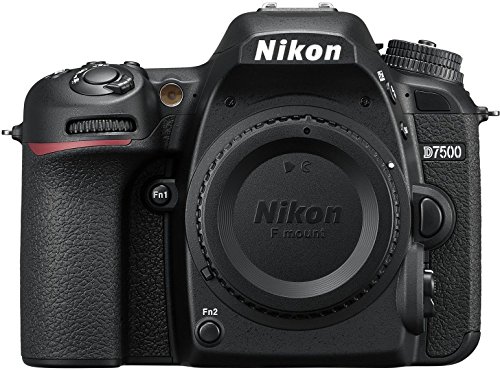
- 20.9MP DX sensor for APS-C reach
- 51-point AF with 15 cross-type sensors
- Up to 8 fps continuous shooting
Best For: DSLR shooters who want dependable birding performance
Sony Full-Frame Upgrade

- 33MP full-frame sensor with strong detail
- 759-point Fast Hybrid AF and Real-time Eye AF
- 10 fps shooting plus 4K 60p video
Best For: Bird photographers considering a premium full-frame hybrid body
Nikon Budget DX Classic

- 24.1MP DX sensor for crop-sensor reach
- Up to 6 fps continuous shooting
- 1080p video with full-time autofocus
Best For: Budget buyers wanting an older Nikon DX birding body
Backyard Bird Watcher Pick
Smart Bird Feeder with 2K Live View

- 2K HD live video shows more detail.
- AI alerts notify you when birds arrive.
- Solar-powered and easy to install.
Best For: Backyard bird lovers who want simple live viewing and alerts
Crop-Sensor Camera Pick
Nikon Z50 II APS-C Mirrorless Camera

- 20.9MP APS-C sensor for detail and color.
- Dedicated bird AF mode improves tracking.
- Compact body with wireless sharing.
Best For: Bird photographers who want a portable crop-sensor mirrorless camera
Smart Feeder Cam Pick
2K Solar Bird Feeder with AI ID

- AI identifies 10,000+ bird species.
- 2K video with 3x zoom and alerts.
- Solar-powered, weatherproof outdoor design.
Best For: Birdwatchers who want AI identification and automatic bird alerts
Ultra-Zoom Pick
Nikon COOLPIX P1000 for Reach and Flexibility

- 125x optical zoom reaches up to 3000mm equivalent
- RAW, manual controls, and 4K video support flexible shooting
- Lens-shift VR helps stabilize long telephoto bird shots
Best For: Bird photographers who need extreme zoom and manual control
Feeder Watch Pick
Smart Bird Camera Only for Live Bird Watching

- 2.5K UHD live view with 150° wide-angle coverage
- Free AI identifies 10,000+ species and auto-records visits
- Color night vision and compact size suit backyard feeders
Best For: Backyard bird watchers who want automated live viewing
Solar Feeder Pick
Smart Bird Camera with Pole and Panel

- Includes solar panel, pole, rain shield, and hardware
- 2.5K HD video with 150° lens and color night vision
- Free AI identifies 10,000+ species with no subscription
Best For: Bird lovers who want a complete outdoor feeder cam kit
Canon APS-C Speed Pick – Canon EOS R7 Mirrorless
If you want a bird photography camera with crop sensor, the Canon EOS R7 is built around reach, speed, and autofocus coverage that helps keep small, moving subjects in frame. Its 32.5MP APS-C sensor gives you extra telephoto reach, while the 15 fps mechanical shutter, 30 fps electronic shutter, and subject tracking make it easier to catch birds in flight and on perches.
Best For: Wildlife shooters who want fast AF, strong burst rates, and APS-C reach in a lightweight mirrorless body.
Pros:
- 32.5MP APS-C sensor provides strong telephoto reach for birding.
- Dual Pixel CMOS AF II covers approximately 100% of the frame with up to 651 zones.
- Fast shooting options include 15 fps mechanical, 30 fps electronic, and RAW Burst Mode.
- 5-axis in-body image stabilization helps reduce shake for stills and video.
Cons:
- Body-only package means you still need to choose a compatible RF lens.
- Video-focused features may be more than some stills-only birders need.
For birders who prioritize tracking and speed, the EOS R7 stands out as the most modern all-around crop-sensor option here. It combines strong autofocus coverage with a compact body and useful stabilization, making it a practical upgrade for action-heavy field shooting.
Nikon DSLR Value Pick – Nikon D7500 DX-Format
The Nikon D7500 is a solid bird photography camera with crop sensor if you prefer a DSLR feel and an APS-C body tuned for stills. Its 20.9MP DX sensor, 51-point AF system, and up to 8 fps continuous shooting give it the basics needed for birds in motion, while the tilting touchscreen and built-in wireless add convenience in the field.
Best For: DSLR buyers who want dependable autofocus, good burst speed, and Nikon DX lens compatibility.
Pros:
- 20.9MP DX-format sensor offers APS-C crop reach for birding.
- 51-point AF system with 15 cross-type sensors supports subject tracking.
- Up to 8 fps continuous shooting helps capture action moments.
- Tilting touchscreen plus Wi-Fi and Bluetooth improve usability outdoors.
Cons:
- Lower burst speed than the fastest mirrorless action bodies.
- Heavier DSLR form factor than compact mirrorless alternatives.
If you value a traditional optical-viewfinder workflow, the D7500 remains a capable birding DSLR. It is not the newest design here, but its AF system, APS-C reach, and 4K video make it a practical choice for photographers who like Nikon DX ergonomics.
Sony Full-Frame Upgrade – Sony Alpha 7 IV Mirrorless
The Sony Alpha 7 IV is not a crop-sensor body, but it is worth considering if your bird photography priorities include strong autofocus and excellent image quality in a mirrorless package. Its 33MP full-frame sensor, 759-point Fast Hybrid AF, and 10 fps continuous shooting make it a flexible camera for photographers who also want serious stills and video capability.
Best For: Photographers who want high-end autofocus and full-frame quality, even though it is not an APS-C camera.
Pros:
- 33MP full-frame sensor delivers detailed files and strong low-light potential.
- 759-point Fast Hybrid AF with Real-time Eye AF supports precise subject acquisition.
- 10 fps continuous shooting is useful for action and wildlife moments.
- 4K 60p and 10-bit recording make it strong for hybrid shooters.
Cons:
- Full-frame body does not provide crop-sensor telephoto reach.
- Higher-end feature set may be more camera than some birders need.
For bird photographers who are open to moving beyond APS-C, the Alpha 7 IV offers a very capable AF system and strong image pipeline. It is a premium hybrid tool rather than a dedicated crop-sensor birding body, so it fits best when versatility matters as much as reach.
Nikon Budget DX Classic – Nikon D7100 DX-Format
The Nikon D7100 is an older but relevant bird photography camera with crop sensor if you want a straightforward DX DSLR for telephoto work. Its 24.1MP DX sensor, 6 fps burst rate, and 1080p video with full-time autofocus give it enough capability for casual wildlife shooting and general outdoor use.
Best For: Budget-minded buyers who want a simple Nikon DX DSLR for telephoto reach.
Pros:
- 24.1MP DX sensor provides crop-sensor reach for bird photography.
- Up to 6 fps continuous shooting can handle moderate action.
- 1080p video includes full-time autofocus and a built-in stereo mic.
- Wireless sharing and control are possible with the optional WU-1a adapter.
Cons:
- Slower burst speed than newer action-oriented cameras.
- Older DSLR design lacks the advanced AF and stabilization of newer bodies.
The D7100 can still make sense for birders who want a lower-cost entry into Nikon DX shooting. It is less advanced than the newer options here, but the crop sensor and reasonable burst rate keep it useful for telephoto-focused photography.
Backyard Bird Watcher Pick – Smart Bird Feeder with 2K Live View
If you want a bird photography camera with crop sensor-style detail in a backyard setup, this smart feeder focuses on close-up viewing rather than a traditional interchangeable-lens camera. Its 2K HD live video, auto-capture alerts, and AI recognition make it practical for watching feeder visitors and studying feather color and behavior from the garden.
Best For: Bird lovers who want an easy-to-install feeder cam for live viewing, alerts, and sharing.
Pros:
- 2K resolution helps show more feather detail and bird color.
- AI recognition and motion alerts notify you when wildlife approaches.
- Includes food and water bowl features for attracting birds to the feeder.
- Solar-powered design and wireless installation keep setup simple.
Cons:
- It is a feeder camera, not a dedicated interchangeable-lens bird camera.
- Best suited to backyard bird watching rather than long-distance field shooting.
This is a good fit if you want a hands-off way to monitor birds up close and enjoy shared live footage. It is more about convenience and bird attraction than advanced camera control, but that is exactly the appeal for many casual bird watchers.
Crop-Sensor Camera Pick – Nikon Z50 II APS-C Mirrorless Camera
For buyers searching for a bird photography camera with crop sensor performance, the Nikon Z50 II is the most traditional camera in this roundup. Its 20.9MP DX-format APS-C sensor, dedicated bird autofocus mode, and compact mirrorless body make it a practical choice for capturing birds with more reach and detail than a smartphone.
Best For: Bird photographers who want a compact APS-C mirrorless body with bird autofocus and strong wireless sharing.
Pros:
- 20.9MP DX-format APS-C sensor delivers lifelike color and detail.
- Dedicated bird autofocus mode helps track birds more accurately.
- Compact mirrorless design is easy to carry in a small bag.
- Wireless photo sharing with SnapBridge makes it quick to move images to a device.
Cons:
- It is sold as a body-centric camera, so lens choice still matters for bird work.
- Continuous shooting is listed at 5 fps, which may feel modest for fast action.
This is the strongest match here for someone who wants a real camera system rather than a feeder cam. The bird-detect autofocus and APS-C sensor make it a sensible entry point for birding, travel, and general stills.
Smart Feeder Cam Pick – 2K Solar Bird Feeder with AI ID
If your version of a bird photography camera with crop sensor is really about getting close, clear bird footage from the yard, this solar smart feeder is built for that job. It offers 2K HD video, instant arrival alerts, and AI species identification so you can identify and watch visiting birds without needing a full camera kit.
Best For: Birdwatchers who want a solar outdoor feeder cam with AI bird ID and instant alerts.
Pros:
- AI can identify over 10,000 bird species through the Vicohome app.
- Instant arrival alerts and auto capture help you catch bird visits.
- 2K HD camera with built-in 3x zoom adds extra viewing flexibility.
- Solar power, IP65 waterproofing, and 1.25L capacity suit outdoor use.
Cons:
- AI identification requires a paid subscription for full use.
- Like other feeder cams, it is not a dedicated interchangeable-lens bird photography camera.
This model is a strong pick for people who want bird identification and quick access to bird clips more than manual shooting control. Its weatherproof build and added feeder accessories also make it easy to keep birds coming back.
Ultra-Zoom Pick – Nikon COOLPIX P1000 for Reach and Flexibility
If you’re shopping for a bird photography camera with crop sensor-like reach, the Nikon COOLPIX P1000 is all about extreme telephoto power and hands-on control. Its 125x optical zoom gives you the ability to frame distant birds from far away, while image stabilization, RAW capture, and full manual controls help you work through challenging outdoor conditions. It’s a very different tool from a small-sensor bird feeder cam, but it can be the better choice when you want maximum reach from a single camera.
Best For: Bird photographers who want huge zoom range, stabilization, and manual control for distant wildlife subjects.
Pros:
- 125x optical zoom reaches extremely distant subjects, up to 3000mm equivalent.
- Lens-shift VR and electronic VR help steady long-lens shots and movies.
- RAW support, manual exposure controls, and 4K video add flexibility.
- Articulating 3.2-inch LCD and electronic viewfinder aid awkward shooting angles.
Cons:
- Its 1/2.3-inch sensor is not a crop sensor.
- Large superzoom body is heavier than compact birding options.
- Telephoto work still depends on technique and steady handling.
For birding sessions where reach matters more than portability, the P1000 stands out with unmatched zoom and serious control. It is best viewed as a long-range wildlife tool rather than a general-purpose crop-sensor body.
Feeder Watch Pick – Smart Bird Camera Only for Live Bird Watching
For anyone comparing a bird photography camera with crop sensor options against a dedicated feeder cam, this Smart Bird Camera is built for close-up backyard viewing rather than traditional still photography. It streams 2.5K live video, uses a 150° ultra-wide lens, and adds free AI bird identification so you can watch and learn what visits your feeder, bath, or birdhouse. It’s a practical choice if your goal is simple, automated bird monitoring.
Best For: Backyard bird watchers who want live feeder footage, AI identification, and easy setup.
Pros:
- 2.5K UHD live view captures detailed feeder activity.
- Free AI identifies 10,000+ bird species with auto-recording.
- Color night vision helps you watch after dark.
- Compact body fits many feeder housings and supports 2.4GHz Wi-Fi only.
Cons:
- Designed for feeder watching, not interchangeable-lens bird photography.
- Requires 2.4GHz Wi-Fi; it does not support 5GHz.
- Battery life and cloud features may still depend on your setup and usage.
This camera makes the most sense if you want a low-effort way to capture bird visits automatically. It is less about photography gear and more about convenience, live viewing, and species recognition.
Solar Feeder Pick – Smart Bird Camera with Pole and Panel
If you’re evaluating a bird photography camera with crop sensor-style convenience for the backyard, this solar-powered Smart Bird Camera is aimed at effortless feeder monitoring. It delivers 2.5K HD video, full-color night vision, and free AI recognition, while the included solar panel and mounting pole make it easier to run outdoors. For bird lovers who want a ready-to-install feeder camera system, it’s a strong all-in-one option.
Best For: Bird lovers who want a complete solar-powered feeder camera kit with AI species ID.
Pros:
- Includes solar panel, mounting pole, rain shield, and hardware.
- 2.5K HD video and 150° wide lens capture feeder activity clearly.
- Free AI identifies 10,000+ bird species with no subscription required.
- IP65 waterproof design and 4400mAh battery support outdoor use.
Cons:
- Supports 2.4GHz Wi-Fi only, not 5GHz.
- Made for feeder/bath/birdhouse viewing rather than interchangeable-lens shooting.
- Best results require careful placement about 20cm from the feeder.
This model is the most complete setup of the three if you want less guesswork and fewer add-ons. It’s built for convenience, weather resistance, and easy sharing rather than traditional camera-body flexibility.
How We Picked the Best Bird Photography Camera with Crop Sensor
We prioritized models and birding tools that support clear long-distance capture, quick reaction times, and practical shooting in outdoor conditions. For a Bird Photography Camera with Crop Sensor, that means strong autofocus, useful burst performance, good image quality, and a body that pairs well with telephoto lenses. We also considered ease of use, video capability, battery life, and whether the product makes sense for beginners or more advanced bird photographers.
Quick Comparison
Traditional interchangeable-lens cameras offer the best flexibility for serious bird photography, especially when paired with long telephoto glass. Crop-sensor bodies typically give you more apparent reach than full-frame models at the same focal length, which is a major advantage for birds in flight or small songbirds in trees. Smart bird feeders and bird cameras, on the other hand, are better for close-range backyard watching, identification, and automatic capture than for long-range photography.
Key Buying Factors for Bird Photography Camera with Crop Sensor
Autofocus and Burst Speed
Fast, accurate autofocus matters more than almost anything else for birds. Look for reliable subject tracking and a solid continuous shooting mode so you can catch wing position changes and sudden takeoffs.
Sensor Resolution and Low-Light Performance
Higher resolution gives you more room to crop, but usable high-ISO performance is just as important for dawn and dusk shooting. A good Bird Photography Camera with Crop Sensor should deliver clean files when light drops.
Lens Compatibility
The camera body is only part of the equation. Make sure the mount has access to long telephoto zooms or primes that fit your budget, because lens reach is critical for bird work.
Portability and Handling
Birding often means walking, waiting, and shooting handheld. A lighter body with good grip design and intuitive controls can make a noticeable difference in the field.
Specialized Birding Cameras and Feeders
Smart feeders and bird cams are useful if your main goal is identification, backyard monitoring, or close-up behavior capture. They are not replacements for a true interchangeable-lens bird photography setup, but they can complement one nicely.
Who Should Buy Which Bird Photography Camera with Crop Sensor?
Choose a crop-sensor mirrorless or DSLR body if you want the best mix of reach, speed, and lens flexibility for serious bird photography. Pick a smart bird feeder camera if you mainly want automated backyard bird watching, species recognition, and easy sharing. If you want the most versatile all-around option, prioritize a well-rounded APS-C or DX body and invest the rest of your budget in the longest, sharpest lens you can manage.