
Choosing the right microphone preamp for vocals can make a bigger difference than many singers expect. The right unit can add clean gain, improve clarity, and help a vocal sit better in the mix.
In this roundup, we focus on ten options that suit different needs, from simple inline boosters to full channel-strip-style preamps for home and project studios.
Best 10 Microphone Preamp for Vocals Picks for 2026
Cloudlifter CL-1
Ultra-Clean Gain for Quiet Vocal Mics

- Up to +25dB clean boost
- Uses phantom power safely with passive mics
- Helps reduce noise and improve clarity
Best For: Singers, podcasters, and streamers using passive mics
ART Tube MP
Warm Single-Channel Tube Preamp

- Single-channel mic/instrument preamp
- Tube-based front end
- Compact, simple design
Best For: Budget-conscious users wanting a basic tube preamp
Triton Audio FetHead
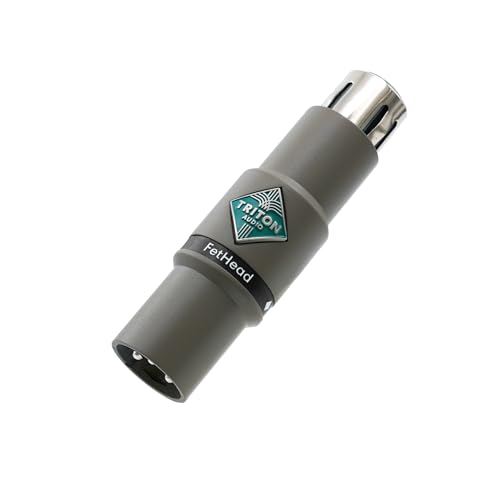
- Inline preamp for extra gain
- Low-noise Class-A JFET design
- Shielded compact enclosure
Best For: Vocalists and recording users needing inline gain
DBX 580
Feature-Rich Professional Mic Preamp

- Up to 60dB of gain
- Includes low-cut filter, EQ, pad, and polarity invert
- Flexible for vocal shaping and cleanup
Best For: Users wanting a feature-rich preamp with vocal control
Character-Driven Studio Preamp
Warm Audio TB12 Tone Beast Microphone Preamp

- Variable character design for tonal shaping
- Discrete op-amp section with Cinemag transformers
- Highpass filter for tighter vocal low end
Best For: Vocal recording setups that need added color and tone control
Full Channel Strip
dbx 286SV Microphone Preamp & Processor

- Compression, de-esser, enhancer, and gate included
- Built to help vocals sit forward with clarity
- Rack-mountable 1U unit with LED metering
Best For: Vocal tracking and live setups needing built-in processing
Clean Gain Booster

- +25dB clean gain for low-output mics
- Made for dynamic and passive ribbon microphones
- Compact metal body with XLR input/output
Best For: Dynamic and ribbon vocal mics that need clean gain
Ultra-Low-Noise Vocal Boost
RO-04 0–72 dB Mic Preamp with Hi-Z

- -120 dBV EIN for very low noise
- 0–72 dB gain for vocals and dynamic mics
- 48V phantom power plus Hi-Z instrument input
Best For: Vocals, streaming, and low-output mics
Simple Balanced Vocal Booster

- 20 dB balanced gain for clean vocal boosting
- 48V power works with dynamic and condenser mics
- Compact metal case for portable setups
Best For: Simple, portable vocal boosting
Flexible Low-Noise Vocal Preamp

- -120 dBV EIN for low-noise recording
- 19–66 dB usable gain range
- XLR/TRS/TS outputs with 1 MΩ instrument input
Best For: Vocal recording with added instrument flexibility
Cloudlifter CL-1 – Ultra-Clean Gain for Quiet Vocal Mics
If you need a microphone preamp for vocals that simply adds clean gain, the Cloudlifter CL-1 is built for that job. It gives passive dynamic and ribbon mics up to +25dB of ultra-clean boost while using phantom power safely, helping quieter vocal sources come through with more clarity and less noise.
Best For: Singers, podcasters, and streamers using passive mics that need extra clean gain.
Pros:
- Up to +25dB of clean gain for quiet vocal and speech sources
- Uses phantom power without passing it to the microphone
- Designed to reduce noise and improve clarity
- Works well for studio recording, live sound, podcasting, and streaming
Cons:
- Requires phantom power from the connected mic preamp
- Made for passive mics, not a full featured channel strip
The CL-1 is a straightforward choice if your main goal is to make a vocal mic louder without coloring the sound. It’s best when you want cleaner level before the main preamp, especially with low-output mics that need help.
ART Tube MP – Warm Single-Channel Tube Preamp
The ART Tube MP is a single-channel tube microphone preamp for vocals and other sources when you want a simple tube-based front end. Its compact design makes it a practical option for adding one preamp channel to a home or project setup.
Best For: Budget-conscious users who want a basic single-channel tube mic preamp.
Pros:
- Single-channel microphone/instrument preamplifier
- Tube-based design for a different front-end option
- Simple compact format for small setups
Cons:
- Supplied notes do not detail gain range or vocal-specific features
- Less specialized than some dedicated low-noise vocal boost solutions
If you want a basic tube preamp in the signal chain, the Tube MP keeps the feature set simple. It fits users who prioritize an affordable single-channel preamp over advanced vocal processing.
Triton Audio FetHead – Inline Low-Noise Mic Boost
For a microphone preamp for vocals that sits inline and adds gain before your main preamp, the Triton Audio FetHead is a focused option. It uses a low-noise Class-A JFET amplifier design with shielding, making it a practical helper for vocal mics that need a cleaner boost.
Best For: Vocalists and recording users who want an inline low-noise gain booster.
Pros:
- Inline microphone preamp format
- Low-noise Class-A JFET amplifier design
- Shielded enclosure for added protection
- Uses matched JFETs in a compact signal-boosting solution
Cons:
- Only provides in-line gain boosting, not a full preamp channel
- Best suited to mics and setups that need extra front-end gain
The FetHead is a good pick when you want a small, purpose-built gain stage rather than a larger recording preamp. It’s especially useful when the goal is to improve level while keeping the signal path simple.
DBX 580 – Feature-Rich Professional Mic Preamp
The DBX 580 is a professional mic preamp for vocals when you want more control than a simple gain booster. It offers up to 60dB of gain, a variable low-cut filter, EQ, pad, and polarity invert, making it a flexible front end for vocal recording.
Best For: Users who want a feature-rich preamp with vocal shaping tools.
Pros:
- Up to 60dB of gain for demanding mic sources
- Variable-frequency low-cut filter for cleanup
- Low and high detail equalization for tonal shaping
- Includes 20dB pad and polarity invert
Cons:
- More complex than a simple inline gain booster
- Built for users who need extra control, not just clean gain
The DBX 580 stands out if you want a vocal preamp that can do more than raise level. Its extra controls make it easier to tailor the input before recording, which is helpful in more hands-on studio setups.
Character-Driven Studio Preamp – Warm Audio TB12 Tone Beast Microphone Preamp
If you want a microphone preamp for vocals with more personality than a plain clean booster, the Warm Audio TB12 Tone Beast is built for that job. Its variable character design, discrete op-amp section, selectable capacitors, and Cinemag transformers give you multiple ways to shape the sound before it ever hits your interface or recorder.
Best For: Vocal recording setups that benefit from tone shaping, added character, and transformer-based color.
Pros:
- Variable character design lets you tailor the preamp response
- Discrete op-amp section and Cinemag transformers add tonal color options
- Highpass filter helps control low-end buildup on vocal tracks
- XLR connectivity fits standard studio recording chains
Cons:
- More specialized than a simple transparent preamp
- Focuses on tone shaping rather than being a basic one-knob solution
This is a strong pick if your vocal chain needs more than gain alone. The TB12 is best when you want to experiment with character and filtering while staying in a straightforward corded, XLR-based setup.
Full Channel Strip – dbx 286SV Microphone Preamp & Processor
The dbx 286SV is a microphone preamp for vocals when you want more than just clean gain. It combines a mic preamp with compression, de-essing, enhancer, and expander/gate processing, so you can tighten up a vocal chain before mixing.
Best For: Vocal tracking and live setups that need built-in dynamics and cleanup tools.
Pros:
- Includes compression, de-esser, enhancer, and expander/gate in one unit
- Designed to help vocals stand out with greater clarity and presence
- Floating balanced XLR mic input works with balanced or unbalanced sources
- Rack-mountable 1U format with metering LEDs for quick status checks
Cons:
- Larger rack unit is less compact than desktop-style options
- May be more processing than needed if you only want basic gain
If you want an all-in-one vocal front end, this dbx unit is easy to understand and flexible enough for both studio and live work. It is especially useful when you want to manage dynamics and sibilance before the signal reaches the rest of your chain.
Clean Gain Booster – StudioMan CL-100 XLR Preamp
The StudioMan CL-100 is a microphone preamp for vocals built specifically for dynamic microphones and passive ribbon mics. It adds up to +25dB of clean gain in a compact XLR I/O design, making it a practical choice when your mic signal needs a straightforward level boost.
Best For: Dynamic and passive ribbon vocal mics that need clean, low-noise gain.
Pros:
- +25dB clean gain helps low-output mics reach recording levels
- Designed for dynamic microphones and passive ribbon mics
- Supports 48V phantom power in the signal path
- Compact metal chassis is portable and desk-friendly
Cons:
- Best suited to dynamic and ribbon microphones rather than every mic type
- Sound is aimed at clean boosting, not tonal shaping features
This is the most direct option in the group if your priority is usable gain without a bulky setup. It makes sense for home studios, streaming, and live work where a small low-noise booster is the main requirement.
Ultra-Low-Noise Vocal Boost – RO-04 0–72 dB Mic Preamp with Hi-Z
If you need a microphone preamp for vocals that can add serious clean gain without bringing up hiss, the RO-04 is built for that job. Its -120 dBV EIN rating, wide 0–72 dB gain range, and support for both mic and instrument sources make it a flexible choice for singers, streamers, and home-recording setups that need dependable level boosting.
Best For: Vocals, streaming, and recording low-output microphones that need quiet gain.
Pros:
- -120 dBV EIN helps keep the noise floor low when adding gain.
- 0–72 dB gain range suits quiet vocals and demanding dynamic mics.
- 48V phantom power supports condenser microphones.
- Separate mic and instrument inputs with Hi-Z support add setup flexibility.
Cons:
- Two output levels may take some setup to match your recording device.
- Feature-rich design may be more than a simple vocal-only setup needs.
The RO-04 is strongest when you want a versatile vocal preamp with enough gain headroom to handle low-output mics cleanly. It stands out for users who also want mobile power options and instrument support in the same box.
Simple Balanced Vocal Booster – Compact 20 dB Mic Preamp
This microphone preamp for vocals keeps things straightforward: balanced amplification, 20 dB of gain, and a low-noise design intended to add clean level without changing the sound much. It’s a practical pick if you want a compact booster for home studios, podcasting, recording, or live streaming and don’t need a wide control range.
Best For: Users who want a simple, portable vocal booster with clean gain.
Pros:
- 20 dB gain provides a modest clean boost for vocal chains.
- Balanced circuit design is described as ultra low noise and transparent.
- 48V power supports dynamic and condenser microphones.
- Compact black metal case is easy to carry and helps resist interference.
Cons:
- Fixed 20 dB gain offers less flexibility than variable-gain preamps.
- No extra routing or instrument-specific features are listed.
The appeal here is simplicity: a lightweight mic booster that focuses on clean amplification for vocal use. If you want a straightforward add-on for recording or streaming, it covers the basics without complexity.
Flexible Low-Noise Vocal Preamp – RO03 66 dB Gain Mic Booster
If you’re shopping for a microphone preamp for vocals that can also handle instruments and flexible routing, the RO03 is tuned for that kind of multi-use setup. It offers a 19–66 dB gain range, -120 dBV EIN noise performance, and multiple output options, making it a strong fit for users who want a cleaner signal path on a budget.
Best For: Vocal recording setups that also need instrument support and TRS interface connection options.
Pros:
- -120 dBV EIN aims for professional-grade low-noise performance.
- 19–66 dB gain range is designed to be realistic and usable.
- 1 MΩ instrument input improves compatibility for DI-style use.
- XLR/TRS/TS connectivity and Type-C power add flexibility for different rigs.
Cons:
- Mic and instrument input ports cannot be used at the same time.
- Best results depend on using the recommended TRS line input connection.
The RO03 is a practical choice when you want a vocal preamp that does more than boost a mic. Its low-noise design and improved instrument input make it especially appealing for compact recording setups with multiple needs.
How We Picked the Best Microphone Preamp for Vocals
We looked for models that solve real vocal recording problems: enough gain for dynamic and ribbon mics, low noise at higher settings, solid build quality, and useful extras like phantom power, compression, or filtering. Because every Microphone Preamp for Vocals serves a slightly different workflow, we included both transparent gain boosters and more colored, feature-rich designs.
Quick Comparison: What Sets Them Apart
Some picks are best for simple signal boosting before an interface, while others function as stand-alone front-end tools for shaping tone on the way in. Inline boosters are usually compact and straightforward. Traditional preamps and channel strips are better if you want more control over gain staging, tone, and dynamics before recording.
Key Buying Factors for a Microphone Preamp for Vocals
Gain and Noise Performance
Look for enough clean gain to drive your microphone without introducing hiss. This matters most with low-output dynamics and ribbons, especially if your interface preamp is already near its limit.
Phantom Power and Mic Compatibility
Condenser microphones need 48V phantom power, while many dynamic and ribbon mics do not. Make sure the preamp matches your mic type and does not disable needed features in your signal chain.
Tone Shaping and Workflow
Some vocalists want the cleanest path possible; others want a little warmth, compression, or de-essing on the way in. A Microphone Preamp for Vocals should fit your recording style, not force one sound.
Connections and Portability
Check whether you need XLR in and out, inline mounting, Hi-Z support, or a compact metal housing for mobile use. Easy integration can matter as much as raw specifications.
Who Should Buy Which Microphone Preamp for Vocals?
If you want maximum simplicity and clean boost, choose an inline solution. If you record vocals often and want more tone control, step up to a traditional preamp or channel strip. If you track multiple sources or want built-in processing for a polished take, a feature-rich unit may be the better long-term value. For most buyers, the best choice is the one that gives enough gain for your mic, stays quiet at real-world settings, and supports the way you actually record.