
The best condenser microphones can capture detailed vocals, speech, instruments, and streams, but the right model depends on your recording setup, connection type, and budget.
We compared 10 popular USB and XLR options to help you choose a microphone that fits your workflow, from plug-and-play computer recording to more advanced studio production.
Best 10 Condenser Microphones Picks for 2026
Best Value Studio Standard
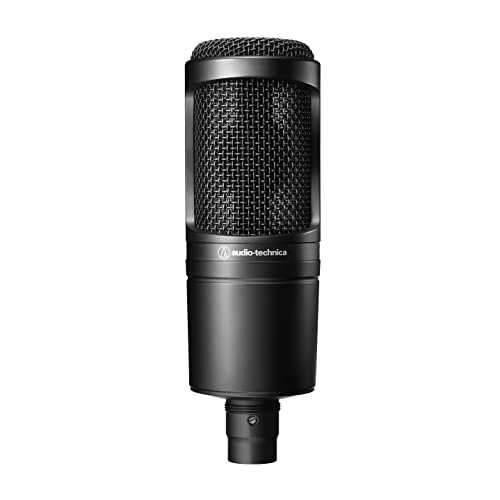
- Cardioid XLR condenser for home studios
- Handles high SPL with a wide dynamic range
- Requires phantom power and supporting gear
Best For: Home-studio recording with an audio interface
Best USB Streaming Control

- USB-C plug-and-play setup for PC and Mac
- Clipguard 2.0 and Auto Gain protect levels
- Built-in DSP effects and headphone monitoring
Best For: Streaming and desktop content creation
Best Complete XLR Vocal Kit
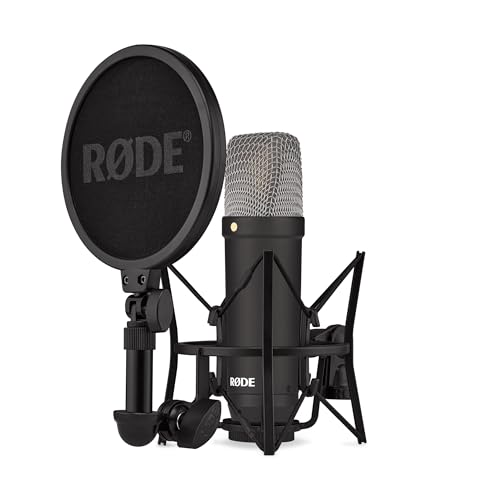
- Large-diaphragm cardioid studio condenser
- Very low 4.5 dBA self-noise
- Includes shock mount, pop filter, and XLR cable
Best For: Vocal recording with an audio interface
Best Flexible Starter Bundle

- USB and XLR connections for flexible setups
- USB recording up to 192kHz/24-bit
- Includes boom arm, shock mount, pop filter, and windscreen
Best For: Podcasting and home recording on a starter budget
Studio Detail Pick

- Cardioid large-diaphragm design
- High SPL handling with pad and filter
- Includes custom shock mount
Best For: XLR studio recording, podcasting, streaming, and live use
Easy USB Value

- Plug-and-play computer connection
- Cardioid pickup for clear voice capture
- Includes stand and volume knob
Best For: Desktop calls, gaming, streaming, and voice recording
Hybrid Studio Upgrade

- XLR and USB-C connectivity
- Ultra-low noise with high SPL handling
- Includes shock mount, pop filter, and cables
Best For: Flexible vocal, voiceover, podcast, and instrument recording
Best Budget USB Mic
Amazon Basics Condenser Microphone

- Plug-and-play USB setup
- Cardioid pickup helps reduce background noise
- Adjustable stand with one-tap mute
Best For: Beginners streaming, podcasting, or recording on a computer
Best Studio-Ready XLR Mic
Shure SM4 Condenser Microphone Kit

- XLR mic requiring phantom power
- Integrated pop filter and shock mount
- Handles sound levels up to 140 dB
Best For: Home studios recording vocals and instruments through an interface
Most Versatile USB Mic
Logitech Blue Yeti USB Microphone

- Four selectable pickup patterns
- Onboard gain, mute, and headphone controls
- Blue VO!CE software support
Best For: Streamers and podcasters needing flexible USB recording
Best Value Studio Standard – Audio-Technica AT2020
The Audio-Technica AT2020 is a practical starting point for anyone shopping for condenser microphones for a project or home studio. Its cardioid pattern helps reduce sound from the sides and rear, while high SPL handling and a wide dynamic range support a variety of recording applications.
Best For: Home-studio vocals, instruments, and users who already have an audio interface.
Pros:
- Cardioid pickup pattern improves isolation of the desired source.
- High SPL handling and wide dynamic range add recording versatility.
- Custom-engineered low-mass diaphragm supports extended frequency and transient response.
- Durable metal enclosure with a two-year parts-and-labor warranty.
Cons:
- Requires phantom power and an XLR connection.
- Does not include an audio interface or complete mounting kit.
The AT2020 keeps the setup focused on essential studio recording performance. Choose it when you want a straightforward XLR condenser microphone and already have the supporting equipment.
Best USB Streaming Control – Elgato Wave:3 MK.2
The Elgato Wave:3 MK.2 is a convenient choice among condenser microphones for PC and Mac streaming, recording, and calls. It connects over USB-C and combines automatic gain, Clipguard 2.0 protection, onboard processing, and direct headphone monitoring in one desktop-focused setup.
Best For: Streamers, podcasters, and creators who want plug-and-play USB recording with software control.
Pros:
- USB-C connection enables quick setup on a laptop or computer.
- Clipguard 2.0 and Auto Gain help reduce clipping and level-setting guesswork.
- Built-in voice enhancer, compressor, EQ, and Wave Link routing expand control.
- Includes a desk stand, adapters, USB-C cable, and integrated headphone jack.
Cons:
- Designed around USB connectivity rather than an XLR studio chain.
- Its advanced effects and routing depend on Wave Link software.
The Wave:3 MK.2 is built for users who value immediate control over traditional studio expansion. Its tap-to-mute control, multifunction dial, LED feedback, and software effects make it especially suited to desk-based content creation.
Best Complete XLR Vocal Kit – RØDE NT1 Signature
The RØDE NT1 Signature is a strong option for shoppers seeking condenser microphones with a vocal-focused studio design. Its large-diaphragm capsule, tight cardioid pattern, and exceptionally low stated self-noise are paired with a shock mount, pop filter, and XLR cable for a more complete recording setup.
Best For: Vocal recording, streaming, and home studios that can add an audio interface.
Pros:
- Large-diaphragm design uses the established NT1 studio voicing.
- Tight cardioid pickup focuses on the voice and rejects room sound.
- Very low 4.5 dBA self-noise supports quiet recording.
- Includes an SM6 shock mount with pop filter, six-meter XLR cable, and dust cover.
Cons:
- Requires an audio interface and suitable XLR setup.
- Less convenient for users seeking direct USB plug-and-play operation.
The NT1 Signature is a sensible choice when vocal clarity and a quiet signal path matter more than built-in digital controls. The included accessories reduce the number of separate purchases needed to begin recording.
Best Flexible Starter Bundle – MAONO A04 Gen2
The MAONO A04 Gen2 stands out among condenser microphones for buyers who want both USB convenience and XLR flexibility. It supports USB recording at up to 192kHz/24-bit, while its cardioid capsule, included accessories, and software controls make it suitable for podcasting, voiceover, streaming, and home recording.
Best For: New creators who need a bundled USB setup now and the option to use XLR equipment later.
Pros:
- Dual USB and XLR connectivity supports computers, phones, interfaces, and mixers.
- USB mode offers up to 192kHz/24-bit recording and MAONO Link controls.
- Software includes adjustable gain, noise reduction, EQ presets, compressor, and limiter.
- Bundle includes arm stand, shock mount, pop filter, windscreen, base, and USB cable.
Cons:
- XLR cable is not included.
- Software features such as noise reduction and processing work only in USB mode.
- Not compatible with Xbox.
The A04 Gen2 offers an adaptable path from simple computer recording to a more traditional mixer or interface setup. It is particularly practical when a buyer wants the stand and basic accessories included, rather than assembling a kit separately.
Studio Detail Pick – Audio-Technica AT2035
The Audio-Technica AT2035 is a versatile choice among condenser microphones for home studios, project studios, professional recording, and live performance. Its cardioid pattern helps isolate the intended source, while the large diaphragm, low noise, high SPL handling, switchable high-pass filter, and 10 dB pad support a wide range of recording needs.
Best For: Studio vocals, instruments, podcasting, streaming, and live applications using an XLR setup.
Pros:
- Cardioid pattern reduces pickup from the sides and rear.
- Large diaphragm delivers smooth, natural sound with low noise.
- High SPL handling, 80 Hz high-pass filter, and 10 dB pad add flexibility.
- Includes a custom shock mount for improved isolation.
Cons:
- Uses an XLR connection, so it requires compatible audio equipment.
- Does not offer direct USB connectivity.
The AT2035 is a practical all-around condenser microphone for buyers who want controlled, detailed recording and useful studio features in a rugged XLR design.
Easy USB Value – FIFINE K669B USB Microphone
The FIFINE K669B is one of the more straightforward condenser microphones for computer recording, meetings, gaming, streaming, and voice work. Its plug-and-play USB design connects directly to compatible computers, and the included tripod stand and volume knob make it convenient for desktop use.
Best For: PC and Mac users who need an affordable desktop microphone for calls, streaming, gaming, podcasting, or voiceovers.
Pros:
- Plug-and-play USB setup with a USB-B to USB-A/C cable.
- Cardioid pickup focuses on the main voice source.
- Built-in volume control allows quick level adjustment or muting.
- Metal construction and tripod stand suit regular desktop use.
Cons:
- Not compatible with Xbox or phones according to the supplied notes.
- USB desktop format is less suited to traditional XLR studio setups.
Choose the K669B if simple computer connectivity matters more than modular studio integration. It provides a convenient, self-contained setup for everyday voice recording and communication.
Hybrid Studio Upgrade – RØDE NT1 5th Gen
The RØDE NT1 5th Gen combines the familiar character of a studio condenser microphone with both XLR and USB-C connectivity. It offers an ultra-low-noise capsule, high SPL handling, an onboard Revolution Preamp, and high-resolution USB conversion, making it adaptable for studio and computer-based recording.
Best For: Vocalists, voiceover artists, podcasters, and musicians who want one microphone for XLR interfaces and direct USB-C recording.
Pros:
- Supports both XLR and direct USB-C recording.
- Ultra-low self-noise and high SPL handling suit varied sources.
- USB recording supports resolution up to 192 kHz and clip-proof 32-bit float.
- Includes a shock mount, pop filter, dust cover, and connection cables.
Cons:
- Its broader feature set may be more than basic users need.
- The USB-C and XLR workflows still require compatible equipment and cables.
The NT1 5th Gen is a strong choice for buyers who want a polished studio microphone without choosing between an audio interface and direct computer recording.
Best Budget USB Mic – Amazon Basics Condenser Microphone
If you want an uncomplicated entry point into condenser microphones, this Amazon Basics USB model focuses on clear voice pickup, easy setup, and useful desktop features. Its cardioid pattern helps reduce background noise, while the adjustable stand and one-tap mute button suit streaming, calls, podcasting, and basic recording.
Best For: Beginners who need a plug-and-play USB condenser microphone for streaming, conferencing, podcasting, or casual music recording.
Pros:
- USB plug-and-play setup requires no additional drivers.
- Cardioid pickup pattern helps isolate the speaker from background noise.
- Includes a 360-degree adjustable stand, built-in shock absorber, and one-tap mute.
Cons:
- USB connectivity is less suited to setups built around XLR audio interfaces.
- Its feature set is oriented toward desktop use rather than advanced studio control.
This is a practical choice among condenser microphones for users who value convenience and a compact desktop setup. It can also be detached for use with a tripod, boom arm, or compatible microphone stand.
Best Studio-Ready XLR Mic – Shure SM4 Condenser Microphone Kit
The Shure SM4 is a more studio-focused option among condenser microphones, using an XLR connection and phantom power through an audio interface. Its dual-diaphragm capsule, uniform cardioid pattern, integrated pop filter, and RF shielding are designed to deliver controlled, clean recordings for vocals and instruments.
Best For: Home-studio users recording vocals, instruments, podcasts, or video content with an XLR interface.
Pros:
- Brass 1-inch dual-diaphragm capsule provides smooth highs and controlled low frequencies.
- Integrated pop filter and magnetic detachable filter help reduce plosives and rumble.
- Includes a shock mount, stand adapter, carrying case, and RF interference protection.
- Handles sound levels up to 140 dB without distortion.
Cons:
- Requires phantom power and an audio interface rather than connecting directly by USB.
- Its XLR workflow may be more equipment than beginners need.
Choose this kit when recording quality, durable all-metal construction, and a more complete studio setup matter more than immediate plug-and-play simplicity. The large sweet spot and reduced proximity effect can also make close-miking more consistent.
Most Versatile USB Mic – Logitech Blue Yeti USB Microphone
The Logitech Blue Yeti stands out among condenser microphones for its flexible USB design and four selectable pickup patterns. Its three-capsule array, onboard gain and headphone controls, and included desktop stand make it useful for solo streaming, interviews, podcasts, meetings, and music recording without requiring an audio interface.
Best For: Streamers, podcasters, and creators who want multiple recording patterns and hands-on controls from one USB microphone.
Pros:
- Offers cardioid, omnidirectional, bidirectional, and stereo pickup patterns.
- Onboard controls include headphone volume, gain, pattern selection, and instant mute.
- Supports no-latency monitoring and works with Mac or PC through USB.
- Optional Blue VO!CE software provides vocal effects and broadcast-style processing.
Cons:
- The larger desktop design weighs 3.5 pounds.
- USB connectivity does not provide the XLR output used in interface-based studio systems.
This is a strong all-purpose pick if your recording needs change from solo voice to group or two-person formats. The multiple patterns offer flexibility that many basic USB condenser microphones do not, while the stand and controls keep the setup accessible.
How We Picked These Condenser Microphones
We focused on microphones suited to common recording needs, including podcasting, streaming, voice-over work, vocals, meetings, and home-studio production. The selection includes both USB models for simple computer setups and XLR microphones for users who want an audio interface, mixer, or more upgradeable signal chain.
We also considered pickup pattern, connection flexibility, included accessories, monitoring controls, brand reputation, and the type of user each microphone is designed to serve. Because sound quality is influenced by room acoustics and microphone technique, we prioritized practical features rather than relying on specifications alone.
Quick Comparison
| Best For | What to Look For |
|---|---|
| Plug-and-play recording | USB connectivity, headphone monitoring, and simple controls |
| Home studios | XLR output, low self-noise, and a compatible interface |
| Streaming and gaming | Easy gain adjustment, mute control, and a stable stand |
| Podcasting | Clear speech reproduction and useful off-axis rejection |
| Upgradeable setups | XLR and USB connectivity or a dependable studio-grade XLR design |
Key Buying Factors for Condenser Microphones
USB or XLR Connection
USB microphones connect directly to a computer and are usually the easiest choice for beginners, remote meetings, and streaming. XLR microphones require an audio interface or mixer, but they offer more control and can remain useful as your recording system grows. Dual-output models provide both forms of connectivity.
Polar Pattern and Room Noise
A cardioid pattern primarily captures sound from the front while reducing pickup from the sides and rear. This is useful for solo vocals, podcasts, and streaming. However, Condenser Microphones are sensitive, so fans, keyboard noise, reflections, and untreated rooms can still affect recordings.
Monitoring and Controls
Headphone output, direct monitoring, mute buttons, gain controls, and onboard digital processing can make a major difference for live use. These features are especially helpful when you need to adjust levels quickly without opening software.
Accessories and Setup
Check whether the microphone includes a stand, shock mount, pop filter, cable, or boom-mount compatibility. A pop filter can reduce plosive sounds, while a shock mount may limit vibration transmitted through a desk or stand.
Who Should Buy Which Condenser Microphones?
Choose a USB model if you want the fastest setup for streaming, gaming, meetings, or podcasting with a computer. A basic USB microphone can be sufficient for casual recording, while models with monitoring and DSP controls are better for creators who adjust sound during live sessions.
Choose an XLR microphone if you already own an interface or want a more traditional studio workflow. These models are a stronger fit for vocal recording, instruments, and users who expect to upgrade other parts of the signal chain. If you want maximum flexibility, consider a microphone with both XLR and USB-C outputs.
Whichever model you choose, place it close enough for a strong direct signal, speak toward the front of the microphone, and treat the room as much as your budget allows. Good placement and gain settings often improve results more than small specification differences.