
Choosing the best condenser microphone for piano recording depends on the instrument, room, placement, and whether you want a focused mono sound or a spacious stereo image. The right microphone can capture the piano’s attack, resonance, and dynamic range without making setup unnecessarily complicated.
This roundup includes large-diaphragm studio microphones, stereo pencil pairs, clip-on options, and USB/XLR kits for different budgets and recording environments.
Best 10 Condenser Microphone for Piano Recording Picks for 2026
Versatile Studio Choice

- Three selectable pickup patterns
- 155 dB SPL handling with pad
- Shock mount and case included
Best For: Grand piano and versatile studio recording
Stereo Detail Kit

- Two pencil condensers for stereo capture
- Three interchangeable pickup patterns
- Case, clips, and windscreens included
Best For: Stereo piano and acoustic instrument recording
Quiet Large-Diaphragm Pick
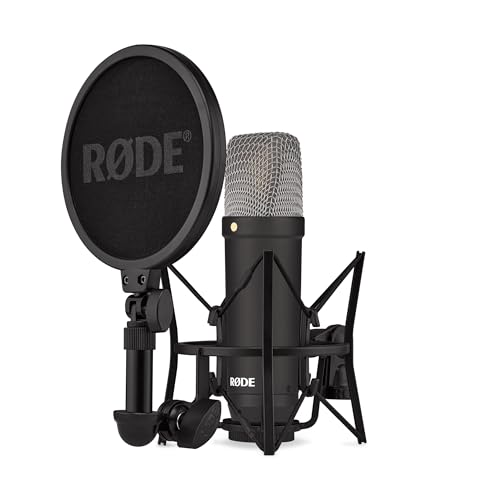
- Low listed 4.5 dBA self-noise
- Focused cardioid pickup pattern
- Shock mount, cable, and pop filter included
Best For: Quiet, focused piano and studio recording
Affordable Studio Pick

- Large-diaphragm condenser capsule
- Cardioid pattern reduces ambient pickup
- Includes shock mount and XLR cable
Best For: Budget home and project studios recording piano through XLR gear
Proven Home-Studio Standard
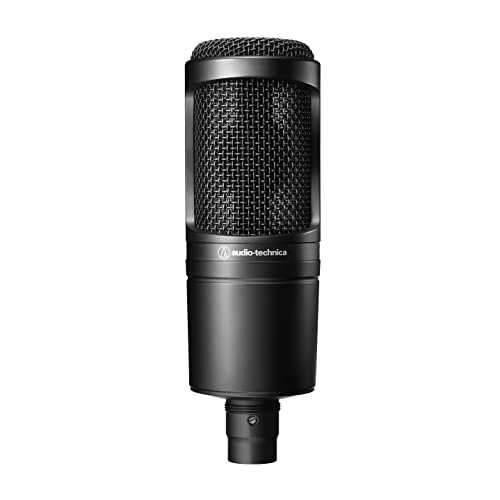
- Low-mass diaphragm captures transient detail
- High SPL handling and wide dynamic range
- Cardioid XLR design improves isolation
Best For: Versatile project and home studios with phantom-power equipment
Complete Starter Kit

- Includes boom arm and XLR cable
- 16 mm capsule with 20 Hz–20 kHz response
- Requires 48V phantom power
Best For: Beginners wanting an accessory-rich XLR home-studio setup
Best Clip-On Choice

- Accurate, shock-resistant UniMount clip
- Cardioid pattern helps isolate the instrument
- Extended response for performance detail
Best For: Close-miking piano and other instruments
Best Studio Flexibility
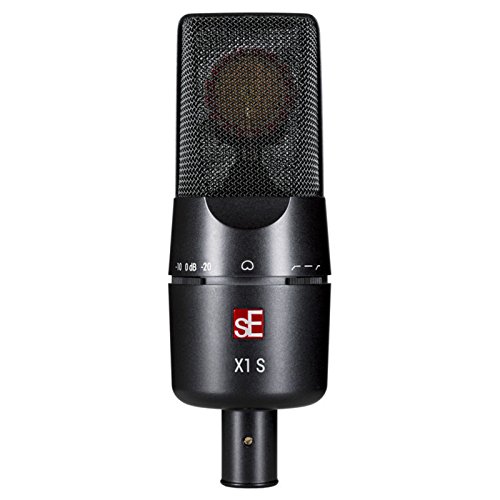
- Hand-crafted 1-inch condenser capsule
- Switchable 80/160 Hz low-cut filters
- -10/-20 dB pads and 160 dB SPL handling
Best For: Controlled studio piano recording with XLR gear
Best Hybrid Starter Kit

- USB and XLR connectivity
- Up to 192 kHz/24-bit USB recording
- Includes arm, shock mount, and pop filter
Best For: Flexible home recording with computer or interface
Versatile Studio Choice – AKG P420
The AKG P420 is a flexible condenser microphone for piano recording, especially when you want to experiment with different room and instrument perspectives. Its selectable polar patterns, high SPL handling, and included shock mount make it suitable for detailed studio work and louder sources.
Best For: Grand piano, ensemble recording, drums, brass, woodwinds, and ambient studio capture.
Pros:
- Three selectable patterns—cardioid, omnidirectional, and figure-eight—support varied recording setups.
- Handles sound pressure levels up to 155 dB with the switchable attenuation pad.
- Low-noise, transformerless electronics and a one-inch dual-diaphragm design support a wide dynamic range.
- Includes a spider shock mount and aluminum carrying case.
Cons:
- It is a single microphone, so stereo piano techniques require an additional compatible microphone.
- Requires an XLR connection and suitable phantom-power equipment.
Choose the P420 if you want one studio microphone that can adapt from focused piano capture to roomier ensemble recording. The multi-pattern design offers more placement options than a fixed-pattern model.
Stereo Detail Kit – LyxPro SDPC-2 Stereo Pair
The LyxPro SDPC-2 is a practical condenser microphone for piano recording when stereo capture is the priority. The matched-style pencil pair is designed for detailed instrument recording and includes interchangeable capsules for adjusting focus, room sound, and isolation.
Best For: Stereo piano recording, acoustic instruments, drum overheads, orchestras, choirs, and room ambience.
Pros:
- Two pencil condensers provide a ready-made stereo recording setup.
- Omnidirectional, cardioid, and super-cardioid capsules accommodate different placement needs.
- Designed to capture piano attack, acoustic detail, and natural instrument tone.
- Includes clips, windscreens, interchangeable capsules, and an aluminum carrying case.
Cons:
- Requires two compatible XLR inputs and phantom power for stereo operation.
- Small-diaphragm stereo placement may require more setup experimentation than using one microphone.
For players and engineers seeking a dedicated stereo approach, the SDPC-2 offers more flexibility than a single fixed-pattern microphone. Its capsule options also make it useful beyond piano recording.
Quiet Large-Diaphragm Pick – RØDE NT1 Signature
The RØDE NT1 Signature is a large-diaphragm condenser microphone for piano recording when a quiet, focused cardioid setup suits your room. It includes a shock mount, pop filter, XLR cable, and dust cover, making it a straightforward option for a compatible interface-based studio.
Best For: Focused piano takes, vocals, streaming, and home or project studios with an audio interface.
Pros:
- Very low listed self-noise of 4.5 dBA helps keep quiet passages clean.
- Cardioid pickup focuses on the source and rejects sound from the room.
- Includes the SM6 shock mount, pop filter, six-meter XLR cable, and dust cover.
- Ten-year warranty is available with registration.
Cons:
- Its fixed unidirectional pattern offers less placement flexibility than multi-pattern models.
- It is a single microphone, not a complete stereo piano pair.
- Requires an audio interface with an XLR input.
The NT1 Signature is a strong fit when low noise and directional focus matter more than pattern switching. For wider piano imagery, you may need a second microphone or a different recording approach.
Budget Stereo Starter – NEEWER NW-8000 Pair
The NEEWER NW-8000 pair is an accessible condenser microphone for piano recording for users who want two pencil-style microphones and interchangeable capsules. The kit is aimed at instrument, orchestra, and live-sound applications and includes basic mounting and storage accessories.
Best For: Entry-level stereo instrument recording, acoustic sessions, orchestras, choirs, and live sound.
Pros:
- Two microphones support stereo placement for piano and other instruments.
- Interchangeable omni, cardioid, and super-cardioid capsules provide setup flexibility.
- Includes mic clips, foam windscreens, and a foam-padded aluminum case.
- Suitable for studio vocals, strings, horns, orchestras, choral groups, and ambient recording.
Cons:
- The supplied details list only an 18 kHz frequency response, which may limit high-frequency capture compared with wider-response options.
- Requires compatible XLR equipment and condenser-microphone power.
- The product details contain inconsistent accessory and power specifications, so verify compatibility before purchase.
The NW-8000 pair makes sense as a budget-conscious way to explore stereo piano placement and multiple pickup patterns. Buyers seeking more clearly documented specifications may prefer the LyxPro pair.
Affordable Studio Pick – Mackie EM-91C
If you need a condenser microphone for piano recording without moving into premium pricing, the Mackie EM-91C is a practical studio option. Its large-diaphragm capsule and cardioid pattern are suited to capturing instruments while reducing some ambient sound from the sides and rear. It uses an XLR connection and includes a shock mount and cable.
Best For: Home studios and budget-conscious piano recording setups using an audio mixer or compatible XLR gear.
Pros:
- Large-diaphragm condenser capsule for studio instrument recording
- Cardioid pattern helps reduce ambient pickup
- Includes shock mount and XLR cable
- Rugged stainless-steel construction
Cons:
- Requires compatible XLR equipment
- Not positioned as a complete USB or plug-and-play computer microphone
The EM-91C offers a straightforward, affordable route into XLR piano recording. Its included accessories help simplify setup, while the cardioid design can support cleaner results in a home or project studio.
Proven Home-Studio Standard – Audio-Technica AT2020
The Audio-Technica AT2020 is a dependable condenser microphone for piano recording when you want a widely established XLR studio design. Its low-mass diaphragm is intended to provide extended frequency response and transient detail, while high SPL handling and a wide dynamic range support varied recording applications.
Best For: Project and home studios seeking a versatile XLR condenser microphone for piano and other instruments.
Pros:
- Low-mass diaphragm supports extended frequency response and transient response
- High SPL handling suits versatile studio use
- Cardioid pattern improves isolation from side and rear sounds
- Includes a two-year parts-and-labor warranty
Cons:
- Requires phantom power from an audio interface or suitable recording setup
- Microphone-only package does not list a shock mount or XLR cable
For piano recording, the AT2020 is a sensible choice when transient response and isolation matter. Plan for an audio interface or other phantom-power source, and budget for any accessories not included.
Complete Starter Kit – MAONO PM320S
The MAONO PM320S is a condenser microphone for piano recording aimed at users who want more of the basic setup included. Its 16 mm condenser capsule, cardioid pattern, and stated 20 Hz–20 kHz response support studio recording, while the boom arm, shock mount, pop filter, windscreen, and XLR cable make it convenient for a home setup.
Best For: Beginners building an XLR home studio who also record vocals, streaming content, or voice-over work.
Pros:
- Includes boom arm, shock mount, pop filter, windscreen, and XLR cable
- Large 16 mm condenser capsule with stated 20 Hz–20 kHz response
- Cardioid pattern and shock mount help reduce unwanted room and handling noise
- Rugged all-metal housing
Cons:
- Requires a stable 48V phantom-power supply
- Its included accessories are especially oriented toward desk, vocal, and content-creation setups
The PM320S stands out for value and convenience rather than a bare microphone-only approach. It can work for a developing piano setup, provided your interface, mixer, or preamp supplies 48V phantom power and the boom arm suits your microphone placement.
Best Clip-On Choice – Audio-Technica PRO 35
The Audio-Technica PRO 35 is a practical condenser microphone for piano recording when you want close placement and a compact setup. Its UniMount clip helps position the microphone accurately while providing shock resistance, and the cardioid pattern helps reduce sound arriving from the sides and rear.
Best For: Close-miking piano or other instruments where secure, adjustable clip-on positioning matters.
Pros:
- UniMount clip supports accurate placement and helps protect the microphone element.
- Cardioid pickup improves isolation from unwanted side and rear sound.
- Extended frequency response captures subtle performance details.
- Includes a permanently attached 6-foot cable.
Cons:
- Its clip-on design is less suitable for general-purpose vocal or room recording.
- The XLR connection requires compatible recording equipment and phantom power.
Choose the PRO 35 if positioning flexibility and isolation are more important than a traditional studio-microphone setup. Its lightweight clip-on format can simplify close instrument recording.
Best Studio Flexibility – sE Electronics X1 S
The sE Electronics X1 S is a versatile condenser microphone for piano recording, with a hand-crafted 1-inch capsule, cardioid pickup, and a stated frequency range of 20 Hz to 20 kHz. Its switchable filters and attenuation pads give you more control when managing low-frequency rumble, proximity effect, or louder sources.
Best For: Studio users who want a full-size XLR microphone with adjustable filtering and level control.
Pros:
- Hand-made, gold-sputtered 1-inch capsule is designed for clear, detailed sound.
- 80 Hz and 160 Hz low-cut filters help manage rumble and proximity effect.
- -10 dB and -20 dB pads provide added flexibility for louder sources.
- Handles sound levels up to 160 dB according to the supplied specifications.
Cons:
- Requires an XLR setup and phantom power rather than direct USB connection.
- Its 1.5-pound body is less convenient for lightweight or portable setups.
The X1 S is a strong choice when you want a conventional studio microphone that can adapt to different recording levels and room conditions. The filter and pad controls are especially useful for refining a piano recording at the source.
Best Hybrid Starter Kit – MAONO A04 Gen2
The MAONO A04 Gen2 is a convenient condenser microphone for piano recording if you need both USB and XLR connectivity. USB supports plug-and-play computer or phone recording, while XLR works with an interface or mixer when phantom power is available. The included arm, shock mount, pop filter, and windscreen make it a ready-to-use home setup.
Best For: Home creators who want a flexible USB/XLR microphone kit with included positioning and vibration-control accessories.
Pros:
- Dual USB and XLR connections support computer, phone, interface, and mixer workflows.
- USB mode supports up to 192 kHz/24-bit recording and MAONO Link controls.
- Cardioid pickup, pop filter, and foam windscreen help reduce unwanted noise.
- Includes an adjustable arm stand, shock mount, pop filter, and windscreen.
Cons:
- An XLR cable is not included.
- USB software controls are available only in USB mode.
- The supplied setup is primarily intended for close placement, with a stated best range of 2 to 6 inches.
The A04 Gen2 stands out for convenience rather than specialized piano-miking features. Its hybrid connectivity and all-in-one accessories make it a practical starting point for home recording, especially if you may switch between USB and interface-based workflows.
How We Picked the Best Condenser Microphone for Piano Recording
We compared these microphones by considering their pickup patterns, capsule styles, connection options, included accessories, and suitability for piano recording. Stereo pairs received special attention because two matched or coordinated microphones can create a more natural sense of width around an acoustic piano. We also included versatile single microphones for players who prefer a simpler setup or need one mic that can handle vocals and other instruments.
Room acoustics and microphone placement matter as much as specifications. A well-positioned cardioid mic can outperform a more expensive model in a reflective room, while multi-pattern or omnidirectional options may be useful in a controlled space.
Quick Comparison
| Best for | Recommended type | Why it works |
|---|---|---|
| Stereo piano recording | Pencil condenser pair | Captures width, detail, and left-right balance |
| Flexible studio use | Multi-pattern condenser | Offers more placement and room options |
| Home studios | Cardioid large-diaphragm mic | Simple setup with focused pickup |
| Close or discreet placement | Clip-on instrument mic | Reduces stand clutter and placement changes |
| Computer-based recording | USB/XLR microphone | Works with computers while retaining upgrade flexibility |
Key Buying Factors for a Condenser Microphone for Piano Recording
Pickup Pattern
Cardioid microphones reject sound from behind and can help reduce room reflections. Omnidirectional patterns may sound more open but require a good-sounding room. Multi-pattern models provide the greatest flexibility for experimenting with placement and ambience.
Mono or Stereo Setup
A single condenser is easier to position and mix, but a stereo pair can preserve the piano’s scale and create a more immersive recording. Pencil condensers are commonly chosen for detailed stereo work, while large-diaphragm models can deliver a fuller single-mic sound.
Connection and Power
XLR condenser microphones require an audio interface or mixer with 48V phantom power. USB/XLR kits can connect directly to a computer, but confirm that the included accessories and software work with your recording setup.
Room, Accessories, and Placement
Check whether the microphone includes a shock mount, stand, cable, windscreen, or case. For piano, start with the mic above the open lid or near the soundboard, then adjust distance and angle to balance brightness, bass, and room sound. Use headphones while positioning rather than relying only on specifications.
Who Should Buy Which Condenser Microphone for Piano Recording?
Choose a pencil condenser pair if stereo width and detailed piano imaging are your top priorities. Pick a multi-pattern microphone if you record piano alongside vocals, ensembles, or other acoustic instruments and want more tonal options. A cardioid large-diaphragm model is a practical choice for a home studio seeking a straightforward, versatile microphone.
Clip-on microphones suit performers who need consistent close placement or a cleaner stage setup. USB/XLR models are best for beginners, creators, and home recordists who want computer connectivity now with the option to add an interface later. Before buying, make sure your interface supplies phantom power and that your room and stands can support the placement you intend to use.