
Choosing your first audio interface can feel complicated, especially when models look similar on paper. The right pick depends on your inputs, recording goals, monitoring setup, and budget.
We selected 10 accessible interfaces for beginners, covering simple solo recording, two-person sessions, streaming, guitar, vocals, and entry-level home studios.
Best 10 Audio Interface for Beginners Picks for 2026
Best Overall
Focusrite Scarlett Solo 3rd Gen
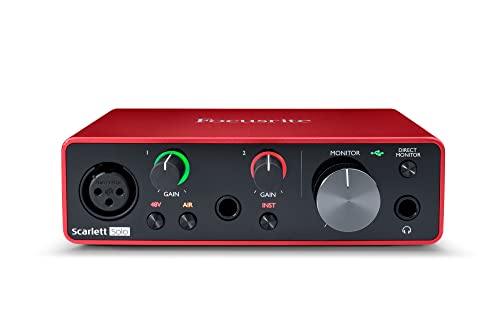
- Air mode and clear mic preamp
- Hi-Z input for guitar or bass
- 24-bit/192kHz recording with software bundle
Best For: First-time music and podcast recording
Best Plug-and-Play Pick

- Driver-free USB-C setup
- Two combo inputs with phantom power
- Direct monitoring and loopback functions
Best For: Laptop-based vocals, guitar, and streaming
Best Budget Starter
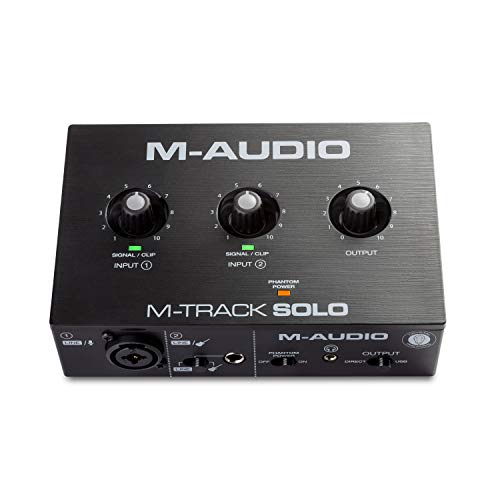
- Compact setup for recording and streaming
- Mic, line, and instrument inputs
- Includes MPC Beats and Ableton Live Lite
Best For: Basic home recording and podcasting
Best for Vintage-Style Sound
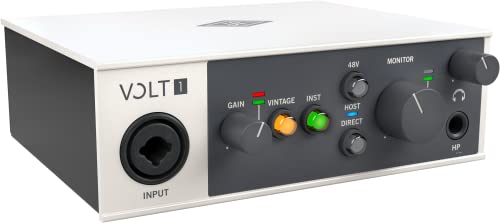
- Vintage mode for 610-style preamp character
- 24-bit/192kHz recording support
- Includes LUNA and creative production tools
Best For: Solo musicians learning production and recording
Best for Easy Setup
Focusrite Scarlett Solo 4th Gen

- One mic input plus a dedicated Hi-Z instrument input
- 24-bit/192kHz audio with 120dB dynamic range
- Includes several DAWs, effects, instruments, and mastering tools
Best For: Beginner songwriters recording vocals and guitar
Best Budget Pick
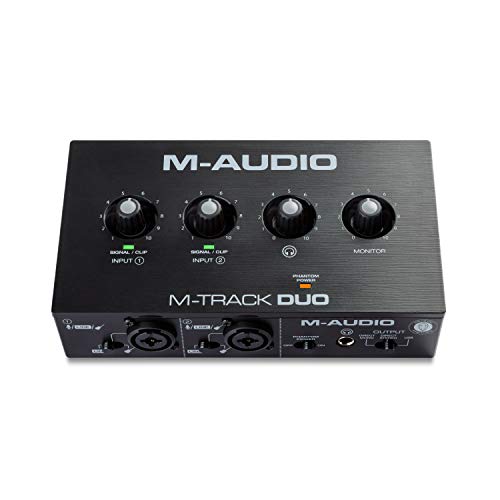
- Dual combo inputs handle microphones, instruments, and line sources
- USB/Direct switch enables zero-latency monitoring
- Includes MPC Beats production software
Best For: Affordable two-input recording, podcasting, and streaming
Best for Streaming
MAONO PS22 Lite USB Audio Interface

- 24-bit/192kHz recording with 106dB dynamic range
- ProStudio software provides virtual channels and loopbacks
- Compact, beginner-friendly design with direct monitoring
Best For: New streamers and creators recording vocals, guitar, and broadcasts
Best with Extra Features
Focusrite Scarlett 2i2 4th Gen

- Two inputs for microphones and instruments
- Auto Gain and Clip Safe simplify recording
- Includes a broad starter software bundle
Best For: Beginners building a flexible home studio
Best for Guitarists
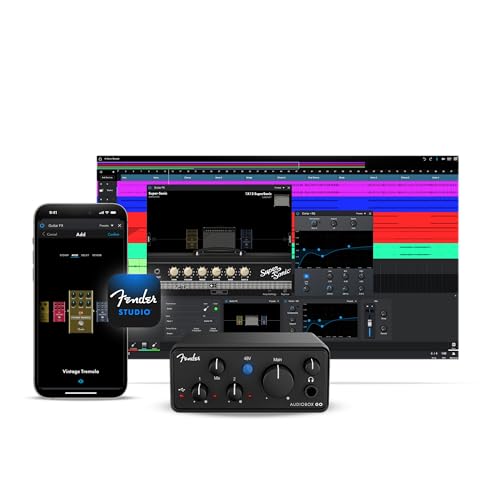
- Dedicated guitar and bass input
- Fender amp and effects software included
- Compact USB-C design with zero-latency monitoring
Best For: Guitarists and bassists making portable recordings
Best Simple Pick

- XLR and 3.5mm inputs for basic recording
- 48V phantom power for condenser mics
- USB-powered plug-and-play operation
Best For: Students and beginners on a tight budget
Best Overall – Focusrite Scarlett Solo 3rd Gen
The Focusrite Scarlett Solo 3rd Gen is a strong audio interface for beginners who want polished recordings and room to develop. Its single mic preamp, Hi-Z instrument input, Air mode, and 24-bit/192kHz recording support cover vocals, guitar, podcasts, and basic music production.
Best For: Beginners recording vocals, acoustic instruments, guitar, or podcasts who want high-resolution audio and a generous software bundle.
Pros:
- Clear mic preamp with switchable Air mode for added brightness.
- Dedicated Hi-Z instrument input for guitar or bass.
- 24-bit/192kHz converters, low-noise outputs, and zero-clipping Gain Halos.
- Includes Pro Tools Intro+, Ableton Live Lite, Cubase LE, and Hitmaker Expansion.
Cons:
- Offers only one XLR mic input.
- Uses a USB-C interface with a supplied USB Type-C-to-A cable, so newer USB-C-only setups may need a different cable.
For a beginner-friendly setup that can handle both music and spoken-word recording, the Scarlett Solo combines straightforward controls with useful expansion software and strong technical specifications.
Best Plug-and-Play Pick – PIYONE Q2 Alloy Red
The PIYONE Q2 Alloy Red is an approachable audio interface for beginners who prioritize simple setup and flexible two-channel recording. It uses USB-C for data and bus power, requires no drivers on Mac or PC, and adds combo inputs, phantom power, loopback, and direct monitoring.
Best For: Beginners using a laptop or mobile setup for vocals, guitar, streaming, and two-input recording.
Pros:
- Plug-and-play USB-C connection with no drivers required.
- Two combo inputs accept microphones, line sources, or Hi-Z instruments.
- 24-bit/192kHz recording and 48V phantom power support condenser microphones.
- Direct monitoring, loopback, and a standard 3.5mm headphone jack add flexibility.
Cons:
- Supplied details list Windows operating-system compatibility, so Mac or iOS support should be confirmed before purchase.
- Its 0.74 kg weight may be less convenient for frequent travel than lighter interfaces.
With two inputs and bus-powered USB-C operation, the Q2 Alloy Red is especially practical for new creators who want to connect a microphone and instrument without managing an external power supply.
Best Budget Starter – M-AUDIO M-Track Solo
The M-AUDIO M-Track Solo is a practical audio interface for beginners who want a compact way to record, podcast, or livestream. It provides one combo mic/line input, a separate line/instrument input, phantom power, and a USB/direct monitoring switch for latency-free listening.
Best For: First-time creators recording guitar, vocals, line-level sources, podcasts, or livestreams on Mac or PC.
Pros:
- Supports microphone, line, and instrument connections in a compact design.
- Crystal preamp supports condenser microphones with phantom power.
- USB/direct switch enables zero-latency monitoring.
- Includes MPC Beats and Ableton Live Lite for getting started.
Cons:
- Maximum recording resolution is 48kHz rather than 192kHz.
- Uses USB Type-B connectivity instead of USB-C.
- Includes one combo XLR/line input, limiting simultaneous microphone recording.
The M-Track Solo keeps the essentials accessible and adds useful monitoring outputs, making it a sensible starting point for basic home recording and spoken-word projects.
Best for Vintage-Style Sound – Universal Audio Volt 1
The Universal Audio Volt 1 is an audio interface for beginners who want a more characterful recording workflow. Its Vintage mode is designed to evoke UA’s classic 610 preamps, while 24-bit/192kHz conversion, LUNA support, and bundled creative tools provide a path from first recordings to more advanced production.
Best For: New musicians and producers who want vintage-style preamp coloration, high-resolution recording, and a software-focused learning setup.
Pros:
- Vintage mode adds the sound of UA’s classic 610-style preamps.
- Supports recording and mixing up to 24-bit/192kHz.
- Works with Mac, Windows, iPad, and iPhone setups.
- Includes access to LUNA and a range of production, instrument, and tutorial resources.
Cons:
- Mobile use may require an external Volt power supply and, for some Apple devices, a Lightning-to-USB Camera Adapter.
- Provides one primary interface channel, which is less suitable for multi-microphone sessions.
- Its one-year manufacturer warranty is shorter than the three-year warranty listed for the Focusrite option.
The Volt 1 is a compelling choice when sound character and learning resources matter as much as basic connectivity, particularly for solo vocalists, instrumentalists, and developing producers.
Best for Easy Setup – Focusrite Scarlett Solo 4th Gen
The Focusrite Scarlett Solo 4th Gen is a strong audio interface for beginners who want a straightforward setup for vocals, guitar, and home recording. Its one XLR mic preamp, dedicated Hi-Z instrument input, and USB connectivity cover the essentials, while 24-bit/192kHz recording and a 120dB dynamic range leave room to grow.
Best For: Beginner songwriters recording one microphone and one instrument at a time.
Pros:
- Simple mic-and-guitar setup with one XLR preamp and one Hi-Z input
- 24-bit/192kHz recording and 120dB dynamic range
- Air modes add presence and harmonic drive to vocals and guitars
- Includes Pro Tools Intro+, Ableton Live Lite, Cubase LE, and Hitmaker Expansion
Cons:
- Only one microphone input is available
- Designed for USB-connected computer or iPad setups rather than larger studio configurations
The Solo is especially appealing if you want polished recording specifications and useful starter software without a complicated control layout. Choose it when your typical session centers on a single vocalist, guitarist, or overdub.
Best Budget Pick – M-AUDIO M-Track Duo
The M-AUDIO M-Track Duo is a practical audio interface for beginners who need two inputs for recording, podcasting, or streaming. Its dual combo XLR/line/instrument inputs support microphones, guitar, and line-level sources, while the USB/Direct switch provides zero-latency monitoring.
Best For: Beginners building an affordable two-input setup for music, podcasts, or live streams.
Pros:
- Two combo inputs accept XLR, line, or instrument connections
- 48V phantom power supports condenser microphones
- USB/Direct monitoring helps reduce distracting latency
- Includes MPC Beats software for getting started with production
Cons:
- Maximum sample rate is 48kHz
- Includes a one-year manufacturer warranty
The M-Track Duo keeps the beginner setup flexible while avoiding unnecessary complexity. It is a sensible choice when two simultaneous sources and straightforward monitoring matter more than high-resolution recording beyond 48kHz.
Best for Streaming – MAONO PS22 Lite USB Audio Interface
The MAONO PS22 Lite is an approachable audio interface for beginners who want to record music and manage live broadcasts from a compact device. It combines 24-bit/192kHz recording, a dedicated instrument input, 48V phantom power, direct monitoring, and ProStudio Routing Software for virtual channels and loopbacks.
Best For: New content creators, streamers, podcasters, and musicians using Mac, Windows, or iPad.
Pros:
- 24-bit/192kHz recording with a 106dB dynamic range
- Supports condenser and dynamic microphones with up to 56dB of preamp gain
- ProStudio Routing Software adds virtual channels and loopback functions
- Compact design includes direct monitoring and Mac, Windows, and iPad compatibility
Cons:
- Routing software may require selecting the MAONO ASIO driver in compatible software
- The supplied notes do not specify the number of microphone inputs
The PS22 Lite stands out for beginners who expect to move between recording, instruments, and streaming. Its routing tools offer more broadcast flexibility than a basic interface, although users should be prepared to configure the included software for their workflow.
Best with Extra Features – Focusrite Scarlett 2i2 4th Gen
The Focusrite Scarlett 2i2 4th Gen is a strong audio interface for beginners who want room to grow. It offers two inputs, high-resolution recording up to 24-bit/192kHz, helpful automatic level controls, and software for recording and production.
Best For: Beginners recording vocals, guitar, podcasts, or small music projects who want a feature-rich starter interface.
Pros:
- Two mic preamps and Hi-Z instrument inputs support vocals and guitar.
- Auto Gain and Clip Safe help prevent poorly set levels and clipping.
- Includes Ableton Live Lite, Pro Tools Intro+, Cubase LE, and additional plugins.
- Air mode adds presence and harmonic character to vocals and guitars.
Cons:
- It may offer more recording features than a complete first-time user needs.
- USB connectivity requires a compatible computer, tablet, or smartphone setup.
With its two-channel design, 120dB dynamic range, and beginner-friendly level protection, the Scarlett 2i2 is an adaptable starting point for home recording.
Best for Guitarists – Fender AudioBox GO
The Fender AudioBox GO is a compact audio interface for beginners who primarily record guitar, bass, or vocals. Its dedicated instrument input, Fender amp and effects software, and bus-powered USB-C design make it straightforward for home or mobile recording.
Best For: Guitarists, bassists, vocalists, and producers seeking a portable two-channel interface with built-in Fender software options.
Pros:
- Dedicated instrument input is optimized for guitar and bass.
- Includes access to the Fender Amp & FX Pack through the Fender Studio app.
- Zero-latency headphone monitoring includes a mix control.
- Compact, bus-powered design supports simple portable recording.
Cons:
- Its maximum sample rate is 24-bit/96kHz, below some higher-resolution alternatives.
- The Fender Amp & FX Pack requires registration and downloading the Fender Studio app.
The AudioBox GO keeps the beginner workflow focused: connect an instrument or microphone, monitor through headphones, and use Fender’s software tools to shape tones without a large setup.
Best Simple Pick – XTUGA Q-12 USB Interface
The XTUGA Q-12 is a budget-oriented audio interface for beginners who need a simple two-channel setup for computer recording, karaoke, or streaming. It provides XLR and 3.5mm inputs, switchable 48V phantom power, and USB bus power for a straightforward plug-and-play workflow.
Best For: Students and first-time users who want an inexpensive interface for basic vocals, instruments, karaoke, or streaming.
Pros:
- Offers XLR and 3.5mm inputs for flexible basic recording.
- Switchable 48V phantom power supports compatible condenser microphones.
- USB-powered design avoids the need for an external adapter.
- Works with Audacity, Ableton Live, FL Studio, and Pro Tools.
Cons:
- Its 16-bit/48kHz resolution is more limited than higher-end beginner interfaces.
- The supplied notes identify compatibility with computer operating systems rather than mobile devices.
- It has a one-year warranty, shorter than some competing options.
The Q-12 focuses on essential connections and easy setup rather than advanced recording specifications, making it a practical entry point for basic computer-based audio work.
How We Picked the Best Audio Interface for Beginners
We focused on practical features that matter when you are starting out: simple USB connectivity, microphone and instrument support, headphone monitoring, useful gain control, compact designs, and compatibility with common computers and mobile devices. We also considered whether each interface suits a specific beginner workflow, such as recording vocals, connecting a guitar, streaming, podcasting, or tracking two sources at once.
Specs such as 24-bit recording and sample rates up to 192kHz can be useful, but they do not automatically make an interface better. Driver stability, low-latency monitoring, input quality, included software, and ease of setup are often more important for a first purchase.
Quick Comparison
| Best For | Recommended Type | What to Look For |
|---|---|---|
| One vocal or instrument | Compact 1-input interface | XLR input, instrument mode, headphone output |
| Two microphones or instruments | 2×2 interface | Two independent preamps and direct monitoring |
| Guitar-focused recording | Instrument-friendly interface | Hi-Z input, amp software, low-latency monitoring |
| Streaming and voice work | Simple USB interface | Easy controls, reliable headphone monitoring, suitable mic input |
| Mobile or flexible setups | USB-C-compatible model | Device compatibility and appropriate power requirements |
Key Buying Factors for an Audio Interface for Beginners
Input and Output Count
A one-input model is sufficient for a solo vocalist, guitarist, or podcaster. Choose two inputs if you may record stereo instruments, two microphones, or yourself and another person simultaneously. Extra outputs are helpful for studio monitors, but most beginners can start with a headphone output and a pair of monitor outputs.
Microphone and Instrument Compatibility
For condenser microphones, confirm that the interface provides 48V phantom power. Guitarists should look for a dedicated instrument or Hi-Z input. Combo XLR/TRS inputs are versatile because they accept microphone, line, and instrument connections without requiring separate hardware.
Monitoring and Latency
Direct monitoring lets you hear your input with little or no computer delay, which is especially useful for vocals and guitar. Look for a clear monitor mix control, a dependable headphone output, and separate volume controls when possible.
Connection, Software, and Setup
USB interfaces are generally the easiest starting point. Check whether the included cable matches your computer and whether the interface supports your operating system. Bundled recording software, virtual instruments, amp simulations, or effects can add value while you learn.
Who Should Buy Which Audio Interface for Beginners?
Choose a compact single-input interface if you mainly record one microphone or instrument and want the simplest setup. A two-input model is the better long-term choice for collaborations, stereo recording, or simultaneous vocal and guitar tracking. Guitarists should prioritize an instrument input and useful amp or effects software, while streamers and podcasters should favor straightforward controls and reliable headphone monitoring.
If you are unsure, buy the simplest interface that meets your current input needs from a reputable manufacturer. Spending more for extra preamps or advanced routing is worthwhile only if you expect to use those features. For most first-time users, dependable drivers, easy controls, and clean monitoring will make a larger difference than headline sample-rate numbers.